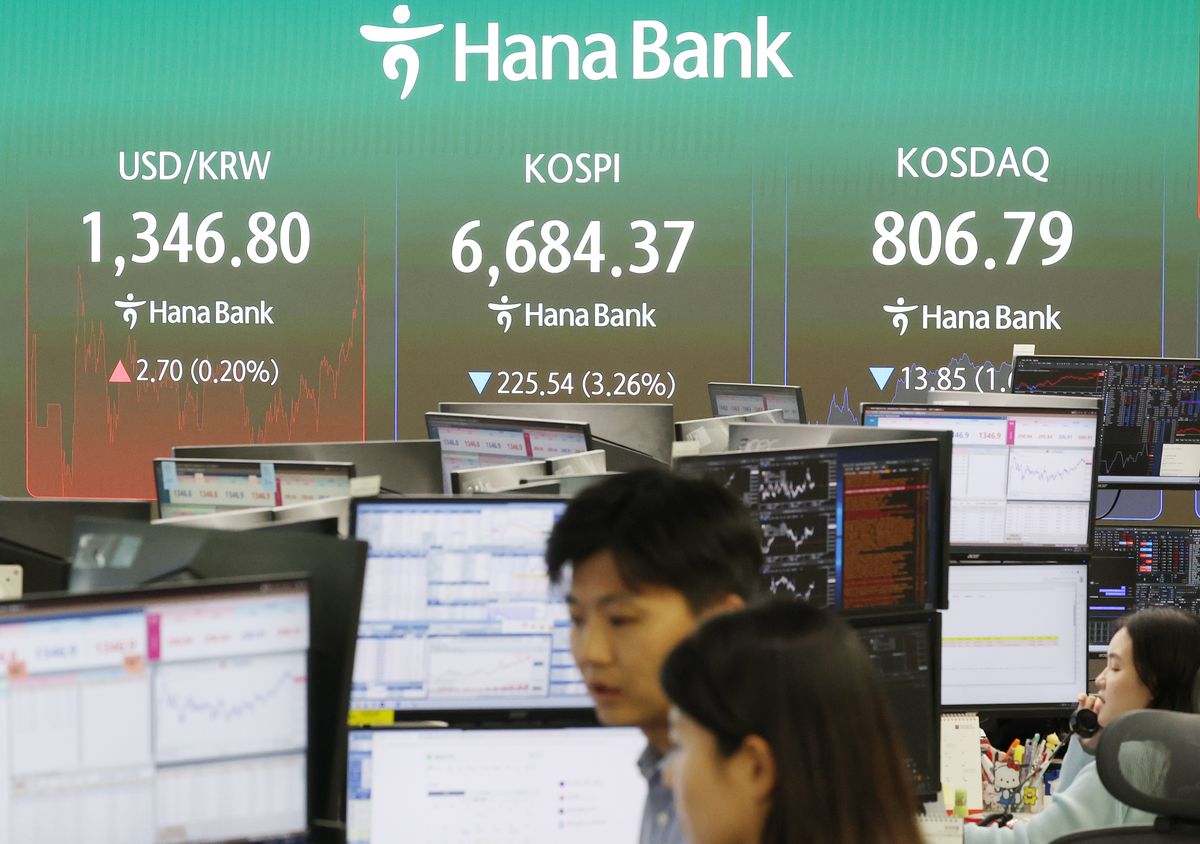
The domestic stock market suffered a heavy sell-off from foreign and institutional investors, causing the 6,700 line to break and closing on a disappointing note at the 6,600 line. Recently, the market has been under simultaneous pressure from rising oil prices due to geopolitical risks in the Middle East and the growing debate on slowing down the pace of artificial intelligence development following the release of US inflation data. Individual investors participating in the stock market attempted to defend the index by injecting over 4 trillion won, but they were unable to halt the decline amidst the massive downward pressure. Like a small boat caught in a fierce storm, major stocks in our market all showed signs of instability. In this market environment, it is necessary to calmly examine the factors that caused the sharp drop in the index. In this article, we will take a detailed look at the specific background of this stock market plunge and the stock price trends by sector.
=
KOSPI Closes at 6,600 Line Amid 5 Trillion Won Sell-Off by Foreigners and Institutions: Market Analysis
1. Large-Scale Sell-Off by Foreigners and Institutions
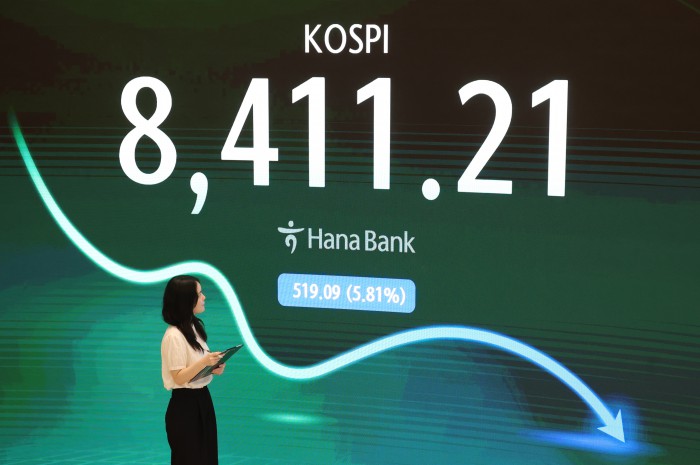
The most decisive culprit behind today’s sharp cooling of the domestic stock market was undoubtedly the indiscriminate net selling offensive by foreign and institutional investors. On the Korea Exchange alone, foreigners and institutions sold a massive volume of over 3.9 trillion won and 1.6 trillion won, respectively. The total size of stocks they dumped on the market in a single day reached a staggering 5.6 trillion won, placing a heavy burden on the index. In contrast, individual investors bought up over 4.1 trillion won worth of stocks in a solo effort to buy the dip, but they were overwhelmed by the massive wave of selling. Market participants are on high alert, wondering whether this large-scale exit by institutions and foreigners is a temporary phenomenon or a precursor to further declines. The outflow of large funds is acting as the primary cause of weakening the overall strength of the index. The large-scale selling by foreigners and institutions exacerbated supply-demand imbalances, pulling the index down significantly. Despite strong inflows of buying from individuals, it was not enough to stop the aggressive selling by institutions and foreigners.
Foreigners and institutions recorded a massive sell-off of over 5.6 trillion won, leading the decline in the KOSPI.
2. AI Pacing Down Theory and Geopolitical Risks
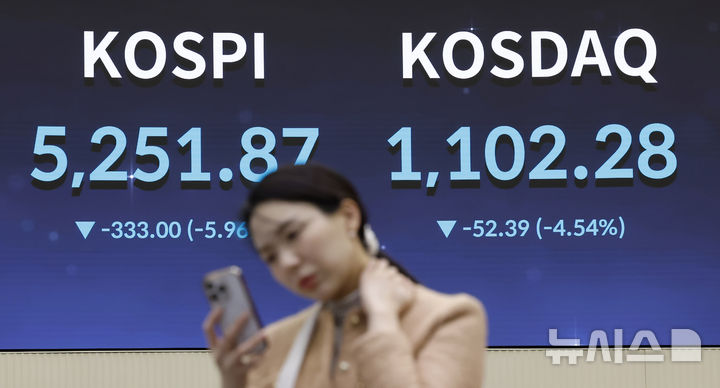
Behind this stock price crash are not just supply-demand issues, but also major negative factors surrounding the global economy and the technology industry. Recently, CEOs of major artificial intelligence companies have agreed with the argument that the pace of technological development is too fast and could pose a threat to humanity. As the so-called “AI pacing down theory” gained momentum, investor sentiment in related tech stocks froze instantly. Adding to this, news that talks on navigation through the Strait of Hormuz were postponed and that a Saudi Arabian pipeline was attacked stirred energy price anxiety. Fears that high oil prices and high interest rates would persist for the long term spread throughout the market, pushing investor risk aversion to its peak. Ultimately, the spread of these external uncertainties cast a deep shadow over the entire domestic stock market, fueling selling sentiment. The combination of concerns about the growth rate of the technology industry and the Middle East energy crisis dealt a major blow to the market. Investors showed a strong preference for safe assets due to unexpected external variables.
The AI pacing down theory and geopolitical risks in the Middle East combined to exert massive downward pressure on the stock market.
3. Decline in Major Semiconductor Stocks
