When comparing medical expense insurance, simply looking at the monthly price tag first does little to protect your household finances. According to recently released statistics, annual medical expenses per person in South Korea have exceeded 4 million won, with a significant portion stemming from non-covered medical services, making thorough verification essential. It is quite common to see people regret their choices after blindly following a friend’s recommendation for a “cheap” product, only to face high medical bills as they age. Therefore, today I will explain in detail how to find the conditions that perfectly suit you among the many available products, along with tips to prevent unnecessary spending. Whether you are a first-time buyer or considering switching your existing policy, reading this article to the end will be of great help. Instead of complex terminology, I will highlight the key points based on specific, easy-to-understand examples.
=
Essential Tips for Comparing Medical Expense Insurance and How to Save on Premiums
1. Understanding Differences by Generation
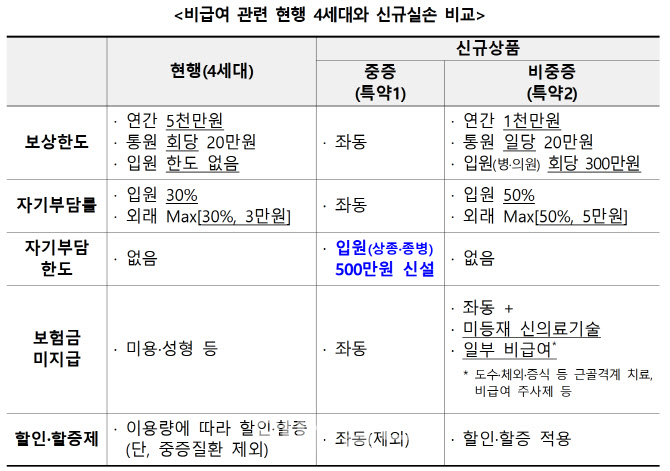
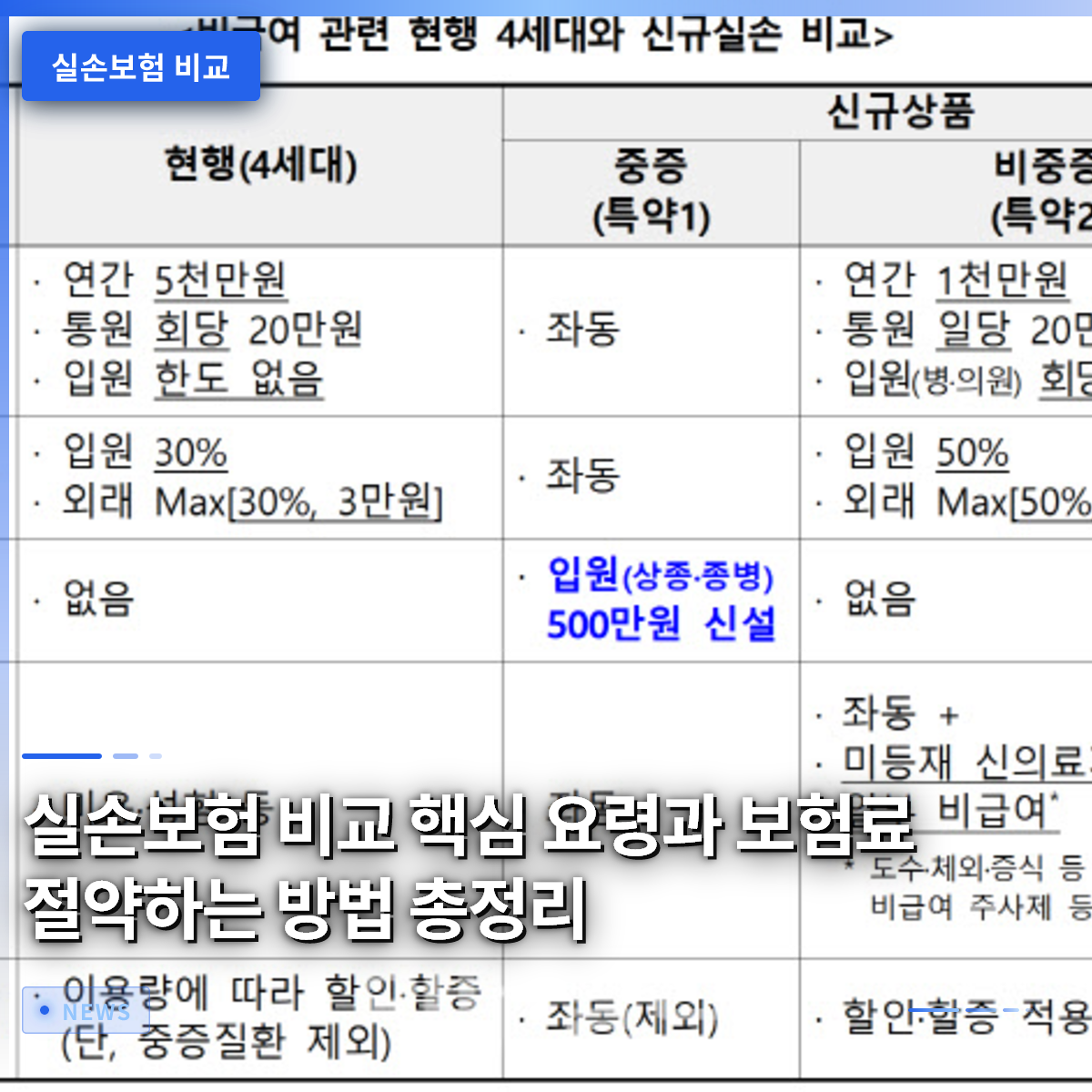
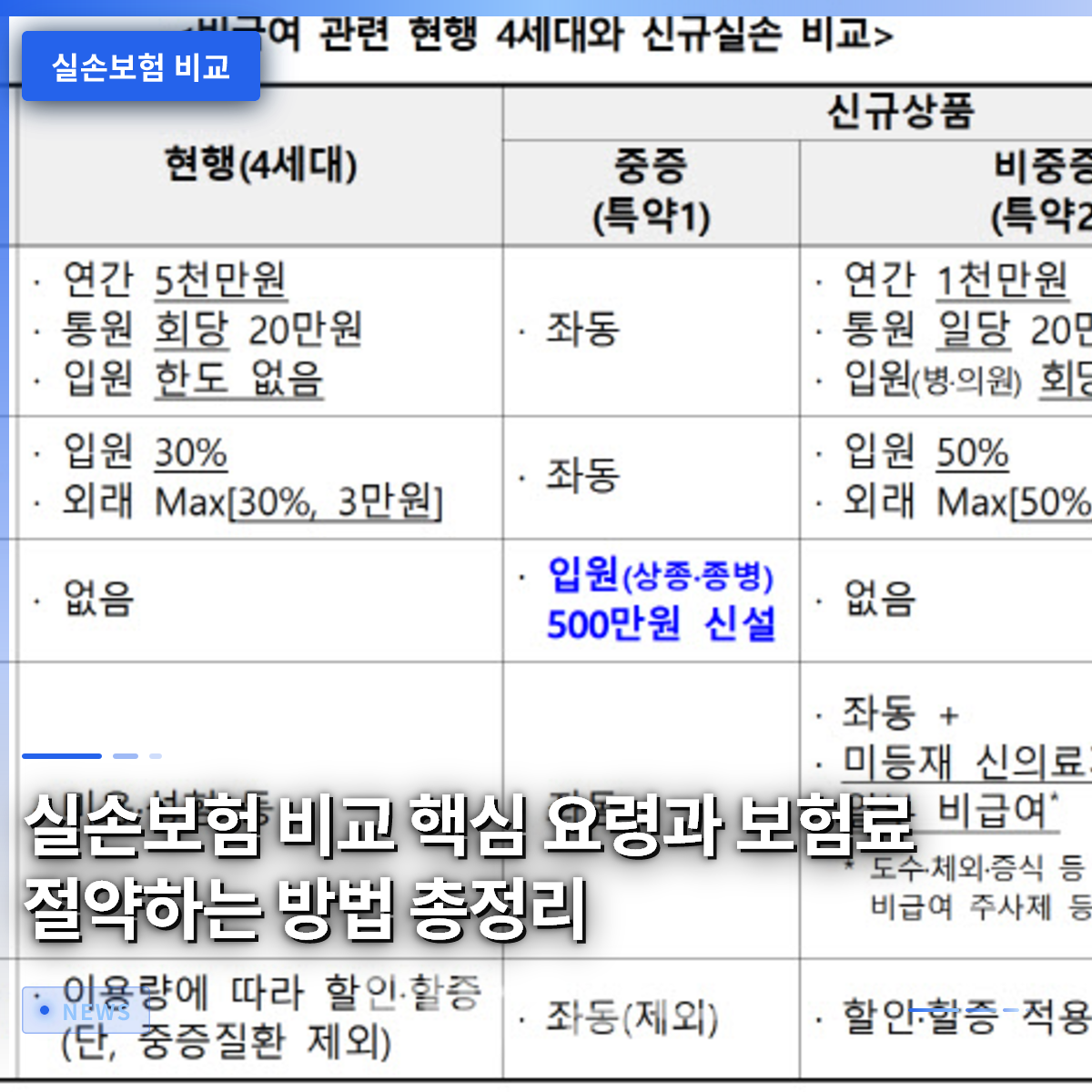
Medical expense insurance shows significant differences in coverage scope and co-payment ratios depending on the generation (from 1st to 4th) at the time of enrollment. While 1st and 2nd generation products purchased in the past are known for their generous benefits, reimbursing nearly the full amount of hospital bills, they can also place a heavy burden on households due to annual renewal “bombs” (sharp premium increases). On the other hand, the 4th generation, which is currently available, is designed with lower premiums to benefit those who rarely visit hospitals, but it includes a structure where surcharges are applied if you receive extensive non-covered treatments. For example, Mr. Kim, who received dozens of physiotherapy sessions for back pain last year, noted that while his out-of-pocket costs would have been lower with older products, the 4th generation product resulted in reduced refunds and a significant premium increase for the following year, leaving him shocked. Therefore, you must honestly assess your usual health status and frequency of hospital visits to coldly determine which generation suits your lifestyle. It is unwise to stubbornly stick to older products or blindly switch to the latest ones; you need the wisdom to comprehensively consider your current physical condition and financial situation. Older products offer broader coverage but have shorter renewal cycles and steeper price hikes, while the latest products feature slightly higher co-payments in exchange for lower initial costs.
The first step in comparing medical expense insurance is to accurately understand the characteristics, renewal cycles, and co-payment structures associated with your enrollment period.
2. Avoiding the Trap of Non-Covered Medical Costs

These days, you are often recommended non-covered items that are not eligible for national health insurance when visiting hospitals, and this is the main culprit threatening household medical expenses. Musculoskeletal non-covered items, such as physiotherapy or shockwave therapy commonly received at local clinics, have very high claim rates for medical expense insurance, contributing to increased overall loss ratios. In reality, Mr. Park, an office worker, went to the hospital for shoulder stiffness and, following the doctor’s recommendation, received a package of expensive non-covered injections and physical therapy. However, when he later filed a claim, he was shocked to find that the actual amount refunded was less than expected due to coverage limits and co-payments. Since prices for non-covered treatments vary wildly from hospital to hospital, it is crucial to inquire about costs in advance and carefully consider whether the treatment is truly necessary. Indiscriminate use of non-covered treatments ultimately leads to premium increases for all policyholders the following year, so we must consume wisely for the benefit of everyone, not just ourselves. We must remember that “medical shopping,” or indiscriminately visiting multiple hospitals, is a shortcut to eating into our own wallets. Non-covered items have significant price differences between hospitals and high co-payments when claiming insurance, so thorough prior verification is essential.
Indiscriminate spending on non-covered medical costs can return as a premium bomb in the future, so you must always check costs and necessity before treatment.
3. Tips for Comparing Under Identical Conditions

The most common mistake when comparing various products is judging based solely on the monthly premium while keeping the coverage scope different. To make a proper comparison, you must align the rider conditions and co-payment ratios exactly and then compare the price tags to make an objective choice. Even when using internet comparison platforms or professional consultation desks, you should first list your desired core coverage and request quotes that match those needs to prevent unnecessary riders from being included. For instance, fixed-amount coverages like cancer diagnosis or surgery fees should be handled separately from medical expense insurance; bundling them together can cause monthly expenses to swell to an unmanageable level. Ms. Lee, a housewife, had previously enrolled in a comprehensive product recommended by a friend that included everything, but the fixed monthly costs became a burden, leading her to decide on a remodel. After working with an expert to remove unnecessary riders and redesign the policy to focus purely on hospital bill coverage, she was able to save significantly on monthly payments while maintaining the same level of protection. You must align variables such as coverage limits, co-payments, and renewal cycles for accurate price comparison, and you should boldly exclude unnecessary riders.
Comparing medical expense insurance is not just about looking at price tags; it is a process of keeping only the coverage you truly need under identical conditions.
4. Utilizing Online Automatic Review and Simple Claims
Recently, the insurance industry has been rapidly expanding systems that use artificial intelligence to automatically review and pay medical expense insurance claims 24/7 without the need for complex document submissions. In the past, it was a hassle to individually issue receipts and detailed medical expense statements on paper from the hospital and either mail them or upload complex photos via an app. However, nowadays, thanks to partnerships with affiliated hospitals, you can enjoy the convenience of having your medical records transmitted automatically with just a few button clicks and receiving the money in your bank account within hours. Mr. Choi, an office worker, filed a claim for an eye clinic visit from the previous week using his smartphone app in the company lobby during his lunch break; he was amazed to receive a deposit completion notification before he even finished his coffee. As technology advances, post-management and the insurance claim process have become much smoother, so how convenient the claim system of the company you are considering is also becomes an important selection criterion. It is wise to choose a provider with a well-established simple claim feature to ensure that insurance money does not expire due to missed deadlines from procrastination. Real-time automatic review and simple claim features via mobile apps are essential elements that significantly reduce the time and effort of busy modern people.
How simple and fast the insurance claim and review process is is a crucial competitive advantage to consider when choosing medical expense insurance.
5. When Insurance Remodeling is Necessary
Just because you have held a product for a long time does not mean you should automatically keep it; you should boldly consider remodeling as you age and your living environment changes. If you hold onto an old product with a renewal bomb as retirement approaches and your income decreases, it could lead to bankruptcy in your old age. Conversely, even a cheap product purchased in your youth may fail to provide adequate coverage in critical moments if it does not reflect the reality of recently increased medical costs. Mr. Park, a self-employed individual, saw his income decrease during the pandemic and found the monthly insurance premiums too burdensome. After consulting with an expert, he switched to reasonable conditions matching his current income level and felt relieved. When remodeling, you must carefully align the dates to ensure there is no coverage gap with the new product before arbitrarily canceling the existing one, to prevent losses. The core goal of remodeling is to find the ideal balance between the fixed costs leaving your account and the increasing hospital bill risks that come with age. You must balance maintaining and switching existing products according to income changes and age, and eliminate coverage gaps with the help of an expert.