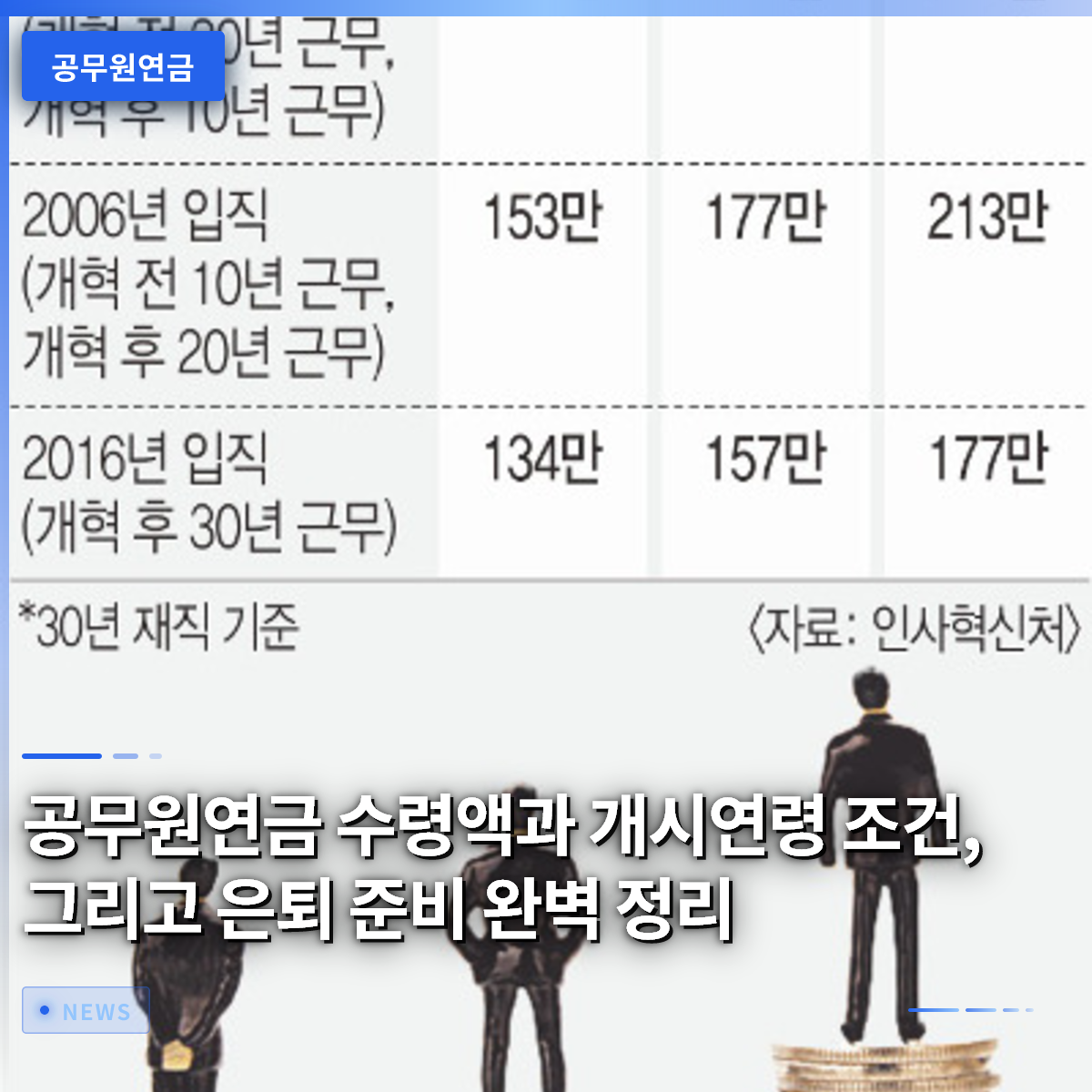
The Civil Servant Pension is a representative occupational pension that provides a stable monthly income for life, starting at a designated age, for those who have served for at least 10 years. While many civil service exam candidates cite this system as a major advantage when choosing a stable career, they often find themselves confused about the exact amount and timing of payments as retirement approaches. For instance, Officer Kim, who retired last year, was quite surprised to learn that his pension start age was several years later than he had assumed, prompting him to seek advice from colleagues. In this article, we will thoroughly examine the current 2026 conditions for receiving the Civil Servant Pension, including precise payment schedules and tax criteria. By understanding the direction of these systemic changes in advance, you can design a more comfortable and robust life after retirement. Let’s break down the complex core aspects of the Civil Servant Pension in a simple and easy-to-understand manner.
=
Civil Servant Pension: Benefits, Eligibility Age, and Retirement Preparation
1. Changes in the Civil Servant Pension Start Age

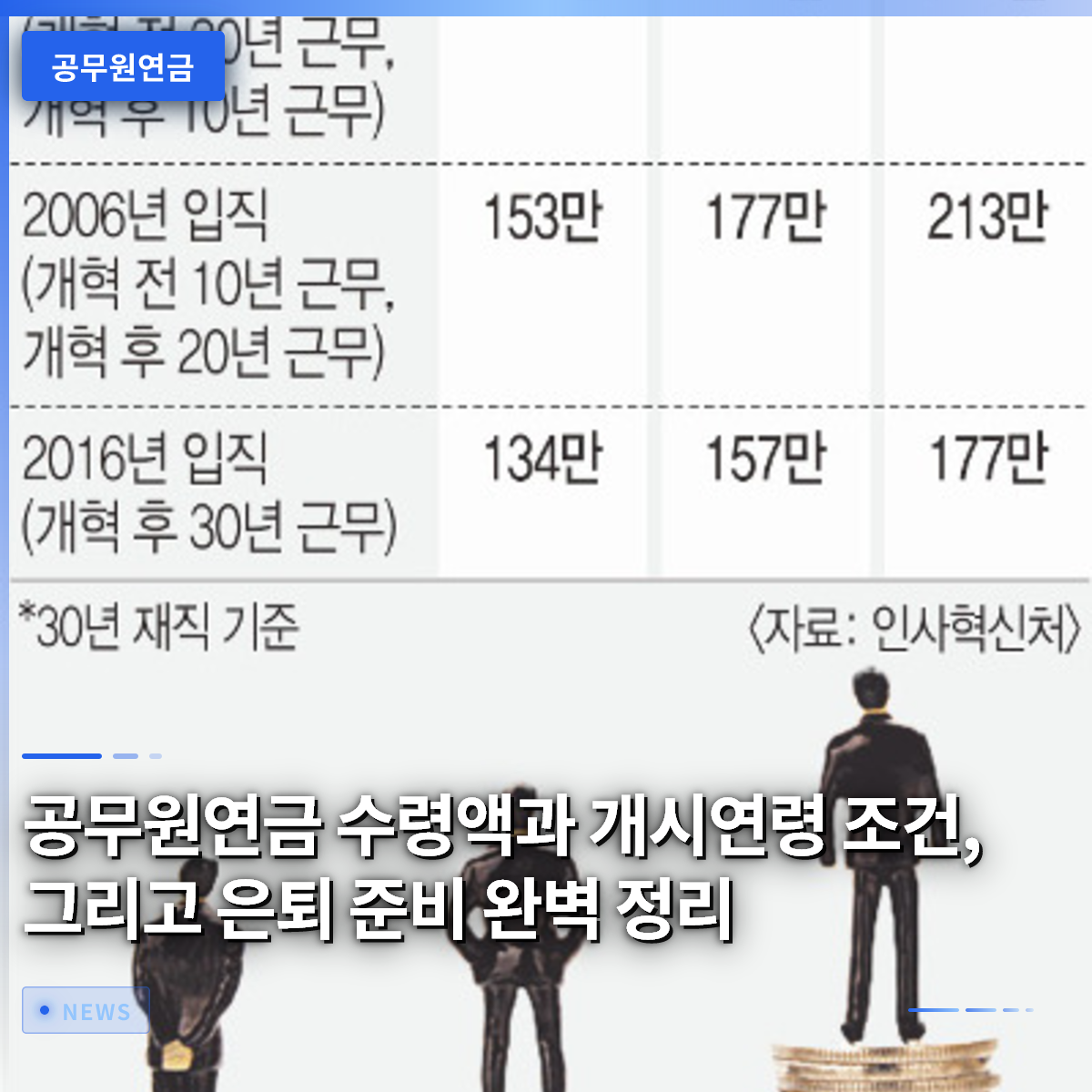
As of 2026, the age at which one can receive the Civil Servant Pension differs from the past and is strictly determined by the date of appointment. While pensions were often paid out immediately after retirement in the past, the start age has been gradually delayed due to continuous legislative amendments aimed at fiscal stability. For example, civil servants appointed after 1996 are generally eligible to receive their pension starting at the age of 62, as stipulated by law.
Many seniors nearing retirement are surprised to find themselves facing an income gap because they assumed the pension would start immediately. This is due to the pension start age. In reality, if the mandatory retirement age is 60 but the pension starts at 62, one must endure a difficult two-year period without regular income. Therefore, it is essential to calculate in advance the year of your appointment and your statutory start age. Since the clock of retirement does not stop, recognizing and preparing for these systemic changes ahead of others is a wise way to conclude a public service career.
The start age for the Civil Servant Pension varies by appointment date, and one must prepare for the income gap between mandatory retirement and pension payment.
2. Calculation Methods and Key Conditions for Retirement Pensions
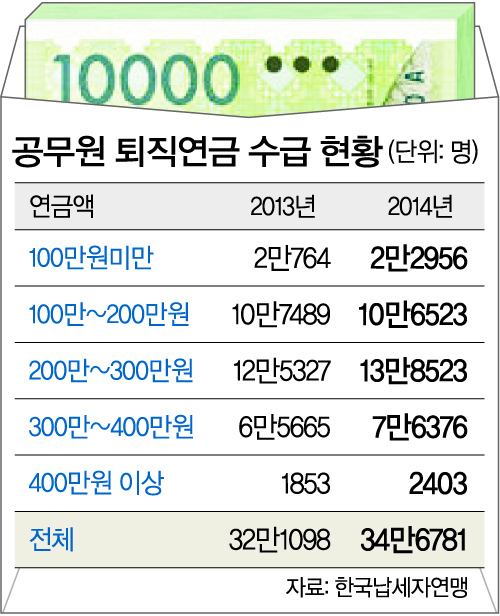
The monthly benefit of the Civil Servant Pension is not determined solely by the length of service. It is calculated based on the total length of service and the average standard monthly income earned during that period. Since the fund is operated by combining contributions paid by the individual and the state, a longer period of diligent service results in higher compensation after retirement.
In practice, even two colleagues who retire around the same time may see significant differences in their monthly pension deposits due to variations in promotion speed or salary grades. This is why many civil servants focus on promotions and salary increases during their tenure, clearly showing a structure that favors long-term service. The average standard monthly income over the last 3 or 5 years before retirement significantly impacts the pension calculation, meaning that income management in the final years of service determines the quality of life after retirement.
The Civil Servant Pension benefit is calculated based on length of service and average standard monthly income, making long-term service and late-career income management crucial.
3. Tax Criteria and Deductions for the Civil Servant Pension
Many people expect the full amount of their Civil Servant Pension to be deposited into their accounts after retirement, but in reality, payments are made after deducting various taxes and contribution-based fees. Under the Income Tax Act, the Civil Servant Pension is included in taxable income, so the proportion of tax withheld naturally increases as the monthly pension amount grows.
However, disability pensions received due to injuries or accidents during service, and survivor pensions paid to the families of deceased civil servants, are exempt from taxation. Officer Park, who began receiving a survivor pension left by his father last year, was initially worried about taxes but was relieved to learn that it was a tax-exempt item. As seen here, tax applicability varies depending on the reason for receiving the pension, so it is important to accurately understand your specific situation. You should create your post-retirement household budget based on the net amount after tax to avoid future financial planning issues.
While income tax is applied to pensions received due to general retirement, survivor and disability pensions enjoy tax-exempt benefits.
4. Loans and Additional Welfare Benefits from the Civil Servant Pension Service
The Civil Servant Pension Service (CPS) operates not only to pay monthly pensions but also provides various welfare systems, including loans for financial stability, for both active employees and retirees. A representative example is the pension loan program, which offers more favorable terms than commercial banks for home purchases, depositing for rental housing, or addressing sudden financial pressures.
For instance, Officer Choi, who worked alone after moving from a local area, was able to safely navigate a sudden demand for a higher rental deposit by utilizing the loan program provided by the CPS. Compared to high commercial interest rates, this program is less burdensome and systematic, making it a valuable welfare benefit that many public officials actually use. Additionally, various cultural classes and health checkup support programs are linked even after retirement, enhancing the quality of life for retirees.
The Civil Servant Pension Service supports loans and welfare systems with favorable terms for active employees and retirees, in addition to pension payments.
5. Utilizing Bank Pension Receipt Events and Additional Benefits
Recently, various commercial banks are actively running aggressive cashback or gift events to attract new customers who receive the four major public pensions, including the Civil Servant Pension. Which bank you designate for your monthly pension deposits can yield unexpected cash rewards, making this a hot topic among savvy retirees.
Mr. Jeong, who recently retired, was delighted to receive a cashback benefit worth tens of thousands of won simply by changing his pension receiving account to Shinhwa Bank, describing it as a nice little extra income. As this example shows, paying a little attention to financial institution news can help you catch small investment opportunities that others overlook. Since the pension is a stable monthly income source, it is beneficial to carefully compare fee waiver benefits and preferential interest rate conditions when selecting your primary bank.
Utilizing new customer events at commercial banks when receiving the Civil Servant Pension can provide additional financial benefits such as cashback.
6. Comprehensive Advice for Successful Retirement Planning
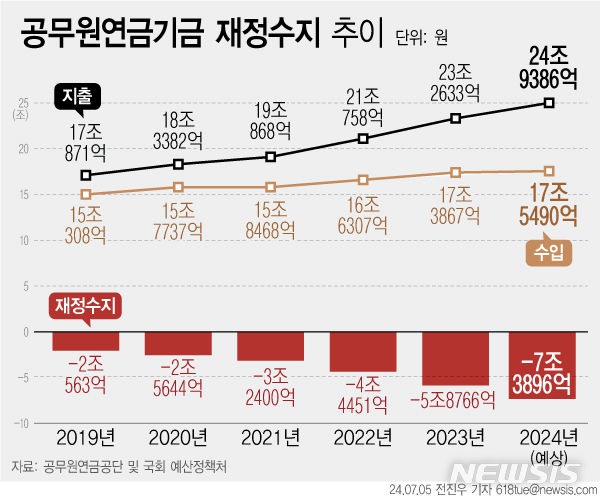
While the Civil Servant Pension is a sturdy support for old age, the need for the system’s sustainability and individual additional retirement preparation is increasingly emphasized as society ages. It is most important to wisely bridge the income gap until the pension start date and to build a multi-layered safety net for old-age income by combining it with the National Pension or personal pensions.
Looking at retired seniors around us, we often see cases where people who relied solely on the Civil Servant Pension are surprised by living expenses that are tighter than expected. From now on, it is necessary to accurately check your estimated benefit amount and gradually supplement any shortfall through personal savings or investment assets. Only those who closely monitor changing systemic trends and prepare actively can truly enjoy a leisurely and happy life after retirement. Starting today, I hope you will check your estimated pension amount and take a calm first step toward a robust old age.
Do not rely solely on the Civil Servant Pension; prepare for the income gap and establish a multi-layered old-age asset plan.
Frequently Asked Questions
=