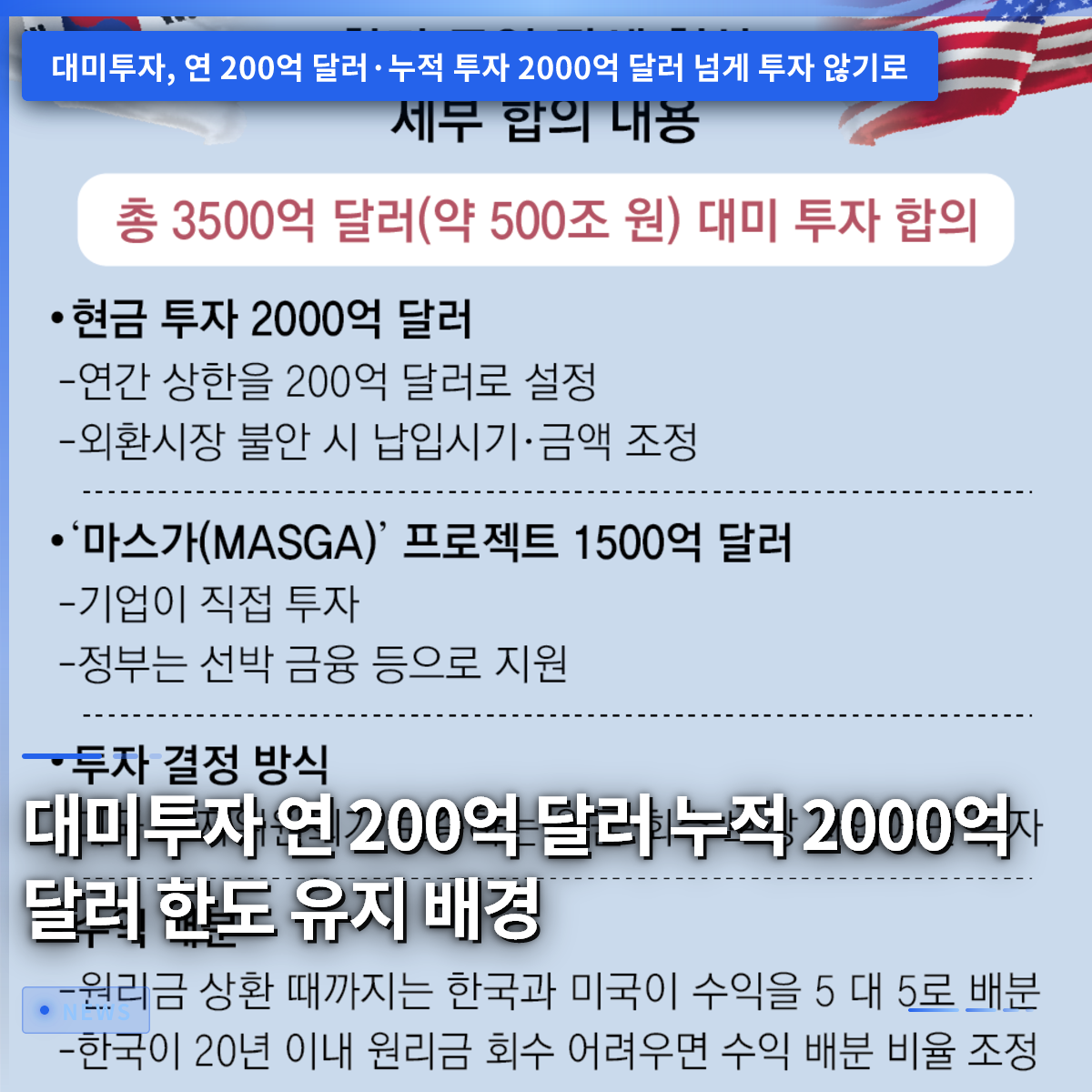
The government recently reaffirmed its stance in a report to the National Assembly, strictly capping the annual execution of strategic investments in the United States at $200 billion and the total cumulative investment at $2 trillion. This measure stems from the judgment that additional large-scale funding is practically difficult given the massive capital requirements of major projects that are already finalized or under review. In fact, the Texas power plant and large-scale nuclear power plant construction projects alone will consume a significant portion of the total limit, leaving virtually no room to accept new proposals. We will examine in detail what these investment caps mean for our national finances and which projects will take priority in the future. This will also help readers understand the trends in national fiscal policy and external economic policy. We will carefully review the complex negotiation process and specific fund allocation plans that are about to unfold to uncover the details.
=
Background on Maintaining the $200 Billion Annual and $2 Trillion Cumulative Caps for US Investments
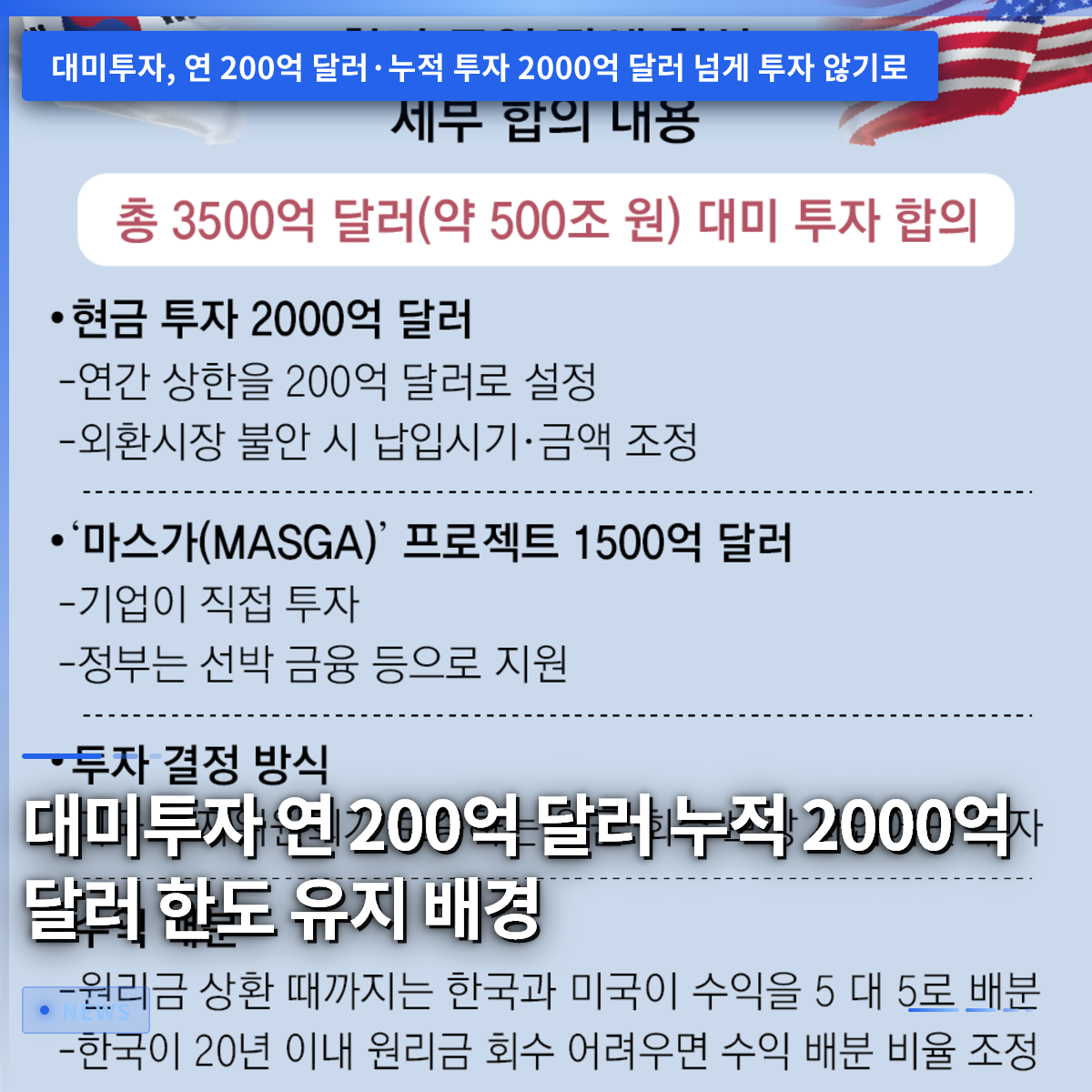
1. Background on Reaffirming the Strategic Investment Cap for the US

The government’s decision to strictly adhere to the existing agreement between Korea and the US is an essential defensive line to maintain fiscal soundness and prevent indiscriminate capital outflows. Industry Minister Kim Jung-gwan clearly stated at a National Assembly meeting that even if the US side brings new proposals, the principle of not exceeding the set ceiling will be maintained. The $200 billion annual barrier and the massive $2 trillion cumulative limit serve to fundamentally block a structure of unlimited spending. Without such safeguards, national funds could drain unexpectedly, placing a heavy burden on the domestic economy as a whole. Therefore, the government has taken a firm stance that it will operate only within the established framework, regardless of the form of any additional proposals. This approach is expected to have a positive impact on strengthening future negotiating power with the US.
The government maintains its position of strictly defending the investment cap for the US to prevent indiscriminate capital outflows and ensure fiscal soundness.
2. Massive Capital Requirements Concentrated in Major Projects

Looking at the scale of the major US investment projects currently underway, it is immediately clear why the cap is absolutely necessary. The construction of the EnCinal gas combined-cycle power plant in Texas, considered the first major US investment, is expected to require a massive $22.3 billion. Beyond that, the construction of eight large nuclear power plants in the US, mentioned as a follow-up project, is estimated to cost up to $120 billion. The combined cost of these two core projects reaches $142.3 billion, instantly consuming 71.2% of the total allowed limit. This means that more than 70% of the $200 billion total limit is already tied up for specific purposes. Consequently, the remaining investment capacity is only $57.7 billion, leaving almost no room to squeeze in additional large-scale projects.
The Texas power plant and nuclear power plant construction projects alone will consume more than 70% of the total investment limit, leaving very little surplus funding.
3. Realistic Challenges of the Alaska Liquefied Natural Gas Project
In this situation, the $67 billion Alaska liquefied natural gas (LNG) project, which the US is strongly urging, has emerged as a major headache. If the original proposal for the Alaska project is accepted without modification, the total investment, combined with the Texas power plant and nuclear projects, would exceed the overall limit by $9.3 billion. Even if the government negotiates with the Alaskan side to significantly reduce the investment scale, there will still be insufficient room to include other new projects. Since the nuclear project alone requires up to $120 billion, funds must be stretched over a period of at least six years to manage the budget. If the Texas power plant construction and Alaska natural gas investments proceed simultaneously, the execution period for nuclear funds will inevitably extend further. Ultimately, due to the limits of available resources, meeting all US demands is a physically impossible challenge.
Accepting the original Alaska LNG project proposal would exceed the total investment limit, leaving no space for additional projects.
4. Constraints on Fund Allocation Due to Annual Execution Caps

The $200 billion annual cap also acts as a critical constraint that significantly hinders actual fund management. Since massive construction funds amounting to trillions of won must be split and sent within a fixed amount each year, a very meticulous long-term funding plan is required. On sites with astronomical budgets like the nuclear project, wisdom is needed to increase capital turnover and strictly coordinate construction schedules. Even assuming that no funds are sent to other small-scale projects and everything is focused solely on the nuclear plant, the budget must be allocated consistently for over six years. If multiple sites demand funds simultaneously, an absurd situation arises where the progress speed of each project must be artificially adjusted to prevent exceeding the annual limit. The government plans to strictly evaluate the economic efficiency and profitability of each project within the established rules to determine priorities.
The $200 billion annual execution limit creates a structural constraint requiring massive construction funds to be split and executed over several years.
5. Deprioritization of Additional Proposals Such as Pyroprocessing
The pyroprocessing project, a technology for treating spent nuclear fuel that the US has consistently probed at the negotiation table, is highly likely to be pushed to the back burner. Pyroprocessing is a technology that separates reusable materials from nuclear fuel waste generated by power plants, but its commercial viability has not been fully verified. Moreover, while it requires a massive investment, the revenue structure is uncertain, and issues regarding inter-state rights for nuclear fuel enrichment and reprocessing are complexly intertwined. Since the government’s limited resources must first be allocated to large-scale projects like the Texas power plant, nuclear plants, and Alaska natural gas, there is no surplus. Therefore, new proposals like pyroprocessing, which have uncertain profitability and effectiveness, are expected to be excluded from the strategic investment list or pushed to a very low priority. This expresses the will to focus on projects with clear economic benefits, given that valuable national finances are being invested.
The pyroprocessing project, with uncertain commercial viability and profitability, is highly likely to be excluded from investment targets due to the priority given to existing large-scale projects requiring massive budgets.
6. Future Outlook and the Government’s Selective Investment Strategy
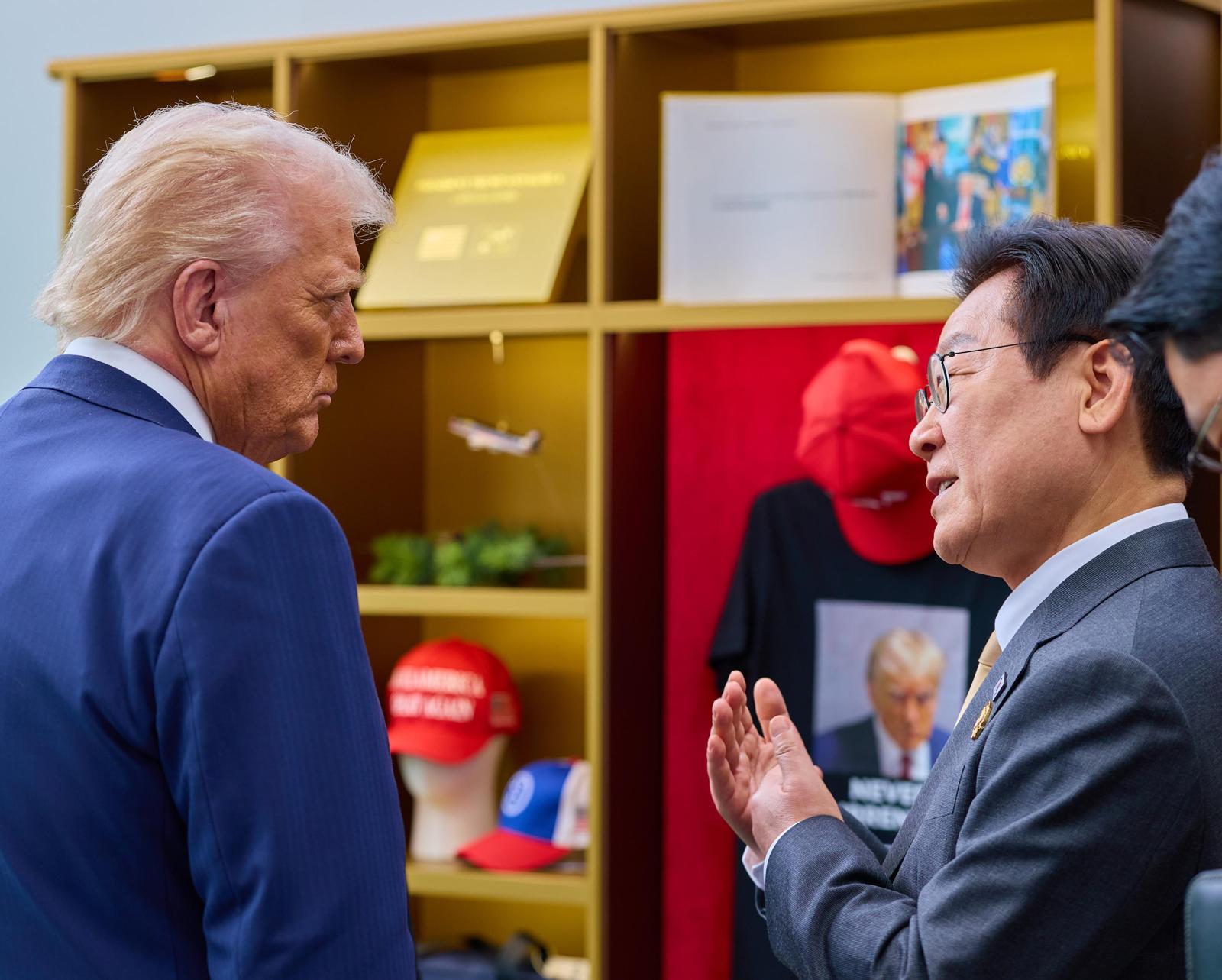
Going forward, the government plans to strictly adhere to the agreed investment limits with the US while scrutinizing the economic efficiency and feasibility of individual projects with a microscope to selectively allocate funds. Rather than unconditionally accepting new US proposals, a sophisticated approach is required, such as reducing the scale of existing projects or securing entirely new separate funding sources. Trade negotiations and fund execution processes must move away from excessive giveaway-style investments toward a direction that prioritizes national interests and secures practical benefits. Readers are encouraged to closely watch the details of future Korea-US economic cooperation and fund flows, calmly observing the impact on our economy. It is expected that strict, principle-based investment management will serve as a shield firmly protecting the fiscal soundness of the Republic of Korea. This is a time when the continued interest and support of all citizens are needed to ensure that the government’s wise and firm response bears successful fruit.
The government will maintain a selective strategy of choosing practical investment targets within the limit, based on thorough economic analysis of each project.
Frequently Asked Questions
=