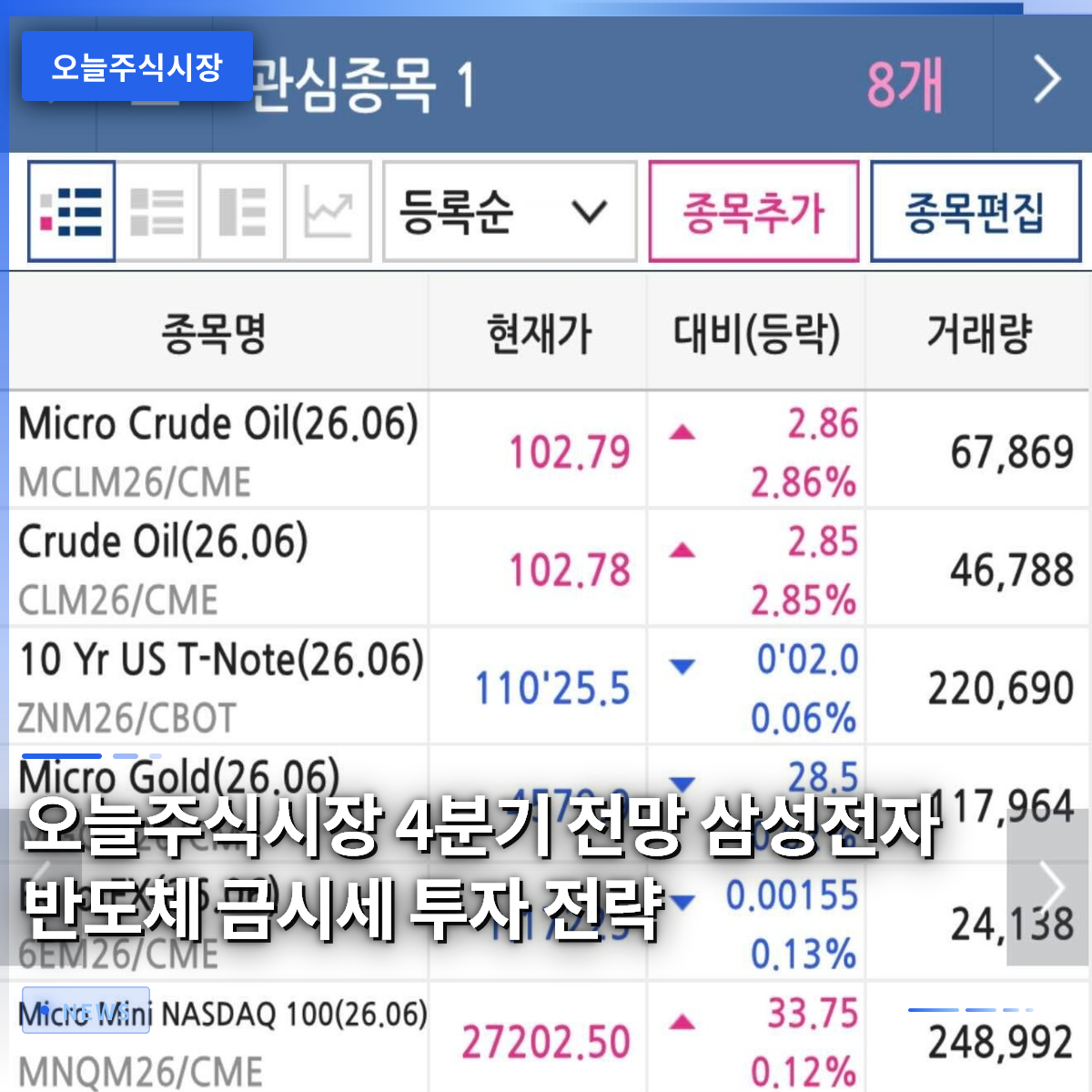
Today’s stock market stands at a critical crossroads, seeking new breakthroughs centered on semiconductors and core industries amidst various volatilities. As the weekend approaches, the securities industry is raising expectations by consecutively revising upward the target prices of major tech stocks, including Samsung Electronics and SK Hynix. Just as we commonly experience rising grocery prices or concerns about deposit interest rates in our daily lives, investors’ minds are also filled with a mix of anxiety and anticipation. As advised by famous investors, the discernment to choose companies that would remain unshaken even if the market closed tomorrow is more essential than ever. In this article, we will carefully examine diverse domestic and international market variables and specifically look into how to protect assets in the remaining period. We will provide investment guidelines that simplify complex economic news, making them understandable enough for anyone to nod in agreement.
=
Today’s Stock Market: Q4 Outlook, Samsung Electronics, Semiconductors, Gold Prices, and Investment Strategies
1. Key Variables and Investor Sentiment Shaping the Q4 Stock Market
The Q4 environment surrounding today’s stock market is experiencing a dynamic wind of change unlike any other. As the Chuseok holiday passes and we head toward the full-blown earnings season, investors are closely monitoring macroeconomic indicators. In the U.S. stock market, AI-related tech stocks continue to play a pivotal role as the market’s leading force. With geopolitical risks such as missile threats and oil prices easing somewhat, investor sentiment is quickly stabilizing. Market participants are restructuring their portfolios to focus on high-quality stocks backed by solid earnings, rather than reacting emotionally to index fluctuations. It is often disheartening to see neighbors panic and sell stocks every time prices drop. As the Fear and Greed Index shows, times when the market is engulfed in excessive anxiety are actually opportunities to accumulate quality assets from a long-term perspective. A strategy of consistently investing in dollar-cost averaging for representative index-related products, such as the S&P 500 or Nasdaq, is cited as a wise alternative. Focusing on the intrinsic value of companies rather than scrutinizing complex charts daily brings peace of mind. It is essential to maintain composure and not be swayed by sensational headlines flooding economic broadcasts and internet articles. Ultimately, the Q4 stock market is likely to be a stage where companies with strong fundamental health emerge as the final winners. It is a moment when the wisdom of calmly filtering out surrounding noise and managing assets according to one’s own principles shines brightest.
In the Q4 stock market, a dollar-cost averaging strategy that overcomes excessive fear and accumulates high-quality stocks with solid earnings is advantageous.
2. The Background of Target Price Revisions for Samsung Electronics and SK Hynix
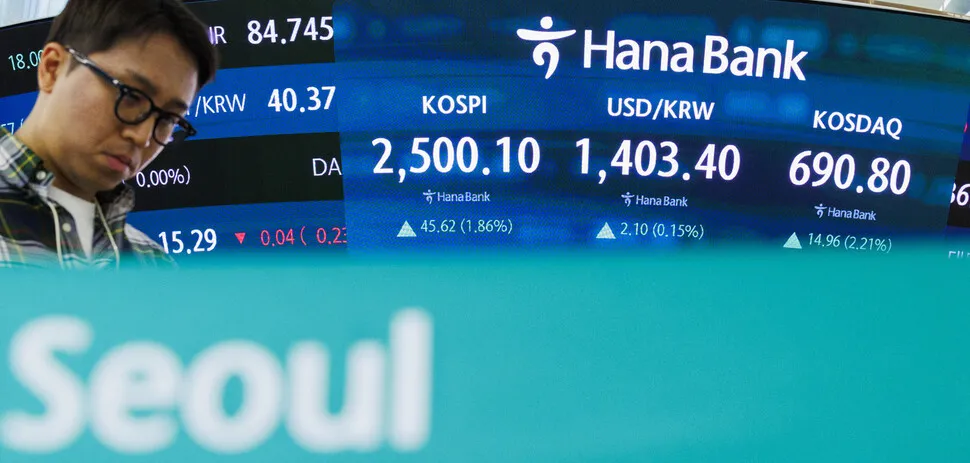
Recently, the securities industry has sparked buzz by proposing aggressive target prices of 600,000 won for Samsung Electronics and 4,000,000 won for SK Hynix. With shareholder expectations swelling, the fundamental reason behind these forecasts is the structural boom in the semiconductor industry. As the AI era fully unfolds, demand for High Bandwidth Memory (HBM) and next-generation semiconductors is exploding. Unlike past semiconductor downturns, supply is failing to keep up with demand, leading to shortages. Behind the smartphones and AI-based services we use daily lies the remarkable performance of these advanced components. Securities analysts are offering a rosy outlook, predicting that this super-boom will last at least until 2028. Of course, stock prices will not rise in a straight line and will face corrections due to profit-taking. However, it is crucial to note that the status of the memory semiconductor industry has changed completely from the past. An ecosystem where even small and medium-sized suppliers grows together is serving as a sturdy pillar for the domestic stock market. It is not uncommon to see acquaintances who have bought semiconductor stocks and are now focusing on their main careers with peace of mind. Rather than worrying about short-term price fluctuations, it is advisable to adopt a strategy of holding based on faith in long-term growth stories. The world’s attention is focused on the earnings growth that these two major companies representing South Korea will demonstrate in the future.
With the arrival of the AI era and a surge in memory semiconductor demand, the target prices of major domestic stocks are being significantly revised upward.
3. Gold Price Trends and the Preference for Safe Assets
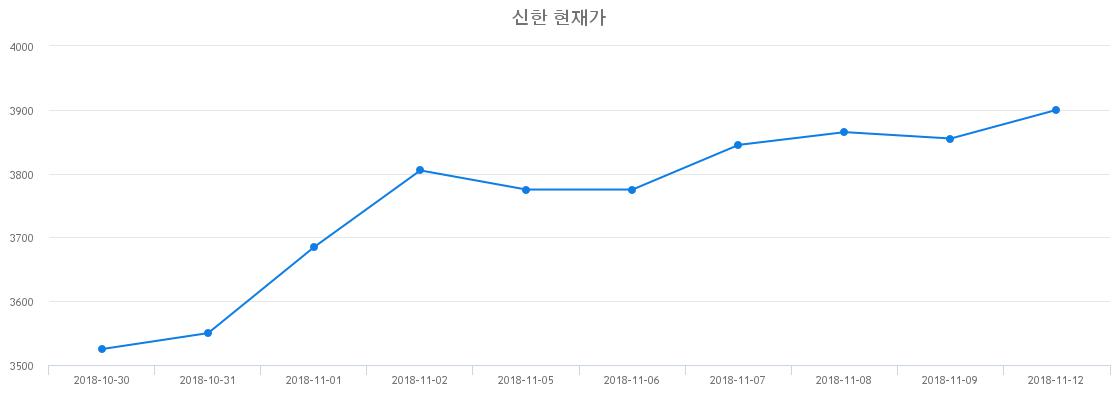
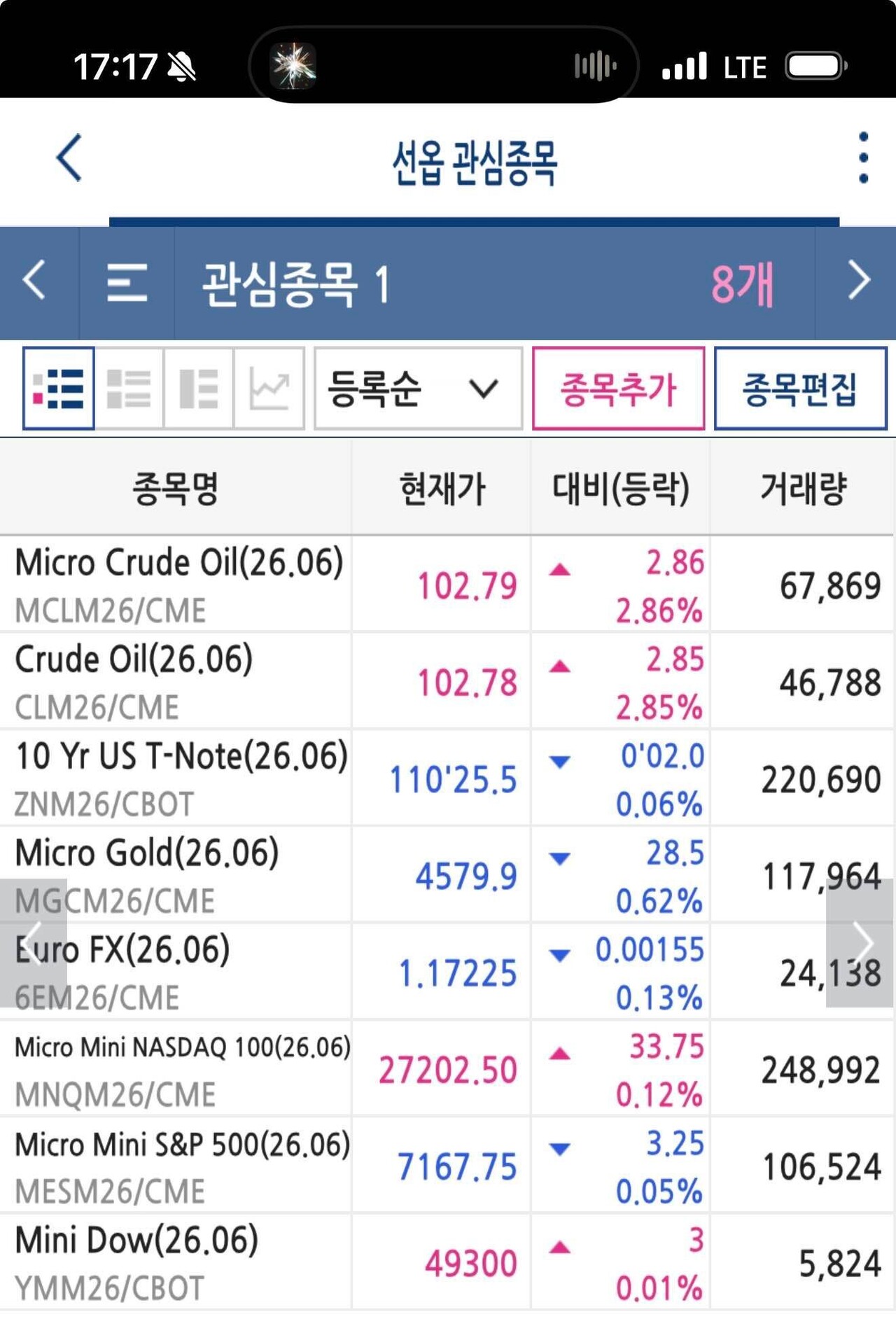
Gold is a representative safe asset that invariably draws attention whenever stock market volatility increases. Recent gold price trends show the price of one don of pure gold continuing its upward trajectory, capturing investors’ interest. When the stock market is unstable, many people turn to physical assets like gold or dollars instead of selling stocks, a historical phenomenon. In a state where inflationary pressure and geopolitical anxiety have not been fully resolved, gold is regarded as the most reliable store of value. As we feel every time we pass a jewelry store in Jongno, gold prices demonstrate a solid defensive capability, rarely dropping easily. The reason wealthy individuals allocate a portion of their entire portfolio to gold is precisely for this defensive shield against emergencies. Stocks and gold tend to move in opposite directions, making them excellent partners from an asset allocation perspective. It is a system where gold prices act as a buffer during stock market crashes, smoothly reducing the volatility of total assets. The habit of investing small amounts in gold physicals or related financial products regularly is a great way to build the basics of wealth management. It is essential to have the wisdom to diversify assets appropriately rather than recklessly betting all assets on one side. The soaring gold prices also serve as a mirror reflecting how unstable the macroeconomy is. A strategy of adjusting the gold allocation while monitoring inflation trends until the end of the year helps in safe asset management.
As stock market instability grows, gold prices tend to strengthen, serving as an excellent defensive means to lower overall asset risk.
4. The Relationship Between Base Interest Rates and Stock Prices, and the Paradox of Rate Hikes
Economics textbooks teach that rising interest rates lead to falling stock markets, but reality does not always follow this formula. Recently, the market has shown a phenomenon where foreign net buying inflows drive stock prices up even while interest rates remain high or rise. This phenomenon, known as the paradox of the rate-hiking period, occurs when companies have exceptionally strong fundamental health. Large corporations generating overwhelming operating profits that can overcome interest cost burdens absorb rate hikes as a positive factor. We often see cases where, while people around us sigh about rising loan interest, those who invested in high-quality stocks with solid earnings actually make a profit. Macroeconomic indicators are for reference only; the competitiveness of individual companies is ultimately the most powerful weapon determining stock prices. Foreign investors do not enter or leave the Korean market based solely on interest rate figures. They comprehensively consider exchange rate trends, the company’s future growth potential, and dividend payout ratios before deploying funds. Therefore, it is unwise to panic and sell all stocks just because of news about rising interest rates. Instead, one should take the opportunity to identify and increase the weight of companies that have improved their structure to survive even during rate-hiking periods. Cultivating the eye to read economic news critically is the best secret to surviving in the stock market. Rather than being bound by textbook formulas, one must listen to the vivid signals shown by the actual market.
Even if base interest rates rise, foreign buying flows into companies with excellent performance, demonstrating the paradox of the rate-hiking period.
5. The Rise of Pharmaceutical and Biotech Stocks and New Growth Drivers
The pharmaceutical and biotech sector, which has long been a headache in the domestic stock market, is recently meeting a new turning point. Centered on the KOSDAQ market, biotech companies are delivering news of major new drug approvals, raising investor expectations. As more domestic pharmaceutical companies pass the stringent gates of the U.S. Food and Drug Administration (FDA), they are proving the quality of their technology. In the past, stock prices fluctuated based on baseless expectations, but now visible sales and product approval results support the prices. Investors who have suffered mentally for a long time in stock communities are now easily seen wearing bright smiles. The fruits of their diligent research and development are finally being rewarded on the grand stage of the stock market. Because biotech stocks have high volatility, thorough corporate analysis must precede investment. This is because there are many specific variables that shake stock prices, such as clinical trial results and regulatory agency approvals. However, discovering companies with core technologies that are valid in the global market can turn them into a treasure trove offering enormous returns. Interest in biotech-related stocks is not just a one-time theme but is establishing itself as a long-term mega-trend. It is necessary to develop the habit of carefully cross-referencing public disclosure materials and professional analyst reports rather than relying on hearsay. The performance of pharmaceutical and biotech stocks, which will form the twin peaks alongside semiconductors in the Q4 stock market, should be closely monitored.
Domestic pharmaceutical and biotech companies are emerging as a new investment center by achieving major results such as global approvals.
6. Action Guidelines for Wise Investors’ Q4 Asset Management
Synthesizing the diverse trends of today’s stock market, our posture for preparing for the upcoming Q4 should be clear. Investing with excessive debt is strictly forbidden; one must always approach the market with spare funds that can be comfortably managed. One must build a personal fortress that remains unshaken by any external shock by appropriately allocating stocks, gold, and safe cash assets. If your heart races every morning when you look at the stock window, it is a sign that your current investment weight is too high or does not match your personality. Like the teachings of the masters, one should have the mindset of accompanying sturdy companies that can be trusted over a long period. Only those who steadily accumulate assets without being swayed by surrounding noise can become the final winners of the stock market. As the year-end approaches, various variables such as tax issues and institutional year-end window dressing will emerge. It is most important to stick to one’s own investment principles with determination, without being swept away by such short-term waves. Based on what you have learned today, please take time to calmly check your portfolio and fill in any gaps. The stock market always holds both opportunities and threats, and only the prepared can fully enjoy the fruits. We will continue to be a reliable investment guide for you based on useful and accurate economic information. We encourage you to not fear failure and to take steps toward wise asset management starting today.
In Q4, one should overcome short-term waves and aim for long-term growth through thorough asset allocation and principle-based investment.
Frequently Asked Questions
=