
Credit cards are more than just a payment method for deferring expenses; they are central to daily financial life and a crucial tool for securing various benefits. Recently, many people are carefully comparing individual credit sales performance requirements and airline mileage accumulation benefits across different card companies to find the product that suits them best. However, using cards indiscriminately can easily lead to mistakes such as losing money on annual fees or incurring unnecessary fixed costs. In particular, there are hidden costs that are easy to overlook, such as fees incurred when canceling cards or paying taxes. In this article, we will explore specific tips for utilizing and managing credit cards more wisely.
=
How to Use Credit Cards Wisely: A Complete Guide from Maximizing Benefits to Safe Cancellation

1. Properly Understanding and Choosing Between Credit and Debit Cards

Credit cards allow the card issuer to pay the merchant first, with the user settling the bill on a designated date, which is advantageous for planned fund management. On the other hand, debit cards are characterized by immediate payments made only within the balance of the user’s own account. Last year, Mr. Kim, an office worker, hesitated between the two payment methods ahead of a large expense but ultimately chose a credit card because he needed the installment payment feature. This illustrates that accurately understanding your spending habits and cash flow is essential to prevent unnecessary overspending. It is safer to first review your monthly income and spending patterns rather than blindly following products recommended by others. While debit cards make it easy to control spending, they may hit their limits during sudden emergency expenses or large payments. Conversely, credit cards offer abundant discounts and accumulation benefits, but without strict management, they can lead to a shocking bill the following month. Mr. Lee, a university student, suffered the pain of receiving no benefits at all because he used his credit card for living expenses every month but failed to meet the previous month’s spending requirement. Therefore, it is necessary to understand the pros and cons of both card types and use them in combination according to the situation. Wise financial consumers do not favor one type exclusively but flexibly switch payment methods based on the purpose of the expense.
While credit cards offer the advantages of planned fund management and rich benefits, strict spending control and management of previous month’s spending performance are essential.
2. How to Carefully Secure Cashback and Mileage Benefits
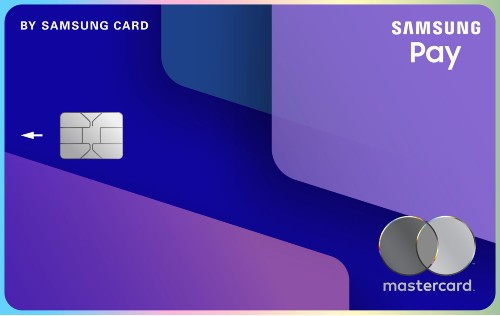
When choosing a credit card, one of the aspects consumers pay the most attention to is additional benefits such as cashback or airline miles. Card companies offer various discount conditions to attract customers, so you must carefully check the payment month and previous month’s performance conditions to fully enjoy the benefits. For example, some cashback products require payments at specific merchants to meet the conditions, and many people miss out on benefits by overlooking this. Additionally, airline mileage accumulation cards, which have been around for decades, become an excellent economic choice for those who enjoy traveling regularly. However, if you spend money you don’t need to spend just for the benefits, it results in a situation where you can’t even break even. Mr. Park, a common sight in our surroundings, concentrated all his spending on a single card to accumulate miles and eventually booked a free flight for an overseas trip. The key is to find a product with a benefit structure that exactly matches your lifestyle and use it intensively. However, since cashback payment timing and conditions can be complex, you must carefully read the card company’s guidelines. Developing the habit of calculating the minimum spending requirement for benefits in advance will keep your wallet full. Remember that small differences can accumulate to provide significant economic benefits over the course of a year.
Cashback and mileage benefits truly shine only when you accurately understand the previous month’s performance and payment conditions and align them with your spending patterns.
3. Card Fees and Precautions When Paying Taxes
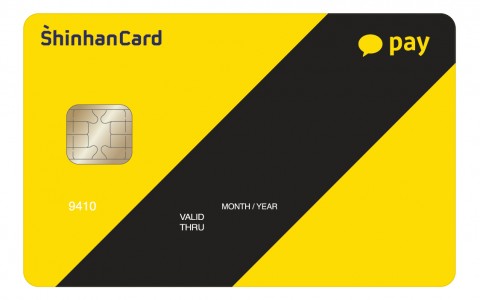
Recently, the number of people paying national taxes, such as comprehensive income tax and value-added tax, using credit or debit cards has been steadily increasing. Last year, the amount of national taxes paid by citizens using cards reached tens of trillions of won, and the fee burden incurred in this process is not negligible. While paying taxes by card helps secure immediate cash flow, the fee cost borne entirely by the taxpayer is significant. Mr. Jung, a freelancer, was quite surprised when a larger-than-expected fee was charged after using a credit card to meet the tax payment deadline. Therefore, when paying taxes, it is wiser to weigh the pros and cons of the fee rate versus cash payment rather than automatically using a card. Relevant agencies, such as the National Tax Service, are closely monitoring and strictly managing the flow of transactions and payments made in various ways recently. In particular, they strictly scrutinize whether tax invoices or card payments are missing during transactions via bank transfers or social media. From the taxpayer’s perspective, a strategy is needed to manage funds within legal boundaries while minimizing unnecessary fee outflows. Actively utilizing interest-free installment events dedicated to tax payments can help alleviate the fee burden to some extent. The wisdom of saving even on minor costs, especially for unavoidable expenses like taxes, helps keep household finances strong.
Paying taxes with a credit card makes fund management convenient, but since significant fees are incurred, you should carefully weigh the pros and cons.
4. Tips for Safely Canceling and Organizing Unused Credit Cards
Leaving unused credit cards sleeping in your wallet can lead to losses, such as annual fees continuing to be deducted or points expiring. Mr. Choi, an office worker, once regretted that annual fees were being deducted every year from a card he had issued and forgotten about several years ago. If you intend to stop using a card, you must remember that simply cutting the physical card with scissors does not fully cancel it. Physical disposal is merely an auxiliary measure to prevent personal information leakage; you must formally apply for cancellation through the card company’s customer center or app. Additionally, the procedure is to check if any auto-payment accounts are linked, use up all points, and then organize the card. Organizing unused cards also helps prevent mistakes such as auto-payment errors or overlooked fixed costs. If utilities or apartment management fees are linked to the card you are canceling, you must switch them to another payment method in advance. Regularly opening your wallet to weed out cards you rarely use is a great personal finance habit for checking unnecessary fixed costs. Many people mistakenly believe that cutting up a card will automatically cancel it, but this is a clear misconception. Only by following the correct procedures to organize your cards can you prevent unnecessary annual fee expenses and maintain transparent credit management.
Cutting up the physical card is only physical disposal; complete cancellation requires a formal application through the card company and changing auto-payment settings.
5. Preventing and Responding to Credit Card Loss and Theft
The criminal act of picking up a credit card accidentally dropped by someone else on the street and using it to pay for goods is a serious crime subject to severe punishment. As seen in reports related to Korail incidents, using a found card without authorization constitutes fraud and unauthorized credit card use. Special attention is required because failing to respond quickly when you lose your card can lead to significant financial damage. The most basic preventive measure is to keep smartphone notifications enabled so that payment details can be checked in real time. If you realize your card is missing, you must immediately contact the card company to apply for a usage suspension and reissue. If you lose your entire wallet, multiple cards are exposed at once, so it is safer to use the bulk suspension feature. Recently, card company apps allow you to block authorization for all cards with a single button, enabling rapid damage mitigation. If you discover unauthorized usage by someone else, you must immediately report it to the police and the card company to initiate the investigation process. Since minor negligence can lead to significant economic loss and legal disputes, you must be meticulous about card storage. Safeguarding assets under your name begins with thorough prior prevention and swift initial response.
In case of credit card loss, you must immediately apply for a usage suspension and use real-time notification settings to quickly prevent unauthorized use damage.
6. Using Credit Cards for Overseas Travel and Future Outlook
Credit cards equipped with contactless functionality, which alleviates concerns about exchange fees, have become an essential item for overseas travel. In areas like Hong Kong or Guangzhou, you can simply tap your card on the terminal to pay for public transportation without needing a separate ticket. Actively using credit cards instead of cash at overseas merchants reduces the hassle of calculating exchange rates and allows you to enjoy your trip safely. However, if you do not set up the overseas won payment blocking service, double exchange fees may be charged, so you should check before departing. Behind the convenient payment environment lies the risk of security incidents, so you need to maintain an attitude of frequently checking your card usage details when entering or exiting the country. The future financial environment will become more digitalized, and payment systems and benefit structures centered on credit cards will evolve rapidly. Products offering more refined cashback or customized discount benefits based on individual consumer data are expected to continue being released. However, the more this happens, the more consumers must maintain a proactive stance, control unnecessary spending, and carefully consider annual fees and charges. Making wise choices in every process, from card cancellation to tax payment and overseas transactions, is the key to protecting household finances. Why not start today by checking the cards in your wallet and securing only the benefits you truly need?
Using contactless cards for overseas travel is convenient, but you must be mindful of fees and security, and careful card management remains important in the future.
Frequently Asked Questions
=