In recent years, apartment construction costs have skyrocketed to the range of 7 to 8 million won per pyeong, deepening the sighs of many people who dream of owning their own home. Compared to the pre-pandemic era, when buildings could be constructed for just over 5 million won per pyeong, this represents a massive surge. Most people tend to blame the skyrocketing prices of materials like rebar and cement as the primary culprits behind this construction cost explosion. However, according to in-depth analysis by experts, various structural issues surrounding construction sites are intertwined beyond just rising material prices. The aging of the workforce, a shortage of available labor, and excessive competition to elevate apartment brands have all converged to drive costs up. Today, we will delve into the complex causes that have pushed apartment construction costs to such frightening heights.
=
Analysis of Why Soaring Apartment Construction Costs Are Not Just About Material Prices
1. The Current State and Background of Soaring Apartment Construction Costs
_59_20140902101308.jpg "1. The Current State and Background of Soaring Apartment Construction Costs")
The era when construction costs were in the low 5 million won range per pyeong has now shifted to a period where costs easily exceed 7 to 8 million won. This rapid change shows a slope that is too steep to be explained solely by inflation over a few years. In particular, this rise in construction costs poses a significant economic burden for non-homeowners seeking housing and for members of redevelopment associations. Experts unanimously state that this phenomenon represents a surge of over 30% compared to pre-pandemic levels. Since rising construction costs inevitably lead to higher sale prices, the threshold for ordinary citizens to own a home is inevitably becoming higher. Therefore, it is necessary to examine one by one what factors are hidden behind these unmanageably soaring construction costs.
Voices claiming that the cost pressure felt on construction sites has already surpassed its limits are dominant. Conflicts between construction companies and associations over cost increases are erupting in various parts of the country. In some cases, construction has been completely halted or move-ins delayed, escalating the issue into a social problem. It is difficult to fully understand the threads of this complex conflict by looking only at news articles about rising material prices. To accurately grasp the essence of this phenomenon is essential for correctly predicting future trends in the housing market.
Apartment construction costs, which were in the 5 million won range per pyeong, have surged by over 30% to reach the 7-8 million won range, indicating structural causes beyond simple inflation.
2. Geopolitical Crises Driving the Surge in Material Prices
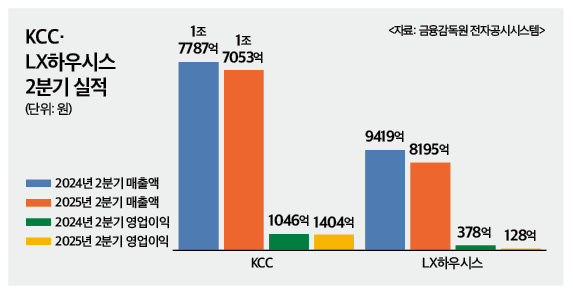
The rise in material prices, one of the surface-level factors behind increasing apartment construction costs, is deeply linked to the global geopolitical landscape. The prolonged war between Russia and Ukraine and heightened tensions in the Middle East have caused significant fluctuations in international oil prices. Materials based on petrochemical products, such as piping, various paints, and coatings, were structurally bound to see price increases. Furthermore, transporting heavy and large construction materials and equipment to sites across the country incurred substantial additional fuel and shipping costs. Ultimately, fluctuations in crude oil prices have had a profound negative impact on overall construction costs, from steel production to the manufacturing of finishing materials and final transportation.
This situation, where global supply chains are shaken and raw material supply is unstable, has created an environment where domestic construction companies struggle to bear the costs. A domino effect has occurred where political instability in specific countries directly shakes apartment construction costs in Korea. It is easy to assume that only domestic steel or cement prices have risen, but the reality is connected to much larger global economic trends. Since these external risks are difficult to resolve in the short term, the construction industry’s concerns are inevitably deepening. Behind the visible factor of material prices lies the shadow of such complex international politics.
Rising oil prices due to overseas wars and geopolitical instability in the Middle East triggered a surge in steel, chemical materials, and transportation costs.
3. Declining Labor Productivity and Severe Labor Shortages
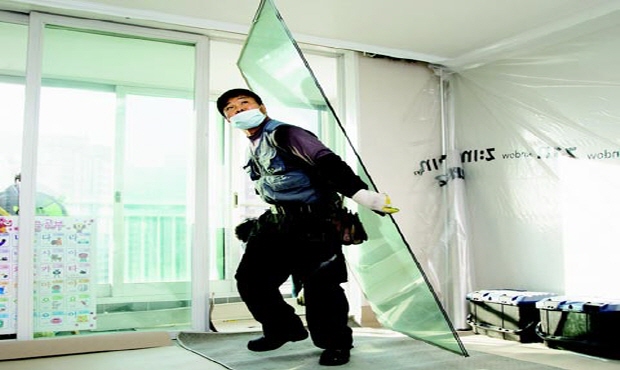
A hidden culprit that has significantly driven up construction costs, just as much as material prices, is the severe labor shortage on construction sites and the resulting decline in productivity. If you visit a construction site today, you can easily feel that the inflow of young people is severely lacking and that the entire site is aging. As skilled technicians decrease and there is a shortage of hands to maintain the site, it takes much more time and people to complete the same amount of work. In fact, analysis results exist showing that labor productivity per hour has plummeted by more than 20% compared to a few years ago. With a shortage of workers, labor costs naturally skyrocket, and construction periods lengthen, causing total project costs to snowball.
As the age of workers on site increases, measures to prevent safety accidents have become more stringent and thorough. Time spent on actual construction has decreased compared to the past due to the need for meticulous safety training and site inspections before starting work. If an accident unfortunately occurs on site and construction is temporarily halted, that loss is directly reflected in increased construction costs. The cost burden increases exponentially because additional equipment and personnel must be deployed to resume construction. The fact that the efficiency of work on site itself has declined, beyond just rising labor costs, is one of the core causes of the construction cost explosion.
Aging construction sites and a lack of young workers have lowered labor productivity and increased labor costs, fueling the rise in construction costs.
4. Intense Brand Premiumization Competition in Redevelopment Sites

Excessive premiumization competition occurring at urban regeneration sites, such as redevelopment and reconstruction projects, is also a major factor driving up construction costs. Due to the desire of association members to own more expensive and beautiful apartments, they often demand top-tier materials and luxurious exterior designs from construction companies. For example, in one redevelopment project, construction costs that were in the 5 million won range per pyeong with a standard brand jumped to the mid-to-high 8 million won range after switching to a premium brand. While rising prices are a factor, the proportion of additional costs added under the guise of elevating the apartment’s prestige is enormous. Demands such as decorating exteriors lavishly and installing imported Italian tiles or top-of-the-line kitchen appliances have caused costs to rise vertically.
The trend of premiumization is not limited to finishing materials but is expanding endlessly to community and landscaping facilities. The drive to include luxurious amenities like swimming pools, golf practice ranges, and sky lounges as standard in every complex causes construction costs to balloon to an unmanageable level. The structure requires that general buyers or existing association members share the burden of these premiumization costs. From the construction company’s perspective, applying top-tier specifications to meet the association’s demands inevitably leads to requests for cost increases. Ultimately, the unreasonable brand competition to meet the elevated desires of consumers is returning as a boomerang of skyrocketing construction costs.
Brand premiumization and competition for luxurious amenities at redevelopment and reconstruction sites have acted as a major cause of skyrocketing construction costs.
5. Structural Limitations and the Error of Blaming Construction Companies
Many people tend to criticize construction companies for raising prices to take excessive profits whenever apartment construction costs rise. However, experts point out that it is highly unfair to explain the current construction cost explosion solely as the result of construction companies’ profit-seeking. As seen above, it is a structural problem where rising oil prices, global supply chain instability, declining labor productivity, labor shortages, and association members’ demands for premiumization are all intertwined. It is not that construction companies are unfairly taking margins, but rather that the basic conditions for building construction have changed completely from the past. Without resolving this structural contradiction, simply pressuring construction companies will never curb soaring construction costs.
Ultimately, fundamentally improving the health of the entire construction industry is an urgent task to stabilize apartment construction costs in the long term. It is necessary to improve the job environment and revise the wage system to ensure a smooth inflow of young workers into the field. Additionally, it is essential to actively reduce dangerous and difficult manual tasks and expand the ratio of construction automation and mechanization. We must lay the foundation for efficient building construction with fewer personnel by actively introducing robotics technology and prefabricated construction methods. Only when these structural innovations are supported can we break the cycle of soaring construction costs and seek stability in the housing market.
The construction cost explosion cannot be viewed solely as the result of construction companies’ profit-seeking; resolving structural labor shortages and introducing construction automation are urgent.
6. Outlook and Challenges for Stabilizing Apartment Construction Costs
It is realistically very unlikely that apartment construction costs in the future housing market will return to the 5 million won range as they were in the past. This is because trends in rising labor costs, strengthened safety standards, and the elevated expectations for housing quality once raised are not easily lowered. Therefore, it is time for the government, the construction industry, and associations to pool their efforts to devise effective countermeasures. While unneeded regulations should be rationally relaxed, investment must not be spared in technology development that can increase on-site productivity and the introduction of smart construction technology. Readers also need the wisdom to look at the complex economic factors hidden behind sale price and construction cost news in a multidimensional way, rather than simply reacting emotionally to the news.
Those preparing to buy their first home should anticipate the impact this construction cost trend will have on future sale and transaction prices. It should be noted that structural cost-increasing factors are likely to continue, rather than costs dropping simply by waiting. It is more important than ever to carefully examine the quality and price structure of upcoming apartments and formulate a rational housing strategy. We hope that the digital transformation of construction sites and improvements in the labor structure will be successful, allowing citizens to obtain comfortable homes at affordable prices. Please continue to closely monitor the changes in the upcoming housing market and prepare for a wise response.
Since a drop in construction costs is difficult, long-term housing market stability should be sought through the introduction of smart construction technology and structural innovation.
Frequently Asked Questions
=