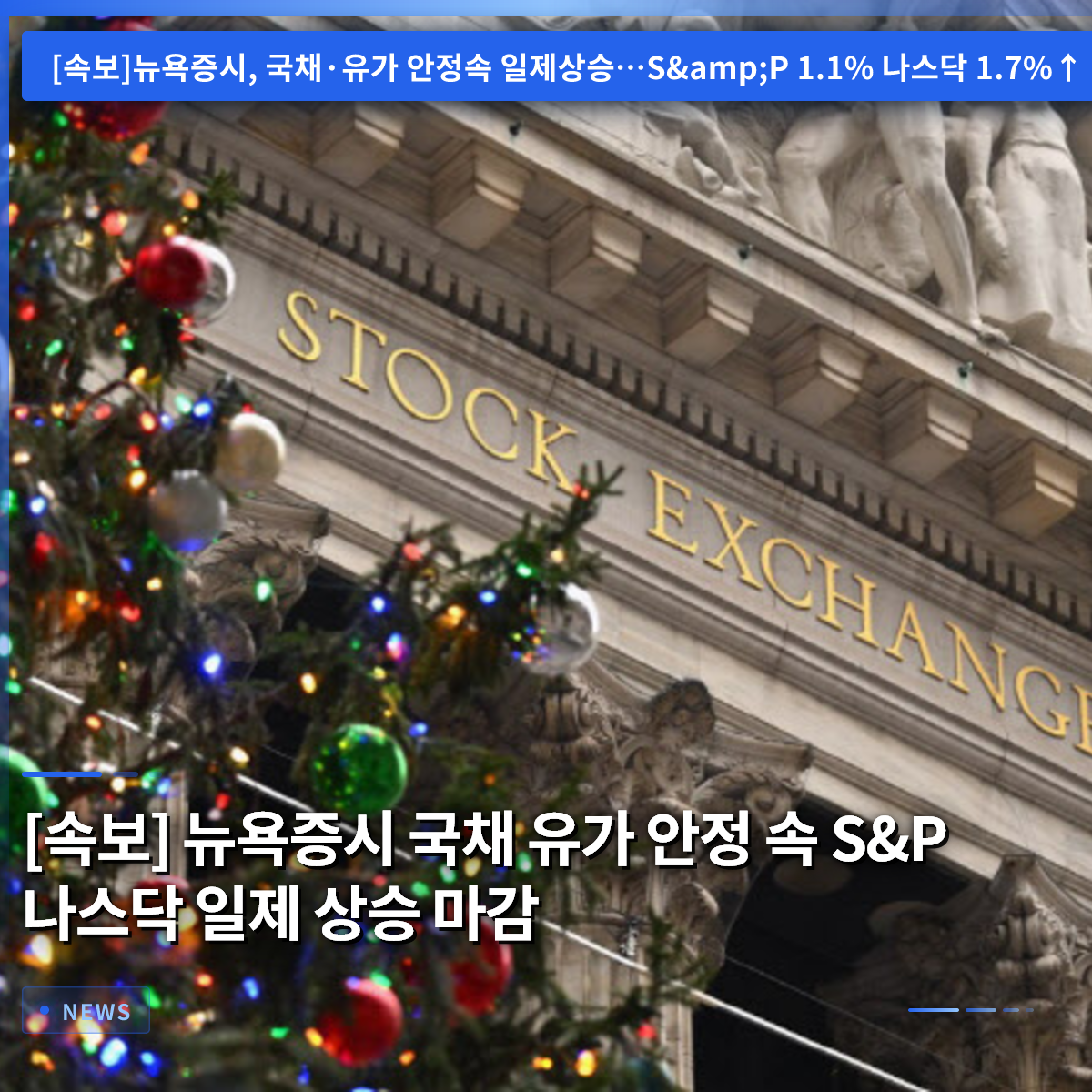
On September 17, 2026, major indices on the New York Stock Exchange closed in unison with gains, driven by the downward stabilization of Treasury yields and crude oil prices. On this day, the market witnessed a strong inflow of buying pressure as macroeconomic uncertainties that had previously weighed on investor sentiment eased somewhat. In particular, the tech-heavy Nasdaq index surged by 1.7 percent, while the S&P 500 index rose by 1.1 percent, demonstrating a solid rebound. Investors, who had been tightening their belts due to fears of interest rate hikes and inflationary pressure, began to increase their investments in risk assets, taking this period of stability as an opportunity. Many acquaintances had been worried about when the stock market would recover, making this news a welcome relief. In this article, we will carefully examine the specific background behind this rise in the New York stock market, the movements of key indicators, and future investment directions.
=
[Breaking] New York Stock Exchange: S&P 500 and Nasdaq Close in Unison Amid Stabilizing Treasury Yields and Oil Prices
![[Breaking] New York Stock Exchange: S&P 500 and Nasdaq Close in Unison Amid Stabilizing Treasury Yields and Oil Prices](https://pub-e310bf4303744c7295d9b556111ff394.r2.dev/thumbnails/1789676574447_6ucfbf.png "[Breaking] New York Stock Exchange: S&P 500 and Nasdaq Close in Unison Amid Stabilizing Treasury Yields and Oil Prices")
1. Background of the Broad Rise in Major New York Stock Exchange Indices
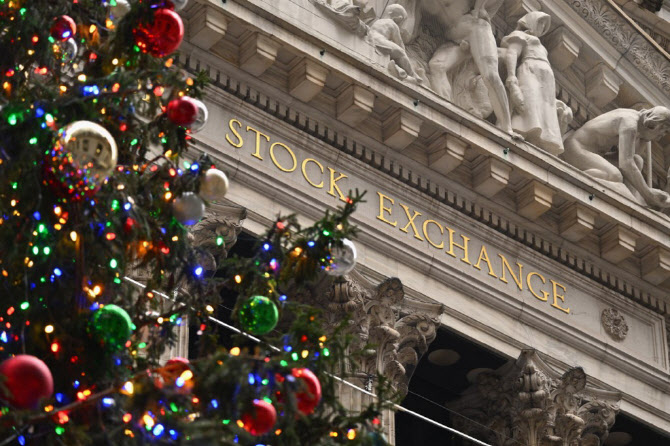
The decisive background behind the New York stock market’s recent successful rebound is that key macroeconomic indicators that had been pressuring the market have found stability. Treasury yields and international oil prices, which had been the biggest sources of anxiety for stock market participants, have finally entered a downward stabilization trend. Market experts have consistently warned that every time interest rates and oil prices spike, corporate financing costs increase and consumer sentiment contracts. However, on this trading day, as selling pressure in the bond market subsided and yields took a breather, investor sentiment recovered rapidly. Mr. Kim, an office worker, used to sigh every morning while checking the stock market screen on his commute, but this time he reported starting his day in a good mood, seeing the screen filled with red upward arrows for the first time in a while. As the biggest macroeconomic uncertainty was resolved, strong buying pressure flowed in, centered on stocks that had previously seen significant declines. As a result, the S&P 500 index rose by 1.1 percent, and the Nasdaq index surged by a remarkable 1.7 percent. This indicates that the market is not just experiencing a fleeting rebound but that the foundation of buying pressure is being solidly established. Of course, it is still too early to hastily conclude that the entire stock market is completely safe based on a single day’s rise. However, a sense of relief that the worst has passed is spreading among investors, creating a positive atmosphere that builds anticipation for the next trading day. Just as we see dark clouds clearing before the weather turns clear, this stock market trend can be read as a signal that the market’s fundamental health is gradually improving. How long this stability in macroeconomic indicators will last will be the most important key in determining future stock price trends.
The downward stabilization of Treasury yields and oil prices stimulated investor sentiment, driving the major indices of the New York Stock Exchange up in tandem.
2. The Surge of the S&P 500 and Nasdaq
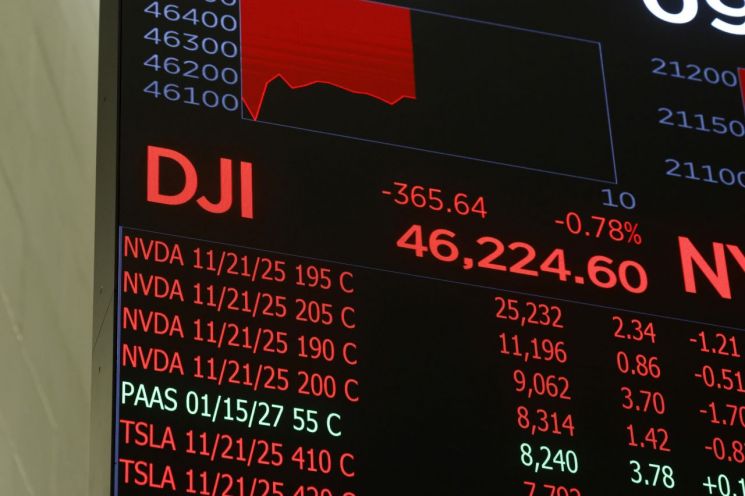
The Nasdaq index, which includes tech and large-cap stocks, surged by 1.7 percent, possessing enough explosive power to inject vitality into the entire market. Growth stocks, which had been hit directly by the fear of interest rate hikes, drew the steepest upward curve in this rebound market. Acquaintances who hold stocks related to artificial intelligence or semiconductors have often confessed that they were too scared to even open their account statements for the past few months. However, thanks to the Nasdaq’s strong rebound on this day, they were able to recover a significant portion of their losses and smile again. The S&P 500 index also rose by 1.1 percent, firmly supporting the overall upward trend of the market. The significance of this market session is distinct because it was not just a few specific stocks that flashed upward, but rather the high-quality companies comprising the indices rose evenly. This simultaneous rise in major indices is becoming a precious opportunity to instill confidence in the market again for individual investors. It was especially welcome news, coming at a time when people around me were worrying about whether they should sell all their stocks and leave. Mr. Park, who works for a large corporation, stated that thanks to this stock price rise, he has started to seriously consider adjusting his financial portfolio, which he had been putting off. Of course, since the stock market always carries volatility, it is strictly forbidden to get carried away by a one-day surge and engage in reckless investing. However, what is certain is that the market’s direction has started to turn from downward to upward, which is clearly an opportunity for investors. We need the wisdom to closely observe whether upcoming corporate earnings reports and additional economic indicators will sustain this upward momentum.
The 1.7 percent rise in the Nasdaq and the 1.1 percent rise in the S&P 500 are the result of buying pressure flowing in, centered on growth stocks.
3. The Significance of Stability in Treasury Yields and International Oil Prices
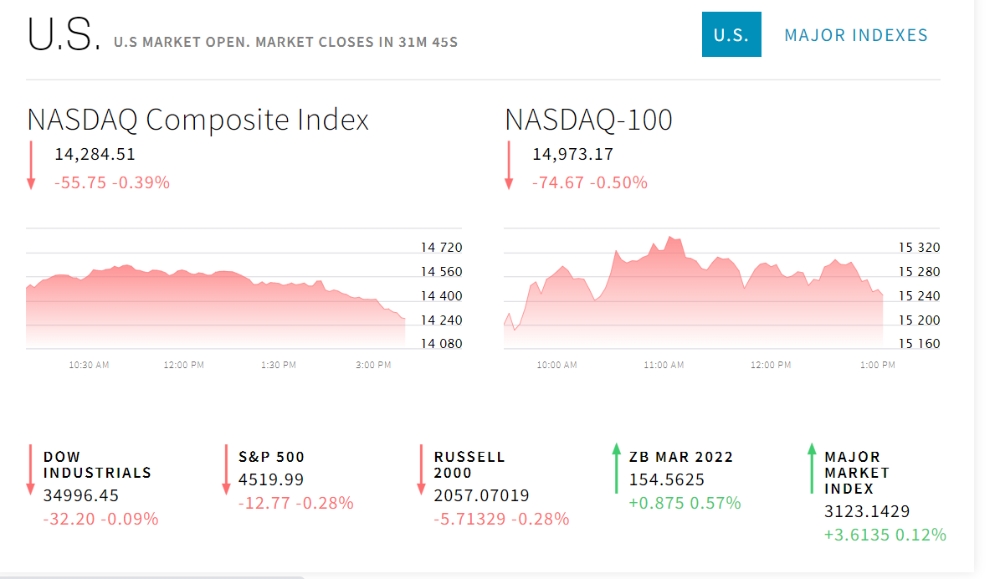
If we were to name the top contributor to this rise in the New York stock market, it would undoubtedly be the calming of volatility in Treasury yields and international oil prices. For the past few weeks, as bond market rates fluctuated wildly, companies faced a very difficult environment for borrowing money to build factories or conduct R&D. Additionally, whenever international oil prices showed instability, the market was dominated by the fear that inflation could spike again. However, on this trading day, as buying pressure flowed into bonds, yields stopped at a stable level, and oil prices showed a downward stabilization trend. Mrs. Lee, a housewife who usually worried about grocery prices due to inflation, finally let out a sigh of relief after seeing news that gas prices and interest rates had found stability. As the two giant pillars of the macroeconomy—interest rates and oil prices—took a breather, the small gear of the stock market finally began to turn smoothly. Economic experts analyze that if these two indicators can maintain their current stability, the stock market will have a platform to leap to the next level. Conversely, since the possibility of sudden variables causing interest rates to spike again cannot be ruled out, complacency is strictly forbidden. Investors must now cultivate the insight to look not only at stock price charts but also at bond market trends and the movements of oil-producing countries. Mr. Jung, a self-employed business owner, said that checking exchange rate and interest rate news daily has become part of his routine while managing his shop’s operating funds. Our daily economy is closely linked to the subtle movements of the New York stock market and the giant waves of Treasuries and oil. Many market participants earnestly hope that this stability will not be a temporary phenomenon but will settle into a long-term trend.
The stability of Treasury yields and oil prices has alleviated corporate financial burdens, serving as a sturdy support for the stock market’s rise.
4. Global Exchange Rates and Trends in Neighboring Stock Markets

Despite the tailwind in the New York stock market, major Asian currencies and neighboring financial markets have not yet fully escaped the aftermath of the US’s past interest rate hikes. On this day, the won-dollar exchange rate closed higher, and Asian currencies generally showed a weak trend, maintaining tension. This means that the butterfly effect of the steep interest rate hikes implemented by the US in the past still leaves traces throughout the global financial market. The Hong Kong stock market also showed a contrasting picture, closing lower as concerns over additional interest rate hikes by the US central bank resurfaced. Mr. Choi, an office worker preparing for a trip abroad, expressed regret, saying he would have to re-budget his travel expenses after hearing that the exchange rate had risen again. Thus, while the US domestic stock market is beaming, investors in the Asian region across the ocean are facing the double burden of worrying about exchange rates and currency depreciation. Nevertheless, a distinct regional differentiation is emerging, with the Taiwan stock market rising for the second consecutive day, driven by buying pressure in semiconductor-related stocks. It is not that all countries’ stock markets move in the same way; rather, fortunes are sharply divided depending on each country’s industrial structure and supply-demand situation. The domestic KOSPI and KOSDAQ also showed slight mixed trends, but attention is focused on how the tailwind from the New York stock market will impact the next trading day. When talking with people around me, many are curious about when the domestic stock market will break out of its box range and rise sharply. Given that the global economy is closely intertwined, we hope that the positive momentum from the New York stock market will cross the Pacific and be fully transmitted to the domestic market. Although we carry the homework of exchange rate instability and currency weakness, the solid trend of the New York stock market will certainly be a positive stimulus for our market.
Despite the rise in the New York stock market, the global market still showed mixed trends, including weak Asian currencies and rising exchange rates.
5. Impact on Domestic Financial Markets and the Stock Market
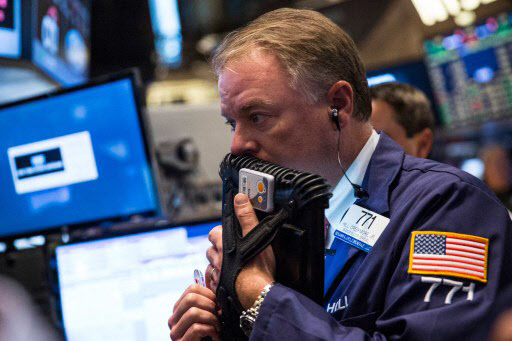
The recent broad rise in the US New York stock market is bringing about significant changes in the sentiment of investors watching the domestic KOSPI and KOSDAQ markets. Recently, the domestic stock market had been continuing a frustrating sideways trend, fluctuating slightly without finding a clear direction. In office worker communities and stock investment groups, voices of lamentation continued over when the KOSPI would finally break through its previous highs. However, the news of the Nasdaq’s 1.7 percent surge from New York is serving as a sufficient spark to thaw the frozen investment sentiment of domestic investors. In particular, those investing in large-cap tech stocks and the semiconductor sector are anxiously waiting for the domestic opening prices the next day, unable to hide their expectations. Domestic experts also analyze that the fact that Treasuries and oil have found stability in the New York stock market creates a very favorable environment for the inflow of foreign investment funds. This is because there is a clear tendency for the stock markets of export-driven countries like Korea to quickly benefit when global funds switch to a risk-on mode. Of course, since internal variables such as domestic political issues or changes in the real estate market cannot be ignored, premature optimism should be guarded against. Nevertheless, the fact that the external environment has become positive is like a long-awaited rain for domestic investors. Even acquaintances who had left their stock accounts neglected are starting to analyze stocks again after hearing the news of the New York stock market, bringing vitality to the market. I sincerely hope that through this opportunity, the domestic stock market can escape its boring sideways trend and start a powerful rebound.
The tailwind from the New York stock market is expected to stimulate domestic stock market sentiment and provide a positive environment for foreign capital inflows.
6. Future Outlook and Response Strategies for Successful Investing

Just because the New York stock market has made a brilliant rebound amid stable Treasuries and oil prices does not mean it is safe to blindly pour all assets into stocks. The stock market is like a living organism where unexpected variables can suddenly pop up, making thorough risk management essential. It is not difficult to witness people around us who recklessly took on debt to invest, driven by emotion, and ended up in trouble. Therefore, taking this rising market as an opportunity, one should calmly check whether their investment portfolio is too skewed in one direction. We need the wisdom to take diversification as a principle, maintain an appropriate cash ratio, and observe the market’s trends from a step back. We must not forget that the stock market can fluctuate at any time in the coming week, depending on the release of major economic indicators and statements by central bank governors. Rather than being elated or depressed by short-term stock price fluctuations, the safest approach is to focus on high-quality stocks with solid fundamental value and robust financial structures. Mr. Kim, an office worker, resolved to stick to dollar-cost averaging of high-quality stocks rather than unconditional chasing of the rally, taking this New York stock market rise as a turning point. To protect our valuable assets in daily life, we must have our own clear investment philosophy that is not swayed by others’ words. I hope that this rebound in the New York stock market will not end as a one-off incident but will serve as the prelude to a solid upward rally, and I wish you a wise investment life.
In highly volatile markets, one should refrain from reckless chasing of rallies and establish a strategy centered on thorough diversification and high-quality stocks.
Frequently Asked Questions
=