For those looking to secure stable retirement funds, pension savings insurance has recently emerged as an attractive option again. As volatility in the stock market increases, more people are actively seeking products that guarantee the principal. In the past, products with the highest returns were always popular, but now many are turning their attention to options that safely protect their principal while also offering tax benefits. I still remember the times when, every year during the tax settlement season, I would rack my brains over which products to join to avoid a tax bomb. In this article, we will carefully examine the practical pros and cons of pension savings insurance, which is currently a hot topic in the financial market, along with the key factors you must check before signing up. Instead of using complex financial jargon, I will explain everything in a comfortable way, as if I were talking to a friend, so please take your time and read through to the end.
=
Comparative Analysis of Guaranteed Interest Rates and Tax Deduction Benefits in Pension Savings Insurance
1. The Return of Products with Guaranteed Interest Rates in the 4% Range
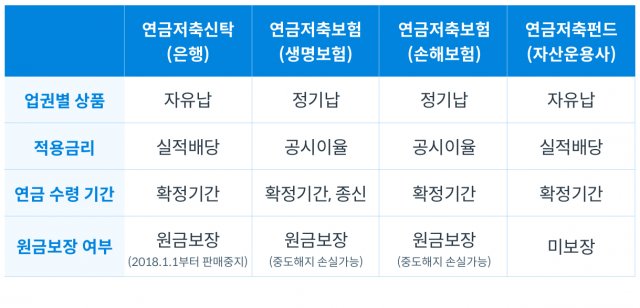
Recently, life insurance companies have been drawing significant market attention with savings and pension products offering guaranteed annual interest rates in the 4% range. As risky assets like stocks and cryptocurrencies fluctuate wildly, investors who have suffered stress are flocking to insurance companies in search of stable returns. In a situation where bank deposit rates are fluctuating, the ability to guarantee a fixed interest rate for a long period provides great peace of mind for office workers. In fact, for subscribers who steadily accumulate a fixed amount every month, this is a significant advantage as it reduces concerns about falling interest rates. A friend who signed up for a pension product long ago mentioned that they only recently started receiving payments, realizing how much time had passed. Back then, diverse investment products were not as common as they are now, so deposits, savings accounts, and insurance were almost the only means of preparing for retirement. Nevertheless, they smiled, saying that by maintaining it consistently, they were able to lay a solid foundation for their retirement funds. As such, the appeal of a guaranteed interest rate that remains unshaken shines even brighter during times of high volatility. If you want to manage a lump sum of money stably, it is wise to closely observe these market trends.
In the recent volatile financial market, pension savings insurance offering guaranteed annual interest rates in the 4% range is once again gaining attention as a stable means of preparing for retirement.
2. Understanding the Difference Between Tax Deductions and Tax Exemptions

When discussing pension savings insurance, the most confusing part is often the difference between tax deduction benefits and tax exemption benefits. General pension insurance focuses on the tax exemption benefit, which means no tax is charged on the interest generated over a long holding period. On the other hand, pension savings insurance has a powerful weapon: it allows you to receive a tax deduction during your annual tax settlement based on a certain percentage of the amount paid in each year. This tax deduction benefit is the decisive reason why office workers join pension savings products to protect their “13th-month salary” every year. However, you must keep in mind that it is not uncommon to end up in a difficult situation later if you sign up solely for the tax benefits without considering other factors. When you eventually receive the pension, pension income tax will be imposed, so you need to analyze the overall tax structure comprehensively. If you terminate the contract midway, you will not only have to return the tax deduction benefits you have received so far but may also be subject to miscellaneous income tax. Therefore, you should carefully review your income level and future financial plans before deciding on the monthly payment amount. Rather than blindly signing up just because people around you say it’s good, you should first calculate how much you can actually get refunded based on your income bracket.
Pension savings insurance offers tax deduction benefits on annual payments, but since pension income tax is imposed upon receipt, you must have a comprehensive financial plan.
3. Comparing Returns with Pension Savings Funds
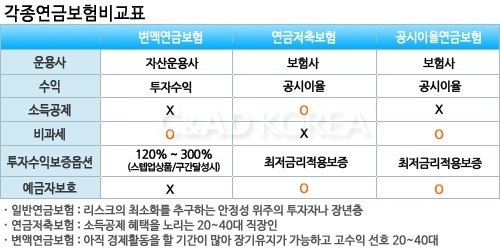
Many people find themselves deeply torn over which product to choose between pension savings insurance and pension savings funds. According to recent data from financial research institutes, there is a significant gap between the returns of pension savings funds (or those centered on Exchange-Traded Funds) and those of pension savings insurance. People with an aggressive investment style tend to clearly pursue high returns by directly investing in equity-based assets through funds. On the other hand, stability-seeking subscribers who strongly dislike the risk of losing their principal prefer insurance products, even if it means bearing fees and administrative costs. Among my acquaintances, friends who have made big profits in the stock market actively recommend funds, while friends who want to sleep soundly at night tend to choose insurance. The biggest weapon of pension savings insurance is the psychological comfort of guaranteed principal and interest, but it is also evaluated as having limited long-term asset growth potential when inflation is taken into account. Conversely, funds carry the risk of principal loss depending on market conditions, requiring continuous attention and management effort from the subscriber. Ultimately, there is no single right answer; you must choose the path that suits your investment style and the time remaining until your retirement.
Pension savings insurance’s strength is the stability of guaranteed principal and interest, but if you seek aggressive returns, you must carefully compare the differences with fund products.
4. Hidden Costs You Must Check Before Signing Up
A hidden obstacle to watch out for when signing up for pension savings insurance is the system of administrative costs and various fees. Since a significant portion of the insurance premiums paid monthly is deducted as administrative costs before the remainder is accumulated, the surrender value feels extremely low in the early stages. This is why, if you need money urgently and try to cancel the contract a few years after signing, you may find that the amount returned is far less than your principal, leaving you regretting your decision. It is a structure where you must maintain the contract consistently for a very long period, such as 10 years or more, to recover your principal and enjoy the actual benefits. If you read the financial product prospectus carefully, it details how administrative costs are charged, but few people take the time to read the fine print. To avoid hitting a penalty bomb for early termination after trusting the agent’s words, you must check the expected surrender value yourself. If you lose your job or your income is cut off midway, making it difficult to pay premiums, you need the wisdom to utilize premium suspension or reduction systems. Unconditionally canceling the contract is the most damaging action, so it is better to learn in advance about ways to maintain the contract and get through the crisis.
Pension savings insurance has a high initial administrative cost deduction rate, so canceling it in the short term can result in significant losses; it should be signed up with a plan to hold it for 10 years or more.
5. Reviewing Depositor Protection and Safety
Since you are entrusting your valuable retirement funds, it is an essential procedure to check whether your money will be protected even if the financial institution goes bankrupt. According to the Enforcement Decree of the Depositor Protection Act in South Korea, general deposits, retirement pensions, pension savings, and general insurance products are each protected up to 100 million won separately. In other words, it means that pension savings products with insurance companies have an independent safety mechanism that works separately from deposits and savings accounts in banks. Thanks to these institutional mechanisms, the phenomenon of funds flowing into products sold by major insurance companies has become even more pronounced. Since the generation of our parents, there has been a strong perception that insurance is the most reliable last resort, so people rely on it even when a major crisis hits. In fact, even when economic crises struck and surrounding companies wobbled, major life insurance companies firmly maintained their positions and paid the promised pensions on time. Of course, the state does not take perfect responsibility for everything, but you can be reassured within the protection limits set by law. When formulating a strategy to safely diversify and deposit your assets, knowing these protection limit criteria will be of great help.
Pension savings insurance is subject to an independent protection limit under the Depositor Protection Act, separate from general deposits, allowing for the safe protection of retirement funds.
6. The Final Gate of Retirement Preparation: A Wise Choice
In conclusion, pension savings insurance is a suitable tool for those who aim to secure a stable cash flow for retirement rather than chasing flashy investment returns. If you want to fully enjoy tax deduction benefits while escaping the fear of principal loss, it is difficult to find a better alternative. No matter how the future economic environment changes, a fixed income deposited into your account every month after retirement will serve as a major pillar of support for your life. Rather than being dazzled by immediate returns, you should calmly envision your daily life 10 or 20 years from now and choose your products accordingly. It is most important to build a portfolio that fits your financial situation without being swayed by sweet rumors from around you. Starting today, I hope you will open your household ledger to see how much you can save each month and consult with an expert. As the saying goes, “The time you think is too late is the fastest time,” so if you start preparing step by step from this moment, our retirement will be much more abundant. I sincerely hope that by comparing carefully and signing up wisely, you will reach the day when you can start receiving your pension with a smile.
Pension savings insurance can be the most reliable means of retirement preparation for those who desire stable cash flow and tax deductions rather than flashy returns.
Frequently Asked Questions
=