The recent movements of the KOSPI 200 index vividly demonstrate the importance of thorough supply and demand analysis and market phase diagnosis amidst frequent volatility. Over the past few years, our stock market has experienced both sharp rises and sudden corrections, demanding new approaches from investors. In fact, since the index has remained at a certain level since mid-year, many of you are likely deeply considering asset allocation. You have probably all wondered why the stocks in your portfolio sometimes move differently from the overall market trend. In this article, we will specifically examine everything from the core concepts of the index to recent supply and demand characteristics in the derivatives market. We hope you will gain practical knowledge necessary to navigate the upcoming market conditions.
=
Comprehensive Analysis of KOSPI 200 Index Trends and Investment Strategies
1. Definition of the KOSPI 200 Index and Characteristics of Constituent Stocks
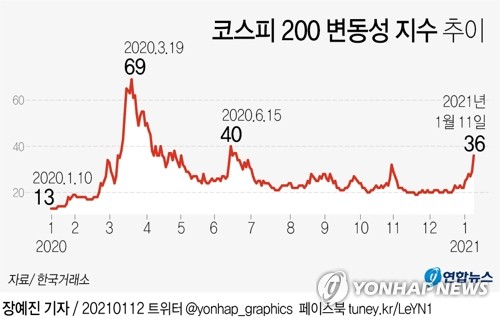
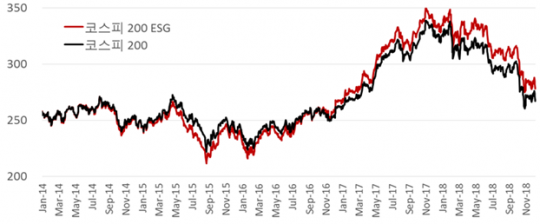
The KOSPI 200 index is a core benchmark indicator that provides a clear view of the stock price movements of 200 leading companies representing the Korean stock market. Calculated by the Korea Exchange by carefully selecting companies with excellent liquidity and market capitalization from the entire KOSPI market, it serves as a gauge for the overall health of the market. For instance, the reason why the entire index fluctuates significantly when the stock prices of large semiconductor companies like Samsung Electronics or SK Hynix rise or fall lies here. Because it is calculated using a market capitalization-weighted method, the impact of large-cap companies on the index is very powerful. Therefore, it is essential to develop the habit of checking the overall direction of this index even when investing in individual stocks. Most of the derivative products and exchange-traded funds (ETFs) we commonly encounter use this index as their underlying asset.
In fact, the index’s influence is so significant that even a 1% daily fluctuation can drastically change the fortunes of investors in related derivatives or ETFs. Since the criteria for stock selection are regularly updated annually, identifying companies that are newly included or excluded is also important investment information. Although there are criticisms that it is overly concentrated in specific sectors, it remains the most trusted representative index for domestic and international large capital. When forecasting the market for next year or the year after, the earnings forecasts of these 200 companies are often the first to be cited. Ultimately, if you want to feel the pulse of our capital market, you must start by checking the movements of this index every day.
The KOSPI 200 is a core indicator calculated based on the market capitalization of 200 leading companies representing the domestic stock market.
2. Response Strategies for Different Market Phases Using Artificial Intelligence

With the recent advancement of artificial intelligence technology, solutions that automatically diagnose market bull and bear phases and adjust asset weights are gaining attention. AI algorithms analyze information on this index and various sector-specific ETFs in real-time to determine the current market phase. If the market is judged to be in a bull phase, it increases the weight of leading sectors to maximize returns, while in a bear phase, it increases the bond weight to enhance defensiveness. In our busy daily lives where it is difficult to directly check charts and switch stocks every day, such AI solutions can be an excellent alternative. In reality, many investors repeatedly make the mistake of buying at the top and selling at the bottom due to emotions, but automated systems help reduce these errors.
This AI-based investment approach shines particularly in highly volatile markets, showing an effect of limiting loss magnitude. Because it processes methods previously analyzed manually by experts quickly on a data basis, it can respond to market changes one step ahead. For example, when the index shows a gradual decline, the system automatically increases the weight of safe assets, allowing asset value to be protected relatively safely. It is expected that more individual investors will utilize these AI asset allocation tools in the future to practice efficient wealth management. A strategy that moves based strictly on indicators and numbers, excluding emotions, is the key to surviving in long-term investing.
AI solutions diagnose market phases based on index data and automatically adjust sector and bond weights.
3. Derivatives Market Supply and Demand Analysis and the Significance of the Futures Market
Even when selling pressure from foreign or institutional investors continues strongly in the stock market cash segment, examining the supply and demand in the futures market can provide unique investment clues. While foreign investors may sell a large amount of cash stocks over several days, the index futures market often records large net purchases. This phenomenon is often interpreted not as a simple bet on stock price declines, but as part of arbitrage trading or complex derivative strategies. For example, when executing a hedging strategy of selling cash stocks while simultaneously buying futures, the price movement of index futures plays a decisive role. Although this may seem somewhat complex to general individual investors, it serves as a window to glimpse what the market’s big players are thinking.
When entering futures contracts, a significant level of margin is required, so without thorough fund management, one can face significant risks. For example, you must know in advance the required contract amount and margin calculation method when the index reaches a specific point to prevent unexpected forced liquidation. Tracking the changes in derivative contract balances of institutions and foreigners daily is a very useful method for reading the short-term direction of the market. Rather than just chasing the ups and downs of the cash index, one must cultivate the eye to analyze changes in open interest and trading volume in the futures market. The moment you grasp where the hidden tug-of-war in the market is taking place, your investment perspective broadens significantly.
Analyzing supply and demand changes in the index futures market, even amidst selling pressure in the cash market, allows you to grasp the intentions of institutions and foreigners.
4. Preparation for Bear Markets and How to Use Inverse Products
When the index undergoes a correction or enters a downtrend, one considers using exchange-traded funds (ETFs) that bet on the decline as a way to protect assets. These inverse products are designed to track the daily return of the underlying index in reverse, generating profits when the index falls. If you anticipate further declines in a section where the index has dropped significantly compared to the first half of the year, they can serve as a means to diversify portfolio risk. However, it should be noted that holding these products long-term can lead to a divergence between the actual index decline rate and the return rate due to the compounding effect. For example, if the index fluctuates up and down, a phenomenon where the principal erodes regardless of direction may occur, so one should focus on short-term responses.
In reality, it is common to see many investors around us suffer losses by recklessly investing in inverse products to recover losses in a bear market. Therefore, even if you judge that the index has entered a bear phase, the wisdom to manage risk by utilizing only a small portion of total assets is necessary. Additionally, strategies that combine these with products like covered calls that pay steady dividends to mitigate the impact of bear markets are receiving much attention recently. In a situation where it is unknown when the market will rebound, it is better to mix defensive products that suit your investment style rather than just holding on blindly. You must remember that those who protect their assets even in a crisis will ultimately fully enjoy the fruits of the next bull market.
Inverse products that track declines serve as a defensive means when the index falls, but one should approach them short-term, being mindful of the compounding effect.
5. Combination Strategies of Dividends and Index-Linked Products
When the index is stuck in a box range showing a dull trend, product combinations that aim for both capital gains and dividend income become popular. This involves holding covered call-style products that pay regular monthly dividends while maintaining expectations for index growth. For example, mixing index-tracking ETFs that are diversified into representative index stocks with high-dividend products at appropriate ratios can create a stable cash flow. The major advantage is that you can reinvest or use the steadily incoming dividends as living expenses, even if stock prices do not rise significantly. The more frustrating the market conditions are, with uncertainty about when the stock market will shine, the more such cash-generating combinations provide peace of mind.
In fact, for investors approaching retirement or employees who need stable monthly income, such dividend-linked combinations have become an essential asset management method. It is about building an active portfolio that earns regular monthly returns, moving away from passive investing that simply waits for the index to rise. However, it should be considered that some high-dividend products utilizing derivative structures may have limited upside when the index surges. You must clearly distinguish whether your investment goal is short-term capital gains or long-term cash flow generation before selecting products. You must carefully compare market trends with your financial situation to find the combination that allows you to sleep the most peacefully.
Combining index-linked products with dividend-focused products allows you to secure a stable cash flow even in a dull box-range market.
6. Future Stock Market Outlook and the Attitude of a Wise Investor
The domestic stock market is highly likely to fluctuate ceaselessly in the future according to domestic and international economic indicators and global interest rate changes. Complex external variables, such as the movement of US Treasury yields or fluctuations in international oil prices, could hold back our index. However, if the solid performance of core leading companies, including the semiconductor industry, provides strong support, there will be opportunities for a rebound at any time. What is important is the attitude of adhering to thorough data and one’s own investment principles rather than being swayed by others’ words and engaging in herd buying and selling. It is time to break the vicious cycle of chasing buying when hearing that stock prices are rising and then getting stuck.
When the market falls, one needs the flexibility to calmly accumulate quality assets as an opportunity, and when it rises, to restrain greed and realize profits. Actively studying and utilizing modern tools such as AI solutions and various index-linked products is also very helpful. I encourage you to steadily build your own unshakable investment expertise amidst the numerous economic crises and opportunities you will face. The market is constantly changing even at this very moment, and only those who can read that change will ultimately smile. Based on the index-related knowledge learned today, please check your account starting tomorrow and formulate a better strategy.
To succeed in the long term, one must respond flexibly by adhering to strict principles and utilizing modern tools, even amidst external variables.
Frequently Asked Questions
=