European stock markets have successfully rebounded, halting a two-day losing streak, thanks to the recent easing of the rise in international oil prices and the slowdown in US Treasury yields. Since hitting an all-time high in August, index values had been significantly eroded by inflationary pressures from rising energy prices, making this rebound a source of relief for investors. Indeed, the pan-European Stoxx 600 index showed an upward trend from the opening of London trading, partially alleviating risk-averse sentiment. Major markets in the UK, France, and Germany also recorded gains across the board, helping to lower market tension. In today’s market, even a single economic indicator can cause significant volatility, much like the price of a daily cup of coffee. In this article, we will closely examine the specific background of the European market rebound and the trends of major indices. We will also carefully look at the shifting landscape of the luxury goods market and future investment directions.
=
European Market Rebound, Key Economic Trends, and Investment Strategy Summary
1. The Spark Behind the European Market Rebound
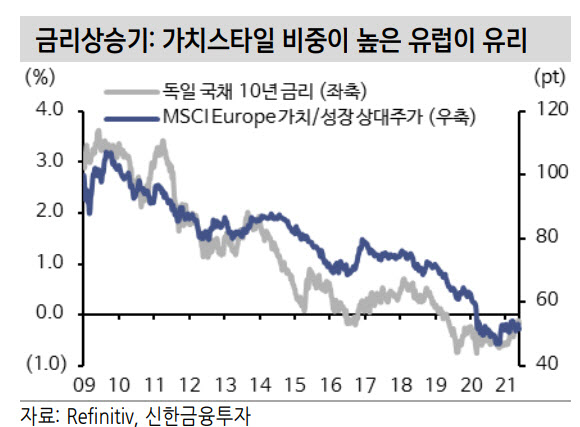
The primary reason European stocks were able to halt their recent steep decline and rebound is the pause in oil prices and interest rates. Over the past few months, rising energy prices fueled general inflationary concerns, which, combined with worries about corporate growth, led to intense selling pressure. During this period, the Relative Strength Index (RSI), which indicates the market’s oversold status, fully reflected investors’ anxiety. Fortunately, Saudi Arabia’s proposal for alternative crude oil shipments via the Port of Oman eased supply concerns in the oil market. As a result, international oil prices retreated from their peak, and the rise in US bond yields slowed, bringing a sense of warmth to global stock markets as a whole. Much like a congested highway beginning to flow again, investors’ buying sentiment is gradually reviving.
Saudi Arabia’s proposal for alternative crude oil shipments became a decisive factor in quelling oil market instability. Geopolitical tensions in the Middle East have always been a trigger for energy price spikes, making this move akin to a timely rain for the market. With both oil prices and bond yields retreating from their highs, pressure on the European Central Bank’s monetary policy has also eased considerably. Investors are closely monitoring these indicator changes while focusing on risk management.
The stabilization of oil prices and bond yields served as the decisive driving force behind the European market rebound.
2. Simultaneous Rise in Major National Markets
From the opening of London trading, the pan-European Stoxx 600 index gained momentum, trading around the 636 level and showing positive signals. The Euro Stoxx 50 index, composed of 50 blue-chip stocks from 11 European countries, also recorded gains, marking a stable start. The UK’s FTSE 100 index, influenced by the pound’s movement, and France’s CAC 40 index both drew upward curves. Germany’s DAX index also delivered a positive report card, depicting a rare recovery in investment sentiment across Europe. Just as local shop sales fluctuate with the weather, European national markets are reacting sensitively to external economic variables.
This simultaneous rise in major national markets proves that the warmth is spreading across all of Europe, not limited to specific countries. While concerns about individual corporate earnings have not completely vanished, the stability of macroeconomic indicators is playing a crucial role in supporting the indices. Experts are cautiously observing whether this trend will be a short-term band-aid or a foundation for long-term growth. Market participants are analyzing index movements calmly, rather than getting overly excited, as they formulate their next response strategies.
Major European markets, including the Stoxx 600, UK, France, and Germany, all showed an upward trend.
3. Seismic Shifts in the Luxury Market
The changing status of luxury goods companies, once a symbol of the European stock market, is a prime example of the current structural transition in the market. LVMH, which had ridden the wave of the post-pandemic luxury consumption boom, has recently fallen out of the top 10 European companies by market capitalization. This is the first time since 2017, sending a shock to the market while also offering a fresh perspective. The shift in consumer trends, where practical consumption like lipstick is gaining attention over merely expensive luxury bags, has been fully reflected in stock prices. As capital previously concentrated in luxury goods disperses, it is significantly impacting stock price trends in other sectors.
The sluggishness of former market leaders has served as a wake-up call for investors regarding the importance of portfolio diversification. As the direction of consumer spending changes, companies are quickly revising their survival strategies. Companies focusing on solidifying their fundamentals rather than flashy external growth are emerging as new investment alternatives. This can be interpreted not just as a simple drop in stock prices, but as a process of the market’s constitution becoming healthier.
The market landscape is shifting as key companies that led the luxury consumption boom have fallen out of the top market capitalization rankings.
4. The Dual Nature of Inflation and Interest Rate Pressure
The European Central Bank’s continued rate-hiking stance remains a primary factor increasing corporate funding costs. With Middle Eastern instability and energy price volatility combining, inflationary pressure has not been fully resolved. Nevertheless, the recent slowdown in rising interest rates is a decisive element that is easing the burden on the stock market. It is a time when the wisdom to select high-quality companies that can survive in a high-interest-rate environment is needed more than ever. Much like a captain maintaining the balance of a ship while navigating high waves, investors must thoroughly manage risks.
As the high-interest-rate regime persists, highly leveraged and weak companies are gradually being weeded out. Conversely, companies with solid cash flows are using the crisis as an opportunity to expand their market share. It is essential to have a long-term perspective, investing based on the company’s own strength rather than reacting emotionally to market interest rate changes. One must cultivate the eye to distinguish truly valuable information from the multitude of indicators flowing through economic news.
Selective investment focused on high-quality companies with strong fundamentals is important amid continued interest rate hike pressure.
5. Global Economic Environment and Investor Posture
Although a sense of caution pervades global stock markets ahead of the US Federal Open Market Committee (FOMC) meeting, Europe is striving to find its own momentum. The fact that European markets have rebounded while the New York Stock Exchange shows mixed results is also evidence that the previous decline was excessive. Since markets always rise and fall like waves, maintaining a mental state that does not panic over temporary declines is crucial. As legendary investors have emphasized, the market is like a dog on a walk that follows its owner, eventually converging to intrinsic value. A strategy of calmly accumulating shares of valuable companies while others sell in fear is effective.
In times when diverse global news is pouring in, staying centered and adhering to one’s own investment principles determines success or failure. One must understand massive trends like Saudi oil shipments or ECB monetary policy without being shaken. Rather than engaging in herd buying and selling based on rumors, one should cultivate the habit of making cold judgments based on objective figures and indicators. Ultimately, one must not forget that investing is a proactive process of protecting one’s own assets, not just someone else’s story.
In a volatile global economic environment, investors need a posture that adheres to principles without being swept away.
6. Second Half Outlook and Wise Response Strategies
The future direction of European stock markets is expected to be determined by the pace of inflation slowdown and the extent of earnings improvement among major companies. The key is to closely observe changes in the consumer goods market, similar to the sluggishness in the luxury market, and find new growth drivers. Rather than unconditional chasing buys, one should employ a dollar-cost averaging strategy to diversify risk and enhance stability. The market is constantly evolving even at this moment, and new opportunities are continuously being created within it. Please practice calm and wise asset allocation so that today’s rebound leads to tomorrow’s certain returns.
In the world of investing, there are no definitive answers, but thorough preparation and learning serve as the most powerful weapons. One must cultivate the insight to draw the big picture without reacting emotionally to small rebounds in the European market. Do not be overwhelmed by complex economic news; believe in the value of the companies you have invested in and walk the path steadily. In hindsight, you will realize that today’s volatility was merely a passing shower. I sincerely encourage you to continue studying the market consistently and maintaining a wise investment lifestyle.
One must cope with second-half European market volatility through thorough dollar-cost averaging and a long-term perspective.
Frequently Asked Questions
=