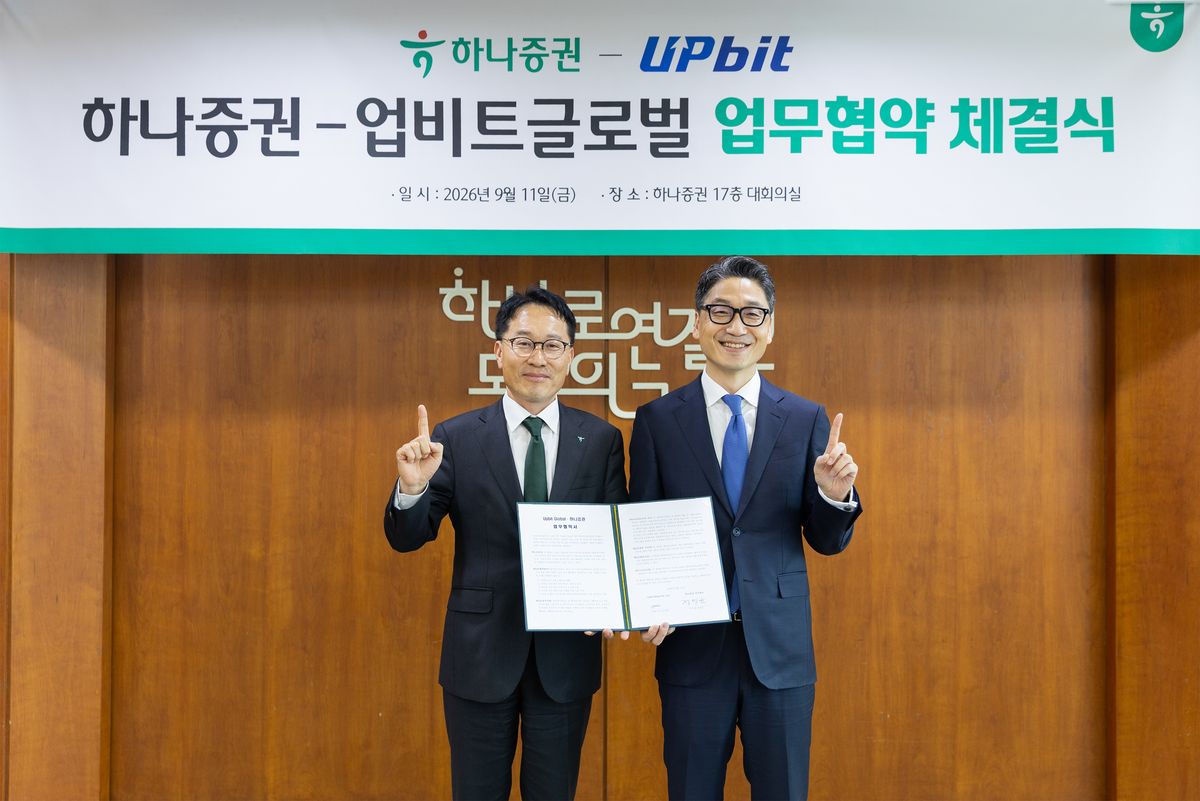
Hana Securities is moving swiftly to secure a leading position in the tokenized securities market, which is set to open fully next year, by partnering with Upbit Global. On the 11th, the two companies signed a memorandum of understanding at Hana Securities’ headquarters in Yeouido, Seoul, agreeing to combine their asset management and technological capabilities to uncover new business opportunities. This collaboration aims to lay the groundwork for issuing and trading traditional financial products, such as stocks and bonds, in token form. In the past, it was difficult for individuals to fractionally own real-world assets like real estate or fine art, but technological advancements have now opened the door for anyone to make fractional investments with small amounts of capital. The reason securities firms are joining forces with virtual asset exchanges is their assessment that this new form of asset market will soon become a massive source of capital. In this article, we will examine the changes this partnership will bring and the future trends in finance that we should pay attention to.
=
Hana Securities Partners with Upbit Global to Accelerate Tokenized Securities Market Entry
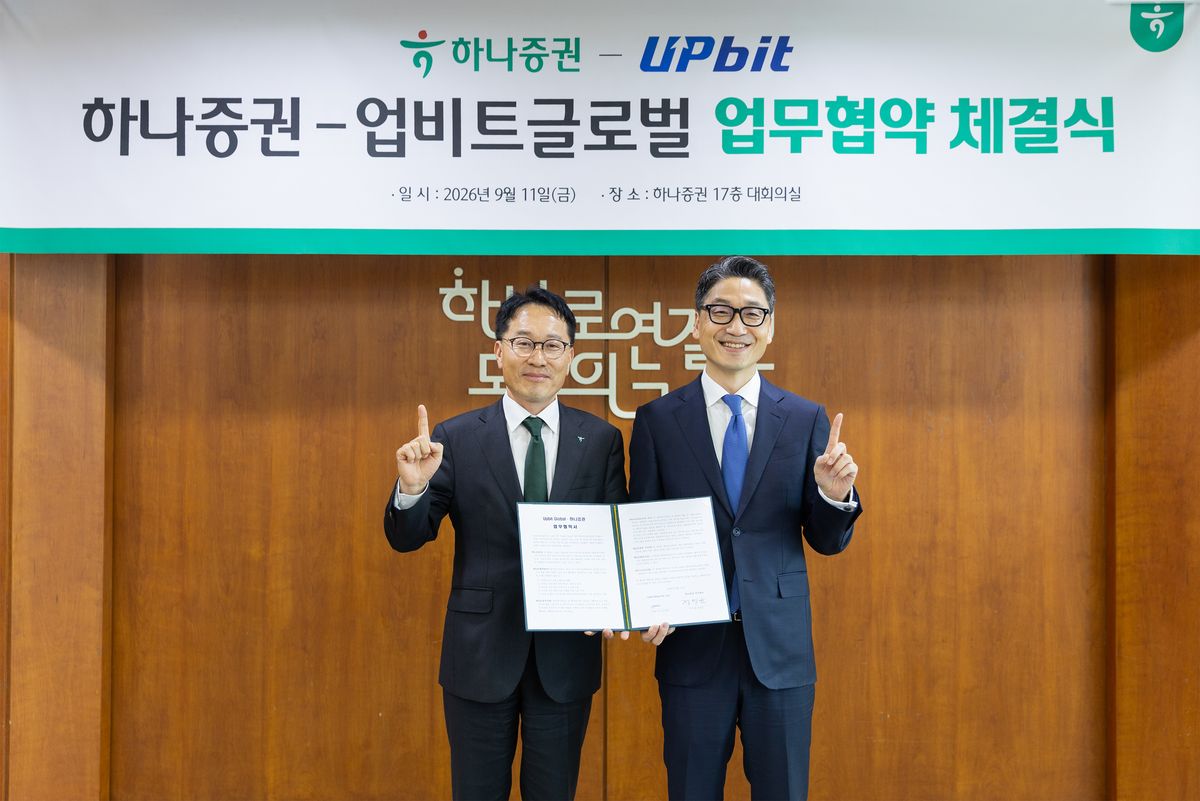
1. The Dawn of the Tokenized Securities Market and Hana Securities’ Strategy
The primary reason Hana Securities signed an agreement with Upbit Global is to gain a dominant position in the tokenized securities market opening next year. There has been a strong voice in the securities industry calling for early infrastructure development in preparation for the passage of bills related to real-world asset tokenization and the opening of the market. Through this collaboration, Hana Securities will be able to fully leverage its robust asset management experience and expertise accumulated in the traditional financial market. CEO Kang Sung-mok emphasized that the core objective is to establish the foundation for issuing and trading traditional financial products in token form at an early stage. This goes beyond simply launching new products; it aims to create an environment where investors can safely and conveniently access new forms of assets. As such, the phenomenon of securities firms forming alliances with virtual asset-related companies is expected to send massive ripples throughout the financial industry. Hana Securities aims to establish new asset forms in the market based on the trust and safety of traditional finance.
Hana Securities has partnered with Upbit Global to build early infrastructure ahead of the tokenized securities market opening next year.
2. Upbit Global’s Role and Singapore Network
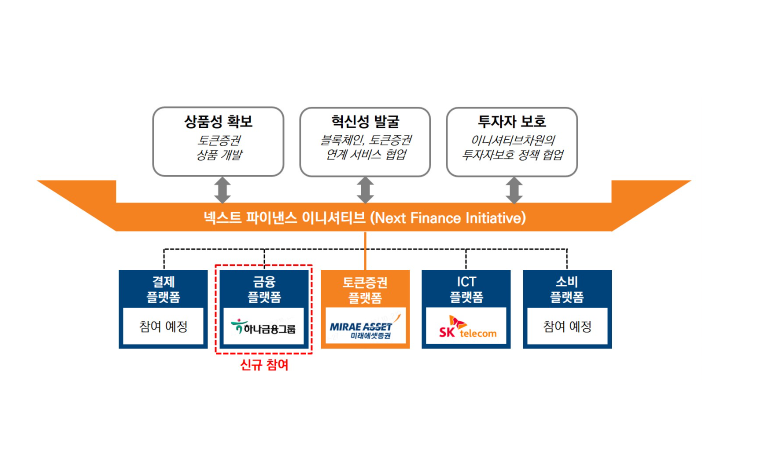
Another pillar of this collaboration, Upbit Global, is a Singapore-based holding company that oversees the overseas business of Upbit, a leading domestic virtual asset exchange. Having accumulated diverse asset management experience in overseas markets, it possesses cross-border technological capabilities and a broad network. The combination of Hana Securities’ know-how in the domestic financial market and Upbit Global’s technology is expected to generate significant synergy. For example, this partnership lays the groundwork for attracting not only domestic investors but also abundant capital from overseas. Since Singapore is already recognized as a hub for financial innovation, there is also the benefit of indirectly absorbing its advanced technology and systems. The meeting of these two companies is significant because it targets a global stage rather than being limited to the domestic market. The combination of cross-border technology and capital holds the potential to completely reshape the financial market landscape.
As a Singapore-based holding company overseeing overseas operations, Upbit Global seeks world-class technological collaboration with Hana Securities.
3. Specific Areas of Cooperation and Four Core Tasks
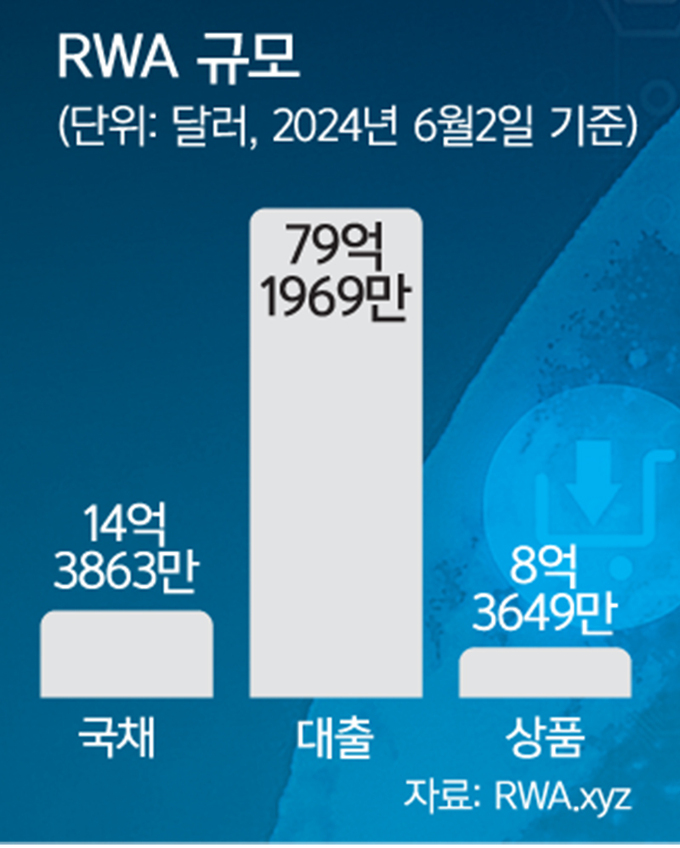
The main areas of cooperation agreed upon by the two companies are divided into four directions, with plans to proceed with specific execution steps. First, they will jointly develop new asset management business models to find practical revenue sources suitable for the market. Second, they will design and directly launch a variety of related products and services to help customers easily experience them. Third, they will robustly build the infrastructure and computer systems to support these efforts, enhancing the stability and trustworthiness of transactions. Fourth, the two companies have agreed to jointly invest to lay the foundation for long-term sustainable growth. This multi-faceted cooperation is likely to materialize into actual business models and take root in the market, rather than remaining a one-time event. From the investors’ perspective, opportunities to encounter more diverse and innovative financial products will gradually increase. These systematic four tasks will serve as the driving force for the two companies to produce substantial results beyond mere cooperation.
The two companies will closely cooperate in four core areas: developing management models, designing products, building infrastructure, and joint investment.
4. Changes Brought by the Meeting of Traditional Finance and Virtual Assets
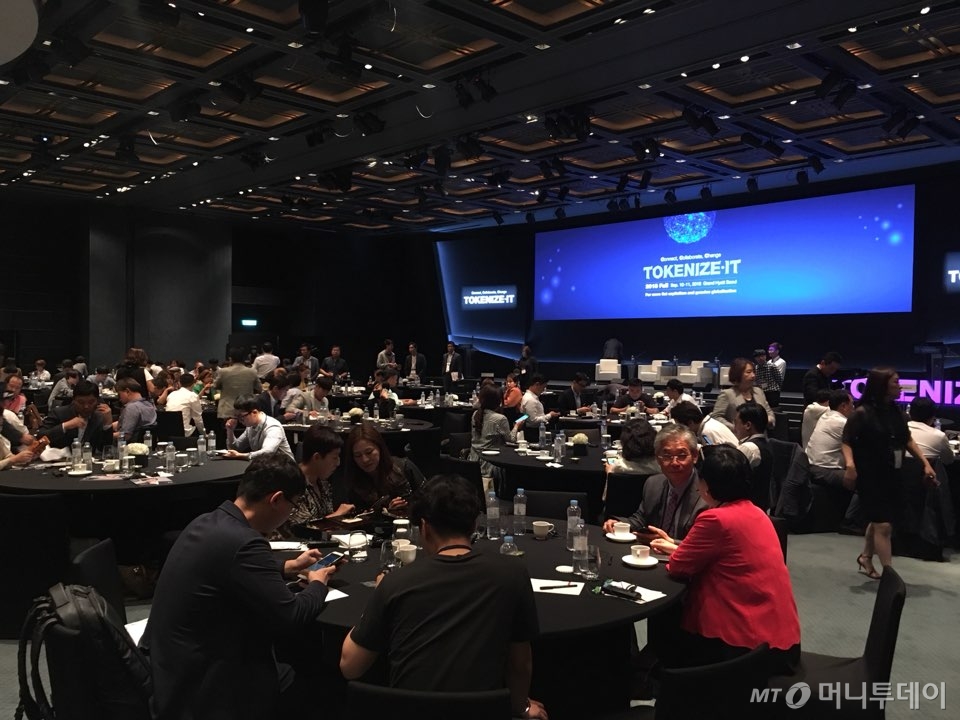
In the past, securities firms and the virtual asset industry walked separate paths in different domains, but recently, these boundaries are rapidly dissolving. There is a noticeable increase in cases where regulated financial institutions, such as banks and securities firms, are partnering with virtual asset-related companies. This is part of a massive trend aimed at helping customers invest in new assets in a more convenient and secure manner. For example, it will become easy to buy and sell fractions of various values, not just stocks and bonds, but also fine art and copyrights. These changes provide younger generations of investors with a familiar and attractive investment experience, injecting vitality into the entire market. It is where the strict regulatory compliance capabilities of traditional finance meet the rapid technology adoption speed of the virtual asset industry to achieve the best balance. To survive in a borderless financial market, all financial institutions are staking everything on building new asset ecosystems.
The active convergence of traditional finance and the virtual asset industry is rapidly completing a new ecosystem for asset trading.
5. Tangible Benefits for Investors
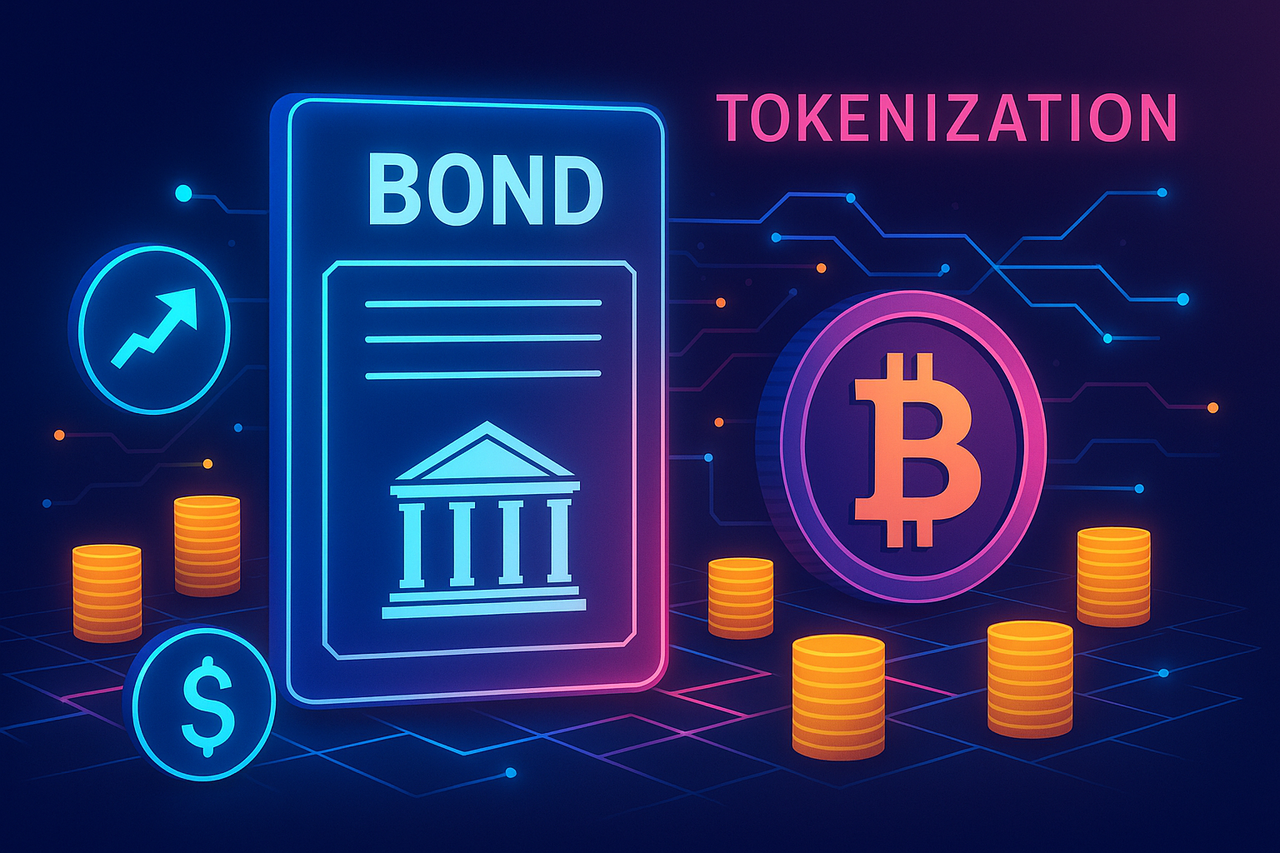
So, how will these massive changes concretely affect the daily lives of ordinary investors like us? The first tangible benefit is that the range of investment options will expand significantly. In the past, it took hundreds of millions of won to buy large buildings or high-value fine art, but now these can be owned in fractions of just a few thousand won. Just as anyone can easily trade stocks via smartphone apps, an era is dawning where new forms of fractional investment products can be easily bought and sold. Because blockchain technology is applied in the transaction process, records remain transparent, and the risk of forgery or tampering is greatly reduced. Experts agree that this innovation will completely change the way assets are grown, allowing ordinary people to enjoy more investment opportunities. As the way we handle assets in our wallets changes innovatively, it is wise to grasp related information in advance and prepare accordingly.
Investors will experience a wide range of options to invest in various real-world assets with small amounts and a transparent trading environment.
6. Future Outlook and Advice for Readers
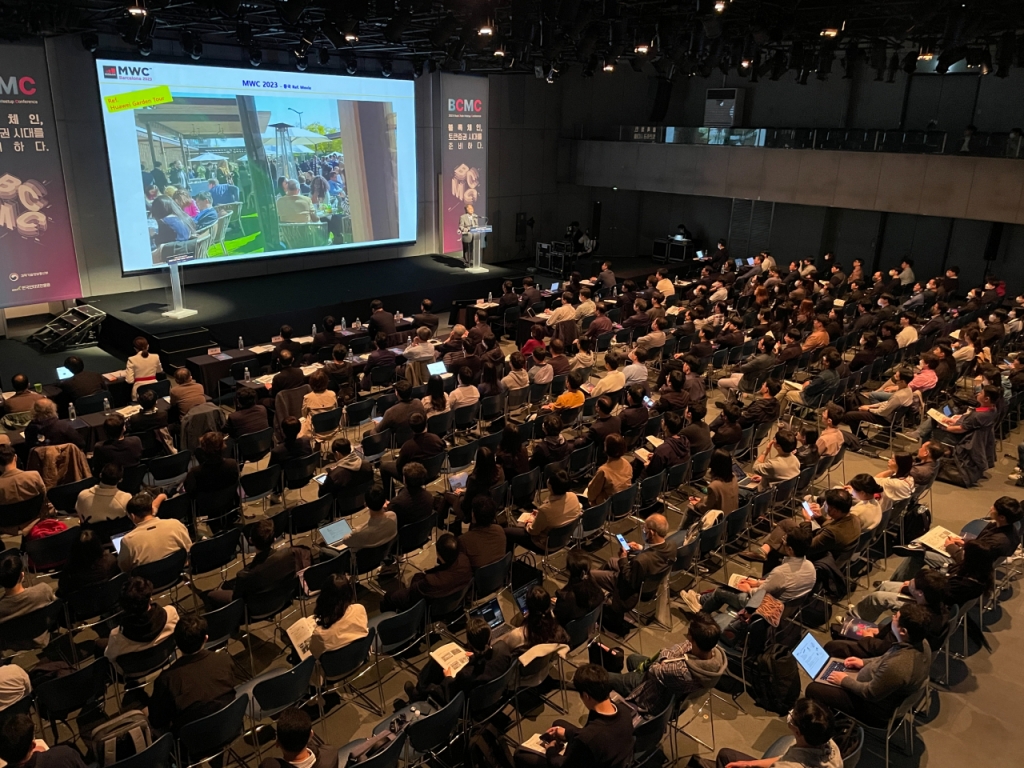
The tokenized securities market, which will open fully next year, is certain to be another significant turning point in the history of South Korea’s financial sector. The recent agreement between Hana Securities and Upbit Global is a symbolic event showing who will seize the lead in this massive trend. As more securities firms and virtual asset-related companies form alliances, the market is expected to heat up further. Readers should also keep a close ear to related news so as not to miss new investment opportunities amidst this wave of change. It is important to make wise decisions by carefully examining the essence of the technology and the stability of the companies, rather than blindly following trends. As we approach a new era of finance, let us gradually build a wise strategy to protect and grow our assets. In times of rapid change, staying true to the basics while possessing the insight to read new technology trends will protect our assets.
With the market opening next year, the convergence of finance and technology will accelerate, requiring continuous attention and wise response.
Frequently Asked Questions
=