If you apply for early receipt of the National Pension, the amount is reduced by 6% per year for life, so you must carefully consider your post-retirement financial situation before making a decision. As retirement approaches, it is natural to feel anxious when your fixed monthly income stops. Last year, Mr. Kim, who had just retired, could not withstand the income gap and received his pension early, only to be shocked by the amount, which was lower than he had expected. Many people are confused about whether it is always better to receive the pension early or if it is more advantageous to wait until the standard age. In this article, we will examine in detail how to minimize losses based on the exact reduction structure of the early receipt system and real-world cases.
=
How to Calculate the National Pension Early Receipt Reduction Rate and Prepare for a Smart Retirement Without Loss
1. Basic Concepts and Conditions of the Early Receipt System
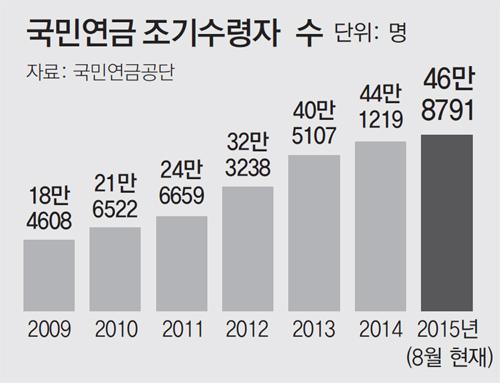
Early old-age pension is a useful system that allows you to receive your pension up to 5 years earlier than the originally designated age. However, to utilize this system, you must not have income above a certain level and must meet the minimum enrollment period requirements. For example, if the statutory benefit age is 63, you can apply for the pension as early as age 58 if you wish. For those who lack a proper source of income after retirement and struggle with living expenses, this can be a lifeline. However, since the purpose of the system is to bridge the income gap, eligibility reviews are conducted strictly. Therefore, it is essential to accurately verify your enrollment period and current income status through the National Pension Service website before applying blindly.
Early receipt allows you to receive the pension up to 5 years early, but you must meet strict income criteria and enrollment period requirements.
2. The Devastating Impact of the 6% Annual Reduction

The most critical point to note when choosing early receipt is that the pension amount is reduced by 0.5% per month, or 6% per year, for life. If you apply to receive the full amount 5 years early, you will receive a total of 30% reduction for the rest of your life. It is inevitable to feel disappointed when facing the reduced amount in old age, despite having diligently paid premiums monthly during your working years. For example, a person originally eligible for 1 million won per month would only receive 700,000 won per month if they receive it 5 years early. This difference becomes a loss that is increasingly felt over time when considering inflation. Therefore, the decision to reduce your lifelong pension amount to solve short-term financial difficulties should be considered carefully.
The pension is reduced by 6% for life for every year of early receipt, resulting in a total 30% reduction if received 5 years early.
3. Who Should Choose Early Receipt?
If you are in poor health or face financial difficulties that make it hard to sustain your livelihood immediately, early receipt may actually be a rational choice. For those whose income has completely stopped in their early 60s, it may be better to accept the reduction and receive the pension early rather than forcing a delay and incurring debt. In reality, many people who lack proper assets after retirement use their early-received pension to cover monthly food and utility bills. Considering long-term life expectancy and health indicators, if the probability of living a long life is low, the total amount received early might be higher. The key is to face your actual health and financial tendencies without being swayed by others’ opinions or hearsay.
If you are in poor health or have no immediate income, it may be advantageous to accept the reduction and receive the pension early.
4. Utilizing Continued Payments and Voluntary Continued Enrollment
Even if you have no income after retirement, you can significantly increase your benefit amount by continuing to pay National Pension premiums or utilizing the voluntary continued enrollment system. Many experts advise that paying additional premiums during the remaining period after early retirement guarantees a higher rate of return. In fact, even without income, paying premiums for about 4 additional years can noticeably increase the old-age pension amount you receive later. Using part of your severance pay or savings to continue paying premiums is an excellent strategy for creating a stable monthly income in old age. Instead of blindly reducing your pension, it is wise to use surplus funds to make additional payments to protect your future benefit amount.
You can increase your pension amount by making additional premium payments or utilizing voluntary continued enrollment, even without income.
5. Understanding the Complex Relationship with the Basic Pension
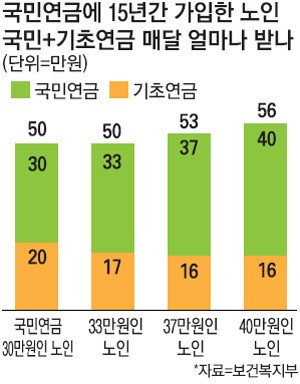
A reduction in the National Pension amount due to early receipt can also affect your future eligibility or amount for the Basic Pension. Since the government-paid Basic Pension is calculated based on recognized income, a decrease in the National Pension amount leads to complex calculations when combined with other variables. When couples prepare for retirement together, they must organically combine the National Pension and Basic Pension to prevent retirement bankruptcy. Occasionally, there is a misconception that receiving the National Pension early to lower income allows one to receive more Basic Pension, but the entire benefit structure must be considered. Experts emphasize that it is important to comprehensively review the interaction with the Basic Pension when formulating a pension receipt strategy.
National Pension reductions have a complex impact on future Basic Pension calculations, so total income must be considered together.
6. Final Judgment for a Wise Retirement Plan
The National Pension early receipt reduction system is a double-edged sword that can be either a poison or a benefit. You should not ignore immediate crises due to the prejudice that receiving it early is always a loss, nor should you hastily choose to have 30% deducted. You must accurately simulate your health status, asset situation, and expected expenses in line with your approaching retirement. Access the National Pension Service now to check your estimated benefit amount and seriously consider the most suitable receipt timing for you. Thorough preparation and cool-headed calculation are the most powerful weapons to protect a prosperous and stable life after retirement.
Instead of applying a one-size-fits-all standard, you should determine the most advantageous receipt timing based on your financial situation and health.
Frequently Asked Questions
=