Pension savings insurance offers reliable tax deduction benefits and stable retirement funds if maintained consistently over the long term. However, terminating the policy midway can result in principal loss and heavy miscellaneous income taxes, so you must carefully consider the contract duration and your financial situation. Recently, as the stock market has remained in a box range with increased volatility, demand for savings and retirement products through bank counters has risen. Mr. Kim, an office worker, enrolled impulsively to save on his monthly taxes but had to terminate the policy when he urgently needed cash, resulting in having to pay several million won in taxes. As this example shows, enrolling without fully understanding the product’s structure and features can lead to unexpected losses. In this article, we will thoroughly examine the actual returns of pension savings insurance and how to use it rationally.
=
Key Benefits and Early Termination Cautions to Know Before Enrolling in a Pension Savings Insurance
1. Basic Structure and Tax Deduction Benefits of Pension Savings Insurance
Pension savings insurance is considered a must-have item for year-end tax settlement because it offers tax deductions at a certain rate on the amount paid annually. For standalone pension savings products, up to 6 million won of the annual contribution is eligible for deduction, and when combined with a retirement pension account, the tax benefit can extend up to 9 million won. Since it significantly reduces the income tax burden each year, it is an attractive financial tool for both new graduates and high-income earners. Many people enroll impulsively after seeing only these tax benefits at banks or insurance companies. However, it is wise to first understand the long-term contract obligations and fee structures hidden behind the tax deduction benefits.
In reality, you must diligently pay a fixed amount monthly for over ten years to fully enjoy the substantial tax-saving effects provided by the government. It is easy to regret it later if you enroll just because a colleague mentioned receiving a large year-end tax refund. It is essential to determine an amount you can comfortably pay monthly based on your income and expenditure structure. Since this system was created by the state to encourage long-term savings, it is entirely unsuitable for seeking short-term profits. Therefore, it is safe to decide on enrollment only after anticipating your retirement timing and cash flow.
Pension savings insurance offers tax deductions of up to 6 million won annually, which is advantageous for year-end tax savings, but the benefits are maintained only if the policy is held for over ten years.
2. The Reality of Low Returns and Differences from Funds

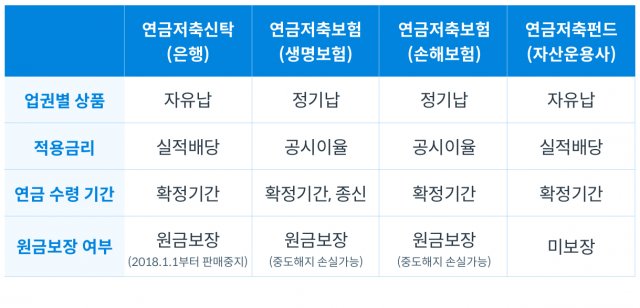
The most important metric to consider when building retirement assets is an investment return rate that can beat inflation. Recent financial industry data shows that the returns on pension savings insurance, which focuses on principal and interest guarantees, are significantly lower than those of performance-linked products like pension savings funds. For example, direct investments in stocks or exchange-traded funds (ETFs) can sometimes yield double-digit annual returns, while insurance products, which promise principal protection, often stagnate at low return rates of less than one percent. If interest earnings fail to keep up with rising prices, the real value of the money you hold at retirement will inevitably decrease significantly.
Relying solely on the recommendations of bank or insurance company staff and chasing only stability can lead to a situation where the real purchasing power of your retirement funds declines. Mr. Park, a self-employed individual, enrolled in pension savings insurance trusting only the promise of safety and later seriously considered switching to a pension fund. While the psychological comfort of guaranteed principal is good, there are clear limitations in terms of long-term asset growth. Therefore, you must assess your investment style: do you prefer stable principal management, or do you seek higher returns by taking some risks? Experts advise diversifying product types by considering your age and remaining years until retirement when building a portfolio.
While the stability of guaranteed principal is a strength of pension savings insurance, its returns are significantly lower than those of pension savings funds, which can be disadvantageous for long-term asset growth.
3. The Risk of a Tax Bomb Upon Early Termination
The most critical aspect to watch out for is the significant economic loss and tax assessment incurred when terminating the contract midway. If you terminate a pension savings product that received tax benefits, you must return the benefits received and have a large amount withheld as miscellaneous income tax. Insurance companies apply high tax rates according to tax laws when paying out surrender values, so the actual amount deposited into your account may fall far short of the principal. It is common for people to terminate policies due to sudden needs for business capital or loss of income from unemployment, making it impossible to pay premiums.
You must absolutely avoid putting money into this product that you need to use within a few years, such as for a wedding or home purchase. In reality, Mr. Lee, an office worker, needed urgent cash and terminated his policy after three years, resulting in significant principal loss and tax assessment. Long-term savings products are much harder to maintain than to enroll in, so you must calculate for future income volatility. Even if the contribution period exceeds ten years, terminating midway will render your efforts futile, so you must secure a separate emergency fund before signing the contract. Always remember that the number on the surrender value notice may differ entirely from the amount you expected.
Early termination requires returning the tax deductions received and incurs heavy miscellaneous income tax, posing a very high risk of principal loss.
4. Relief Methods and Procedures Through Contract Transfer
If you are considering termination due to low returns or excessive premiums, it is better to utilize the account transfer system before simply canceling. Transfers between pension accounts that meet tax law requirements are not considered simple withdrawals or terminations, allowing you to avoid unnecessary tax penalties. If the return rate of your current insurance company is too low, you can transfer the entire account to a securities firm and switch to managing stocks or ETFs directly. This process provides an opportunity to switch assets to a better investment vehicle while maintaining your valuable tax deduction history.
In reality, many investors are attempting to switch from insurance company products to securities firm fund accounts to improve returns. Even if bank or insurance staff discourage the transfer, you need to make a cold, calculated judgment and take action to protect your retirement funds. When transferring an account, you must carefully check for any surrender deductions or fees on the existing product and calculate the profit and loss. While some account transfers can be completed with a single visit, administrative processing between financial institutions may take time. If your retirement preparation direction has changed, it is wise to first explore the option of transferring the account to another financial institution rather than terminating it unconditionally.
If you are dissatisfied with the return rate, you can use the pension account transfer system to move to another financial institution without tax disadvantages, instead of terminating the policy.
5. Comparison with Other Tax-Saving Products and Wise Choices
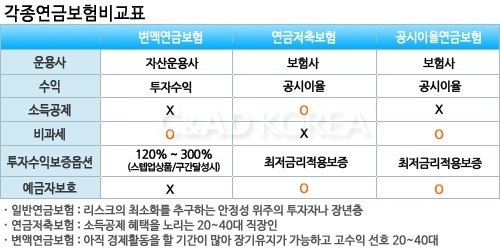
Besides pension savings insurance, there are various other tax-saving and savings products available, such as the Individual Retirement Pension (IRP) and the Individual Comprehensive Asset Management Account (ISA). The IRP allows for larger deductions when combined with pension savings, but it has strict conditions for early withdrawal and may incur fees. On the other hand, the ISA offers tax-exempt benefits on profits generated over a certain period and allows relatively free early withdrawals, making it suitable for medium-term financial planning. Your choices will vary completely depending on whether your investment goal is to accumulate a lump sum in the short term or to secure living expenses for retirement.
Mr. Choi, a new graduate, forced himself to enroll in multiple products just to reach the tax deduction limit and ended up struggling due to a lack of living expenses. It is important to have the ability to find the most efficient product combination by comprehensively considering your annual income level and future expenditure plans. If your retirement timing is relatively comfortable, such as in your 50s, you should increase the proportion of high-yield products; if you need funds in a few years, you should choose a different savings method. A strategy of maintaining one strong primary account is far more advantageous in the long run than indiscriminate enrollment. Refer to expert advice or Financial Supervisory Service disclosure data to create an asset allocation plan that fits you perfectly.
You should compare other tax-saving products like the IRP and ISA to choose the optimal product that fits your investment goals.
6. Desirable Practical Measures for Retirement Preparation
To create a successful retirement life, you need an attitude of managing assets with a long-term perspective rather than being dazzled by short-term tax deduction benefits. Pension savings insurance can be a sturdy pillar that creates a stable monthly cash flow after retirement, but it can actually lead to losses if managed negligently. You should regularly check whether the monthly premiums are burdening your household economy and adjust the contribution amount according to changes in your income level. Since the volatility of financial markets is likely to increase further, wisdom is required to maintain an appropriate ratio between fixed-rate products and performance-linked products.
Do not be swayed by rumors or advertisements; instead, develop the habit of frequently checking the status of your pension accounts through public systems like the Integrated Pension Portal. Only those who carefully calculate and prepare, even if it seems troublesome now, can enjoy a comfortable and leisurely retirement. We recommend starting with small actions today, such as organizing your expenditure records and calculating the estimated living expenses needed at retirement. Only a solid plan and consistent execution can prevent retirement bankruptcy and gift you true financial freedom.
Designing a long-term retirement cash flow based on consistent asset checks and a thorough contribution plan is of utmost importance.
Frequently Asked Questions
=