Pension savings funds are the most reliable tax-saving tool, allowing you to receive refunds ranging from hundreds of thousands to millions of won during your annual year-end tax settlement while simultaneously building a solid retirement asset. Mr. Kim, an office worker, enrolled in a pension savings fund last year and made regular monthly contributions. At the time of his year-end tax settlement, he was surprised to receive a refund much larger than he had expected. In the past, people primarily prepared for retirement through bank deposits or insurance products, but recently, funds have been pouring into pension savings funds, which allow investors to directly select investment products such as stocks and exchange-traded funds (ETFs). In fact, the total accumulated assets have recently surged past 60 trillion won, reflecting explosive growth as countless people choose this account as an essential step in their retirement planning. However, when it comes to actually opening an account, many people are confused about where and how to start, and how much they need to contribute each year to maximize tax benefits. This article provides a clear and easy-to-understand summary of the exact tax deduction limits for pension savings funds, promising investment products, and specific tips for enrollment.
=
Pension Savings Fund Tax Deduction Limits and 2026 Retirement Investment Strategy: A Complete Guide
1. What is a Pension Savings Fund and Why is it Gaining Attention?
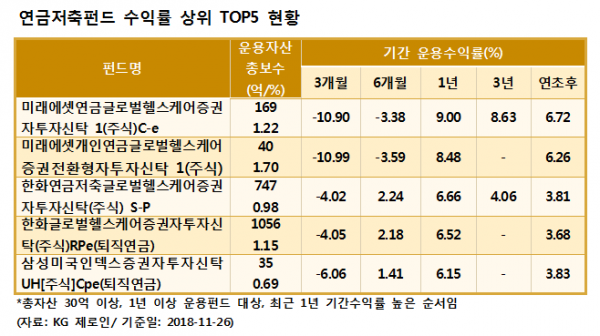
A pension savings fund is a representative tax-saving account for retirement planning, opened at a securities firm, allowing you to directly manage a variety of investment products such as stocks, bonds, and ETFs. Unlike bank pension savings trusts or insurance company pension savings insurance, which were the primary choices in the past, this account offers the significant advantage of allowing subscribers to flexibly allocate and invest assets according to market conditions. For example, you can increase your allocation to safe bond assets when the stock market is volatile, or invest in U.S. value stock ETFs with high growth potential to pursue returns. Because subscribers can proactively construct their portfolios, these funds have received explosive popularity from investors in recent years. For office workers, this account is the first financial product they look for during the annual year-end tax settlement season to avoid a tax burden and secure a refund. It can be considered a unique means to actively grow retirement funds rather than simply letting them sit in a deposit, while also enjoying tax benefits.
A pension savings fund is an essential retirement account that allows investors to generate returns by directly managing stocks or ETFs while also enjoying tax benefits.
2. 2026 Pension Savings Fund Tax Deduction Limits and Tax-Saving Effects
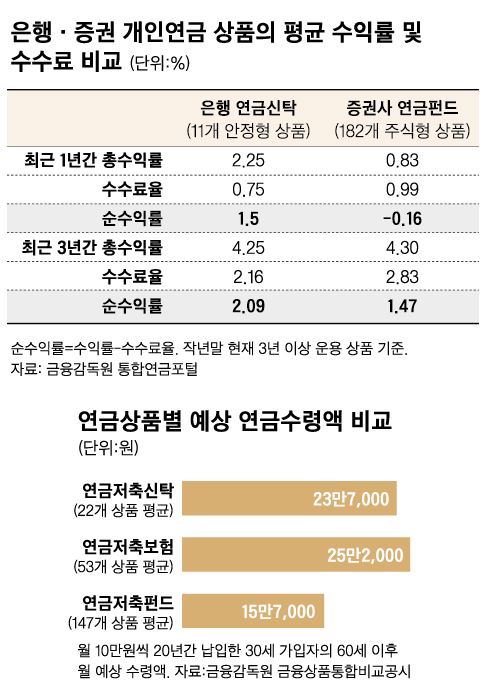
If you contribute solely to a pension savings fund, you can receive a tax deduction on up to 6 million won annually. If your total annual income is 55 million won or less, a deduction rate of 16.5% applies, allowing you to receive a maximum tax refund of 990,000 won. If your income exceeds 55 million won, the rate is 13.2%, resulting in a maximum refund of 790,000 won. By utilizing a Personal Retirement Pension (IRP) account in addition to the pension savings fund, you can expand the total tax deduction limit to a maximum of 9 million won. For example, if you contribute the full 9 million won annually and qualify for the 16.5% deduction rate, you can receive a substantial refund of 1,485,000 won during your year-end tax settlement. This offers an overwhelmingly superior return compared to the interest rates of any standard bank deposit or savings product. If you want to significantly reduce your tax burden during the annual year-end tax settlement, it is wise to keep this annual limit in mind and plan your contributions accordingly.
With a pension savings fund, you can contribute up to 6 million won individually, or up to 9 million won when combined with a Personal Retirement Pension, to secure a refund of over 1.4 million won.
3. How to Utilize U.S. Value Stock and Dividend ETFs
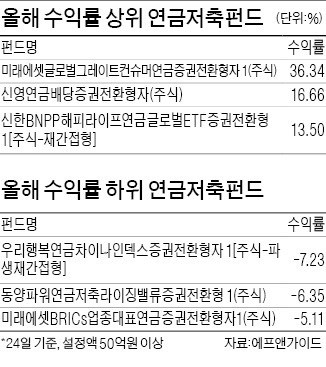
As stock market volatility has increased recently, investors concerned about the overheating of big tech stocks are turning their attention to U.S. value stock ETFs that provide stable dividends. When you purchase these dividend or U.S. value stock products within a pension savings fund account, you can enjoy the compounding effect of automatic reinvestment without immediately paying dividend income tax. In a regular account, 15.4% tax is withheld at the source when you receive dividends, but in a pension account, this tax is deferred, allowing the full amount to contribute to asset growth. Even when receiving the pension in retirement, you are subject to a low tax rate of only 3.3% to 5.5%, which is significantly lower than the standard dividend income tax, drastically reducing your tax burden. By appropriately mixing covered call products or high-dividend ETFs into your portfolio, it is entirely possible to generate a stable monthly cash flow. For office workers who want to live on monthly dividends like a salary after retirement, it is difficult to find a better investment tool.
Managing U.S. value stocks and high-dividend ETFs in a pension account allows you to enjoy both dividend tax deferral and low-rate taxation benefits.
4. How to Enroll in a Pension Savings Fund and Tips for Choosing a Securities Firm
To open a pension savings fund, you first need to download the mobile app of a preferred securities firm and complete the non-face-to-face account opening procedure. Since many securities firms are attracting customers with zero-fee events or sign-up bonuses, it is advisable to carefully compare the conditions to find the most favorable terms for you. Once the account is opened, you can choose to make a lump-sum contribution or set up automatic monthly transfers based on your financial situation. For young professionals or those without a large lump sum, setting up automatic transfers of 300,000 or 500,000 won per month is a stress-free way to start and the key to maintaining consistency. After opening the account, do not leave it idle; you must search for and purchase the ETFs or bond products you want directly within the securities firm’s app to begin investing. While opening the account is simple enough to be done on a smartphone in less than 10 minutes, the future size of your assets will vary entirely depending on which products you choose.
You can easily open a securities account via non-face-to-face methods on your smartphone and consistently build retirement assets through automatic transfers and direct product purchases.
5. Differences Between Pension Savings Funds and Personal Retirement Pensions, and Linkage Strategies
Many people confuse pension savings funds with Personal Retirement Pensions (IRP), but the two accounts have clear differences in management methods and eligibility. Pension savings funds can be freely opened by anyone, including housewives or students without income, with no restrictions on the proportion of stocks or ETFs. In contrast, IRPs are only available to workers or business owners with income, and a mandatory 30% allocation to safe assets is required, making it impossible to invest 100% in equity products. Therefore, to maximize the benefits of both accounts, the most effective strategy is to first contribute the maximum limit of 6 million won to a pension savings fund for aggressive equity investment, and then use an IRP as a supplementary tool to fill the remaining tax deduction limit. By operating both accounts according to their respective purposes, you can maximize tax benefits while securing both stability and profitability in your portfolio.
The best combination is to increase the stock allocation in a pension savings fund, which anyone can join, and fill the remaining tax deduction limit with a Personal Retirement Pension if you have income.
6. Ten Commandments for Pension Savings Fund Investment to Change Your Retirement
As retirement approaches, the importance of systematic retirement preparation goes without saying, and pension savings funds stand firmly at the center of this preparation. The principal contributed consistently each year, combined with the performance of wisely chosen ETFs, will meet the effect of compound interest to create a massive asset gap in 10 or 20 years. While the immediate benefit of receiving a tax refund during this year’s year-end settlement is significant, it is incomparable to the future value of enjoying a comfortable life with a stable pension after retirement. Even now, countless smart investors are setting up automatic transfers aligned with their paydays, steadily building the walls of their retirement security. You are encouraged to open a securities firm app today, open an account, and take the first step toward a secure retirement by purchasing U.S. value stock ETFs, even with a small amount. This small act of practice will become the most powerful weapon to completely transform the quality of your future life.
By utilizing pension savings funds based on consistent contributions and wise product selection, you can secure a successful retirement and a prosperous old age.
Frequently Asked Questions
=