Personal pensions are the most effective tool for filling the gap in retirement income that the National Pension alone cannot cover. As of today, September 21, 2026, many office workers are interested in personal pensions due to tax deductions and long-term benefits. Mr. Kim, a 30-something office worker I met personally, smiled and said that he achieved his 10-year goal by contributing 200,000 KRW monthly. Hearing his story, I once slapped my knee in a coffee shop and thought, “So it is truly possible.” In this article, I will break down personal pensions step by step, from basic concepts to tax benefits and specific contribution strategies. While reading, you will find tips that you can apply to your own situation. Let’s dive right in and explore how to design your personal pension.
=
Practical Strategies for Retirement Planning with Personal Pensions in 2026
1. Types of Personal Pensions and Selection Criteria
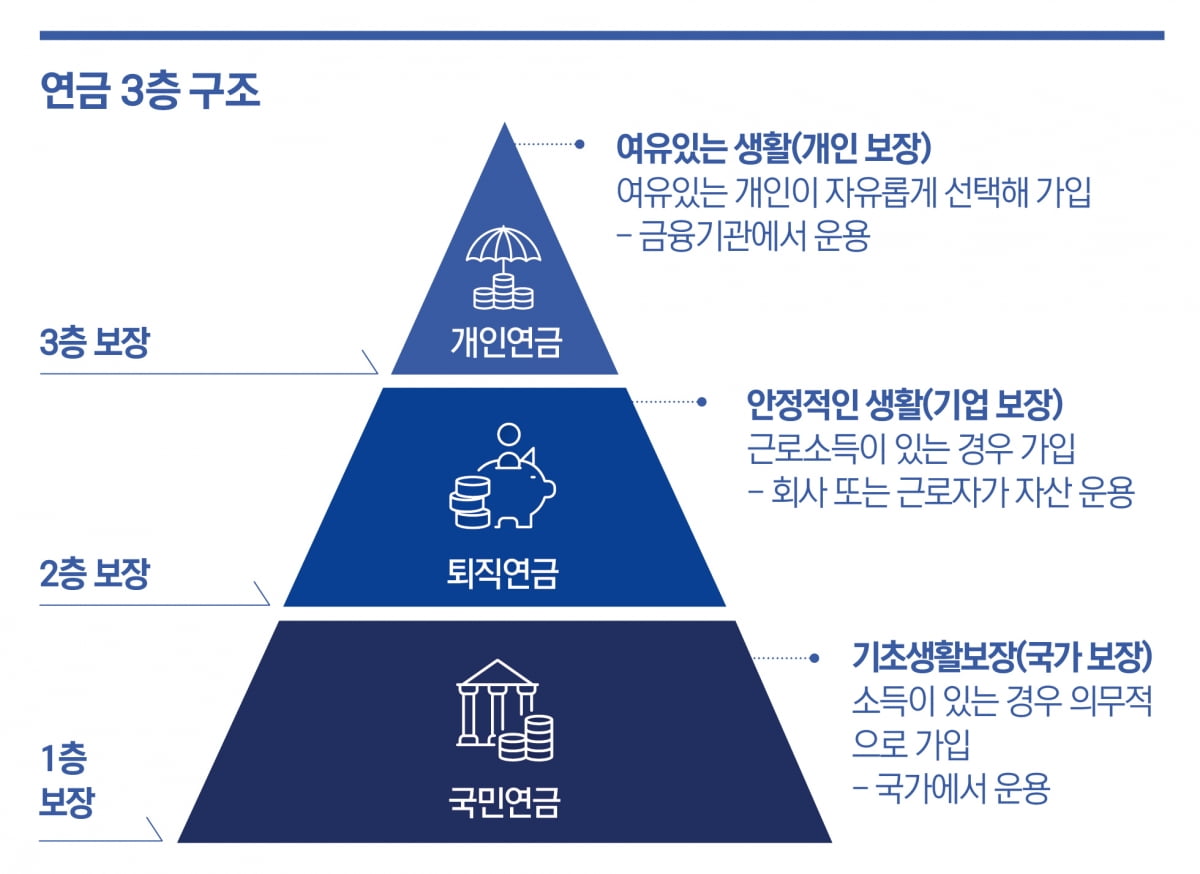
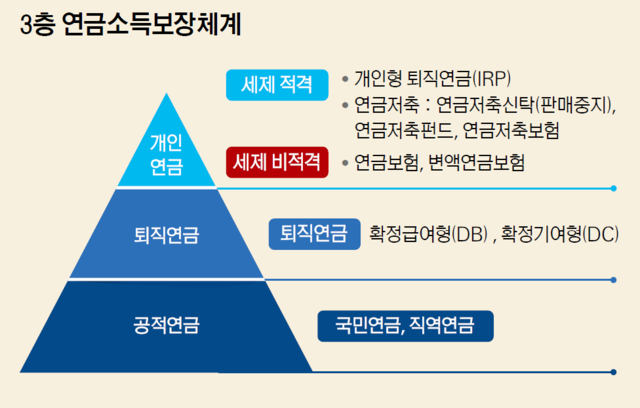
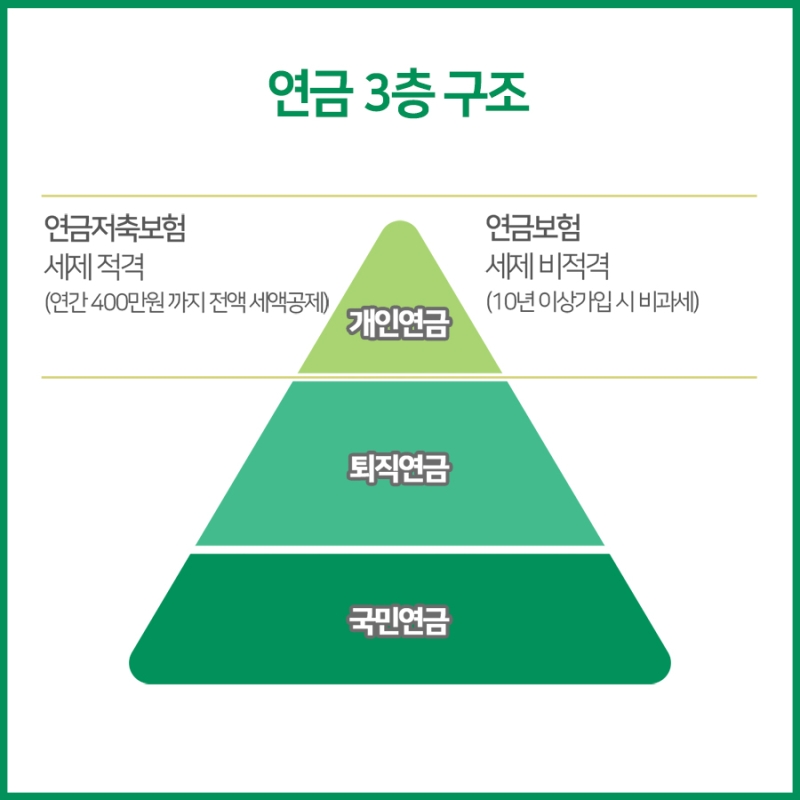
Personal pensions can be broadly categorized into three types: pension savings funds, Individual Retirement Pensions (IRP), and insurance-based personal pensions. Pension savings funds invest in a mix of stocks and bonds in the form of funds; while returns fluctuate, they aim for higher expected returns over the long term. Individual Retirement Pensions (IRP) operate similarly to company-provided retirement pensions, with the characteristic that some tax benefits are maintained even in the event of early termination. Insurance-based personal pensions consist of fixed-rate or variable products, making them suitable for those who prioritize principal protection. The selection criteria should first involve assessing your investment style and risk tolerance. For example, investors tolerant of stock market volatility might choose pension savings funds, while middle-aged and older individuals seeking stable returns might consider insurance-based personal pensions. Finally, comparing the fees and post-joining management services of available financial institutions is the first step toward a wise choice.
Choose the most suitable product among pension savings funds, IRP, and insurance-based personal pensions based on your investment style and risk tolerance.
2. Tax Deduction Benefits and Limits
Contributions to personal pensions are eligible for tax deductions within annual limits, resulting in significant tax savings. As of 2026, contributions to pension savings accounts are eligible for tax deductions up to 6 million KRW annually. Adding contributions to IRP accounts, the total annual deduction can reach up to 9 million KRW. For example, an office worker with an annual salary of 50 million KRW who contributes 500,000 KRW monthly to a personal pension will reach the 6 million KRW annual limit, allowing them to enjoy the maximum tax deduction benefit. The tax deduction rate varies by income bracket but is typically around 13.2% to 16.5%, meaning the actual tax savings can be substantial. It is important to note that amounts exceeding the deduction limit are not eligible for tax benefits. Therefore, it is crucial to plan your expected contributions at the beginning of the year and set up automatic monthly transfers to manage and avoid exceeding the limit. You must attach tax deduction receipts during year-end tax settlement to receive a refund, so do not neglect file management.
Meet the annual contribution limits (6 million KRW for pension savings, 9 million KRW including IRP) to receive maximum tax deduction benefits, and use any excess for separate savings or other products.
3. Examples of Accumulation Investment Strategies
When contributing to a personal pension, it is common to use an accumulation investment approach to reduce market timing risk. By investing a fixed amount in funds monthly, you buy less when prices are high and more when prices are low, benefiting from the average cost effect. For example, when the KOSPI is at 2,500 points, you might buy 0.08 units with 200,000 KRW, and when it is at 2,000 points, you buy 0.10 units with the same amount. This allows you to lower your average purchase price over the long term, even in volatile markets. Simultaneously, setting your portfolio asset allocation to approximately 60% stocks, 30% bonds, and 10% alternative assets can diversify risk while increasing return opportunities. Developing the habit of rebalancing asset weights to target ratios at the beginning of each year prevents you from being swayed by market fluctuations. In practice, it is common to determine rebalancing timing every six months or after significant market movements. Finally, once your accumulated funds reach a certain level, consider a flexible management approach where you withdraw a portion for an emergency fund or reinvest it for additional investments.
Contribute a fixed amount monthly to benefit from dollar-cost averaging, and manage risk through regular rebalancing.
4. Taxes and Methods of Receiving Pensions
Personal pensions can be received from age 55 onwards, and the tax application method varies depending on the timing and method of receipt. If received in the form of a pension (installments), other income tax is applied to the annual received amount, following a progressive structure identical to the comprehensive income tax rate. If received as a lump sum via early termination, other income tax is applied to the entire amount at once, which can significantly increase the tax burden. Therefore, receiving the pension in installments is a strategy to increase the after-tax net amount. Delaying the start of receipt extends the contribution period, increasing the accumulated amount, and may also result in a lower tax rate at the time of receipt. For example, starting receipt at age 60 reduces the annual received amount for the same contribution, allowing it to stay in a lower tax bracket. Additionally, if the received amount is below the basic livelihood security standard, you may be eligible for tax-exempt benefits, so prior verification is necessary. Ultimately, you must design the optimal timing and form of receipt considering your expected living expenses and other income sources.
Minimize tax burden by receiving the pension in installments, and carefully adjust the timing of receipt to maximize the net amount received.
5. Real Case: A 30-Something Office Worker Achieves Goals with Monthly 200,000 KRW Contributions
Mr. Lee, a 30-something office worker living in Seoul, has a monthly salary of about 3 million KRW and decided to contribute 200,000 KRW monthly to a personal pension from his disposable income. For the first year, he invested everything in a volatile equity fund, but as losses grew, he increased his bond allocation to 30%. As a result, returns stabilized from the second year, yielding an average annual compound interest effect of about 4.5%. After five years, his accumulated amount reached approximately 13 million KRW, and the compound interest effect grew further as the generated interest was reinvested. To achieve his goal of 30 million KRW in 10 years, Mr. Lee also made additional contributions using part of his bonuses and tax refunds. By the 10th year, he had secured approximately 31 million KRW in accumulated funds plus cumulative interest, allowing him to expect an additional income of 250,000 KRW in the form of a pension in the future. His success factors were consistent contributions, intermediate asset allocation adjustments, and the flexibility to reinvest unexpected income. “Even small amounts, if sustained over a long period.”
Consistently maintaining fixed monthly contributions and asset allocation adjustments makes long-term goal achievement possible; reinvest surplus funds to enhance the compound interest effect.
6. Outlook and Recommendations for Readers
If the low-interest-rate trend continues for the next few years, the tax deduction benefits of personal pensions will become an even more attractive option. The government is continuously reviewing pension-related tax reforms to strengthen retirement income, so you should pay attention to future changes in deduction limits or tax rates. Personally, it is good to make time for an annual financial check-up to recalculate your current contributions and expected receipt amounts. Utilize smartphone notification features to manage deposit dates. Robo-advisor-based pension savings funds automatically adjust asset allocation, making them useful for beginners. Finally, I recommend taking the first step by setting a fixed amount and applying for automatic transfers. If you start practicing even a small step today, you can imagine a confident retirement life 10 years from now. Key Takeaway: In the era of low interest rates, maximize tax deduction benefits and maintain consistent contributions through regular check-ups and automation.
Frequently Asked Questions
=