A formal application for boundary adjustment has been submitted to resolve the administrative inconveniences faced by residents living in the border area between Seongbuk-gu and Nowon-gu in Seoul. Issues such as school district discrepancies and delays in waste collection, arising from the mismatch between administrative districts and actual living areas, cause significant stress for residents. For instance, children may attend different schools on opposite sides of a single street, or emergency response may be delayed due to overlapping fire station jurisdictions. This application can be seen as the first step toward rationally readjusting administrative boundaries to reflect the voices of these residents. The final decision will be made after consultations between the relevant local governments and the review process by the central government. This article provides an easy-to-understand summary of the specific background of this boundary adjustment application and the procedures to follow.
=
Summary of the Public Notice Regarding the Application for Boundary Adjustment Between Seongbuk-gu and Nowon-gu, Seoul
1. Background and Necessity of the Boundary Adjustment Application
As cities expand rapidly and large-scale residential complexes are built, administrative boundaries drawn in the past are increasingly becoming misaligned with reality. In specific apartment complexes or residential areas near the border of Seongbuk-gu and Nowon-gu, changes in road networks and terrain have completely separated the administrative districts from the actual living areas. This creates complex situations where residents use roads in Nowon-gu for their morning commute but must follow Seongbuk-gu standards for community center services and welfare benefits. Consequently, residents have suffered from the inconvenience of wasting unnecessary time and effort every time they use various administrative services. From the perspective of administrative agencies, there has also been a problem of reduced efficiency in providing public services such as firefighting and cleaning due to ambiguous jurisdictional areas. In fact, residents in border areas have experienced issues such as mail being delivered to the wrong address or both local governments shifting responsibility regarding the installation locations of surveillance cameras. To resolve these structural contradictions, a boundary adjustment following legal procedures was urgent, going beyond simple complaints. This application was an inevitable choice to alleviate long-neglected resident inconveniences and improve administrative efficiency. Correcting the boundary line between the two local governments to match reality is a necessary process for enhancing resident welfare.
A boundary adjustment has been applied for to resolve resident inconveniences caused by the mismatch between actual living areas and administrative districts.
2. Analysis of Key Disputed Areas Between Seongbuk-gu and Nowon-gu
The border area between Seongbuk-gu and Nowon-gu, which is the subject of this boundary adjustment, has undergone significant topographical changes due to long-term development. While boundaries were once set based on natural features or farmland, the construction of large apartment complexes and commercial buildings has made it difficult to find the old terrain. As a result, specific buildings have faced confusion in tax assessment or construction permits because the administrative districts differ between the main entrance and the parking lot. Issues regarding tax revenue collection and the sharing of administrative costs between local governments are also intertwined, creating areas with sharply opposed interests. While residents demand quick adjustments due to their inconveniences, each local government is in a position where it must consider both local public opinion and administrative efficiency. In these disputed areas, there have been petition campaigns by residents wishing to be included in one district, while there are also voices, albeit small, expressing concerns about property rights or tax changes. Officials have visited the sites to listen to residents’ actual opinions and have conducted precise analysis to determine which side is more reasonable. Although a boundary change may involve the hassle of changing registered addresses, it is expected to significantly improve living convenience in the long run. If the two local governments cannot find a compromise through wisdom, they will have to rely on mediation by the central government, making meticulous preliminary coordination essential.
The situation requires careful analysis and coordination due to topographical changes and complex interests in the border area.
3. Boundary Adjustment Procedures Under the Local Autonomy Act
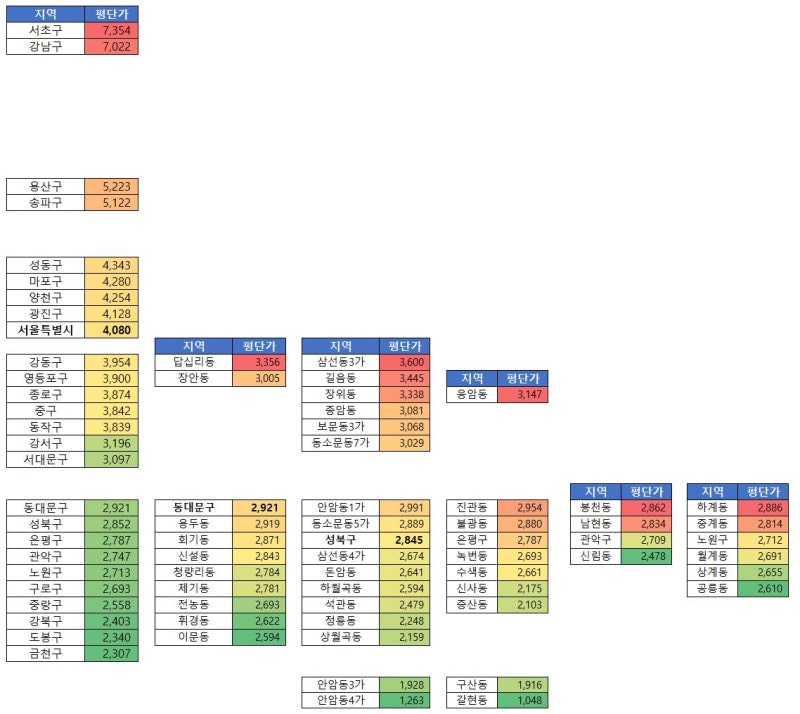
Changing the jurisdictional area of a local government is not achieved simply by agreement between two institutions but must go through strict legal procedures. According to the procedures prescribed in the Local Autonomy Act, the opinions of the relevant local government councils must be heard, and the opinions of stakeholders must be gathered through public inspection. The currently published notice is part of this legal procedure, involving the disclosure of relevant documents to the general public and related agencies for a certain period to solicit opinions. Opinions received during the notice period will be used as review materials for the Central Dispute Adjustment Committee, making them highly significant. Once the opinion-gathering process is completed, the relevant local government will either go through the superior agency, the Seoul Metropolitan Government, or directly apply for adjustment to the Ministry of the Interior and Safety. The Central Dispute Adjustment Committee, under the Ministry of the Interior and Safety, will fairly review the positions of both sides, conduct on-site inspections and expert consultations, and finally resolve the adjustment plan. If the adjustment plan is finalized, it will be promulgated by presidential decree, gaining legal effect, and the new administrative boundary will be confirmed. Since this process can take anywhere from several months to several years, residents should calmly monitor the progress.
The final decision is made through strict procedures of public notice, opinion gathering, and central government review as specified in the Local Autonomy Act.
4. Methods for Public Inspection and Opinion Gathering

With the publication of the boundary adjustment application, residents in the affected area can directly review the relevant documents and submit their opinions. The notice and boundary adjustment maps can be checked directly at the relevant departments of Seongbuk-gu Office and Nowon-gu Office, and are also available for viewing on the “News” section of the Ministry of the Interior and Safety website. Residents who have opinions for or against the proposed changes can submit a written opinion form within the designated period. During this process, resident representatives may jointly submit petitions or proposals to convey the united voice of the residents. When submitting opinions, it is more effective to objectively describe specifically how administrative inconveniences will be resolved or what concerns exist, rather than making emotional appeals. Administrative agencies will re-examine the validity of the adjustment plan based on the submitted resident opinions and take necessary supplementary measures if needed. If residents miss the public inspection period, they may lose the opportunity to have their opinions officially reflected, so residents in border areas must carefully check the notice schedule. Local governments and the government must listen carefully to the voices of residents to reach a reasonable conclusion that everyone can accept.
Residents can review relevant documents and submit their opinions through official methods during the designated public inspection period.
5. Predicted Changes in Residents’ Lives Due to Boundary Adjustment
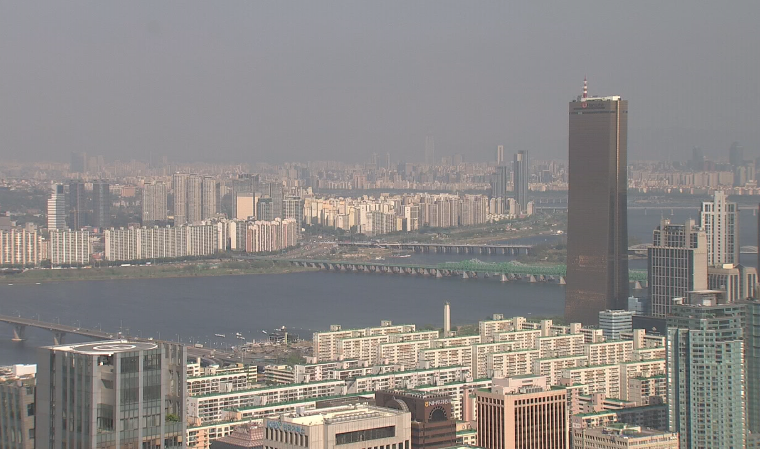
If the boundary between local governments is actually changed, various changes will occur in the daily lives of residents in the affected area. First, the registered address will change, requiring the reissuance of resident registration cards and the updating of addresses on various identification documents such as passports and driver’s licenses. The adjustment of school districts for children is expected to have positive effects, such as shortening commuting distances and making school commutes safer and more convenient. Waste disposal days and collection companies will change, as will the locations for using welfare benefits and cultural programs provided by the community centers. With the jurisdictions of fire stations and police stations aligning, residents will be able to receive faster and more accurate dispatch services in emergencies such as fires or crimes. In the long term, the real estate market may also be significantly affected, with expectations for improved living environments potentially reflected in market prices. Residents tend to value long-term improvements in quality of life and administrative convenience over the initial hassle of administrative procedures. It is essential for local governments to provide careful guidance and support measures to help residents adapt quickly to the changing living environment.
Although there are inconveniences such as address changes, the long-term benefits are significant, including improved school districts and faster administrative services.
6. Future Outlook and Challenges for Successful Adjustment
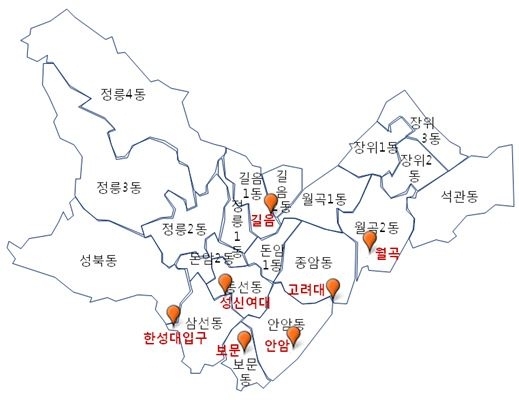
The application for boundary adjustment between Seongbuk-gu and Nowon-gu is not merely a shift in administrative lines but a crucial turning point that determines the quality of life for residents. In the remaining review process, it is most important that both local governments make concessions and maintain an attitude of mutual prosperity to achieve a successful outcome. The more sharply interests are opposed, the more the fair and neutral role of the Central Dispute Adjustment Committee is emphasized, and it must be backed by thorough data analysis. Residents also need to demonstrate mature civic awareness by considering the balanced development of the entire region, rather than just asserting their own interests. Even after the adjustment is finally completed, close handover of duties between the two district offices is necessary to prevent residents from experiencing confusion due to administrative gaps. The government and local authorities should use this case as a mirror to present a model solution for other boundary dispute areas nationwide. True local autonomy and resident-centered administration can only be completed when administration that listens to the voices of residents is established. This is why attention from residents and stakeholders is focused on the upcoming central government review results and subsequent procedures.
A resident-centered amicable agreement must be reached through cooperative cooperation between local governments and fair review.
Frequently Asked Questions
=