With brokerage firms setting price targets for Samsung Electronics ranging from a low of 270,000 won to a high of 600,000 won—a gap of more than double—individual investors are facing significant confusion. It is rare for the outlook on the market’s leading stock to be so drastically divided, leading to growing complaints from investors. It is inevitably frustrating for investors who bought shares based on rosy predictions of a 600,000 won price to see the stock enter a downtrend. Today, we will carefully examine the background behind these diametrically opposed analyses. We will thoroughly review the credibility issues with brokerage reports and the specific grounds each firm has presented.
=
Why Retail Investors Are Confused: The Wild Swing in Samsung Electronics Price Targets
1. The Gap Between 270,000 Won and 600,000 Won Targets
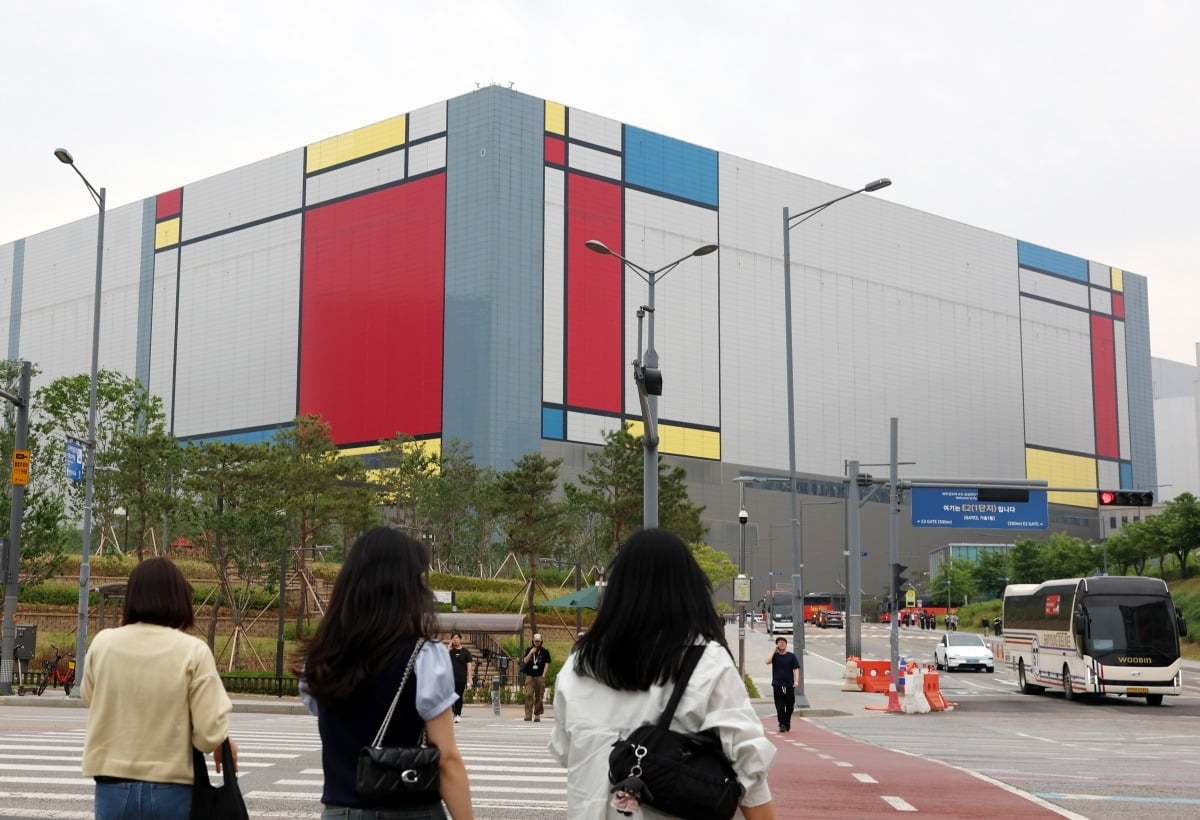
The starkly divided views from the securities industry regarding Samsung Electronics have become one of the hottest topics in the recent domestic stock market. Some argue that the golden era of memory semiconductors is still ahead, while others warn that the peak has already been reached and the industry is on a downward slope. For investors holding shares, it is easy to lose their way amid the flood of contradictory news every morning. In fact, voices expressing fatigue with the irresponsible competition among brokerage analysts are overflowing in office worker communities and stock discussion boards. Some even make radical claims that financial regulators must strengthen accountability for reports. This polarization in price targets reflects a fundamental difference in perspective on the semiconductor industry cycle, going beyond mere numerical differences. As the gap widens, investors are left unsure of whom to believe. With growing distrust in brokerage forecasts, market confusion is expected to persist for some time.
Price targets for Samsung Electronics vary significantly among brokerages, ranging from 270,000 won to 600,000 won, causing extreme confusion and distrust among investors.
2. Grounds for Pessimism: Memory Peak Theory and Demand Slowdown

BNK Investment & Securities, a representative proponent of the pessimistic outlook, diagnosed that memory semiconductor costs have reached their limit. The analysis suggests that intense competition in the AI-related large language model market has actually caused the price paid per token to drop sharply. This could lead to a vicious cycle where revenue growth for related companies slows, reducing their purchasing power for semiconductors. Major tech giants like Google and Meta have also shifted their strategy from competing on performance to focusing on performance-to-price ratio and efficiency. Furthermore, there is a significant risk that supply-demand balance will collapse as manufacturers aggressively expand capacity based on overly optimistic long-term demand forecasts. For these reasons, the brokerage lowered its operating profit forecasts for Samsung Electronics for both the third and fourth quarters of this year. Consequently, with lowered earnings expectations, the firm significantly reduced its price target and adjusted its investment rating to “Hold,” sounding the alarm. The structural contradiction of decreasing demand and increasing supply is the core of the pessimistic argument.
Pessimistic forecasts have been raised, warning of an earnings peak due to concerns over slowing memory demand and supply oversaturation.
3. Grounds for Optimism: HBM and Foundry Rebound
On the other hand, KB Securities proposed the highest price target of 600,000 won, stating that Samsung Electronics will experience a simultaneous rebound in its High Bandwidth Memory (HBM) and foundry businesses. The analysis suggests that as mass production of next-generation memory products begins and yields improve noticeably, the company will rapidly increase its market share. It is evaluated that the time is now for the company’s integrated production competitiveness—covering memory, foundry, and packaging—to truly shine. It is expected that revenue from next-generation HBM will surge by more than three times quarter-over-quarter after the third quarter, strongly driving overall performance. The basis for this optimism is the solid preparation of sample supply to major customers and a concrete roadmap for next-generation architectures. The foundry business is also laying the foundation for a turn to profitability, with a high likelihood of escaping the deficit structure that has held it back. This view holds that these multi-faceted growth drivers will combine to lead a major uptrend in the stock price.
Optimistic views exist that forecast a 600,000 won price target, based on faith in the expansion of next-generation memory mass production and the recovery of foundry competitiveness.
4. Outpouring of Complaints and Confusion from Individual Investors
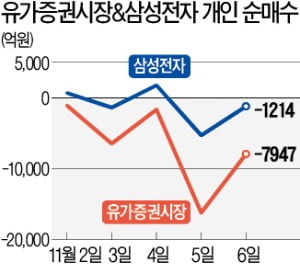
Such extreme differences in brokerage forecasts are causing serious feelings of deprivation and confusion among ordinary individual investors. In the stock market, small investors, often called “ants,” frequently suffer losses after jumping in based on expert analysis. It is a sinking feeling for an investor who pressed the buy button after seeing a report with a 600,000 won target, only to see an article elsewhere claiming 270,000 won is the fair value. One stock community user vented their frustration, saying brokerages throw out numbers irresponsibly without any sense of accountability. The fact that brokerage reports have rarely aligned with the actual direction of stock prices in the past is also a factor fueling distrust. As expert forecasts diverge, a structure repeats where only individual investors, unable to find their footing, bear the losses. As market volatility increases, the thirst for accurate information grows, but finding a reliable anchor is becoming increasingly difficult. Investors are now facing a moment where they must establish their own criteria rather than blindly trusting brokerage names.
Amidst extreme forecast differences, complaints from individual investors who have lost their bearings and distrust of the securities industry have reached a peak.
5. The Impact of Exchange Rates and Subsidiary Variables
Factors shaking Samsung Electronics’ performance and stock price trends include not only the semiconductor industry cycle but also macroeconomic indicators and subsidiary performance. Analysis suggests that as the average forecast exchange rate between the won and the dollar decreases, the exchange rate gain effect for Samsung Electronics, an export-centric company, may diminish. This is compounded by the poor performance of its display subsidiary, negatively impacting overall operating profit forecasts. Even if the core semiconductor business is doing well, external variables like exchange rates or subsidiary performance can cause the overall results to fall short of expectations. Conversely, experts who believe these negative factors are already fully priced in see a low possibility of further declines. There is also a strong counter-argument that the stock price could rebound sharply as these complex variables are resolved. Ultimately, rather than judging the whole based on a single indicator, wisdom is needed to holistically check exchange rate trends and subsidiary performance flows.
Macroeconomic variables such as exchange rate fluctuations and poor subsidiary performance are having a complex impact on Samsung Electronics’ stock price outlook.
6. Future Response Strategies and the Right Investment Attitude
The more extreme the division in expert forecasts, the more investors need to establish their own investment principles that are not swayed by others’ words. Rather than being elated or depressed by a specific brokerage’s high or low target price, one should calmly observe the company’s essential competitiveness and technological strength. It is a clear fact that while the role of memory semiconductors may decrease in the AI era, it will not disappear entirely. It is wiser to consistently monitor the company’s long-term growth roadmap and potential for performance improvement rather than worrying over short-term price fluctuations. One must not forget that brokerage reports should be used only as reference indicators, and the final judgment and responsibility for buying or selling lie entirely with the investor. If investors can maintain composure and continue investing without being shaken even in a confusing market situation, they will eventually face good results. The current confusion is also proof that the semiconductor industry is going through a massive transition, so one should calmly prepare for the next move.
Amidst severe forecast confusion, investors should focus on the essential value of the company rather than being swayed by short-term market trends.
Frequently Asked Questions
=