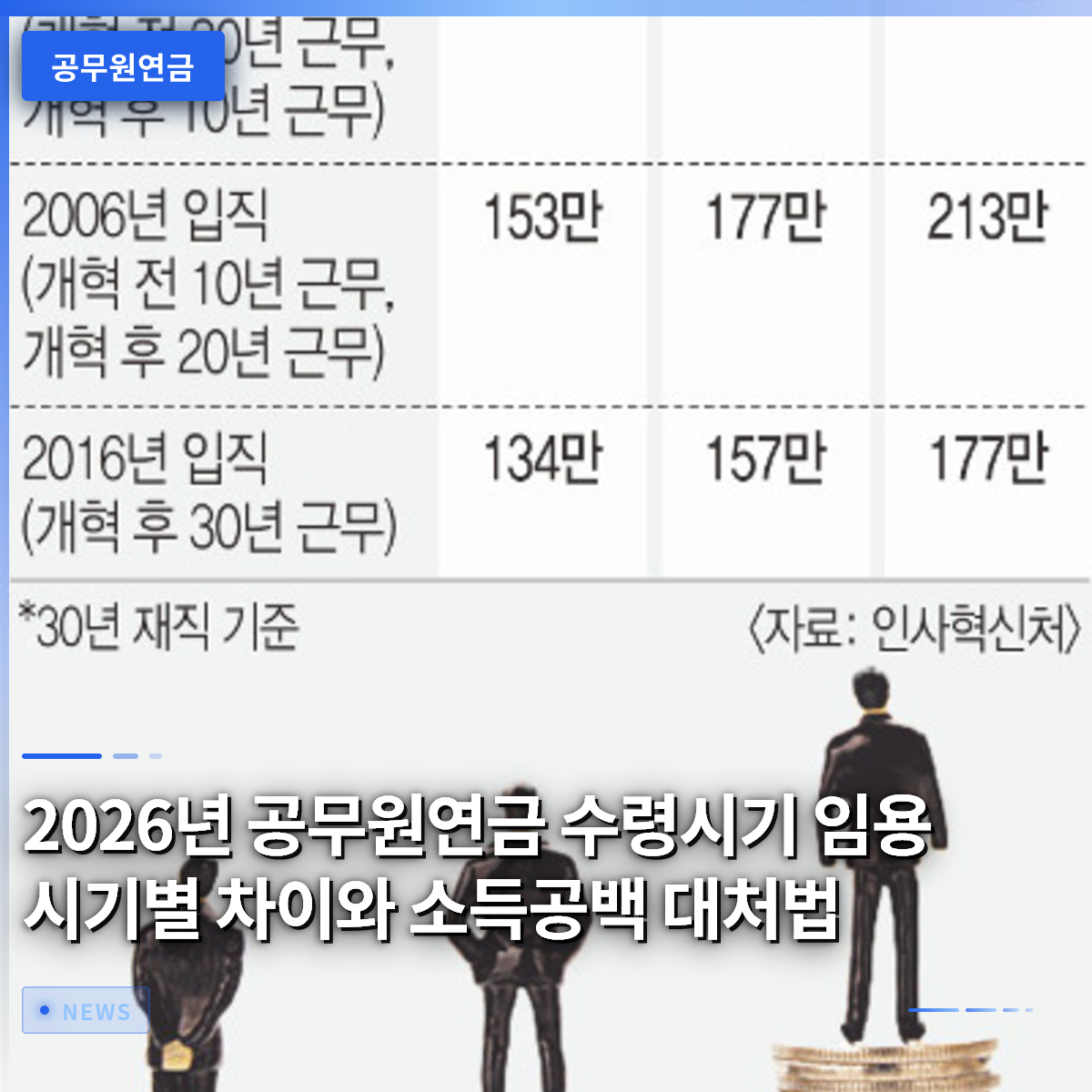
The court has ruled that the phased application of the start date for civil servant pension payments based on appointment timing is legitimate and does not infringe upon property rights or the right to equality. The concerns of retirees who cannot receive their pensions immediately after retiring at the mandatory retirement age of 60 and must endure a several-year income gap are deepening. In fact, the Seoul Administrative Court has stated that the delay in the payment age due to past amendments to the Civil Servant Pension Act is not unconstitutional, thereby reaffirming the existing institutional framework. This article will detail the exact criteria for pension receipt timing by appointment period as of 2026 and strategies for managing post-retirement assets. To safely manage your household finances after retirement, it is essential to clearly understand the differences based on your year of birth and appointment date. Let us now carefully examine the key information regarding civil servant pension receipt.
=
2026 Civil Servant Pension: Differences in Receipt Timing by Appointment Date and Strategies for Income Gaps
1. Reasons for Differences in Pension Receipt Timing by Appointment Date

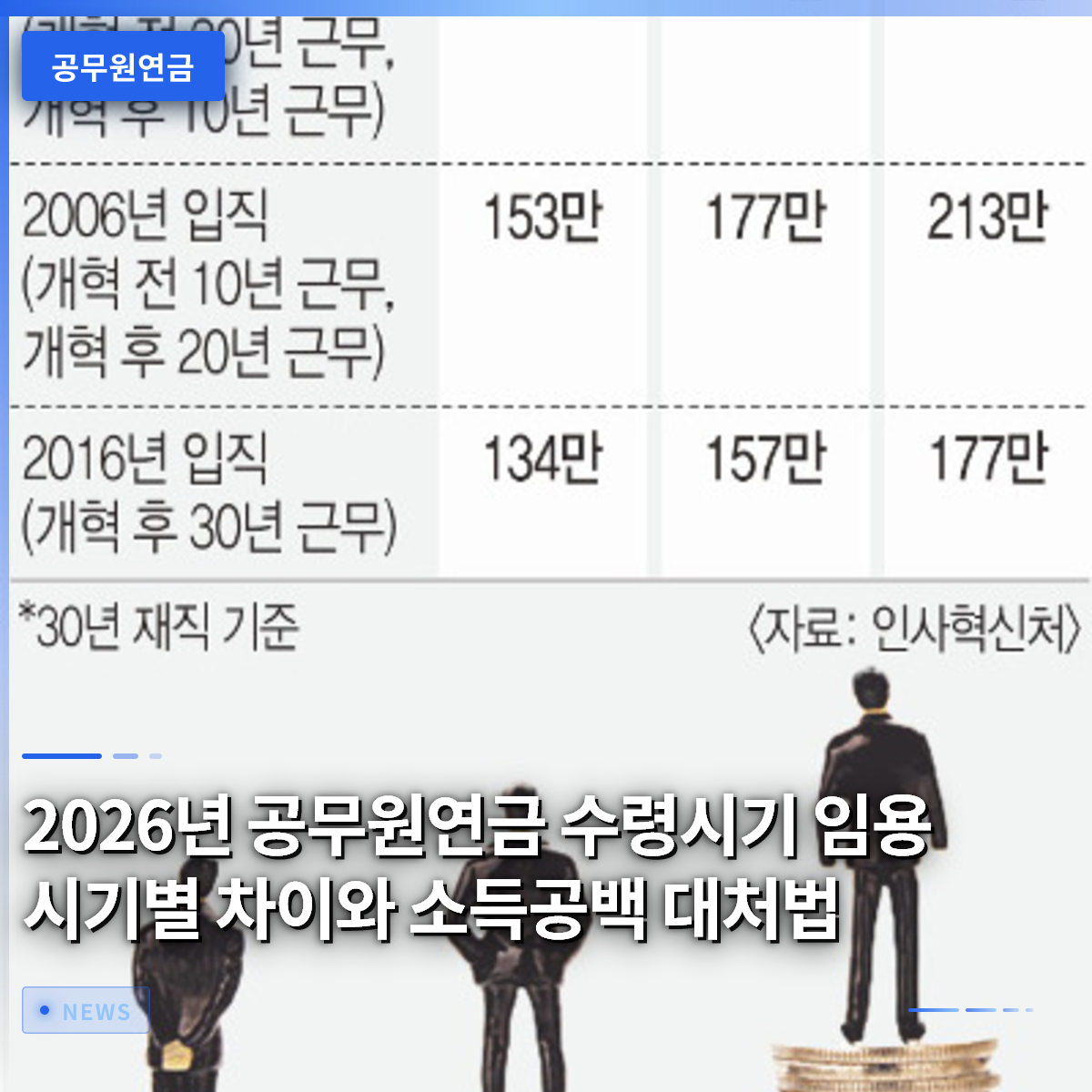
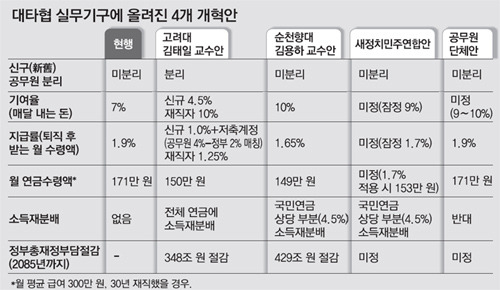
The reason why the civil servant pension receipt timing varies by appointment year is that a phased application method was adopted during the legislative amendment process aimed at stabilizing pension finances in the past. Previously, pensions were paid out simultaneously with mandatory retirement, but major amendments were made to address concerns about fund depletion and to ensure fairness with the National Pension receipt age. As a result, a structure has been created where civil servants appointed more recently face a later pension receipt age. The courts have also determined that these amendments were necessary measures to ensure public interest and fiscal soundness. Therefore, the judiciary’s consistent position is that it is difficult to view this as a simple infringement of property rights. The time gap between an individual’s retirement date and the actual pension receipt date acts as a significant variable in personal asset planning. In particular, how one endures the period of income interruption immediately after mandatory retirement becomes the key to the success or failure of one’s retirement life.
The differential pension receipt timing based on appointment date is a legitimate measure for financial stability, as confirmed by court rulings.
2. The Reality of the Income Gap Period After Mandatory Retirement
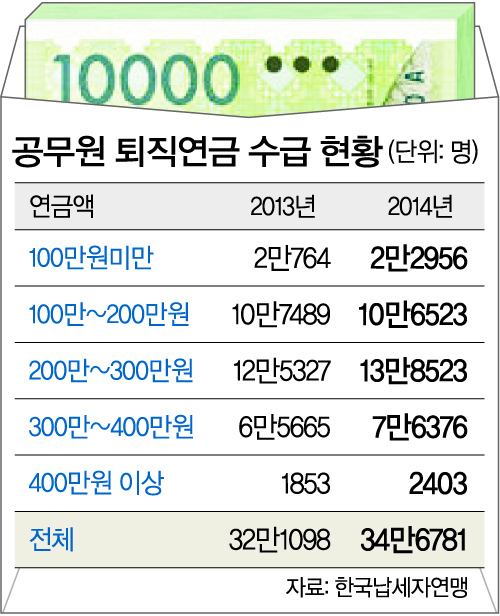
Many civil servants who reach mandatory retirement at the age of 60 experience a period of no income for up to several years until they begin receiving their pensions. For example, even veteran police officers who have served diligently for over 30 years are often taken aback because their pensions do not start immediately after mandatory retirement. With their monthly salary cut off, they must still cover children’s tuition fees and mortgage interest, placing a heavy burden on their household economy. The severity of this income gap varies greatly depending on individual savings and plans for utilizing the lump-sum retirement benefit. Those who retire without preparation may instantly face financial hardship or be forced to jump into the competitive job market. Like the case of a former local government official who even filed a lawsuit, many retirees are demanding institutional supplements for this gap period. However, the judiciary has ruled that this time lag itself does not infringe upon the right to equality, respecting the legislative branch’s discretion.
The income gap occurring between mandatory retirement and pension receipt poses a significant threat to the retirement household budget, making prior preparation essential.
3. How to Check Individual Receipt Timing via the Civil Servant Pension Service Website
If you want to know your exact civil servant pension receipt timing, the most reliable method is to visit the official website of the Civil Servant Pension Service (CPS) and check it directly. After searching for the CPS homepage on a portal site and logging in with your authentication certificate, you can view personalized information. By using the pension benefit guidance menu or the personal information inquiry section on the main screen, you can see the payment start age based on your appointment date and expected retirement date. Occasionally, people mistakenly assume their receipt timing based solely on what acquaintances say, so it is crucial to verify your own data through official channels. The website also provides tools such as a pension estimate calculator and various welfare information, so it is a good habit to visit regularly. Recently, with the ease of inquiry via mobile devices, accessibility for middle-aged and senior citizens approaching retirement has significantly improved.
You must log in to the Civil Servant Pension Service website to directly check your exact pension receipt timing based on your appointment year.
4. Diverse Public Service Experience and Post-Retirement Asset Management Strategies
As you conclude a long career in public service, wisdom is needed to plan various asset management strategies alongside retirement benefits and pensions. Many individuals leverage their professional experience in public office to find re-employment in private companies or start a second life through self-development activities such as winning literary awards. There are also cases, like being selected as a social welfare official in Jeju Island to contribute to improving the basic pension system or senior employment projects, where one can continue fulfilling activities. It is important to view post-retirement life not merely as an economic gap period, but as an opportunity for social contribution and self-realization. From a financial asset perspective, you should comprehensively consider personal pensions, reverse mortgages, etc., to cover living expenses until the pension begins. Rather than risky investments, a portfolio restructuring focused on creating stable cash flow is required.