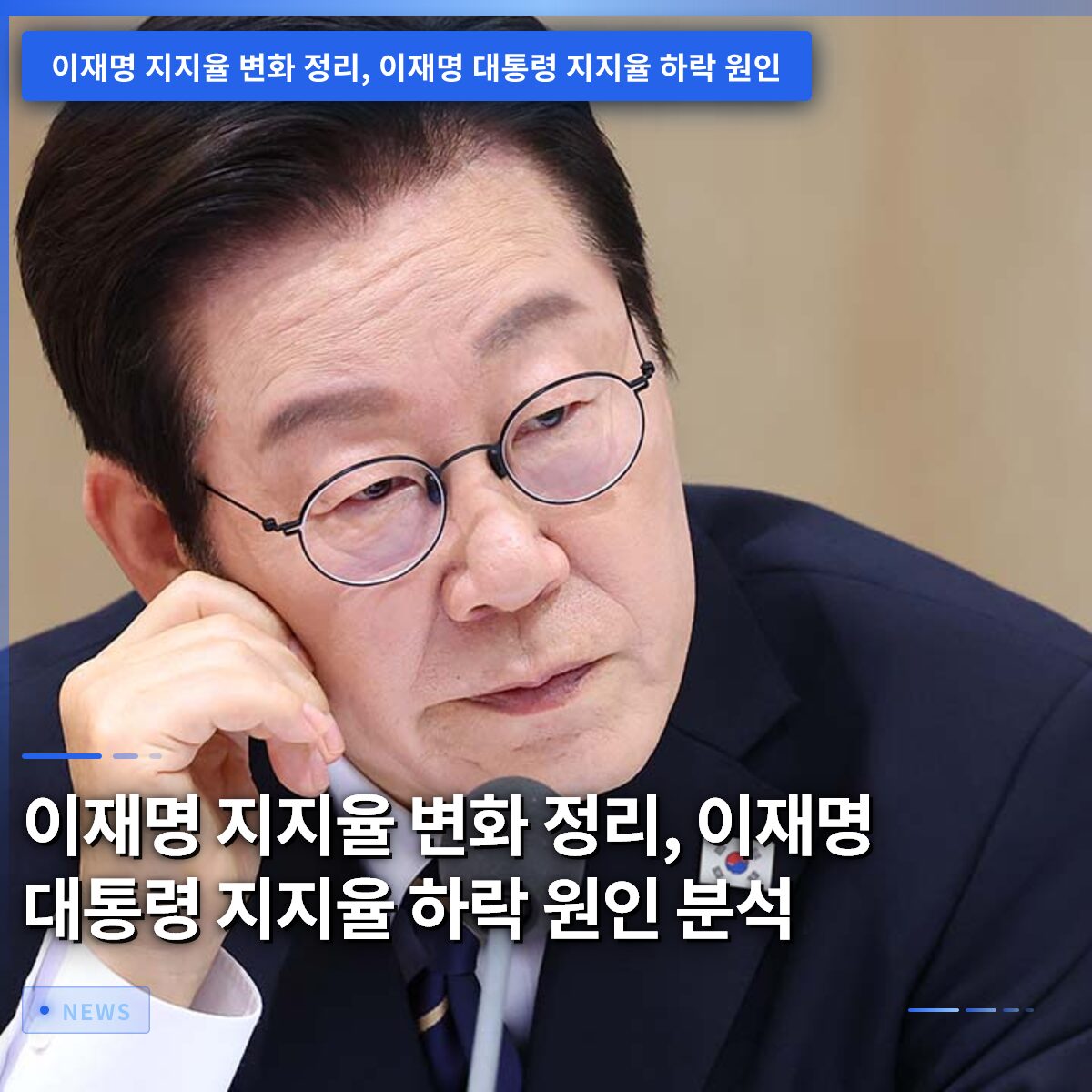
President Lee Jae-myung’s approval rating for his performance in office has dropped to the mid-30s percent range for the first time since his inauguration, tracing a steep downward curve. Positive evaluations, which exceeded 60 percent just a few months ago, are now heading toward the bottom due to repeated setbacks and a decline in the perceived impact of policies. Livelihood issues that citizens face directly, such as housing problems and rising prices, are cited as the primary reasons turning voters away. In political circles, there is a serious atmosphere regarding not only the cold reaction in Seoul and the metropolitan area but also the defection of the youth and moderate voters, who were traditionally a core support base. Although President Lee recently pledged to change his approach to direct communication and governance in a Blue House press conference, it appears to be a long way off before public opinion can be reversed. In this article, we will examine the trajectory of the approval rating changes based on the latest figures from major polling agencies such as Korea Gallup and Realmeter, and thoroughly analyze the core causes of the loss of public support.
=
Analysis of Changes in President Lee Jae-myung’s Approval Rating and Causes of the Decline
1. Approval Rating Trends Hitting New Lows Since Inauguration
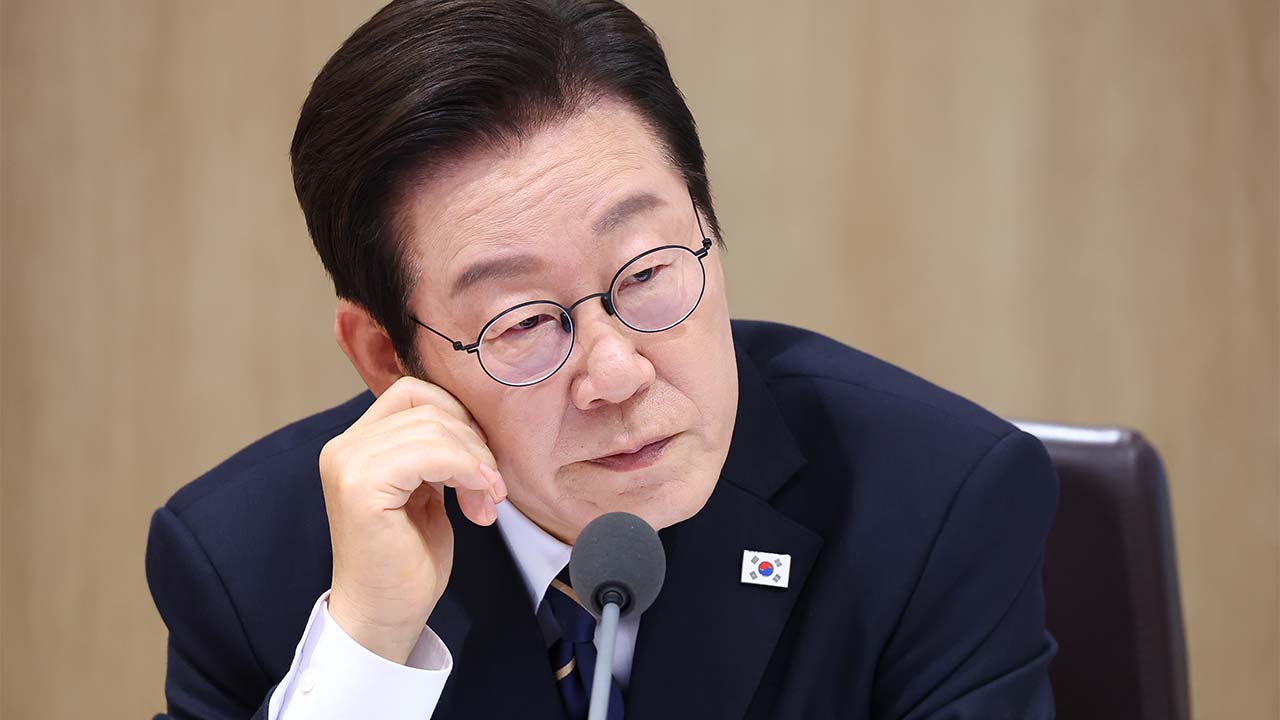
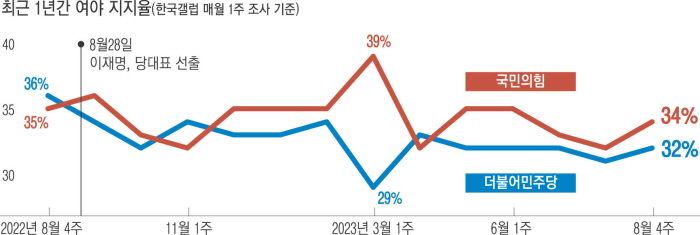
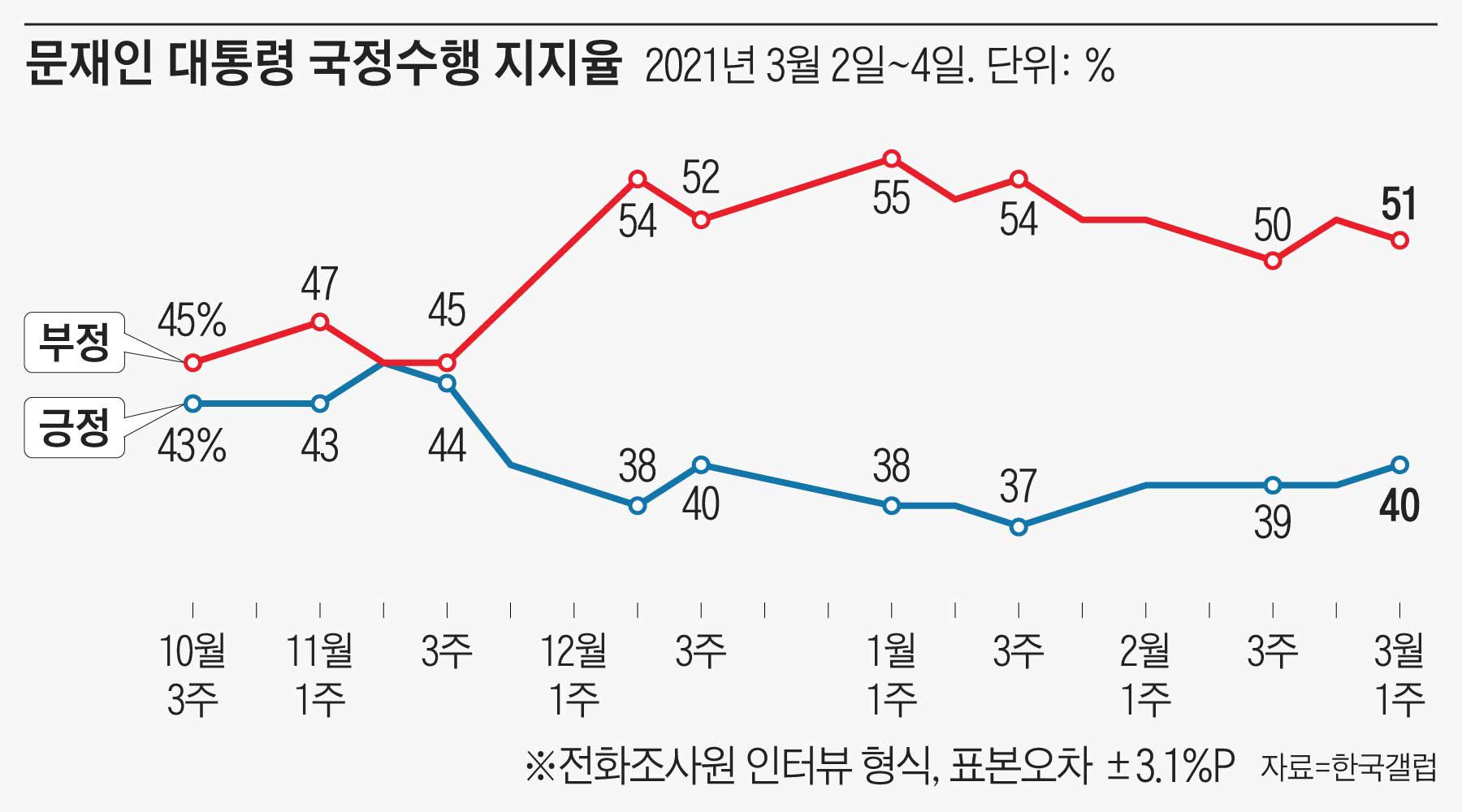
Compared to the six-month mark of his presidency last year, President Lee Jae-myung’s approval rating shows an irreparable gap, continuing a daily downward trend. Positive evaluations, which stood at 60 percent at the time, gradually eroded as the year turned, eventually plummeting to the mid-30s percent range in recent polls. According to a survey released by Korea Gallup in mid-September, positive evaluations recorded 37 percent, while negative evaluations reached a staggering 56 percent. This represents a 1 percentage point drop in positive evaluations and a 5 percentage point surge in negative evaluations compared to the previous week, marking the fourth consecutive week of setting new post-inauguration lows. Results from another polling agency, Realmeter, were not significantly different, with positive evaluations for governance performance in the mid-30s percent range, confirming the chilly public sentiment.
Of course, since each agency has differences in sampling methods and survey periods, mechanically comparing specific figures is difficult. However, the fact that all indicators are drawing a downward curve, regardless of survey methodology, indicates that current governance is facing a critical juncture. It is interpreted that the collapse of the approval rating defense line was not caused by a single specific incident, but by the explosion of accumulated disappointment. In particular, positive evaluations in the Seoul area barely held the 30 percent line, while the Incheon and Gyeonggi regions remained in the high 30s percent range, revealing that public sentiment in the metropolitan area is far from stable. By age group, positive evaluations among young voters aged 18 to 30 were limited to around 30 percent, indicating the depth of disappointment among younger voters.
President Lee Jae-myung’s approval rating has dropped from the 60 percent range in the early days of his term to the mid-30s percent range recently, recording its lowest level for four consecutive weeks.
2. Loss of Public Support Due to Real Estate Policy Uncertainty
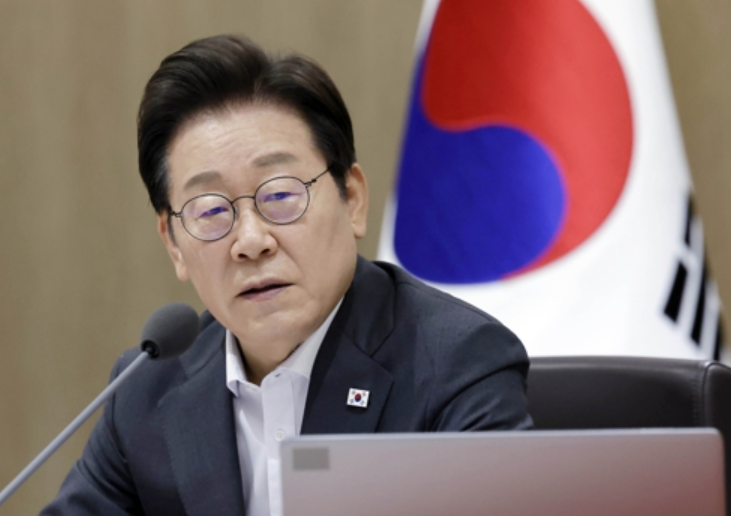
Real estate policy is undoubtedly cited as the most painful mistake that has eroded President Lee Jae-myung’s approval rating. In recent polls, housing price stabilization failure and housing instability were the most frequently cited reasons for negative evaluations. In various surveys conducted in August and September, real estate policy consistently held the top spot among reasons for negative evaluations, fluctuating between 20 and 30 percent of the total. Residents in the metropolitan area, including Seoul, feel that government measures are not yielding results amidst soaring housing costs and tax burdens. There is widespread criticism that blaming past administrations for supply shortages or frequently revising policy directions has actually increased anxiety among market participants.
In reality, the current housing market feels precarious to both non-homeowners dreaming of owning a home and single-homeowners suffering from tax burdens. Simultaneous fluctuations in rental and sale prices have directly hit the household budgets of ordinary citizens, leading directly to a punitive sentiment toward the administration. As policy consistency wavers and tangible housing stabilization measures are not felt, even moderate voters who had trusted and supported the government have begun to turn their backs. Experts warn that since real estate is the most sensitive economic indicator for South Korean voters, a rebound in approval ratings is out of reach unless this issue is resolved.
Real estate policy, which failed to resolve soaring housing prices and housing instability, acted as the biggest cause of the decline in approval ratings.
3. Personnel Controversies and Decline in Perceived Livelihood Economy
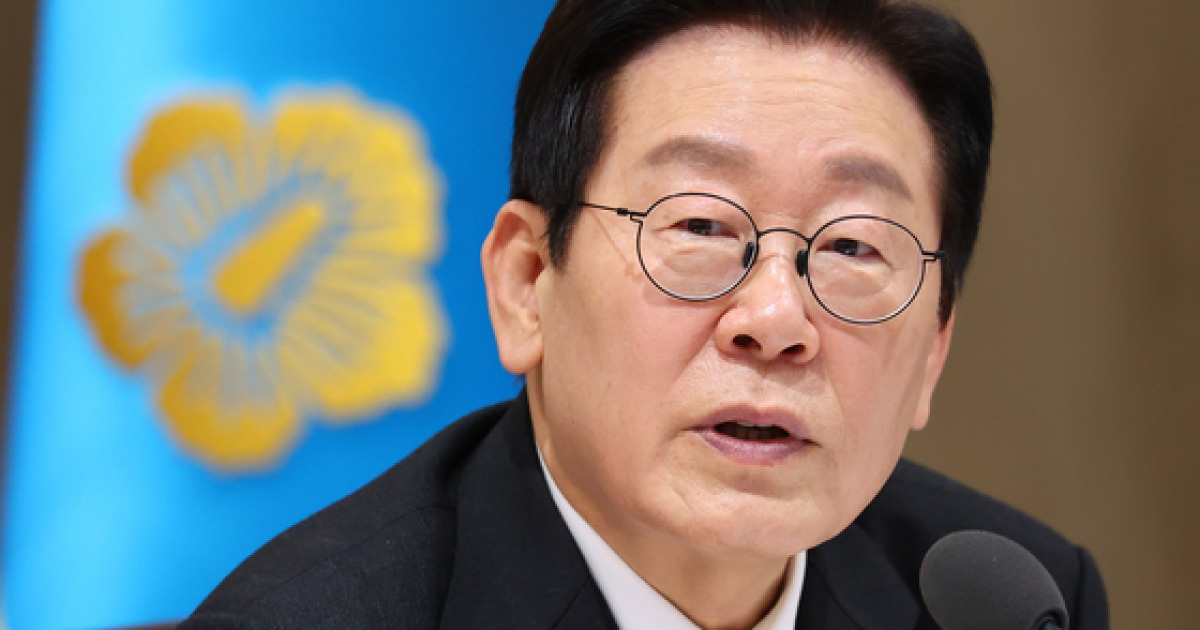
Along with real estate issues, a chain of personnel controversies and chronic livelihood economic difficulties have also been major factors fueling the decline in approval ratings. During the appointment process for key high-level positions, candidates who did not meet public standards were repeatedly nominated, pushing distrust in the Blue House’s personnel verification system to its peak. Criticism of “parachute appointments” and controversies over unqualified candidates erupted not only from the opposition party but also from progressive civic groups and the youth. While prices and exchange rates continue to soar, the grocery prices felt by ordinary citizens are becoming lighter day by day, bringing fatigue regarding the livelihood economy to its peak.
The economic pain experienced in daily life, where everything except salaries has gone up, was enough to provoke voters’ anger. Although the foreign policy sector received relatively decent evaluations, diplomatic achievements do not register in the eyes of the public when faced with daily food costs and public utility bills. Although a cabinet reshuffle was carried out to refresh the atmosphere, it was insufficient to calm the already angry public sentiment, and criticism that policy uncertainty remains is dominant. With the double burden of personnel failures and economic difficulties, red lights have been turned on for both the morality and competence of the administration.
Successive personnel controversies and livelihood economic difficulties, including rising prices, further increased voters’ disappointment.
4. Diverging Views on Press Conferences and Communication Styles
As public opinion continued to deteriorate, President Lee Jae-myung took the microphone himself, holding a press conference to explain the direction of governance and attempting a frontal breakthrough. At the event, the President attributed all responsibility for the recent decline in approval ratings to his own shortcomings, expressing his will to communicate with a more humble attitude in the future. However, evaluations from political circles and the media regarding this press conference were extremely divided, failing to fully recover public sentiment. While he called for both reform and integration, there were points raised that it remained at the level of principled statements rather than concrete solutions.
In particular, the part where he mentioned the supply shortages of the previous government and local governments as the cause of rising housing prices was perceived as an evasion of responsibility, provoking public outrage. Although he tried to dispel strategic misunderstandings by stating he had no intention of seeking a second term, the dominant evaluation is that he failed to show a masterstroke to break through the immediate economic crisis. While increasing the frequency of communication is important, the sincerity of the press conference will inevitably fade if it is not backed by policy changes that citizens can actually feel. This is why public opinion indicators have not immediately rebounded despite the President’s apologies and pledges.
Although the President personally expressed his will to communicate, it was insufficient to completely reverse public opinion due to a lack of concrete measures.
5. Key Points to Watch That Will Determine the Future Political Landscape
Whether the Lee Jae-myung administration can create an opportunity for a rebound in approval ratings depends on several major political crossroads. The first point to watch is whether public opinion on related policies will turn positive as the real estate market enters a period of stability. How effectively and swiftly the government pursues effective housing supply measures and tax reform plans will determine the direction of public sentiment in the metropolitan area. Second, we must watch whether the personnel renewal of the Blue House and the cabinet goes beyond mere showmanship and leads to the appointment of fresh and capable talent.
Third, the key is whether practical livelihood stabilization solutions that alleviate the economic pain felt by ordinary citizens amidst high inflation and high exchange rates will be derived. Finally, attention is focused on how young and moderate voters, who have turned their backs in the past, will react to the government’s sincere tone of reflection. Rather than being elated or depressed by short-term approval rating numbers, it is a time when wisdom is needed to accurately read the bottom of public sentiment by examining the long-term trends of the same polling agency. Since the high expectations of the early days of the administration have turned into disappointment, the actions from now on will be an absolute watershed that determines the future momentum of the state.
Future recovery of approval ratings depends on visible results in real estate policy, thorough personnel renewal, and improvements in the perceived livelihood economy.
6. Recommendations for Turning Political Crisis into Opportunity
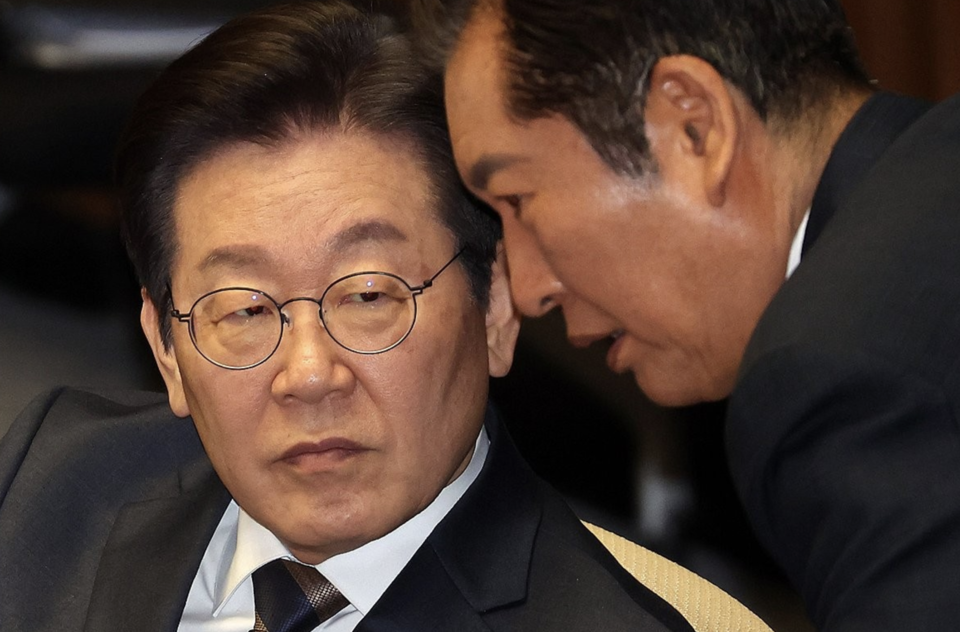
The current decline in approval ratings is a serious warning that goes beyond a simple administrative crisis, representing the sudden eruption of accumulated national dissatisfaction and fatigue. For the Lee Jae-myung administration to break through this difficult situation and regain trust, it is most important to have an attitude of accepting the people’s voices without reservation. It must boldly correct wrong policies and demonstrate the flexibility to engage in cooperative governance regardless of party affiliation, rather than stubbornly pushing through. Only when it returns to a pragmatic course that prioritizes livelihoods above political gains and losses will the cooled public sentiment gradually open its heart.
Readers, please do not be swayed by sensational reports from specific media outlets or short-term polling figures, but observe the grand flow of policies our society is heading toward with a cool head. While referring to diverse opinions from blogs and internet communities, it is more essential than ever to have the posture of contemplating the future of the country with a wise eye. It is time to watch the effectiveness of the upcoming cabinet reshuffle and real estate measures with an eagle eye and make sound political judgments. As the saying goes, crisis is opportunity, we hope that the government will undergo a complete transformation through this trial and demonstrate more mature governance.
Thorough reflection and the promotion of practical livelihood policies are the only way to reverse the cold public opinion and recover the momentum of the state.
Frequently Asked Questions
=