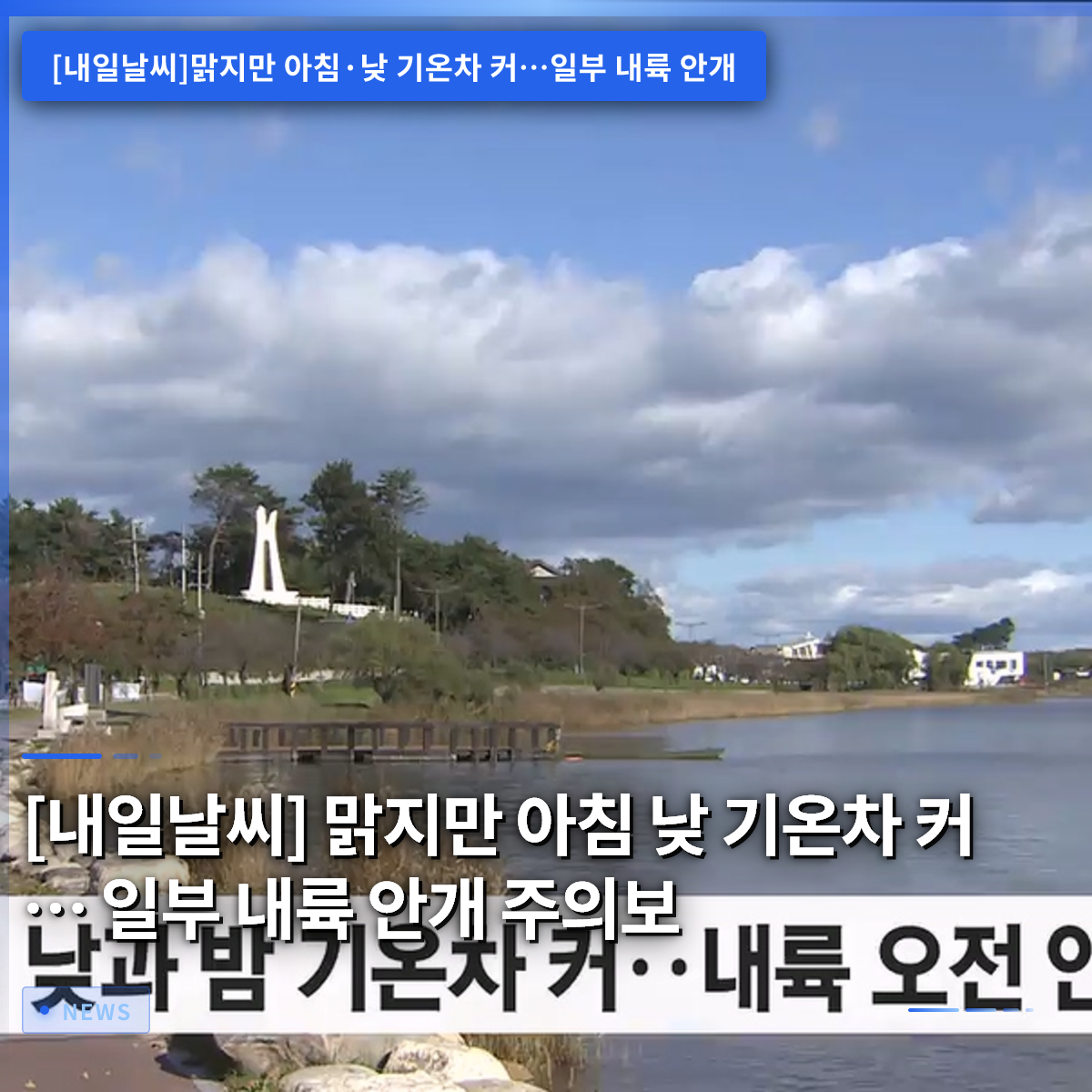
Tomorrow’s weather is forecast to be mostly sunny across the country, but the temperature difference between morning and afternoon is expected to be quite significant. It may feel cool or chilly in the morning, but temperatures will rise sharply by midday, so special attention is needed regarding clothing when going out. It is a time when the story of Mr. Kim, an office worker who went out for his morning commute in light clothing last week and suffered from cold symptoms, feels all too familiar. As immunity tends to drop and health is easily compromised during seasonal transitions, thorough preparation is required. In this article, we will take a detailed look at specific temperature distributions, fog conditions threatening safety on the commute, and precautions for coastal areas.
=
[Tomorrow’s Weather] Sunny but Large Day-Night Temperature Difference… Fog Advisory for Some Inland Areas
![[Tomorrow's Weather] Sunny but Large Day-Night Temperature Difference... Fog Advisory for Some Inland Areas](https://pub-e310bf4303744c7295d9b556111ff394.r2.dev/thumbnails/1789906898546_o4rjql.png "[Tomorrow's Weather] Sunny but Large Day-Night Temperature Difference... Fog Advisory for Some Inland Areas")
1. Nationwide Temperature Distribution and Diurnal Temperature Range Characteristics

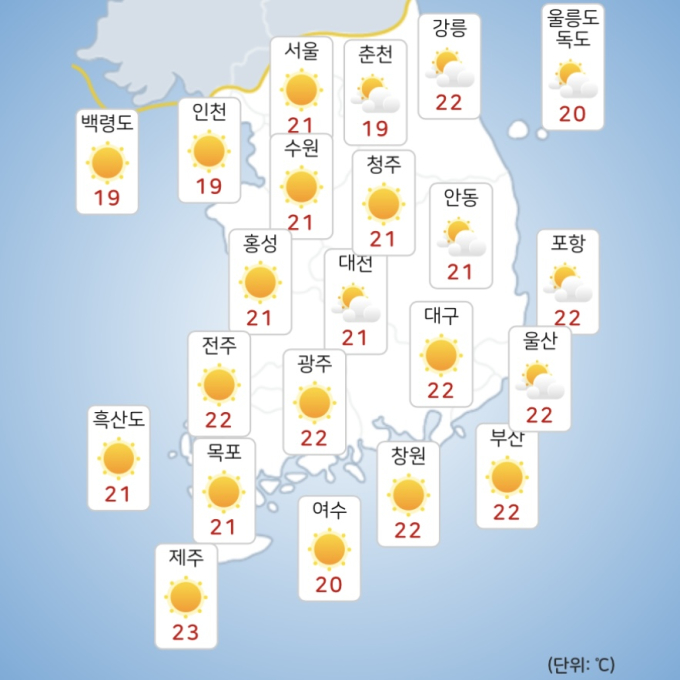
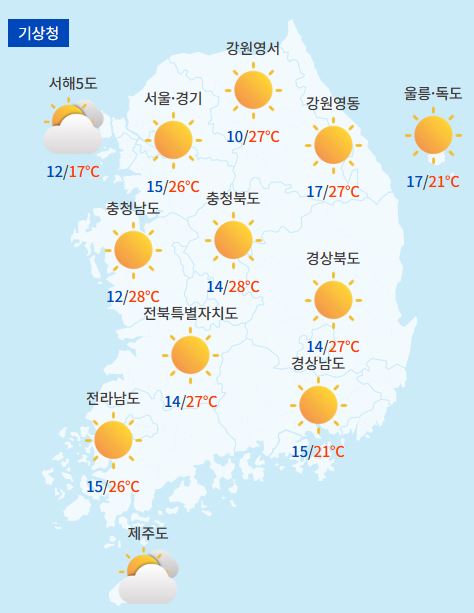
Tomorrow’s morning low temperatures are expected to range from 13°C to 19°C, bringing a somewhat chilly atmosphere. However, as the day progresses, temperatures will rise rapidly, with many areas reaching highs of 25°C to 31°C. In most regions, excluding the East Coast, the temperature difference between day and night is projected to widen significantly by 10°C to over 15°C. While a coat is essential when leaving the house in the morning, it will be warm enough by midday that wearing short sleeves will not feel out of place. This rapid temperature change can lower the body’s adaptability and easily cause fatigue, so caution is advised. It is common to see cases where people who took the diurnal temperature range lightly ended up catching a cold or suffering from air-conditioning sickness. Therefore, it is wise to always carry a light outer layer that can maintain body temperature in the morning and evening. When the temperature difference between indoors and outdoors is large, respiratory mucous membranes can weaken, making one more susceptible to viral infections. After going out, you should wash your hands thoroughly and stay hydrated to maintain your health. In particular, the elderly and young children are more sensitive to temperature changes, so close observation by guardians is necessary. Flexible adjustment of clothing to match weather changes is the best secret to maintaining health throughout the day tomorrow.
In most areas nationwide, the day-night temperature difference is expected to exceed 15°C, requiring thorough body temperature management.
2. Dense Fog Threatening Traffic Safety on the Commute
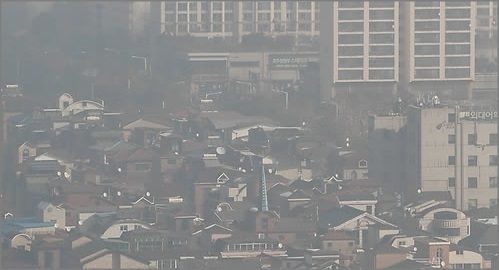
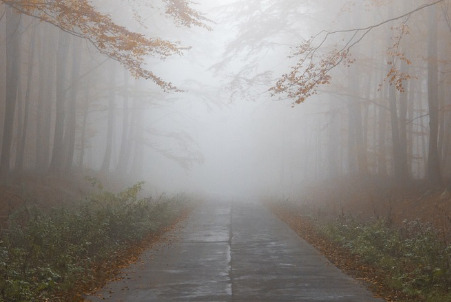
Dense fog that makes it difficult to see ahead is expected to form from last night through the morning, centered on inland areas. In particular, visibility is expected to drop below 200 meters in the Chungcheong inland and central and northern inland areas of Gyeongbuk. Drivers commuting to work must slow down significantly when driving on highways or national roads. Reports continue to come in from drivers who experienced a close call on a foggy road early last month due to poor visibility. In foggy conditions, you must maintain a following distance at least twice as large as usual to prevent collisions. When driving through fog, it is safer to turn on fog lights or hazard lights to indicate your position to surrounding vehicles rather than using high beams. Do not rely solely on navigation guidance; you should drive while directly checking the visibility conditions ahead on the road. Citizens using public transportation should also leave home a bit earlier than usual, considering the possibility of delays in bus or subway services. As morning temperatures drop, black ice may form on road surfaces, so extra caution is needed on bridges and at tunnel exits. The best safety measure is to practice defensive driving with a humble attitude in the face of natural phenomena.
Dense fog with visibility under 200 meters is expected, centered on the Chungcheong and Gyeongbuk inland areas, requiring reduced speed on the commute.
3. Caution for Coastal Safety Accidents and Rogue Waves
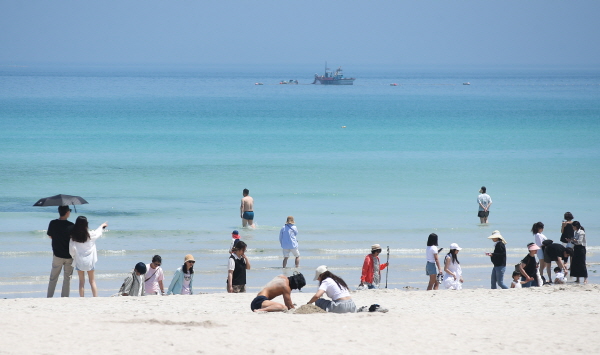
Tomorrow night, a very small amount of rain, less than 0.1 mm, is expected to fall, centered on the Gangwon East Coast and mountainous areas. Although the amount of rain will be very light and not enough to soak the ground, it is advisable to bring an umbrella if going out late at night. Along with this, high waves accompanied by strong winds are highly likely in the East Sea and South Sea. In particular, strong winds of 30 to 55 km/h are expected in the outer waters of the southeastern South Sea. Wave heights are also expected to reach very high levels of 1.5 to 3.5 meters, requiring caution for ships navigating or working. Residents near the coast and visitors heading to the sea for the weekend should avoid approaching breakwaters or coastal walking paths. Unexpected rogue waves can sweep people away in an instant, making them extremely dangerous. There have been actual reports of people nearly being swept away by high waves while taking photos on a breakwater during a recent holiday. The Coast Guard and local governments are strengthening patrols to prevent coastal safety accidents, so you must absolutely not enter restricted areas. If you visit the sea, always check weather information frequently and actively follow the instructions of safety personnel.
High waves and strong winds are expected in the East Sea and South Sea, requiring special caution when visiting coastal areas.
4. Marine Weather and Ship Operation Information
Sea waves will show some regional differences across all waters, but the situation generally remains tense. Waves in the East Sea nearshore waters are expected to be 0.5 to 2.5 meters, in the West Sea nearshore waters 0.5 to 1.0 meters, and in the South Sea nearshore waters 0.5 to 2.0 meters. However, the situation may become somewhat rougher in the inner offshore waters within about 200 km from the coastline. Waves in the East Sea offshore waters may surge up to a maximum of 3.5 meters, and those in the South Sea offshore waters may also reach a maximum of 2.5 meters. Fishermen going out to sea and passengers using ferries to island areas must check operation information in advance. Travelers planning to use maritime transportation should frequently check for cancellations due to bad weather. Cases of people becoming stranded or experiencing inconvenience by forcing a sea crossing are repeated every year, so flexible schedule changes are necessary. Even on board, you must follow rules such as securing cargo firmly so it does not shift and passengers wearing seatbelts. You must keep an eye on the Korea Meteorological Administration’s real-time special reports and adhere to the principle that safety is the top priority to prevent accidents in advance. Marine weather is highly volatile, so complacency is forbidden, and thorough preparation is the only answer.
High waves are expected in offshore waters, making it essential to check operation information in advance when using maritime transportation.
5. Health Management and Lifestyle Guidelines for Seasonal Transitions
Days are as hot as summer, while cool air lingers in the mornings and evenings, making it easy for the body’s rhythm to be disrupted. In such times, it is essential to maintain strong immunity through regular sleep habits and balanced nutrition. It is common to hear stories from acquaintances who caught a cold and suffered for days after being exposed to the cold on their morning commute without protection. When going out, it is best to dress in layers of thin clothing to flexibly cope with temperature changes. Additionally, it is important to ventilate indoors frequently to remove stale air and maintain a comfortable living environment. Adequate hydration is considered one of the easiest and most effective ways to maintain health during seasonal transitions. Drinking warm tea or water frequently keeps respiratory mucous membranes moist, greatly helping to prevent viral invasion. Consuming seasonal fruits and vegetables rich in vitamins is beneficial for fatigue recovery compared to excessive caffeine intake. Light aerobic exercise promotes metabolism and boosts immunity, but outdoor exercise in the early morning or late at night should be avoided. Forcing exercise in chilly weather can strain blood vessels, so it is wise to utilize daytime hours when the sun is up.
To maintain health during the seasonal transition with large diurnal temperature ranges, dress in layers and stay well hydrated.
6. Tomorrow’s Weather Outlook and Final Action Guidelines
Tomorrow will be sunny across the country, but you should remember the two weather variables: the large diurnal temperature range and morning fog. Commuting drivers should practice slowing down and maintaining safe distances, while pedestrians should bring a coat to prepare for the morning chill. Visitors heading to the coast need a mature attitude, paying attention to rogue waves and strictly following safety guidelines. These weather changes encountered on the threshold of autumn are natural phenomena, but our small negligence can lead to major accidents. We hope you will check weather information daily during this weekend and the coming week to spend a safe and healthy daily life. The attitude of thoroughly preparing without being defeated by sudden weather changes is the shortcut to improving our quality of life. It is also good to share news of tomorrow’s large temperature difference and fog with family and friends to help everyone have a safe day. We will continue to provide useful weather-related information and lifestyle safety guidelines quickly and accurately. We sincerely hope that all readers will arrive safely at their destinations on tomorrow’s morning commute and start an energetic day. Enjoy the beautiful autumn sky given by nature, but fill your day with happiness through safety habits that do not let your guard down.
A safe and healthy daily life must be maintained through thorough advance preparation and checking weather information.
Frequently Asked Questions
=