Civil servant pension recipients can legally file for personal bankruptcy through the court if their debts become excessive. It is essential to accurately understand the limits on garnishing the monthly pension and the legal protections in place. While it is easy to feel envious of acquaintances who served as civil servants for many years and are now enjoying a stable retirement, unexpected business failures or guarantee debts can lead to sudden financial crises. Many people are particularly curious about whether their monthly pension is subject to garnishment or included as an asset during bankruptcy proceedings. This article will carefully outline the key points regarding bankruptcy applications, property division standards in divorce, and the inheritance methods for survivor pensions. We will explain these complex laws and systems using relatable everyday examples, so reading to the end will be highly beneficial. Let us now explore smart ways to shake off vague anxieties and protect your precious retirement assets.
=
Comprehensive Guide to Bankruptcy, Divorce Property Division, and Survivor Pensions for Civil Servant Pension Recipients
1. Personal Bankruptcy for Civil Servant Pension Recipients and Methods to Prevent Garnishment

Even civil servant pension recipients who receive a stable monthly income may need to undergo personal bankruptcy or rehabilitation proceedings through the court if they accumulate unmanageable debts. However, many people lose sleep worrying that their right to receive the pension, which is deposited into their bank account every month, might be transferred to bankruptcy assets or garnished. For instance, Mr. Kim, a retired teacher from Seoul, decided to file for bankruptcy and visited a law firm after incurring hundreds of millions of won in debt while trying to help his child with business funding. Fortunately, according to relevant laws, the right to receive a civil servant pension is strictly protected from garnishment, meaning creditors cannot arbitrarily seize it. However, once the pension has been transferred to a bank deposit account, the effect of the garnishment ban may change slightly, so special caution is required. Therefore, the wisest approach when going through bankruptcy proceedings is to actively use a dedicated non-garnishable account to safely protect your pension rights. Even if the court issues a bankruptcy declaration, the minimum amount necessary for livelihood and the pension rights themselves are thoroughly protected by law. Thus, you do not need to despair prematurely, thinking that all your pension will be taken away just because you are struggling with debt.
The right to receive a civil servant pension is legally protected from garnishment and can be safely secured through a dedicated account even in the event of bankruptcy.
2. Precise Criteria and Timing for Property Division of Civil Servant Pensions in Divorce
When couples who have been married for a long time choose to divorce in their twilight years, the division of civil servant pensions is often the most fiercely contested issue. The retirement pension accumulated by a spouse who served as a civil servant is recognized as a result of the joint contributions of both parties during the marriage and is therefore included in the assets subject to division. For example, the Lee family, residing in Suwon, Gyeonggi Province, decided to divorce after more than 30 years of marriage. They faced significant conflict over how to divide the husband’s substantial monthly civil servant pension. Legally, to claim pension division in a divorce, the couple must have been married for at least five years, and the claim must be filed within two years of the divorce date. If this two-year legal deadline is missed, the right to claim division expires, so it is crucial not to miss the timing. If the other party attempts to hide pension assets or dispose of them arbitrarily, you should promptly file an application for provisional attachment or provisional disposition with the court to secure your rights. The division ratio is not uniformly 50/50; rather, it is determined fairly based on the degree of contribution to the formation of the pension during the marriage. Therefore, when preparing for divorce litigation, it is advantageous to secure accurate estimated severance pay and pension details in official documents in advance.
Property division of a civil servant pension must be claimed within two years of divorce if the marriage lasted at least five years, and the ratio is determined based on contribution.
3. Differences and Eligible Recipients for Civil Servant Pension Inheritance and Survivor Pensions
After losing a loved one, the first administrative procedure survivors must check is the inheritance of the civil servant pension and the receipt of survivor benefits. Many people confuse civil servant pension inheritance with survivor pensions, but there are clear differences in their legal nature and payment methods. Mr. Park, who lives in Jungnang-gu, Seoul, was confused about the difference between general inheritance and survivor pensions while looking into how to apply for survivor benefits after his husband’s sudden passing. General inheritance involves comprehensively inheriting both the positive and negative assets left by the deceased. In contrast, the survivor pension is a state-provided benefit paid to ensure the stable livelihood of survivors, based on the deceased’s period of service as a civil servant and their contribution payment history. Therefore, since survivor pensions are not included in the estate, a major advantage is that survivors can safely receive the full amount even if the deceased had many debts. The order of eligibility is strictly defined as spouse, children, and parents, and benefits can only be received by submitting the required supporting documents directly to the pension fund. A certain percentage of the pension the deceased was receiving may be paid to survivors monthly as a pension or as a lump sum, helping to mitigate economic shock. It is very important to prepare the relevant documents promptly to avoid missing the deadline from the date of death when claiming survivor benefits.
Civil servant pension inheritance and survivor pensions are legally distinct, and survivor pensions are paid safely to maintain the survivors’ livelihood, regardless of the deceased’s debts.
4. The Civil Servant Public Pension Service’s Transparent Anti-Corruption Policies and Integrity Activities
The Civil Servant Public Pension Service (CPSS) continuously reviews its various anti-corruption and integrity promotion plans to become a transparent and trusted public institution. At its headquarters in Jeju, meetings have been held under the supervision of the Chief Auditor, with external experts serving as Integrity Citizen Auditors, to strictly evaluate the performance of anti-corruption initiatives. These efforts are essential procedures to prevent corruption that may arise in the management and execution of civil servant pensions and to establish the institution as one that is more trusted by the public. General citizens expect that, just as civil servants receive stable pensions, the internal morality and transparency of the institution are maintained at a high level. Recently, to mark traditional holidays, the CPSS has carried out social contribution activities to share warmth with vulnerable neighbors in the community, fulfilling its social responsibility as a public institution. When transparent administrative processing and a thorough internal control system are in place, both pension contributors and recipients can trust the system with peace of mind. The CPSS is making every effort to implement fair pension administration by strengthening integrity education for internal employees and constantly monitoring areas vulnerable to corruption. These multi-faceted efforts ultimately serve as the foundation for enhancing the soundness of the entire pension system and firmly protecting the rights and interests of recipients.
The Civil Servant Public Pension Service, together with Integrity Citizen Auditors, reviews its transparent anti-corruption performance to implement trusted administration.
5. Current Status of Emergency Duty and Livelihood Stability Support by Local Government Civil Servants
Civil servants belonging to local governments across the country enter emergency duty modes during holidays and crisis situations, silently taking responsibility for the safety and livelihood of the people. In several local governments, including Chungcheongnam-do, thousands of civil servants participated in situation duty during holiday periods, conducting field-centered administration such as visiting traditional markets and checking prices. Thanks to the efforts of these civil servants who work hard on the ground, residents can enjoy safer and more peaceful holidays, and welfare funds for vulnerable groups are disbursed early. It is also local government civil servants who handle the administrative tasks to ensure that disability pensions, allowances, and meal support for children are provided on time. In election districts and various large-scale voting sites, trained general civil servants are deployed to manage accurate vote counting and fair procedures, rather than relying solely on computerized systems. It is because civil servants diligently perform their duties in every corner of society that our basic public services and welfare systems are maintained stably. Citizens are sending deep understanding and evaluation for the hard work and administrative contributions of civil servants in the field, just as they appreciate the stable pensions they receive. The role of the civil servant collective in resolving complex social issues is expected to become even more important in the future.
Local government civil servants firmly support the social safety net through emergency duties and field administration aimed at stabilizing livelihoods.
6. Future Outlook of the Civil Servant Pension System and Smart Retirement Preparation Strategies
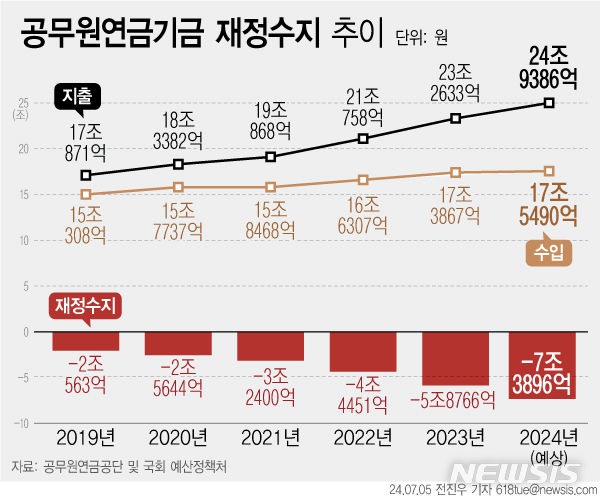
With the rapid change in population structure and aging, social discussions and calls for reform regarding the sustainability of the civil servant pension system continue unabated. Unlike in the past, as the duration of benefit receipt lengthens and the number of recipients surges, reasonable system improvements and long-term measures for financial stability are urgently needed. From an individual perspective, rather than relying entirely on the state pension for retirement, it is necessary to diversify assets by utilizing various means such as personal pensions and reverse mortgages. Additionally, it is wise to learn relevant legal knowledge in advance to prepare for unexpected legal disputes such as divorce or bankruptcy. It is highly likely that laws and systems related to civil servant pensions will become more stringent and detailed in the future, so it is important not to miss the changing trends. To fully protect your precious retirement assets and rights, it is most important to prepare in advance based on accurate facts and respond proactively. Please check your current pension receipt status and property situation right now and calmly take the first step toward a secure future. If thorough information gathering and proactive asset management are combined, anyone can complete a stable and abundant retirement even amidst changing policies. I sincerely hope you will always remember the key points shared today and handle situations wisely.
You must prepare for a secure retirement by keeping pace with changes in the civil servant pension system through thorough personal asset management and legal knowledge.
Frequently Asked Questions
=