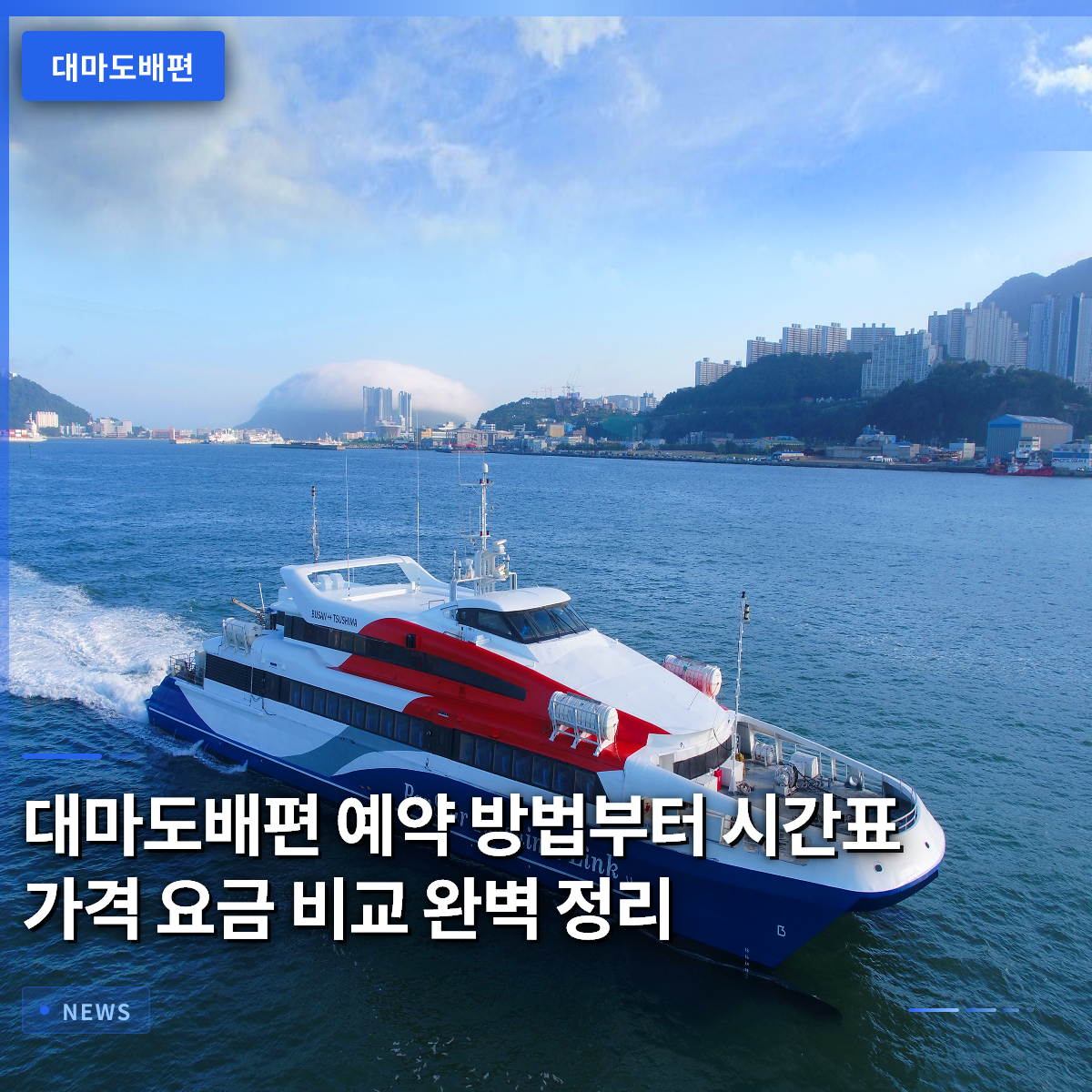
To enjoy an overseas trip at a reasonable cost even in an era of high fuel prices, it is essential to book your Tsushima ferry departing from Busan in advance. With recent significant increases in airfare, Tsushima, which is just a 2-hour high-speed ferry ride from Busan Port, has regained popularity as a highly sought-after destination. In fact, Mr. Kim, an office worker, reported that he booked a round-trip ticket for around 30,000 KRW and had a highly satisfying day trip during the weekend. However, if you do not meticulously plan your schedule and transportation according to the fixed ferry schedules, you are likely to spend your time rushing around locally. This article provides a comprehensive overview, covering fares by vessel type, characteristics of each port, and tips for budget-friendly reservations.
=
Complete Guide to Tsushima Ferry Reservations: Schedules, Prices, and Cost Comparisons
1. Overview and Appeal of Tsushima Ferries from Busan
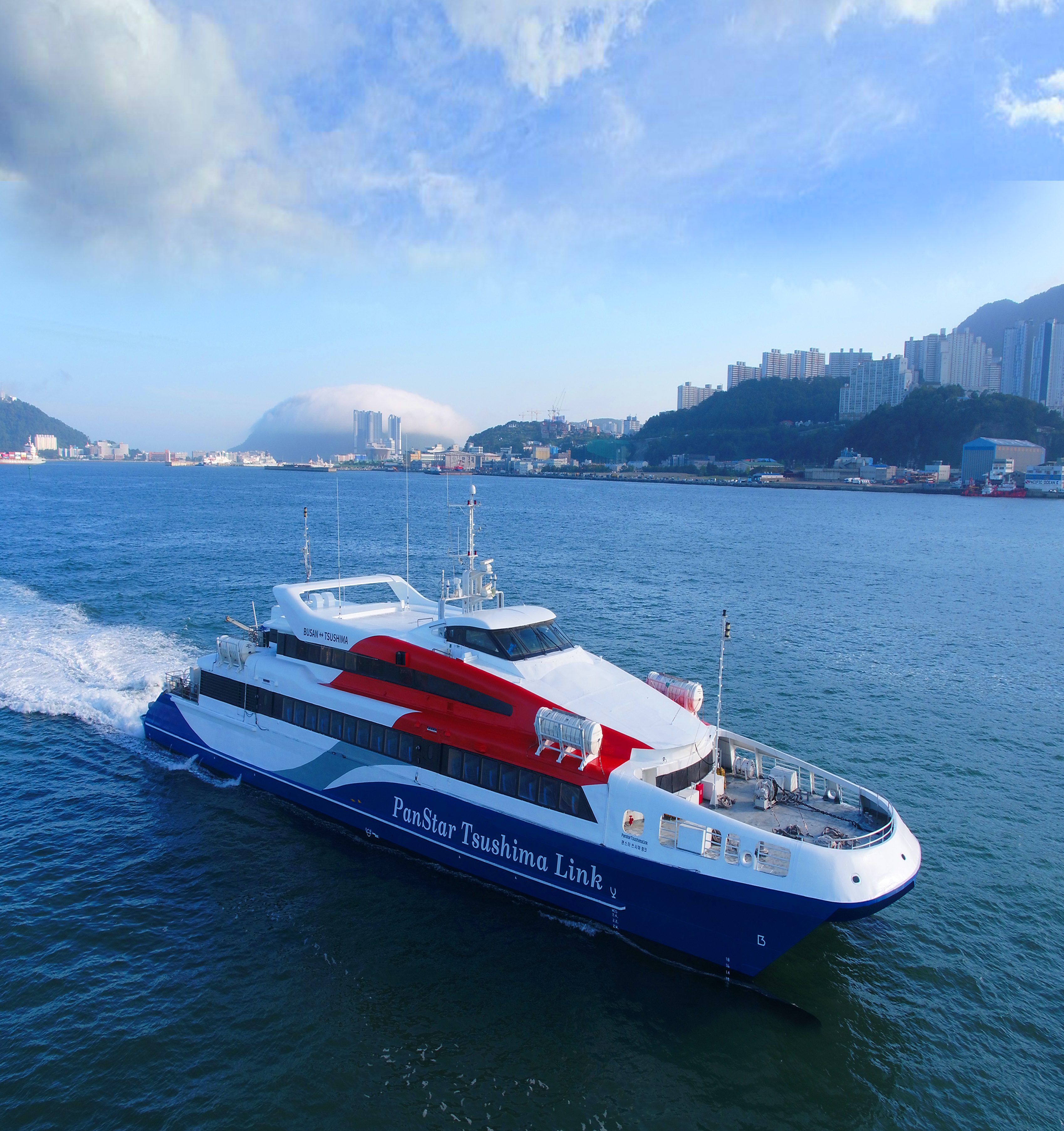
The Tsushima ferry departing from the Busan Port International Passenger Terminal is the fastest way to experience an exotic landscape in just two hours. Even when airfare prices soar, sea travel maintains relatively economical rates, significantly reducing the financial burden on households. Unlike in the past, the internet real-time reservation system is well-established, allowing even novice travelers or solo adventurers to easily secure tickets. The ability to visit comfortably with a day trip or a light one-night, two-day itinerary is cited as the top advantage among office workers.
Upon arriving at Busan Port with your passport and completing exit immigration, you will immediately board a high-speed ferry crossing the rough sea. The secret to enjoying delicious foreign food and shopping without the burden of a long journey is utilizing short weekend hours. A unique and appealing experience is watching the vast sea while traveling by boat, which helps blow away daily stress. Since regular routes operate consistently every day, it is easy to make flexible plans according to your personal schedule.
The Tsushima ferry, reachable from Busan in just two hours, is the most economical and fast alternative for overseas travel in the era of high fuel prices.
2. Guide to Choosing Between Hitakatsu and Izuhara Ports

Ferries to Tsushima are divided into two main arrival destinations: Hitakatsu Port in the north and Izuhara Port in the south. Hitakatsu Port has a shorter travel time from Busan and is surrounded by charming restaurants and supermarkets. It is an ideal area for visitors who mainly plan day trips to enjoy delicious food and light shopping. On the other hand, Izuhara Port is the central hub of Tsushima, with relatively well-developed historical sites, large shopping districts, and accommodation facilities.
If you are planning an itinerary of one night and two days or longer that includes historical exploration, choosing the Izuhara route is much more advantageous. Since the radius of accessible areas and public transportation conditions differ by port, it is essential to make a choice that suits your travel purpose. If you plan to rent a car locally to explore every corner of the island, it does not matter much which port you arrive at. However, for novice travelers visiting for the first time, it is recommended to start with a Hitakatsu day trip package, which has a relatively simple route.
Choosing Hitakatsu for short itineraries and Izuhara for in-depth exploration is the shortcut to an efficient trip.
3. Vessel Types and Latest Price/Fare Comparison
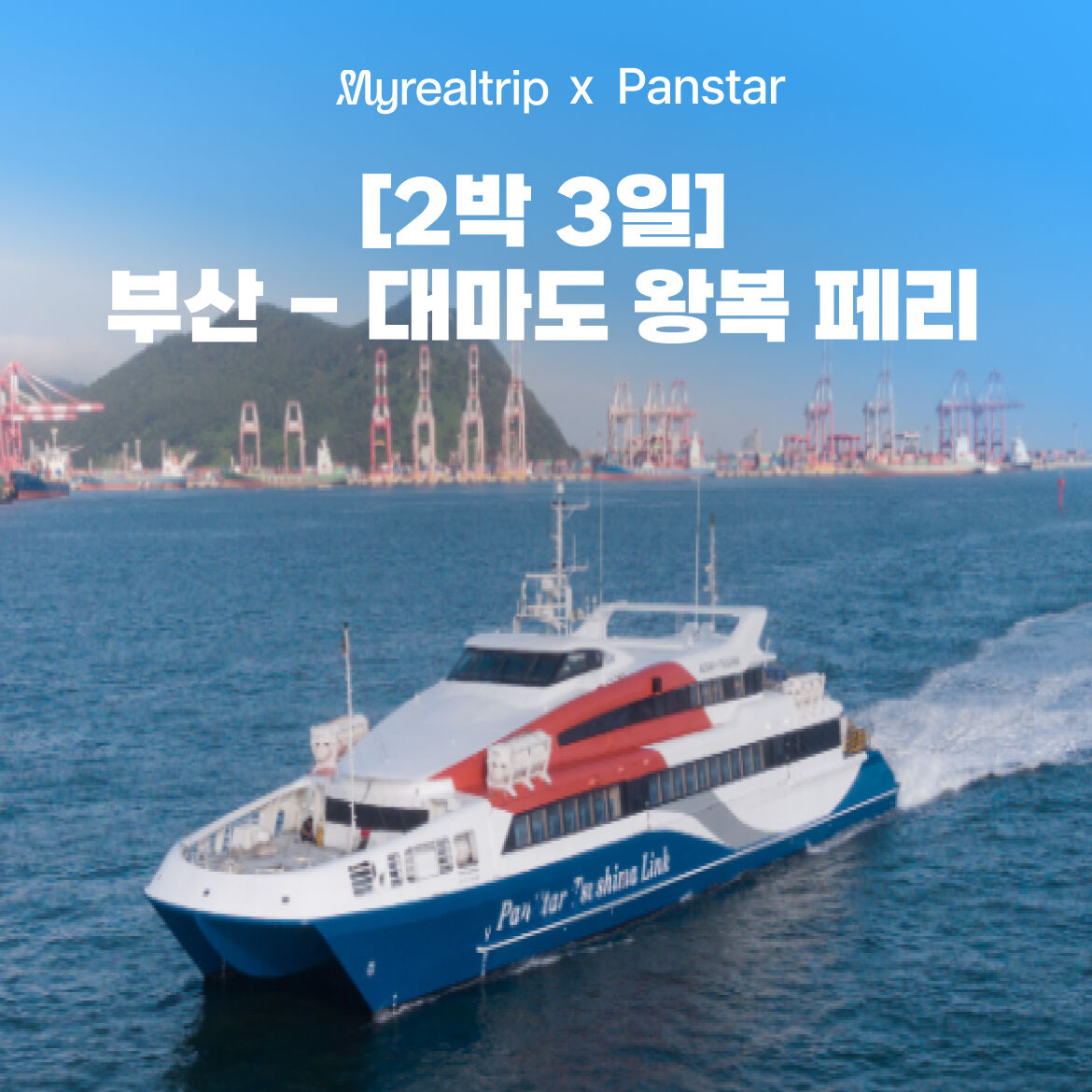
Representative vessels operating on the Tsushima route include high-speed ferries such as the Sea Flower, Tsushima Link, and Nina. The basic round-trip ticket price for adults starts from the 30,000 KRW range for special offers, but fares may vary on weekends or during peak seasons. Discount benefits are applied depending on the category (youth, senior, child, infant), so it is advisable to check carefully during the booking process. You must verify in advance whether additional costs such as fuel surcharges or port taxes are included in the final payment amount to avoid exceeding your budget.
Cancellation fee policies for overly cheap special offers can be strict, so you should consider the possibility of changing your schedule. By booking via phone or online travel platforms, you can compare remaining seats and exact fares in real time and make payments. Tickets sell out quickly on weekends and holidays, so it is safe to book immediately once your travel dates are confirmed. Thanks to reasonable prices that can replace expensive air tickets, the flow of people seeking sea travel remains constant.
Prices vary by vessel type and booking time, so you must carefully compare, including additional costs.
4. How to Check Ferry Schedules and Plan Your Itinerary
Tsushima ferry schedules may change depending on weather conditions or the season, so you must reconfirm the latest schedule until the day before departure. The most popular configuration is the day trip, departing early in the morning from Busan Port and returning to Busan in the evening. To avoid trouble, you should arrive at the Busan Port Passenger Terminal two hours before departure to complete ticketing and exit procedures. Since the local stay time is relatively short, around 6 hours, you will waste precious time if you do not plan your movement route in advance.
It is wise to mark nearby gourmet spots or tourist attractions accessible on foot on your map before setting out. If you plan to take a taxi or rent a bicycle, you must identify the location and operating hours of local rental offices in advance. Missing the return ferry can cause significant inconvenience, so it is necessary to form the habit of returning to the port at least 30 minutes before the deadline. Thorough time management is the most powerful weapon for turning an impromptu sea trip into a success.
To make the most of the short local stay time, checking the departure schedule and planning a thorough route are essential.
5. Essentials and Tips for Day Trips and 1-Night, 2-Day Trips
When traveling to Tsushima, be sure to check in advance that your passport has at least 6 months of validity remaining and pack it in your bag. The boat may rock due to waves, so if you are prone to motion sickness, it is recommended to take motion sickness medication 30 minutes before boarding. Since currency exchange fees can be high locally, prepare Japanese Yen in advance through domestic banks or currency exchange apps before departure. Preparing smartphone roaming or a local SIM card allows you to use maps and search for restaurants smoothly without interruptions.
If you plan to shop at duty-free stores, it is advantageous to arrive at the terminal with plenty of time to account for congestion in the departure hall. Some local restaurants and shops in Tsushima only accept cash, so it is safe to carry a small amount of Japanese Yen cash. If you are planning a one-night, two-day stay, you need the sense to print or save on your screen the accommodation reservation confirmation and local contact information. Small differences in preparation can prevent awkward moments in a foreign land and create a comfortable trip.
You must thoroughly prepare basic essentials such as your passport, motion sickness medication, and Japanese Yen cash to prevent unexpected situations.
6. Prospects for Sea Travel and Smart Reservation Methods
As the trend of high fuel prices continues, the popularity of sea travel, which offers high cost-performance, is expected to remain strong among travelers for the time being. Demand from office workers and students who want to escape their daily routines and feel the atmosphere of overseas destinations using weekends is steadily increasing. In line with this trend, travel agencies are successively introducing convenient systems that allow real-time reservations. By choosing the vessel and port that best suit you and mastering the accurate schedule, you can complete a trip without failure. Turn on your smartphone right now, search for tickets for your desired date, and let your imagination run wild.
Demand for economical sea travel will continue to grow, and thorough advance reservation and preparation are the keys to success.
Frequently Asked Questions
=