Capital gains tax incurred when selling real estate can turn into an unexpected tax bomb without thorough preparation. It is common for individuals to overlook tax filings, relying solely on tax-exemption requirements, only to face penalties during subsequent source-of-funds investigations. Given that a significant portion of tax assessment errors by the National Tax Service (NTS) involves capital gains tax, taxpayers must understand the precise calculation structure. This article will walk you through the basics of capital gains tax, the complex surtax regulations for multi-home owners, and practical tax-saving strategies. Don’t be intimidated by complex tax terminology; by following the key points outlined here, anyone can save money wisely. Let’s explore the essential knowledge for successful real estate management in detail.
=
Secrets to Saving on Capital Gains Tax: Calculation Methods and Key Strategies to Avoid a Tax Bomb
1. What is Capital Gains Tax?
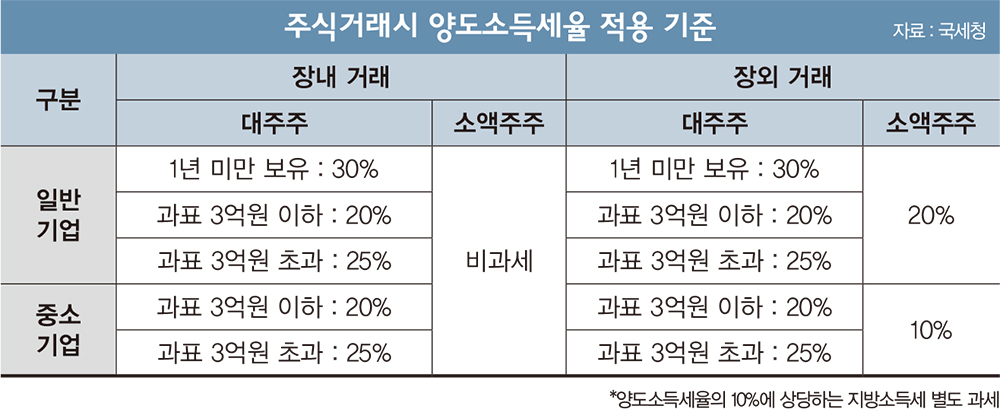
Capital gains tax is levied on income generated when an individual transfers real estate such as land or buildings. It is not calculated on the total sale price but rather on the capital gain, which is the selling price minus the actual acquisition cost and various necessary expenses. The final tax amount is determined by applying the tax rate to the taxable base, which is the capital gain after deducting the long-term holding special deduction and the basic deduction. Many people consider using “under-contracting” (understating the sale price on the contract) to reduce taxes, but this is a risky action that can lead to heavy penalty taxes and criminal prosecution if discovered. The legitimate shortcut to reducing taxes is to meticulously gather receipts for items recognized as necessary expenses, such as legal fees, capital expenditures, and renovation costs. Additionally, various tax-exemption systems exist to protect single-home owners who reside in their homes, so it is crucial to accurately verify your ownership and residency periods.
Capital gains tax is levied on the amount remaining after deducting necessary expenses and various deductions from the capital gain. Having proper documentation is the first step in tax saving.
2. Everything About the Tax Exemption for Single-Home Households
The tax exemption for single-home households is a robust system designed to ensure housing stability and reduce the burden of disposing of homes. In principle, a household must own one home in Korea and hold it for at least two years to qualify for the exemption. If the home was acquired while located in a designated adjustment area, you must meet both the two-year ownership period and the two-year actual residency requirement to receive the exemption. For example, Mr. Kim, an office worker who bought an apartment in Seoul but had to sell it without living there for two years due to a job transfer, ended up paying tens of millions of won in taxes. For homes in adjustment areas, simply waiting out the time is not enough; you must strictly meet the residency requirement, so you must check local government regulations before signing a contract. Furthermore, even if you meet the exemption requirements, if the sale price exceeds the high-value home threshold of 1.2 billion won, tax will be levied on the excess amount. Even if you qualify for the exemption, it is advantageous to file a capital gains tax return with the tax office in advance to facilitate future proof of source of funds.
The single-home tax exemption requires meeting both the 2-year ownership and residency requirements. High-value homes exceeding 1.2 billion won are taxed on the excess amount.
3. The Revival of Surtax for Multi-Home Owners and How to Respond
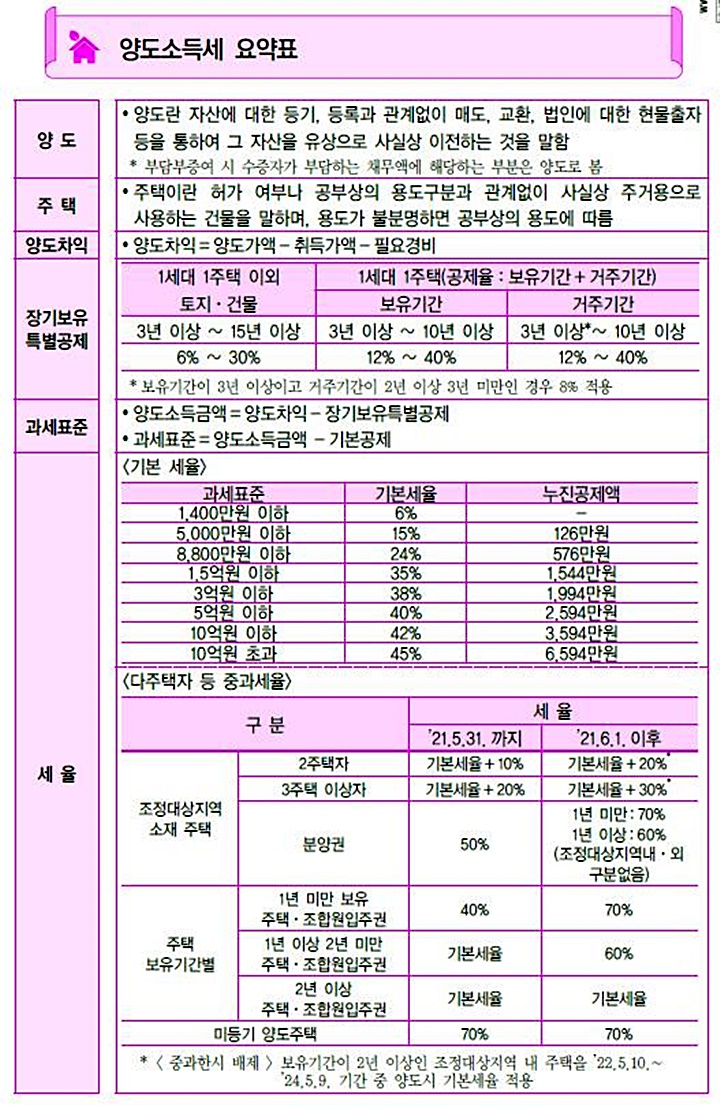
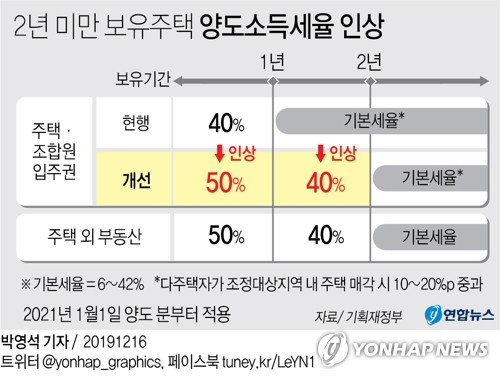
With the strengthening of the surtax system for multi-home owners, the phenomenon of “locked-in” listings in the market has intensified. When multi-home owners in adjustment areas sell a home, a surtax rate of 20% to 30 percentage points is added to the basic tax rate, and the long-term holding special deduction is excluded, causing the tax burden to snowball. Although the government has temporarily postponed the surtax, the number of wealthy individuals choosing gifting over selling to avoid the tax burden has surged. This heavy tax burden is the reason why home prices in core areas of Seoul, such as Gangnam and Seocho, have stagnated while listings remain scarce. Homeowners are choosing strategies such as gifting to their children or holding onto their properties, which further highlights market scarcity. If multi-home owners recklessly attempt unverified loopholes like “split gifting” circulating on YouTube to reduce taxes, they may face NTS audits and massive back taxes including penalties. Therefore, owners considering selling multiple homes should develop a comprehensive tax-saving strategy, such as legal rental housing registration or timing adjustments for gifting, rather than resorting to illegal methods.
The revival of the surtax for multi-home owners has increased the tax burden. Legal strategies like gifting or spreading out the timing of sales are essential rather than illegal loopholes.
4. Calculating Capital Gains Tax on Inherited and Gifted Assets
The calculation method for capital gains tax when selling an apartment or land inherited from parents or received as a gift differs slightly from general sales. The value declared at the time of inheritance or gifting becomes the basis acquisition cost for determining future capital gains tax, so the initial appraisal determines the scale of the tax. Recent trends in tax law amendments show that deduction benefits for non-business land and inherited assets are gradually being reduced or eliminated, requiring special caution. For example, if you plan to sell inherited land in a few years, you should receive a proper appraisal at the time of inheritance to set a higher acquisition cost, thereby reducing the future capital gain. If you declare a low inheritance value and then sell at market price, the capital gain will be larger, resulting in a bomb-like capital gains tax burden. When gifting to relatives, you must strictly manage it to stay within the deduction limit and carefully consider the deferred taxation regulations that apply when selling after a certain period following the gift. The safest method is to simulate the entire process from the inheritance/gifting stage to the point of sale with the help of a tax professional.
For inherited and gifted assets, the initially declared value becomes the acquisition cost. Accurate initial appraisal is necessary to reduce future capital gains tax.
5. Tax Differences Between Reconstruction Move-in Rights and Subscription Rights
As reconstruction or redevelopment projects proceed, when existing homes are converted into move-in rights, the capital gains tax calculation structure changes completely if you sell them or acquire a new apartment. Based on the approval date of the management disposal plan, they are treated as housing subscription rights or housing before the date, but as a unique right called “member move-in rights” under tax law after the date. Since move-in rights are counted directly in the number of homes, if you hold them along with other homes, you must accurately understand the temporary single-household, two-home tax exemption special provisions. When selling a reconstruction member move-in right, a key issue is how to calculate the ownership and residency periods prior to the conversion to move-in rights for the long-term holding special deduction, unlike general homes. It is very common for individuals to underreport taxes due to miscalculation and later receive correction notices or penalty taxes from the NTS. Even in the process of acquiring a substitute home during the construction period of a new apartment and then disposing of the previous home, you must complete the move and sale within the specified deadline to receive the tax exemption. Investors holding member move-in rights should carefully note the tax schedule for each stage of the project in their calendars and prepare thoroughly.
Member move-in rights differ from general homes in how they are counted in the number of homes and how the long-term holding special deduction is applied, requiring tax management at each project stage.
6. Practical Checklist for Saving on Capital Gains Tax
If you are planning to sell real estate, it is most important to thoroughly check a tax-saving checklist with a tax professional before drafting the contract. Adjusting the timing of the sale alone can save tens of millions of won, so you should closely monitor the taxable base brackets around year-end or the change of year. You must collect all receipts and tax invoices for items recognized as necessary expenses and bind them thoroughly to ensure they are not omitted from the filing documents. Given the number of NTS tax assessment errors, taxpayers themselves should review the tax calculation process and actively raise objections if there are any doubts. You need the wisdom to continuously monitor policy changes in the real estate market and tax law amendments to find the most advantageous timing for your sale. Since taxes are an honest cost that can be reduced by the extent of your knowledge, please arm yourself with accurate knowledge rather than vague fear to achieve successful asset management. Right now, calculate the estimated tax amount based on the acquisition date and expected sale price of your real estate and complete a safe tax-saving plan.
By combining thorough documentation of necessary expenses, timing adjustments for sales, and professional consultation, anyone can significantly reduce capital gains tax legally.
Frequently Asked Questions
=