The Chinese government has abruptly added two chemicals that can serve as precursors for the synthetic drug fentanyl, destined for the United States, Mexico, and other countries, to its export control list, drawing attention to potential easing of long-standing tensions between the two nations. This decision is analyzed as a response to repeated demands from the US side ahead of the upcoming summit between the two leaders. In fact, similar trends of strengthened export regulations around major diplomatic events have been repeated in the past. Attention is now on how much this measure to prevent the illegal overseas transfer of chemicals will contribute to blocking drug smuggling. This article will examine the specific details of this control measure along with the dangers of other drug-related substances that have been warned about. It will be a great help for readers to understand these trends in chemical substance management by the international community.
=
Background on China Adding Two Fentanyl Precursor Chemicals to Export Control List
1. Chemicals Added to the Export Control List
Several relevant ministries, including China’s Ministry of Commerce, jointly adjusted the export control list for chemicals capable of drug manufacturing destined for specific countries. The newly added substances are piperidone-based compounds that are structurally closely related to fentanyl precursors. Specifically, two compounds in methyl ester and ester forms have been placed under strict management. While these substances have been used for legitimate industrial purposes in the past, there were significant concerns that they could be misused as raw materials for illegal drug production. Government authorities have been deeply concerned about preventing the indiscriminate outflow of these substances overseas.
Going forward, prior authorization will be mandatory when sending these substances to specific countries such as the United States, Mexico, and Canada. If unauthorized export attempts are detected without going through the approval process, severe legal penalties will be imposed. These export restriction measures serve as a practical breakwater to prevent the spread of drugs, which cause serious social problems worldwide. Trade companies that handle chemicals should carefully check the strengthened management list and pay attention to ensure their operations are not disrupted.
China has added two piperidone-based chemicals related to fentanyl precursors to the export control list, making authorization mandatory for exports to the North American region.
2. Preliminary Steps Ahead of the US-China Summit

The stringent export control measures implemented this time are closely related to the summit between the top leaders of both countries scheduled to take place in a few days. The US administration has continuously pressured China to resolve the synthetic drug problem, which has become a serious social disaster within its borders. In particular, it has repeatedly emphasized that the damage to its citizens is increasing as Chinese raw materials are smuggled in via Mexico and other places. The US has actually maintained a tough stance, driving negotiations by imposing additional tariffs, among other things, in connection with this issue.
The Chinese side has repeatedly promised to accept these US demands and prevent the overseas outflow of drug precursors. In fact, the relevant export control list has been steadily expanded even after high-level meetings held last fall and this spring. This announcement is also interpreted as a strategic move to reduce diplomatic friction and gain a favorable position at the negotiating table. The two nations are currently engaged in a delicate tug-of-war over numerous issues, including artificial intelligence and trade.
This strengthening of export controls is analyzed as an intention to respond to the repeated demands from US leadership to block drug precursors and to facilitate the smooth progress of the summit.
3. Stricter Country-Specific Export Authorization Criteria
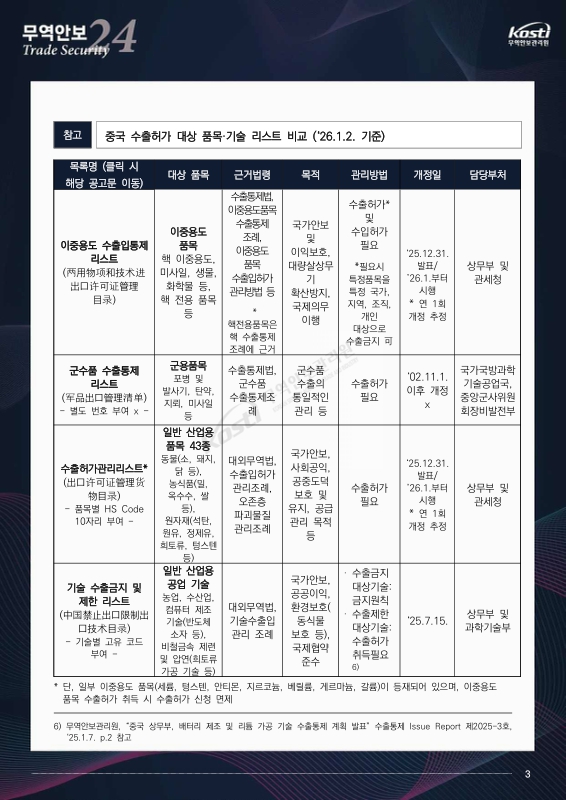
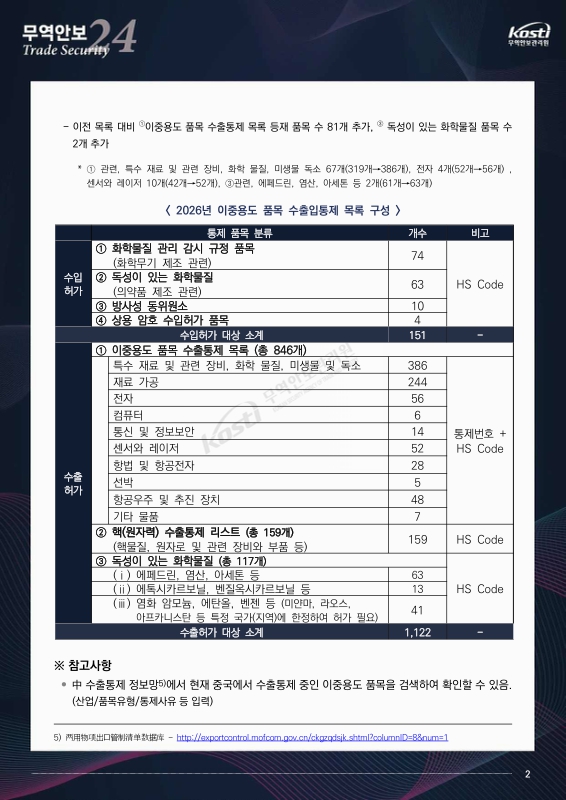
According to the newly reformed regulations, the need for authorization is strictly differentiated based on the destination of the chemicals. When sending 18 chemicals listed in List 1 to the United States, Mexico, and Canada, an export authorization application is required without exception. Additionally, strict prior approval is also needed when exporting 41 substances listed in List 2 to regions such as Myanmar, Laos, and Afghanistan. For shipments to other general countries and regions, no separate authorization application is required.
This differentiated management approach by country aims to intensively target areas of concern where drug manufacturing is primarily conducted. Practitioners in the trade industry must identify the country where their trading partners are located and comply with relevant regulations. Negligence in missing the authorization process could result in cargo being seized by customs or incurring heavy fines. Therefore, export companies must establish a system to monitor the government’s frequently changing management lists.
A country-specific differentiated management system has been introduced, requiring thorough prior authorization for drug precursor substances destined for North America and specific Asian regions.
4. Warnings on Peripheral Substances Misused in Drug Manufacturing
The General Office of China’s National Narcotics Control Commission has issued a special warning about peripheral substances that pose a risk of being used in illegal drug manufacturing, in addition to precursors. The representative substances identified this time are medetomidine, used as an ingredient in veterinary sedatives, and tartaric acid, a common souring agent. US health authorities have recently expressed concern that the rate of detection of sedative ingredients in the illegal drug market has surged. These substances are useful in the medical or food industries but can turn into tools that amplify the effects of drugs if they flow through illegal channels.
In the case of tartaric acid, while it is not a direct raw material for synthesizing drugs, there is a risk that it could be misused as a catalyst or auxiliary agent in the manufacturing process. Authorities are tightening distribution networks to ensure that these legitimate chemicals are not secretly distributed and misused in drug crimes. Companies that distribute pharmaceuticals or chemical products should manage their distribution channels transparently to avoid becoming targets of criminal organizations. The government’s warning this time demonstrates a strong will to eliminate blind spots in management, covering not only main ingredients but also peripheral substances.
Authorities have issued strong warnings about peripheral substances, such as veterinary sedatives and food additives, that could be misused in illegal drug manufacturing.
5. Diplomatic Issues and Future Situation Outlook
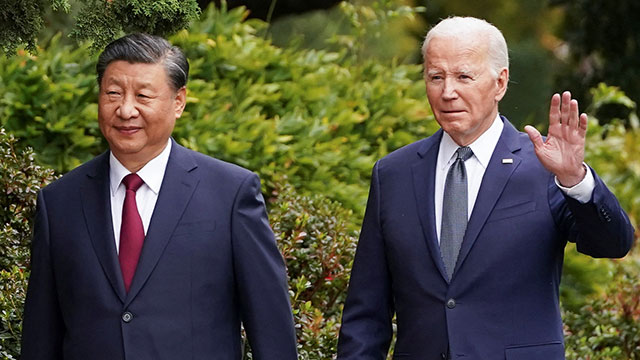
The agenda for the leaders to discuss at this summit extends beyond the drug control issue to a wide range of topics, including artificial intelligence technology and trade negotiations. At a time when geopolitical conflicts are escalating, the world’s attention is focused on whether the two countries can find a compromise. China is actively using the card of drug control to reduce economic friction with the US and create a stable investment environment. On the other hand, the US is expected to rigorously verify China’s compliance based on actual figures and enforcement results.
In this subtle diplomatic dynamic, chemical export regulations become an important gauge for measuring trust between the two countries. If this measure leads to a substantial reduction in drug smuggling, it could open the way for improving relations between the two nations. However, if criticism resurfaces that enforcement lacks effectiveness, it could become a spark for new trade conflicts at any time. Going forward, relevant industries face the task of closely monitoring policy changes by the two major powers and managing risks.
This measure serves as an important variable in securing diplomatic negotiating power ahead of the summit and in resolving future economic and security issues between the two countries.
6. Global Supply Chains and Corporate Response Strategies
As management of chemicals is strengthened globally in this way, companies in related industries are also becoming more active. Complying with legal standards in all business processes involving the import or export of raw materials has become an essential condition for survival. In the past, it was enough to simply worry about price and delivery dates, but now regulatory compliance determines the success or failure of a company. Field practitioners must accurately understand the strengthened import and export procedures and thoroughly conduct internal training to prevent confusion.
Going forward, governments of various countries will tighten the net around precursors and related chemicals to prevent the spread of drugs. Companies must build transparent supply chain data and prevent risks in advance to keep up with changing trends. Thorough preparation and rapid information gathering are the wisest ways to navigate the era of strengthened regulations. Readers are also encouraged to deeply examine the ripple effects of these international situation changes on our economy.
In the environment of strengthened import and export regulations, related companies must reduce risks through strict compliance with laws and transparent supply chain management.
Frequently Asked Questions
=