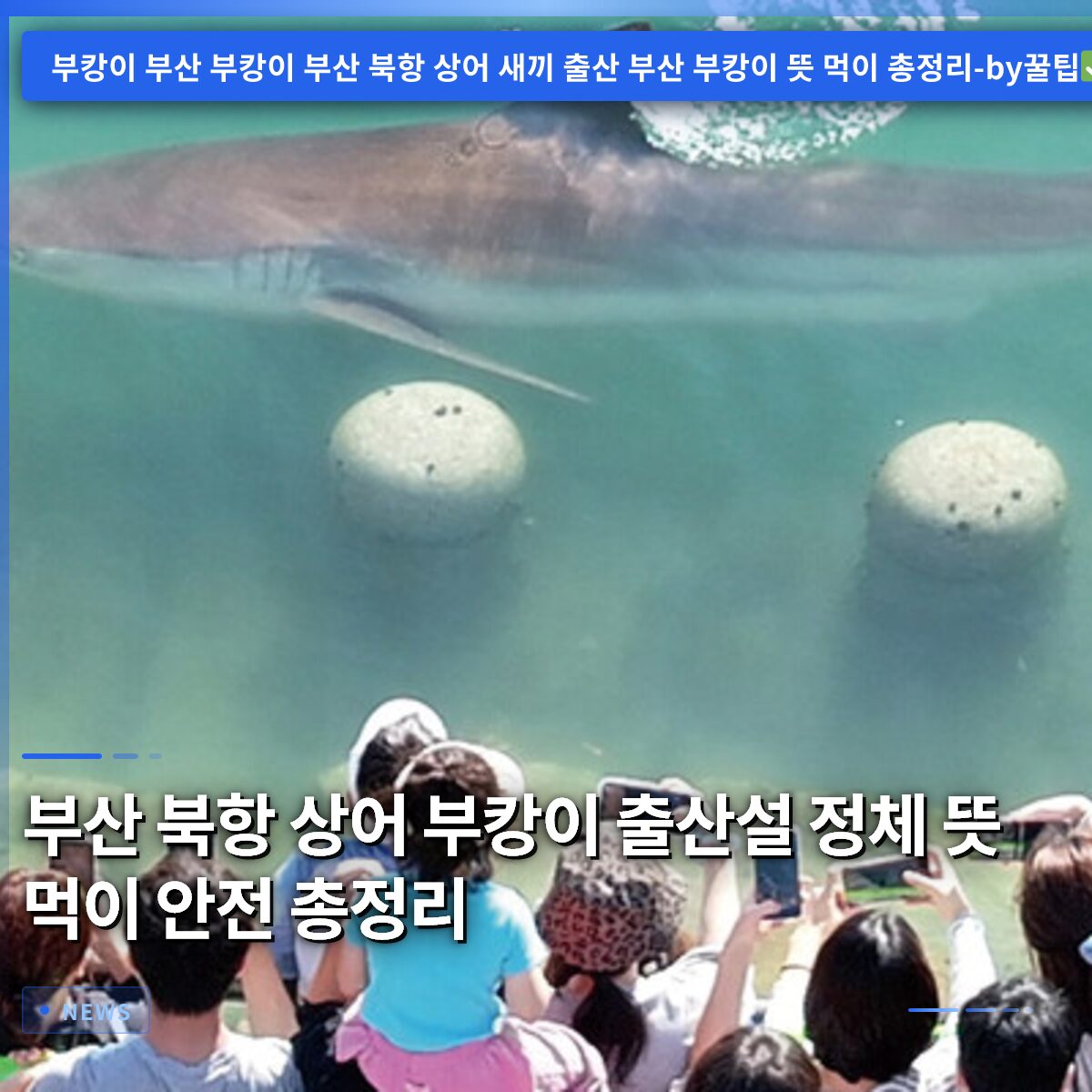
The 3.5-meter giant shark that has remained in the waterway of the Busan North Port Waterfront Park for over five days, earning the nickname “Bu-kang-i,” has no officially confirmed reports of giving birth. Relevant authorities, including the National Fisheries Research and Development Institute, are guiding it to safely return to the sea. The appearance of this massive marine creature in the usually peaceful urban waterfront park has sparked intense curiosity among citizens, leading to a spectacle of huge crowds gathering every weekend. Initially dismissed as a simple incident, the shark’s long-term stay of nearly a week has become a major topic in the local community, even bringing unexpected economic benefits to nearby businesses. However, given the inherent danger of a wild shark, extreme caution is required when visiting the waterway area. In this article, we will thoroughly examine the estimated species of Bu-kang-i, the truth behind the birth rumors linked to the discovery of a 1-meter fish, and safety precautions for visitors. Those interested in marine life or oceanic issues will find the full story of this incident fascinating.
=
Busan North Port Shark “Bu-kang-i”: A Complete Guide to Its Identity, Birth Rumors, Diet, and Safety
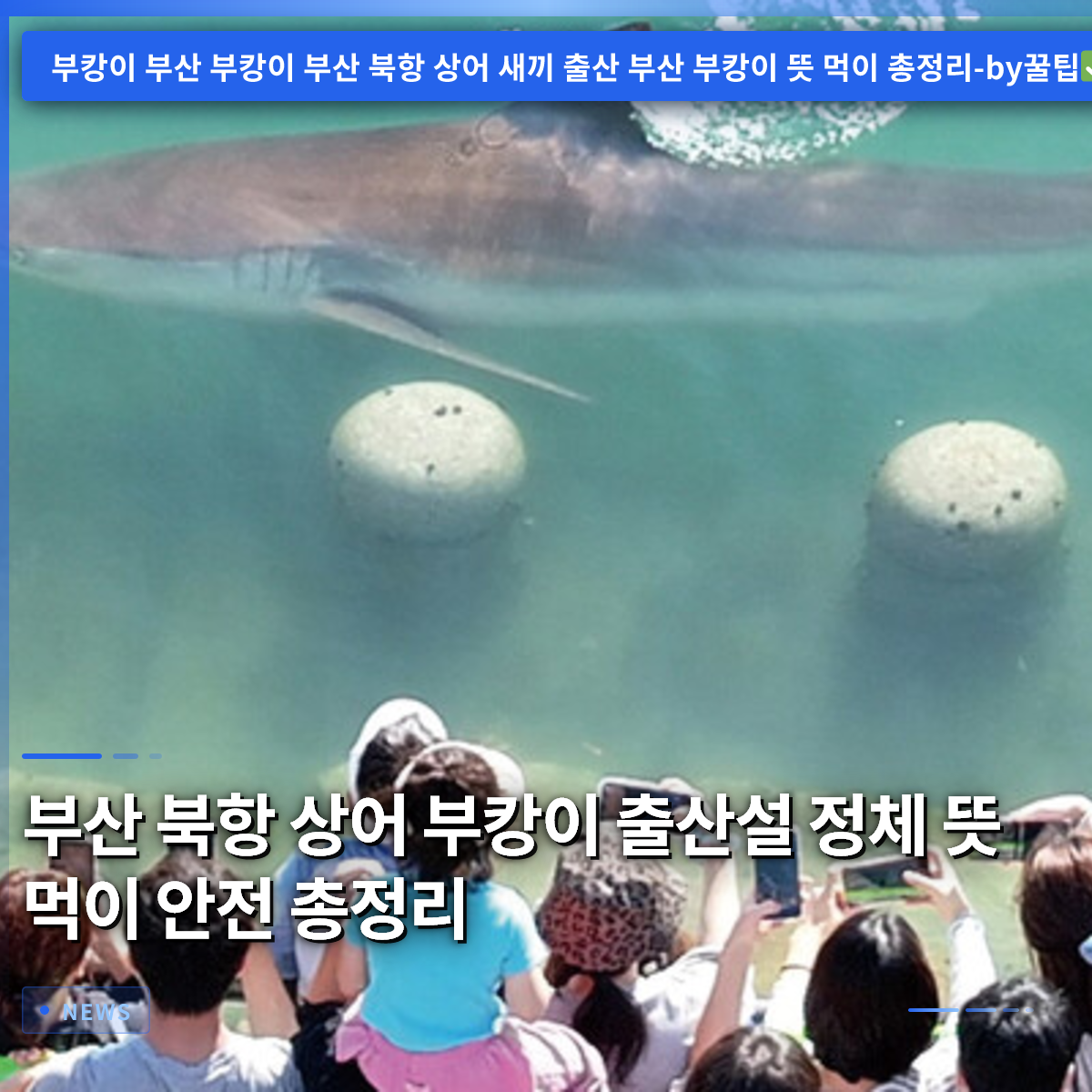
1. Identity and Background of the Busan North Port Shark “Bu-kang-i”
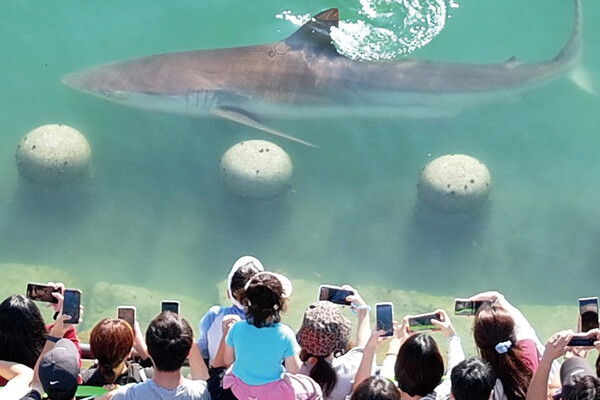
The first sighting of the shark in the Busan North Port Waterfront Park waterway began with shocked reports from residents of Dong-gu on the morning of September 18. When the Coast Guard and relevant authorities arrived on the scene to assess the situation, the identity of the massive creature swimming leisurely in the waterway was revealed, and the news quickly spread across the country. After carefully analyzing the secured photos and on-site conditions, the National Fisheries Research and Development Institute estimates that the large shark is a species of requiem shark, although they are proceeding cautiously regarding a final confirmation. The geographical specificity of the location, Busan North Port, combined with a familiar feel akin to a summer resort, led online users to give the shark the friendly nickname “Bu-kang-i.” Residents could not hide their shock and curiosity upon learning that a 3.5-meter giant predator had appeared in the urban waterfront park where they usually enjoy walks. Crowds flocked to the area around the waterway like clouds, eager to see the shark with their own eyes and capture it on their phone cameras, creating a chaotic scene. Instead of forcibly capturing and relocating the shark upon its initial discovery, the authorities decided to guide it to naturally exit into the sea. Experts analyzed that the shark likely followed prey into the narrow waterway but became trapped due to the maze-like terrain and could not find its way out. Fortunately, Bu-kang-i has maintained a healthy condition, moving back and forth within the waterway, and relevant agencies are safely monitoring it until it moves to the open sea on its own. Even as the Chuseok holiday approaches, relevant agencies are discussing various safety guidance measures in preparation for the possibility that it may not be able to exit on its own. This unusual situation of a shark staying in the heart of the city for an extended period showcases a unique landscape where nature and humans intersect in modern society.
The 3.5-meter shark that appeared in the Busan North Port waterway is estimated to be a requiem shark and is known by the name “Bu-kang-i,” given by citizens.
2. The Truth Behind the “Bu-kang-i” Birth Rumors and the Identity of the 1m Fish
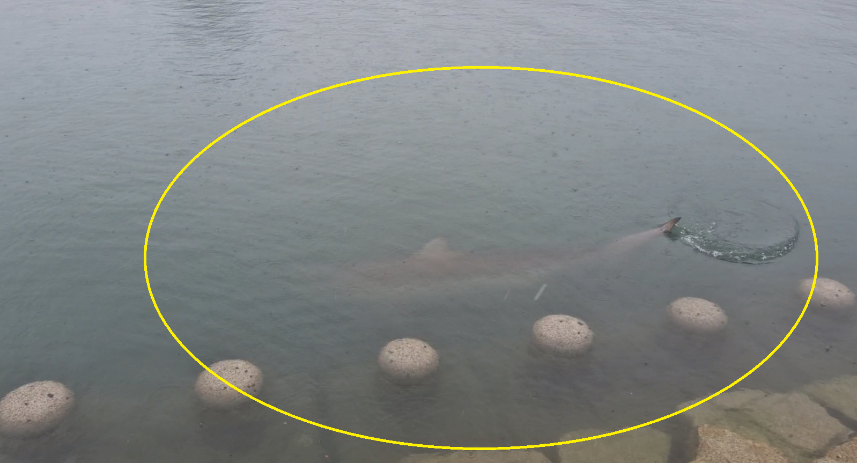
The hottest topic of debate in this Busan shark incident was undoubtedly the relationship between the large shark and a small fish of about 1 meter discovered inside the waterway. As sightings emerged of a small individual swimming alongside the large shark, rumors quickly spread across online communities and among netizens that Bu-kang-i had given birth. However, official confirmations from major media outlets and local governments indicate that the claim that the 1-meter fish is Bu-kang-i’s baby shark has not been verified as fact. Relevant authorities, including the Busan City Hall and the Coast Guard, were aware of the small fish’s presence on site and monitored it, but they could not clearly determine whether it was the shark’s offspring. Therefore, expressions circulating on the internet, such as “Bu-kang-i gave birth” or “a baby shark was born,” should be viewed as stories stemming from witnesses’ speculation without accurate scientific basis. The reason these birth rumors were easily believed lies largely in the ecological characteristic that requiem sharks are viviparous, giving birth to live young rather than laying eggs. When rumors spread that a small fish was near a large individual, netizens naturally connected the dots, imagining that it must be a newborn. However, according to fish experts, requiem sharks are approximately 65 centimeters in size when they are born, whereas the individual witnessed this time reached 1 meter, which is significantly larger. A representative from the National Fisheries Research and Development Institute also clearly stated that considering the body size of the discovered small fish, it is a stretch to view it as a newborn baby shark. Ultimately, the only official fact at this point is that one giant Bu-kang-i is staying in the waterway, and any connection to the 1-meter fish has not been proven.
The rumor that the 1-meter fish found in the waterway is Bu-kang-i’s baby is merely speculation without scientific basis.
3. Surge in Visitors to Busan North Port Waterfront Park and Impact on Local Commerce

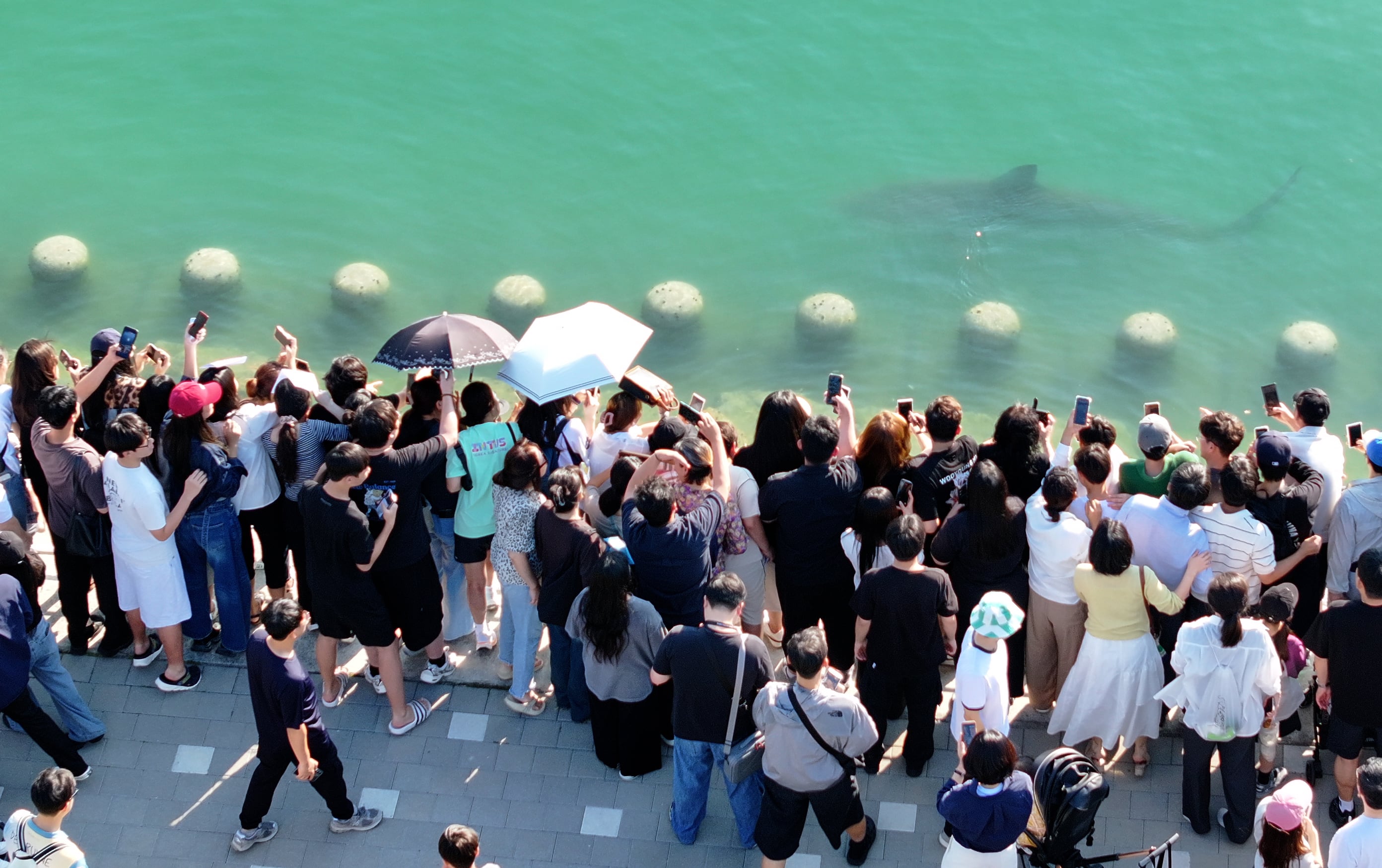
The appearance of a large shark has triggered not just a marine biological discovery but also significant economic ripple effects and a tourism boom across the entire Busan North Port area. The North Port Waterfront Park, which usually sees an average of around 2,000 visitors per day, was bustling with over 20,000 people during the two weekend days as news of Bu-kang-i spread. Even on weekdays after the weekend, nearly 10,000 spectators visited daily, causing the park to rapidly rise as a new landmark in Busan in a bizarre phenomenon. Tourists from far away and curious citizens erupted in cheers every time the shark surfaced, creating a spectacular scene. This concentration of crowds also acted as an unexpected boon for nearby merchants, injecting vitality into the local economy. The numerous visitors who came to the park to see the shark consecutively used nearby convenience stores, coffee shops, and restaurants, keeping smiles on the faces of business owners. As the usually quiet North Port area came alive, jokes circulated that a single shark had played the role of a mascot reviving the local commercial district. However, behind this tourism boom lay the inherent risk of safety accidents that could occur when too many people gather at once. Local governments and police worked hard to manage the unexpected crowds and maintain order, deploying more personnel than usual to prepare for sudden situations. This incident, born from the intersection of the public’s desire for novel sights and local commercial expectations, demonstrates the power of modern media and word-of-mouth.
Since Bu-kang-i’s appearance, weekend visitors have exceeded 20,000, bringing unexpected special deals and vitality to the surrounding commercial area.
4. Analysis of the Shark’s Feeding Activities and Cause of Entry into Urban Waterways
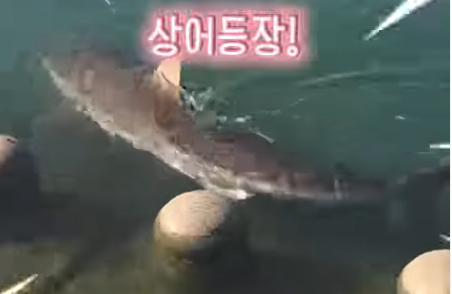
Numerous expert analyses have been poured out regarding the decisive cause of the massive wild requiem shark entering the narrow waterway in the heart of the city. The most likely hypothesis is that the shark, while actively feeding, chased a school of fish deep into the waterway and lost its sense of direction. Although the North Port Waterfront Park waterway is connected to the sea, its internal structure is complex and narrow, making it difficult for large marine creatures to easily find their way out on their own. Sharks have a tendency to approach coastal areas or shallow waterways to hunt for prey instinctively, and in this case, it ended up trapped in the maze-like environment of the North Port waterway. Fortunately, sufficient seawater flows into the interior of the waterway to support the shark’s survival, and small fish that can be hunted are also present, allowing it to maintain its health. Experts attribute the reason the shark has not starved or weakened over several days and continues to swim actively to this feeding environment within the waterway. Although it may be frustrated by not finding an exit to the sea, it is assessed that there is no immediate major hindrance to maintaining its life functions. Coast Guard and Fisheries Research Institute researchers are periodically monitoring the shark’s condition and maintaining management guidelines aimed at minimizing artificial capture stress. If the shark fails to exit on its own and its long-term stay becomes entrenched, operations to forcibly guide it to safe open waters using nets or vessels may be considered. The current response method of waiting for it to return to the sea on its own according to the laws of nature is evaluated as a wise measure that considers both animal welfare and human safety.
Bu-kang-i is believed to have become trapped in the narrow waterway terrain while chasing prey and is currently maintaining its health in the waterway environment.
5. Safety Guidelines and Warnings Regarding the Appearance of a Wild Shark
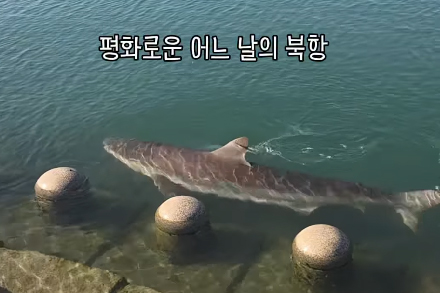
While the urban waterfront park is a space for citizens to rest and walk comfortably, one must never forget that it is currently a dangerous zone where a wild shark is staying. Some overly curious tourists or visitors seeking photos have been seen climbing over railings or leaning their bodies over the water to see the shark more closely. This is an extremely dangerous behavior that can lead to serious injuries due to the wild shark’s sudden aggression or unexpected reflex actions. Although the shark may appear to be swimming docilely right now, it is essentially a powerful predator and should never be taken for granted. Relevant authorities are installing additional safety lines around the waterway and stationing on-site control personnel to strongly prevent citizens from making reckless approaches. Even when sightseeing, one must stay strictly within the designated safety fences and absolutely refrain from stimulating behaviors such as going down to the water’s edge or throwing food. Families with young children, in particular, need to pay special attention, and parents must firmly instruct their children to keep their eyes on the shark. Getting caught up in safety negligence for the sake of a novel sight is no different from making a dangerous bet with one’s own life. For this Bu-kang-i incident to conclude peacefully without a single safety accident, mature civic consciousness and thorough cooperation with control measures are absolutely necessary. Adhering to the safety guidelines established by the authorities and observing from a distance is the wisest way to protect the safety of us all.
Excessive approach to the waterway railings or actions that stimulate the shark can cause major accidents, so strict caution is required.
6. Outlook on the “Bu-kang-i” Situation and the Attitude We Should Adopt
Public interest is at its peak regarding when the shark Bu-kang-i, which has risen to become the mascot of Busan North Port, will return to its natural home in the sea. As continuous monitoring and guidance operations by relevant agencies continue, weight is being given to the forecast that it will soon exit to the open sea on its own and restore a peaceful daily life. This incident was a symbolic marine ecosystem happenstance that showed how closely human-developed urban spaces and wild nature can be in touch. It simultaneously raised philosophical questions about the mystery of nature and coexistence with animals while painfully reminding us of the importance of safety management in public places. It also served as a gauge for how maturely and calmly our society can respond when facing natural disasters or unexpected appearances of wild animals. If you, dear readers, plan to visit Busan North Port, please prioritize safety guidelines and show maturity by maintaining order. It would be good to cheer with a warm heart for Bu-kang-i to return safely to the vast ocean without any harm and enjoy true freedom. Nature always provides surprises that exceed our expectations and curiosity, but the more so, we must not lose the attitude of respecting and revering nature. If you are considering a trip to Busan this weekend, please take in the unique scenery of the North Port but never forget the absolute value of safety. We conclude this unusual marine incident brought by Bu-kang-i by learning the wisdom of harmonious coexistence between nature and humans.
We should trust the authorities’ measures and wait for Bu-kang-i to safely return to the sea, while adhering to safety guidelines when visiting.
Frequently Asked Questions
=