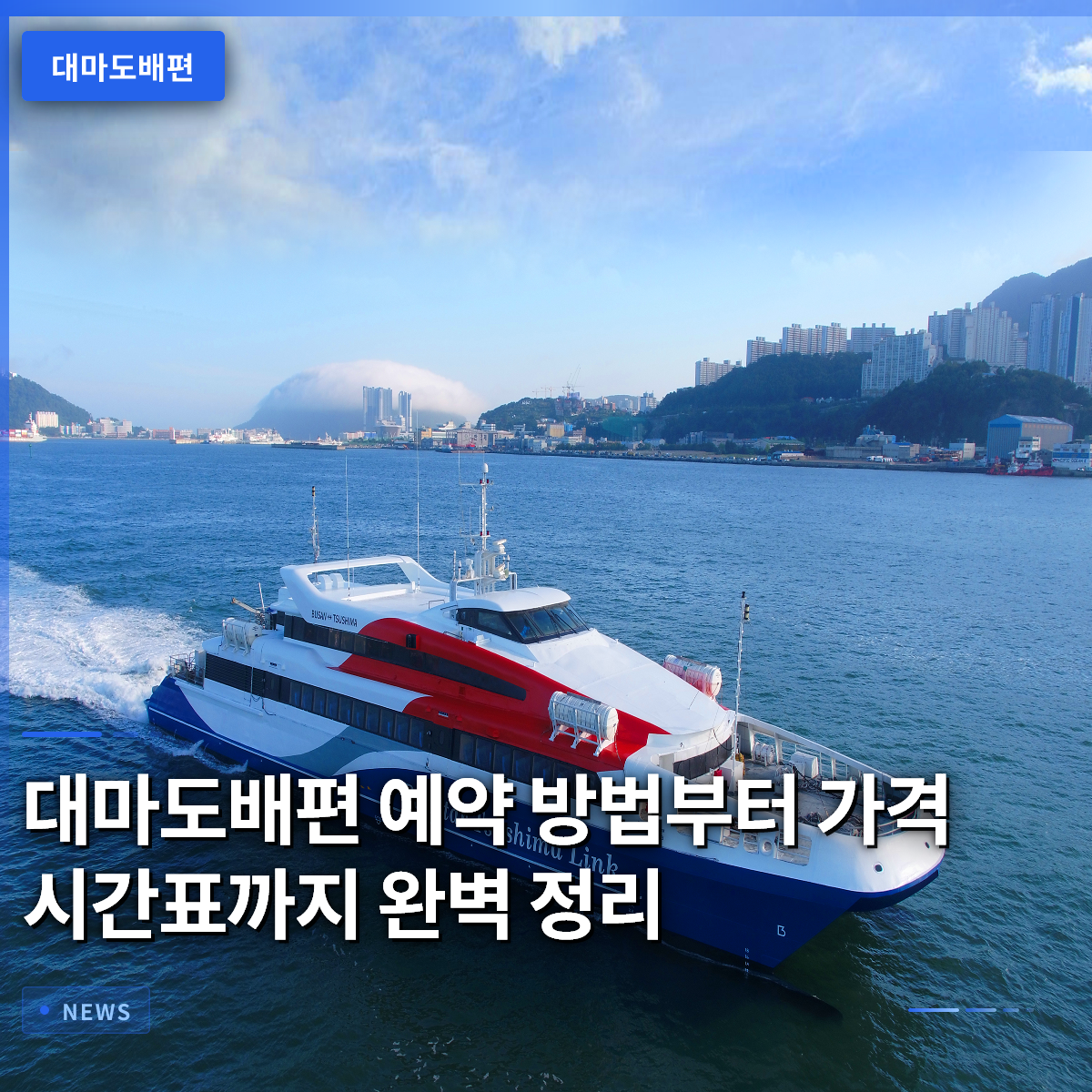
Ferry services departing from Busan Port to Tsushima Island are incredibly popular for weekend getaways, as the journey takes only about two hours. For modern travelers tired of complex flight bookings and long transit times, a sea voyage offers a compelling alternative. In fact, last year, an office worker named Mr. Kim successfully executed an impromptu itinerary by buying a ticket after work on Friday and strolling through the alleys of Tsushima on Saturday morning. With rising airfares, high-speed ferries have established themselves as the most economical and reliable option. In this article, we will thoroughly break down the booking process, price lists, and tips for efficient itinerary planning, making it easy even for first-time ferry travelers to follow.
=
The Ultimate Guide to Tsushima Ferry: Booking, Prices, and Schedules
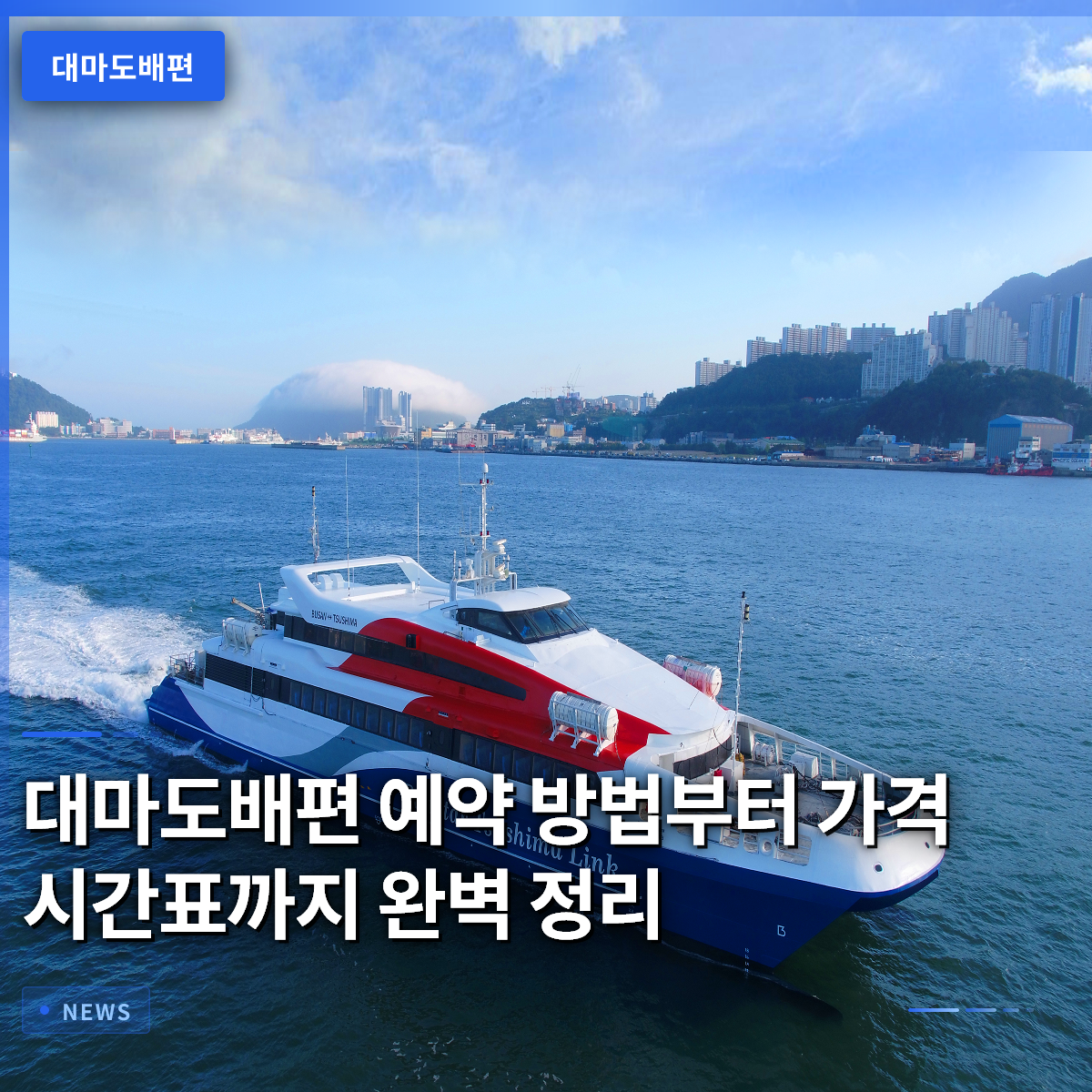
1. Basic Information and Choosing Your Departure Port
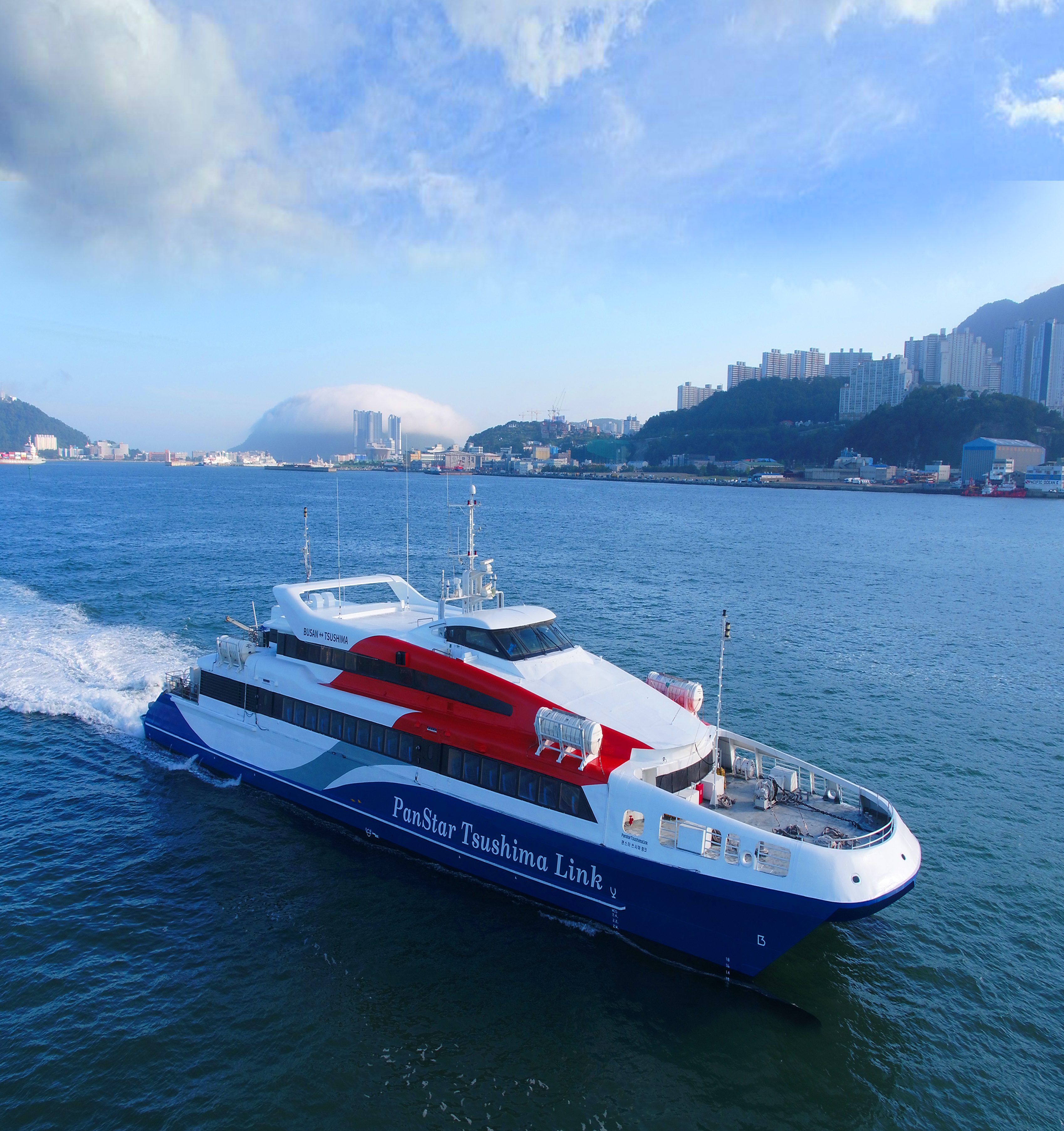
Tsushima Island is most quickly and conveniently accessed via high-speed ferries departing from the Busan Port International Passenger Terminal. The routes are divided into two ports: Hitakatsu Port in the north and Izuhara Port in the south, and you should choose based on your travel purpose. Hitakatsu Port is ideal for day-trippers, as it takes only about 1 hour and 30 minutes to 2 hours from Busan. On the other hand, Izuhara Port takes about 2 hours and 10 minutes to 2 hours and 30 minutes but is suitable for those staying overnight or longer, as it is densely packed with shopping malls and historical sites.
Since the two ports are quite far apart, if you plan to rent a car or use local transportation, you must clearly decide your destination first. Last year, a traveler visiting with friends nearly made the mistake of setting different ports for the outbound and return trips, forcing a last-minute itinerary adjustment before departure. Since operating days and times vary slightly by shipping company, it is essential to carefully compare weekday and weekend schedules. It is also wise to prepare with a flexible mindset, keeping in mind that departures may be delayed or canceled due to weather and sea conditions.
For ferries departing from Busan Port, you should choose between Hitakatsu and Izuhara ports based on your itinerary.
2. Comparing Ship Types and Price Lists

Currently, representative vessels operating between Busan and Tsushima include the C-Flower, Tsushima Link, and Nina. Each ship has slight differences in seating layout, travel time, and operating schedule, so there is fun in choosing the boat that suits your preferences. The most economical tickets are sold as one-way or round-trip packages, with prices fluctuating depending on the season and booking time. Through major travel agencies or booking platforms, you may find opportunities to purchase round-trip tickets at surprisingly low prices starting from around 30,000 KRW.
For a standard adult on a weekend, round-trip fares typically range around 100,000 KRW, but significant savings are possible if you catch special deals. For example, an office worker named Mr. Lee discovered a special deal a month in advance and took his parents on a filial piety trip at a price much lower than the standard rate. Separate discounted rates apply for youth, seniors, and children, so you must accurately enter the date of birth for all family members when booking. Fuel surcharges and port facility fees are often not included in the ticket price, so it is important to check the detailed breakdown on the payment screen thoroughly.
You can save significantly on high-speed ferries like the C-Flower and Tsushima Link by utilizing pre-booked special deals.
3. How to Book and Procedure Guide
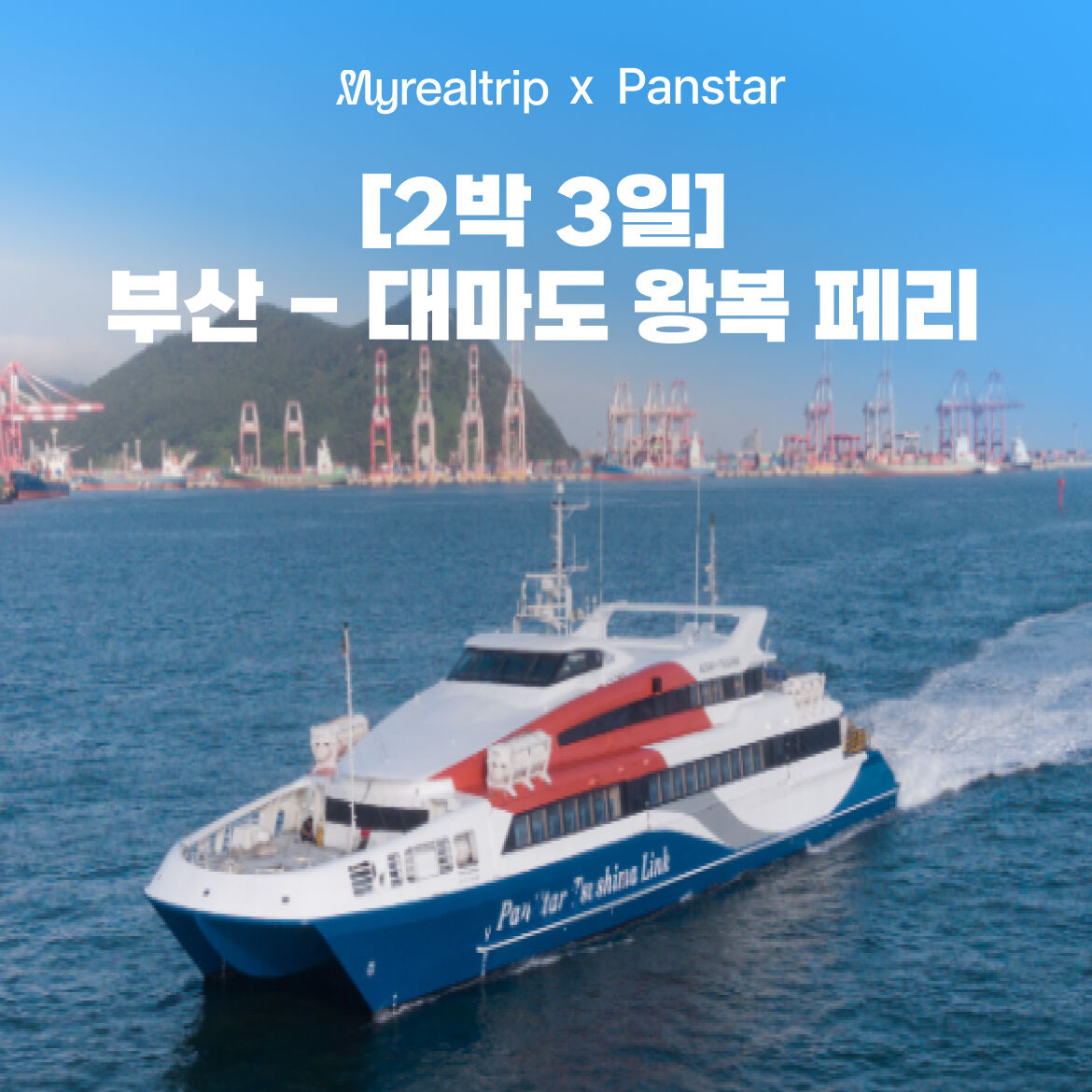
There are three ways to book a ferry to Tsushima: phone consultation, the shipping company’s official website, and domestic/international travel intermediary sites. Phone booking has the advantage of allowing you to resolve questions immediately by speaking directly with a staff member, but it can be difficult to get through on weekends or during peak seasons. Using the shipping company’s official website is very advantageous for securing your desired seat, as you can check real-time seat availability at a glance.
Most travelers prefer internet intermediary platforms because they make price comparison convenient and allow the application of discount coupons. When proceeding with a booking, you must enter the English name, date of birth, passport number, and expiration date exactly as they appear in your passport, without a single character error. In fact, it often happens that a single misspelled letter leads to a frantic correction at the ticketing counter on the morning of departure. Once payment is complete, a mobile ticket exchange voucher is sent to you; bring this to the specific shipping company’s counter on the 2nd floor of the Busan Port Terminal.
You can secure your ticket quickly and safely by entering your passport information accurately and utilizing internet platforms.
4. Tips for Planning Day Trips and 1-Night/2-Day Itineraries
Travel to Tsushima Island offers completely different charms depending on how long you stay, so thorough time planning is the key to success. A day-trip itinerary departing early from Busan Port and arriving in Hitakatsu is perfect for duty-free shopping and enjoying noodles or sushi at famous local restaurants. You can enjoy the scenery of this exotic port town with a light walk carrying just a bag, without the burden of heavy luggage.
For itineraries involving an overnight stay or longer, we strongly recommend renting a car for a drive tour covering the entire island from the northern tip to the southern tip. The ria coastline unfolding against the emerald sea at Asoman boasts breathtaking scenery that is hard to capture fully in photos. In fact, Mr. Park, who traveled alone, used a rental car to climb a hidden observation deck, enjoying quiet contemplation and completely blowing away the stress of daily life. Considering physical stamina and travel routes, planning a relaxed course rather than overpacking your schedule is the shortcut to a satisfying trip.
A day trip is ideal for a light walk centered around Hitakatsu, while an overnight stay or longer is best for an island loop course using a rental car.
5. Tips for Using Busan Port and Departure Preparations
For a successful trip to Tsushima, you need to be diligent enough to arrive at the Busan Port International Passenger Terminal at least two hours before departure. Inside the terminal, there are currency exchange offices, convenience stores, and simple restaurants where you can exchange Korean Won for Japanese Yen or buy snacks before departure. The duty-free pickup counter is also located in the same building, so if you have items ordered online, you should allow ample time to collect them.
When completing exit immigration and boarding the ship, you should check the large luggage regulations in advance to wisely separate checked baggage from carry-on bags. While there are duty-free shops and vending machines on board, data roaming can be unstable at sea, so it is smart to download offline maps in advance. If you are prone to seasickness, it is advisable to take motion sickness medication 30 minutes before boarding to ensure a pleasant voyage. For the return trip, you should also familiarize yourself in advance with the limits on purchased duty-free goods and items subject to customs declaration to avoid unnecessary delays at customs.
Arriving at Busan Port two hours before departure and thoroughly checking your departure preparations are the start of a comfortable trip.
6. Outlook and Advice for Smart Sea Travel
In the era of high fuel prices, the trend of travelers choosing ferries over planes to visit nearby countries is expected to continue steadily. The ability to feel the atmosphere of a foreign country without burden during weekends provides modern people with an irreplaceable place of rest. As various shipping companies continue to refine their routes and offer reasonable products, exchanges via the sea are expected to become even more vibrant.
However, due to the nature of sea travel being highly susceptible to weather changes, a flexible attitude of monitoring weather forecasts until the day of departure is most important. Since humans are small in the face of nature, if unexpected cancellation news arrives, one should exercise the wisdom to calmly find the next alternative. Why not take a break from your busy daily life this weekend, board a ferry from Busan Port, and head to Tsushima while enjoying the cool sea breeze? The open horizon you encounter on a small boat will gift you with unforgettable thrilling memories and a perfect time for recharging.
If you flexibly cope with weather changes and enjoy the charm of ferry travel, you can create memories that will last a lifetime.
Frequently Asked Questions
=