
Kobo Life, in collaboration with Japan’s SBI Group, has successfully verified an innovative structure that allows institutional funds to be transferred directly between the Japanese Yen and the South Korean Won without going through the US Dollar. This achievement is recorded as the first case in the domestic insurance industry to verify the entire process of cross-border institutional fund transfer, exchange, and settlement. It lays the technical foundation to drastically reduce the complex intermediary steps typically involved in international remittances and currency exchanges. Unlike the double currency conversion fees we often lose when making direct overseas purchases, it is now possible for financial institutions to convert Won directly into Yen in a single step. These changes are expected to go beyond a simple technology test and lead to cost-saving benefits for future financial consumers and businesses. Let’s take a closer look at how they verified this remarkable technology, step by step.
=
Kobo Life & SBI Complete Insurance Industry’s First Korea-Japan Stablecoin Pilot Project

1. Background of the Korea-Japan Stablecoin Pilot

Kobo Life partnered with SBI Digital Practice, a subsidiary of the SBI Group, to launch a cross-border pilot project in July. The two companies planned this project based on a deep consensus that the inefficiencies arising from cross-border fund transactions must be resolved. Traditional international remittance methods have long adhered to a cumbersome structure where funds are converted from the sending country’s currency to US Dollars, and then again to the receiving country’s currency. The double currency conversion fees and time delays incurred in this process have been a long-standing challenge for financial institutions. If companies incur unnecessary exchange costs every time they send tens of millions of won overseas, it represents a massive waste of resources. Therefore, the two companies agreed to directly tackle these traditional limitations by leveraging blockchain technology.
This project was meticulously conducted in a test environment that accurately replicates real-world financial transaction conditions, going beyond the level of a mere concept.
Kobo Life and the SBI Group have jointly pursued a cross-border pilot project since July to overcome the inefficiencies in cross-border fund transfers.
2. Technical Verification Using the Canton Network
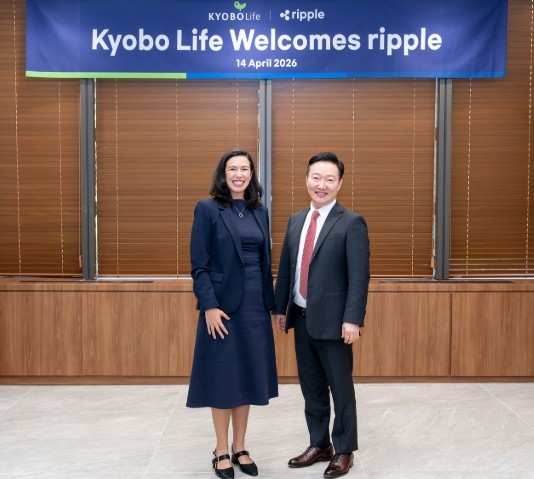
This pilot project was safely conducted in the test space of the Canton Network, a specialized blockchain environment tailored for financial institutions. The participating institutions experimented with a method of directly exchanging Yen-based tokens for Won-based tokens on this trusted network. They directly confirmed that the currencies of both countries could exchange value immediately without going through the US Dollar, a reserve currency. This offers efficiency similar to taking a direct train from Seoul to Busan without passing through other cities. During the testing process, both companies meticulously measured how much time and cost were reduced in transactions as the currency exchange procedures were significantly streamlined.
Thanks to blockchain-based distributed ledger technology, transaction information was shown to be recorded and tracked transparently in real-time.
The direct exchange test between Yen and Won tokens was successfully conducted in the Canton Network environment, a blockchain specialized for finance.
3. Reduced Exchange Procedures and Cost Savings

Traditional cross-border remittance methods required passing through multiple intermediary banks, inevitably taking several days and incurring burdensome fees. However, the stablecoin structure verified this time minimizes exchange steps, offering the advantage of dramatically faster transaction speeds. Just as payment apps complete transactions in seconds in our daily lives, institutional funds can now move almost instantaneously. With the elimination of unnecessary exchange processes, fee costs have also been significantly reduced, maximizing the operational efficiency of financial institutions. For large corporations and financial companies that frequently trade with overseas branches or partners, this is undoubtedly a welcome relief.
Reducing costs and time means enhancing corporate competitiveness, making the significance of this pilot very profound.
It has been demonstrated that the elimination of intermediate exchange steps can speed up cross-border fund transfers and drastically reduce fee costs.
4. Verification of Domestic Settlement and Management of Digital Assets

A crucial challenge was how to process and settle digital assets once they enter the domestic financial system from overseas. Through this pilot, both companies thoroughly inspected the entire process of safely reflecting and settling digital assets transferred from abroad in domestic ledgers. Because the path of fund movement is transparently traceable, a foundation has been laid to fundamentally block risks of money laundering or illegal transactions. This will serve as valuable practical data that can be highly useful when the government and financial authorities adjust related regulations and infrastructure in the future.
Increased transparency in financial transactions forms a solid foundation for investors and customers to trust the financial institution more deeply.
Verification has been completed to ensure that the domestic processing and settlement process for digital assets transferred from overseas operates safely.
5. Expanding Future Cooperation in Web3 Finance
Kobo Life anticipates that this pilot result will be actively utilized to enhance the efficiency of overseas financial transactions once related laws and regulations are established. In particular, as it can further improve the transparency of fund flows, it enables the realization of advanced financial services that meet global standards. The two companies plan to seek ways to link digital asset exchange and asset management between Korea and Japan, rather than resting on this achievement. Furthermore, they aim to continue a leading partnership representing both countries in the Web3 finance sector by discovering various new business models.
The financial world we will face in the future is expected to evolve faster and more transparently based on blockchain technology.
Based on this achievement, the two companies plan to continue cooperation in linking asset management and discovering new business models in the Web3 finance sector.
6. Future Financial Innovation and Our Preparation
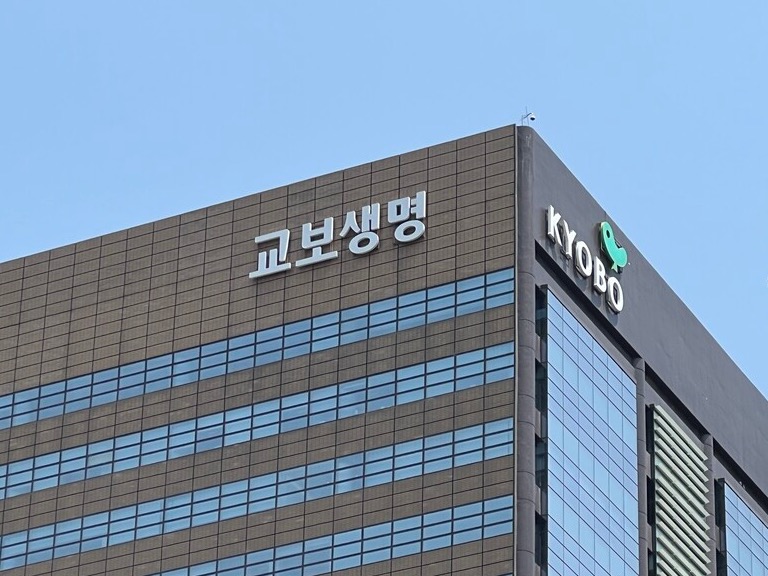
The collaboration between Kobo Life and the SBI Group is stirring a wind of digital innovation across the entire insurance industry, going beyond a simple technical experiment. As borderless real-time fund transfers, once unimaginable, become reality, the financial landscape is undergoing a complete transformation. Our readers should also closely observe this massive shift in the financial market to identify future investment opportunities. Technological advancement always makes our lives more convenient and is breaking down barriers in financial transactions. Please continue to pay attention to how other innovative services born from the intersection of insurance and blockchain will change our daily lives.
Gaining new knowledge amidst changing financial trends is the best way to wisely navigate an uncertain future.
The first Korea-Japan stablecoin pilot in the insurance industry will be an important milestone for future global financial transaction innovation.
Frequently Asked Questions
=