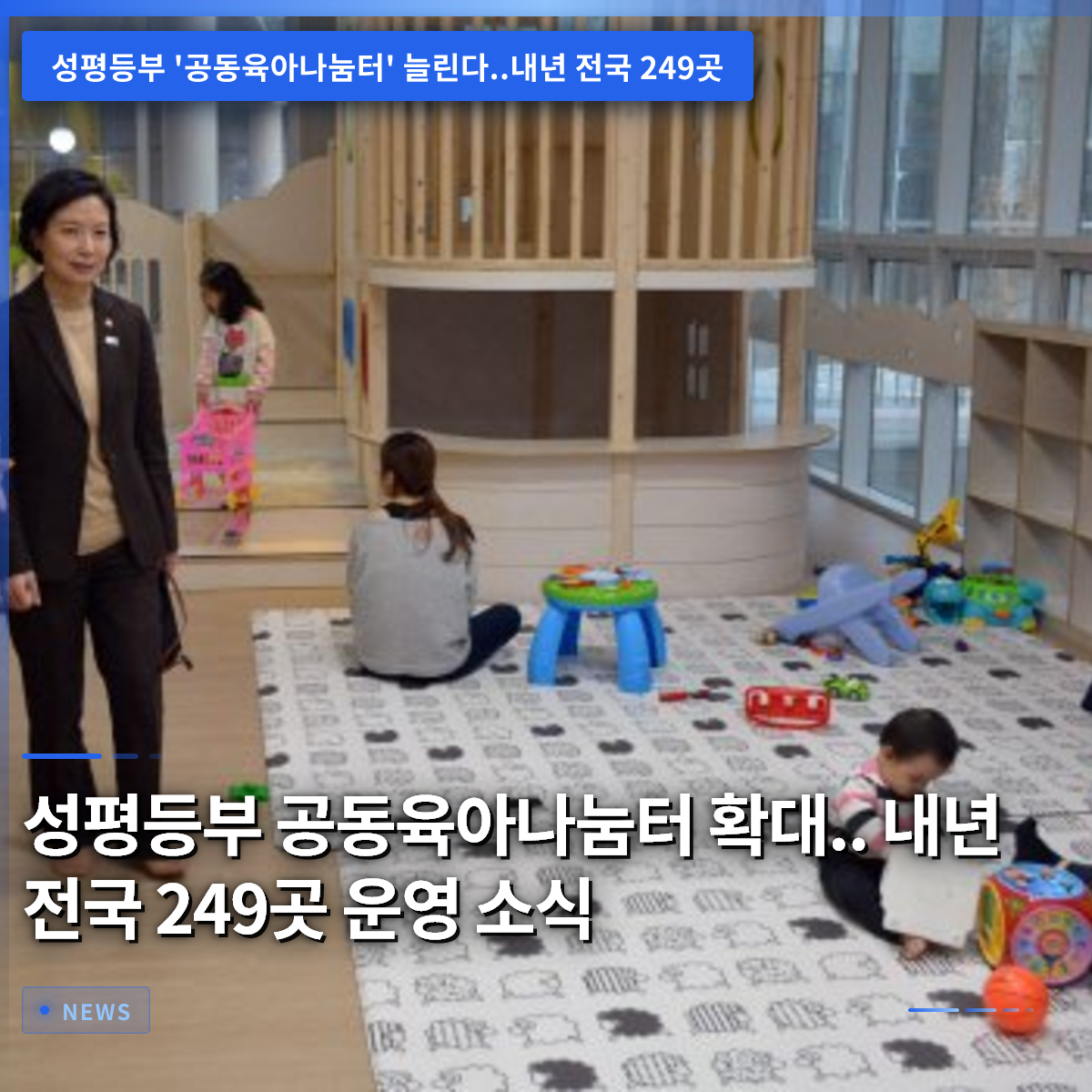
The Ministry of Gender Equality and Family and the Shinhan Financial Hope Foundation are partnering to expand the Shinhan Dream Dodam Center, a co-parenting sharing hub, to 249 locations nationwide next year, reaching more parents and children. This expansion aims to fill the after-school care gap, which is a major concern for dual-income couples, as the government and private enterprises join forces to build a stronger safety net. For parents who have been scrambling to find a place to leave their children while rushing to work, this news is a breath of fresh air. For instance, Ms. Kim, a resident of Seoul, used to break into a cold sweat calling for help from her family whenever she had to work overtime. She smiled, noting that having such spaces in every neighborhood brings her peace of mind. In this article, we will take a close look at the specific areas selected for the new co-parenting sharing hubs and the substantial educational programs waiting for our children. Let’s dive into the changing landscape of warm, community-based care where neighbors come together to raise children.
=
Ministry of Gender Equality Expands Co-Parenting Sharing Hubs to 249 Locations Nationwide Next Year
1. Expansion of Co-Parenting Sharing Hubs and Next Year’s Goals
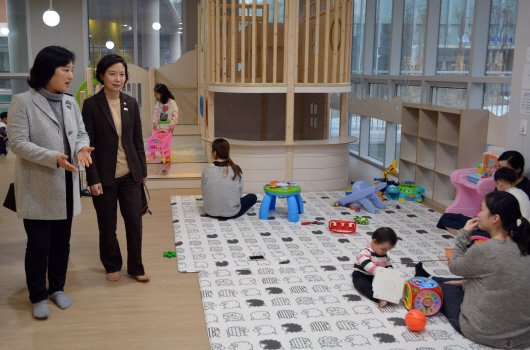
The Shinhan Dream Dodam Center, a co-parenting sharing hub jointly supported by the Ministry of Gender Equality and Family and the Shinhan Financial Hope Foundation, will expand from 232 locations this year to 249 next year. This public-private partnership, which has been steadily ongoing since 2018, has established itself as a successful welfare model where the government and enterprises effectively share their roles. Local governments identify and provide suitable spaces, while the enterprise renovates these spaces to be child-friendly and improves the environment. Over the past eight years, approximately 27 billion won in support funds has been invested in this project, benefiting over 55,000 guardians and children. The hubs serve not only as childcare facilities but also as community spaces where local residents communicate and share parenting information. The recently announced expansion plan is evaluated as one of the practical solutions to the low birth rate issue, garnering high expectations. The increase in safe spaces where parents can trustingly leave their children signifies the creation of an environment that is more conducive to raising children. Continued interest and investment are needed to ensure that such care spaces permeate every corner of the country.
The Shinhan Dream Dodam Center, a collaboration between the Ministry of Gender Equality and the Shinhan Financial Hope Foundation, will expand from 232 locations this year to 249 next year.
2. Status of 17 Newly Selected Locations in 11 Cities, Counties, and Districts
The Ministry of Gender Equality recently finalized the selection of 17 locations across 11 cities, counties, and districts nationwide, including Suncheon in South Jeolla and Gyeongju in North Gyeongsang, as new recipients of co-parenting sharing hub support. The selection process prioritized areas with relatively high care demand but a lack of adequate space, adding significance to the initiative. Notably, considering the hardships of military families, two co-parenting sharing hubs to be installed within military bases were also included in the support targets. This ensures that military couples, who serve day and night, can now leave their children with peace of mind and focus on their duties. Residents in the newly selected areas are expressing their joy, hanging banners welcoming the increased laughter of children in their neighborhoods. Each local government plans to immediately begin construction work in the selected areas to ensure residents can utilize the facilities as soon as possible. This will significantly reduce the burden on parents who previously had to travel long distances because there were no suitable play spaces or learning facilities nearby. This fruit of close cooperation between the administration and the private sector is expected to be a catalyst for overcoming the crisis of local population decline.
17 locations across 11 cities, counties, and districts, including Suncheon and Gyeongju, have been newly selected as support targets.
3. Tailored Educational Programs and Teaching Aid Support for Children
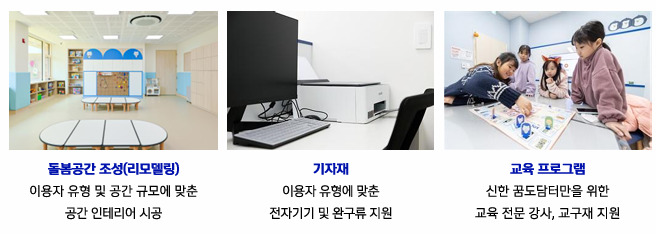
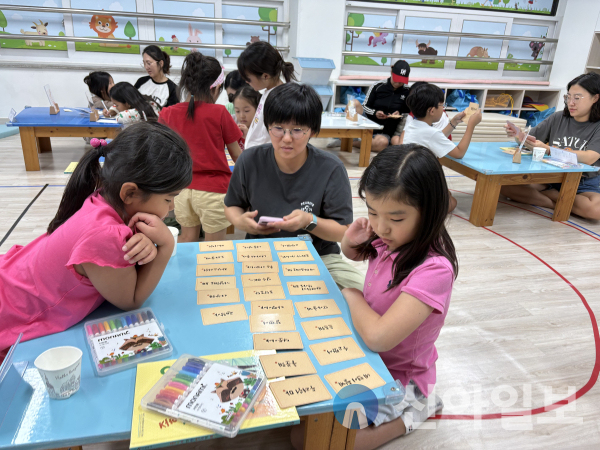
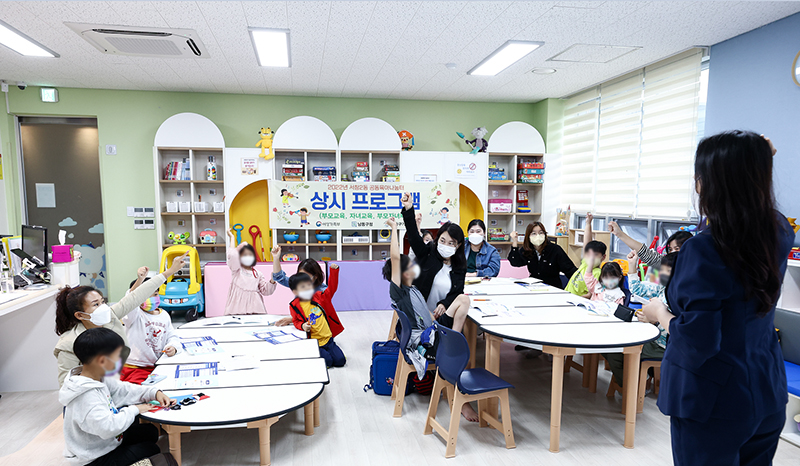
Newly opened or renovated co-parenting sharing hubs will be filled with diverse programs that nurture children’s imagination, going beyond merely providing space. These include economics education to naturally learn basic financial concepts and coding classes, which are currently very popular, tailored to the times. Additionally, creative arts, music, and reading programs are regularly operated by experts, precisely matched to children’s age groups and developmental characteristics. Ample supplies of the latest teaching aids and materials that children can touch, play with, and learn from are provided, helping to alleviate parents’ burden of private education costs. These programs not only aid in children’s brain development but also significantly help in fostering social skills through interaction with friends. The biggest appeal for parents is that they can enjoy all these benefits for free or at a low cost at the local sharing hub, without needing to send their children to expensive academies. Children learn while having fun, and parents are relieved of financial burdens, resulting in a two-fold benefit.
Age-appropriate programs such as financial education, coding, and creative classes, along with various teaching aids, are supported.
4. The History of Successful Care Created by Public-Private Cooperation
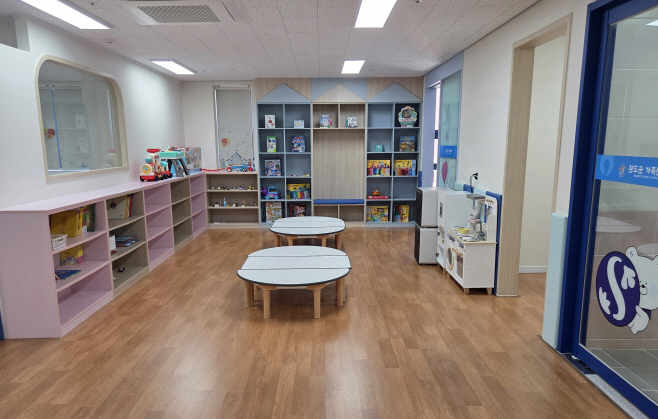
It has been eight years since the Ministry of Gender Equality partnered with the Shinhan Financial Hope Foundation to launch this project, achieving remarkable results. This initiative is cited as a perfect example of symbiotic cooperation, where corporate social responsibility activities warmly fill the gaps in the field that government budgets alone cannot cover. Local governments actively identify vacant building spaces, while enterprises gift perfect playgrounds through generous financial investment. The cumulative support funds over the past eight years have reached 27 billion won, resulting in the creation of over 50 shelters across the country. During this process, satisfaction surveys conducted with guardians and children who visited the sites have consistently recorded the highest levels, proving the necessity of the project on its own. For the enterprise, it is not just a one-time donation but a source of great fulfillment to breathe with the community and raise the children who will be the protagonists of the future. It is essential that this exemplary case of public-private cooperation spreads to other ministries and enterprises to elevate the overall welfare level of South Korea.
This is a representative public-private cooperation project where the Ministry of Gender Equality and the Shinhan Financial Hope Foundation invested 27 billion won over 8 years.
5. Building a Dense Care Safety Net with Local Family Centers
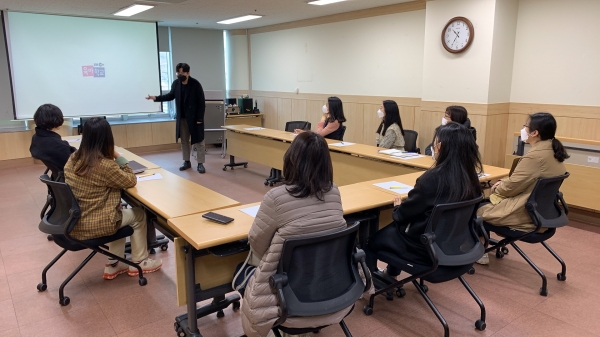
The secret to co-parenting sharing hubs becoming true hubs of care, rather than just places to gather children, lies in their close linkage with local family centers. Family centers in each region simultaneously provide parenting counseling and parent education programs for parents using the sharing hubs. Counseling channels with experts are always open for novice parents to resolve depression or parenting stress. A warm community culture is blooming where neighbors voluntarily form mutual care groups, taking turns to look after each other’s children. Unlike the past, when parents had to bear the weight of parenting alone, a reliable safety net has been created where neighborhood neighbors share the care of children. A system is in place to respond quickly through family centers even in emergency situations where children need to be left in care urgently. This warm sense of solidarity is the most powerful weapon to revive the vitality of our society and ensure that the laughter of children never ceases.
A dense care safety net is built through cooperation with local family centers, including parenting counseling and the operation of mutual care groups.
6. Future Prospects and Benefits for Parents
Choi Sung-ji, Director of the Youth and Family Policy Division at the Ministry of Gender Equality, firmly expressed the intention to further expand the care culture by joining hands with local governments, enterprises, and local family centers in the future. In line with the government’s consistent will to expand, it is expected that more co-parenting sharing hubs will be established in local governments nationwide after next year. For parents raising infants and young children, it is helpful to frequently check the websites of local family centers or city hall news channels. It is important to grasp the opening schedule of the Dream Dodam Center near your neighborhood in advance and apply quickly during the application period. We need everyone’s attention to ensure that raising children is no longer a lonely struggle but a happy journey celebrated and supported by the entire village. We sincerely hope that the combination of government policy support, the warm touch of enterprises, and the affectionate gaze of neighbors will allow all children in South Korea to grow up happily. We strongly recommend searching for the location of the nearest co-parenting sharing hub right now and meeting your parenting partner.
The government plans to continue expanding the care culture and increasing the number of sharing hubs in cooperation with local communities.
Frequently Asked Questions
=