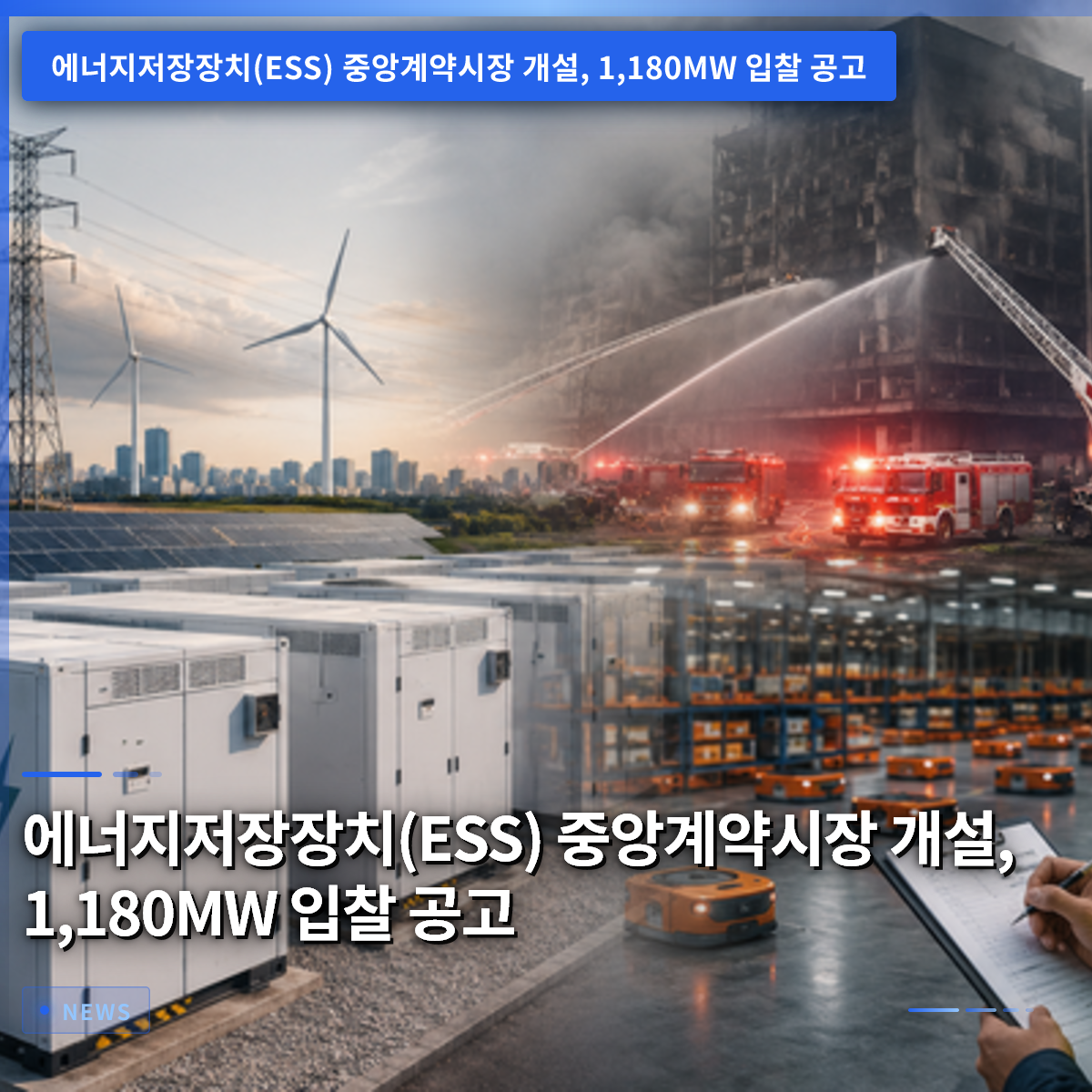
The Ministry of Climate, Energy and Environment has officially launched the 2026 Central Contract Market for Energy Storage Systems (ESS), beginning the recruitment of power generation businesses with a total capacity of 1,180MW across the mainland and Jeju. These facilities, which store energy during periods of surplus power generation and release it when needed, play a pivotal role in ensuring the stable operation of the power grid. Having already secured significant capacity through the previous three market rounds, the government aims to secure a large additional volume based on the 11th Basic Plan for Power Supply and Demand. Notably, this announcement draws attention for significantly expanding the scope of target substations and introducing a new contract method tailored specifically to the Jeju region. Those involved in the power market or preparing for related businesses should carefully review the tender conditions at this time. We will take a detailed look at what changes this announcement will bring to the domestic power grid and the related industry.
=
Opening of the Central Contract Market for Energy Storage Systems (ESS): 1,180MW Tender Announcement
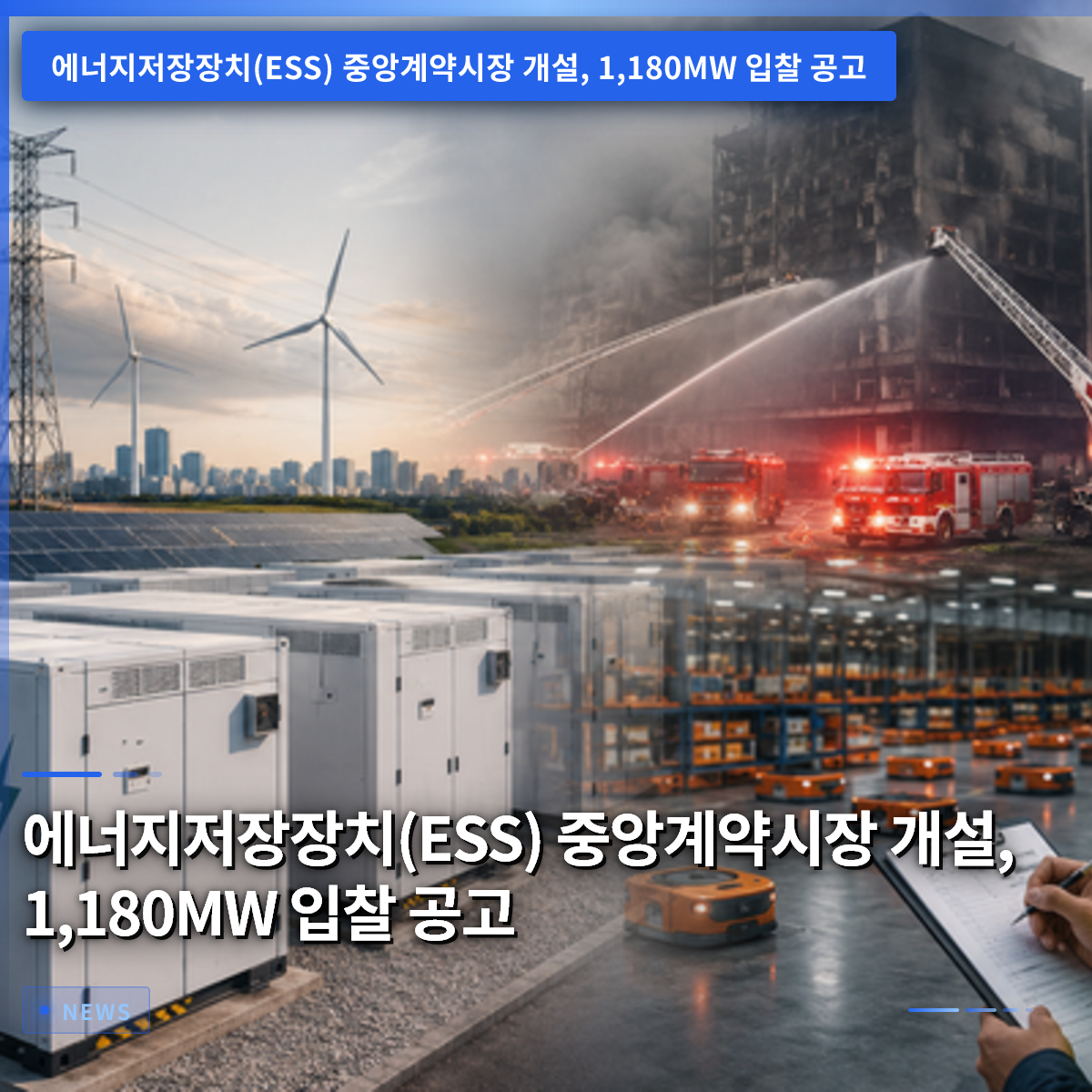
1. Overview of the 2026 Central Contract Market for ESS

The 2026 Central Contract Market, which has just opened, boasts a massive scale of 1,180MW, attracting intense interest from the industry. Specifically, 1,100MW has been allocated to the mainland region, while 80MW has been allocated to the Jeju region, which has unique power grid characteristics. The government plans to accept tender applications until November 11 and select the successful bidders immediately within the same month. During this period, entities preparing for the project can review detailed guidelines and document formats through the Korea Electric Power Exchange (KPX) announcements. Energy storage systems serve as a robust shield that balances power supply and demand imbalances and prevents blackouts, going beyond being mere warehouses for electricity. The reason we can comfortably use air conditioners and electronic devices at home is that these invisible storage facilities are fulfilling their role. As such large-scale facilities are installed in appropriate locations, the efficiency of the power grid is expected to improve significantly.
The large-scale Central Contract Market for ESS, covering both the mainland and Jeju with a total capacity of 1,180MW, has finally opened its doors.
2. Significant Expansion of Target Substations
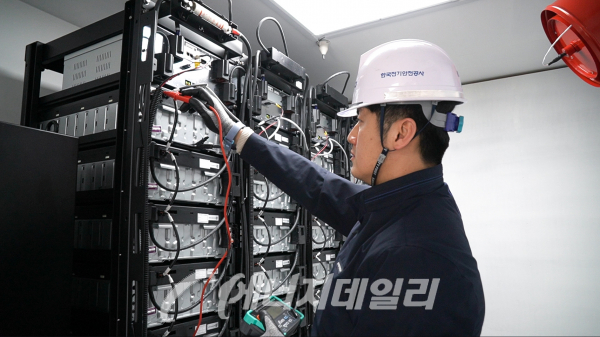
Previous ESS tender markets had the limitation of restricting project sites primarily to areas around grid management substations. However, the 2026 announcement lifts these restrictions, expanding the scope to include general substations where connection necessity is recognized through a meticulous analysis of the national grid situation. By transparently disclosing substations that offer excellent effects in reducing overload, the government is guiding businesses to find the most suitable locations. For example, installing storage devices in areas with high power demand but insufficient transmission lines can wisely resolve transmission constraint issues. From the business perspective, the range of choices has widened significantly, allowing them to select optimal locations that satisfy both profitability and grid contribution. This flexible approach to site selection will also greatly benefit the overall health of the power grid. As the range of substation choices expands, fierce competition among businesses to secure prime locations is expected.
The scope of target sites has been expanded to include general substations in addition to grid management substations, enabling the selection of optimal locations.
3. Introduction of a New Tailored Contract Method for the Jeju Region
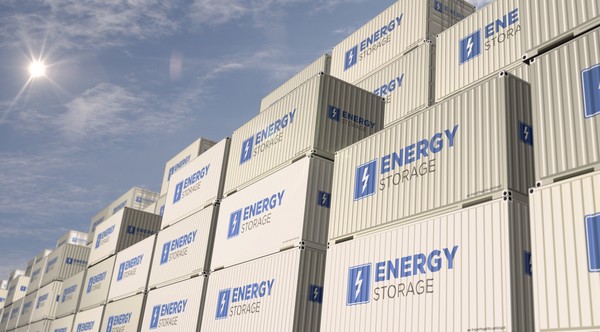
The Jeju region, which has a very high proportion of renewable energy such as wind and solar power, possesses a grid environment distinct from other areas. It is common for there to be surplus electricity even at night when the sun sets and the wind blows, making Jeju in urgent need of facilities capable of frequent charging and discharging cycles. Accordingly, the government has swiftly introduced a new contract method for Jeju, targeting equipment with long lifespans and superior charging performance. Previously, a uniform 15-year contract period was applied, but now, for equipment that can withstand two or more charge/discharge cycles per day for 25 years, a 25-year long-term contract option is available. This groundbreaking policy guarantees stable long-term revenue for businesses while providing robust support for Jeju’s unique power situation. Companies planning businesses in Jeju would benefit from actively considering this long-term contract method. This tailored system, introduced to overcome the variability of renewable energy in Jeju, could serve as an excellent model for other regions in the future.
A new contract method featuring 25-year long-term contracts and multi-charge capability has been introduced, taking into account the specific characteristics of the Jeju region.
4. Direction for Rational Reform of the Evaluation System
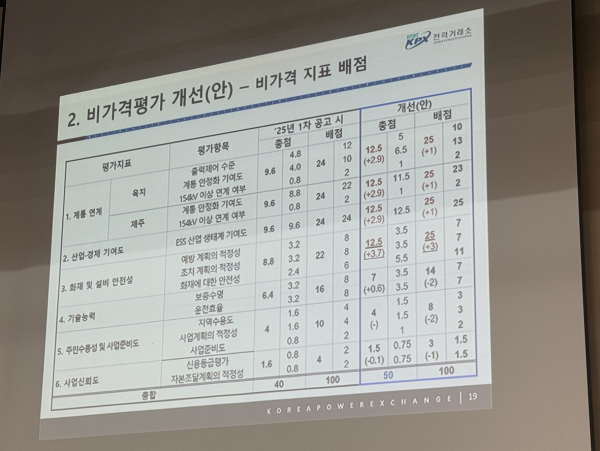
In this tender, the government has boldly revised items that lacked effectiveness while maintaining the overall evaluation framework. In the past, output control levels and grid stabilization contributions were evaluated separately, but due to significant overlap in the nature of these two items, they have been cleanly integrated into a single metric: “Grid Stabilization Contribution.” This reduces the complexity of the evaluation process and creates an environment where businesses can focus on how much they truly help the grid. The system has been refined to reduce unnecessary administrative burdens while remaining faithful to the essential goal of power grid stabilization. As evaluation criteria become clearer, participating companies will face less confusion and be able to prepare thoroughly. This evaluation, conducted under transparent and rational criteria, will play a significant role in selecting capable and excellent businesses. Simplifying evaluation items improves administrative efficiency and helps businesses focus entirely on their technical capabilities.
Overlapping evaluation items have been integrated into “Grid Stabilization Contribution,” enhancing the efficiency of the evaluation system.
5. Tender Schedule and Future Procedures
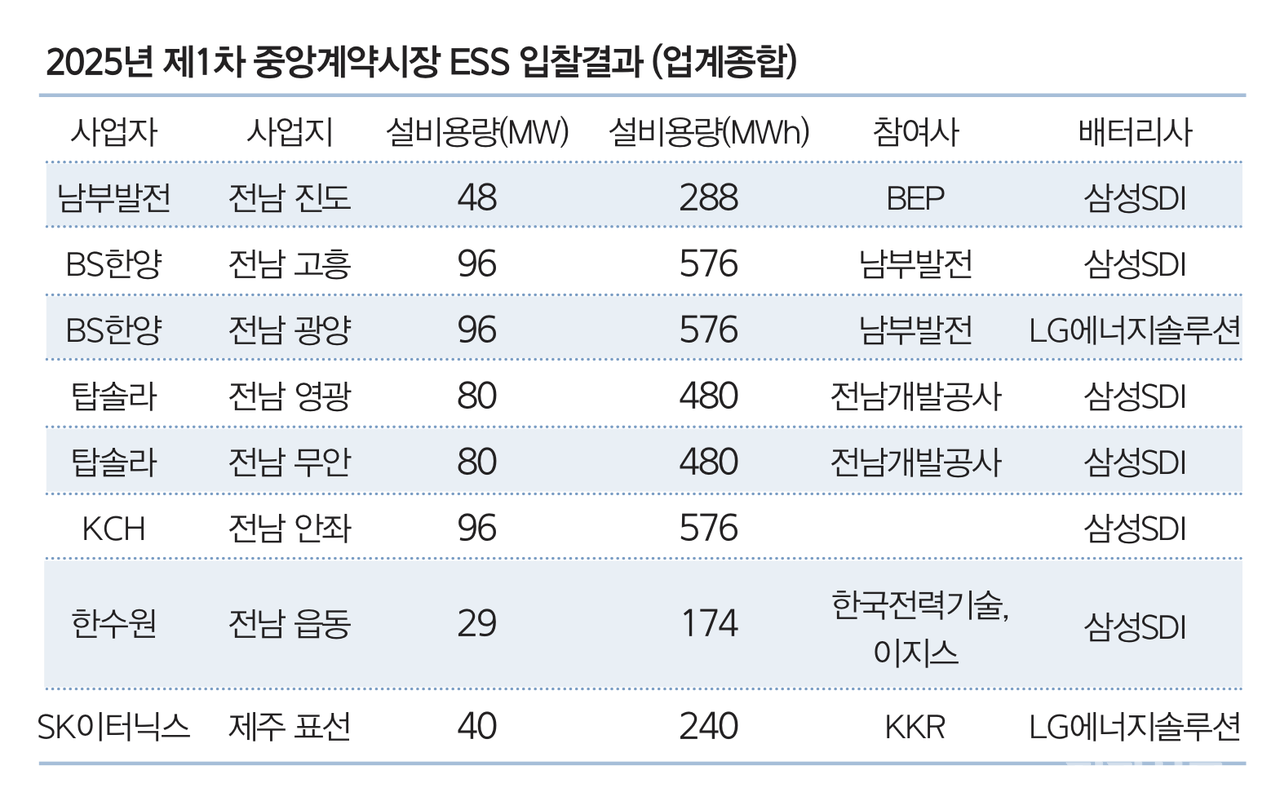
Power generation businesses hoping to participate in the 2026 Central Contract Market for ESS must move quickly to meet the remaining schedule. The announcement was posted on the KPX website on the afternoon of September 22, and document submissions will be accepted until November 11. During this period, businesses must prepare their business plans and various supporting documents without omission and submit them according to the prescribed procedures. After the submission period ends, KPX will conduct a fair review process and announce the final successful bidders in November. Given the substantial capital investment involved, it is essential to check the detailed guidelines multiple times and thoroughly inspect for any missing documents to avoid setbacks. If you have any questions, it is wise to contact the relevant KPX department for accurate guidance. Given the tight schedule, it is necessary to prepare documents in advance and frequently check KPX’s announcements.
Tender submissions will be accepted until November 11, and the final successful bidders are scheduled to be announced in November.
6. The Future of the Power Market and Business Response Strategies
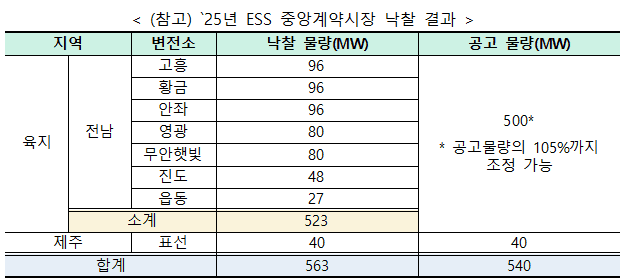
The opening of this Central Contract Market is expected to be a significant milestone in the maturation of the domestic power industry. As renewable energy increases, the role of storage devices in managing grid variability cannot be overstated. Companies with technical capabilities should use this tender as a springboard for growth, aligning with the government’s policy direction. In particular, only those who accurately interpret the changed institutional points, from substation site analysis to the introduction of long-lifespan equipment, will succeed in the market. We hope you will keep a close eye on the trends in the energy market and observe how the related industry develops. We look forward to the brilliant role that Energy Storage Systems will play in the upcoming era of eco-friendly power. In the changing policy environment, thorough preliminary analysis and strategic planning are the keys to successful business participation.
It is essential to accurately grasp changing policies and systems to formulate a successful power business strategy.
Frequently Asked Questions
=