If you want to lower the interest on your home-backed loan, the most reliable method is to frequently compare interest rates across different banks and switch to more favorable terms. With recent interest rate hikes, many households have been shocked by the amount of interest deducted from their accounts each month. Friends who recently bought homes often complain that their monthly payments have increased significantly, making them feel financially suffocated. Before rushing to a bank, it is wise to accurately assess your current loan situation and explore various programs that can help lower your interest rate. In this article, we will take a detailed look at refinancing methods that can practically reduce your interest burden, as well as year-end tax benefits.
=
How to Reduce the Interest Burden on Your Home-Backed Loan and Tips for Refinancing at a Lower Rate
1. The Reality of Soaring Interest Rates and Growing Monthly Interest Burdens
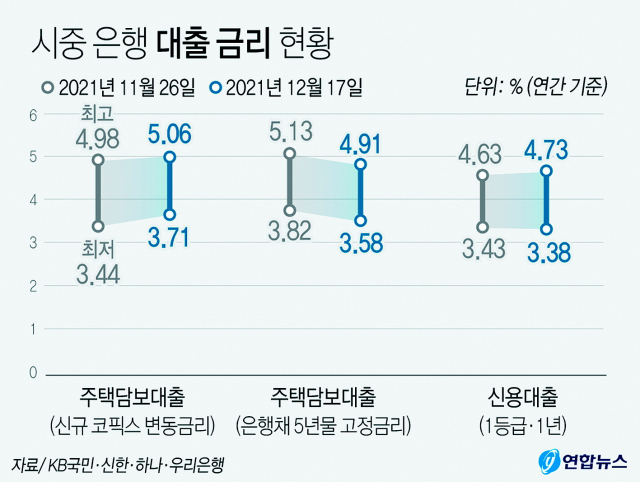
These days, when you meet people who have taken out housing-related loans, you often hear them sigh. As the fixed amount deducted from their accounts each month increases, they find themselves tightening their belts on living expenses first. Mr. Kim, an office worker, admits that paying monthly interest on the loan he took out last year to buy a home has become a heavy burden. Before interest rates rose, he thought he could easily manage this amount, but the situation has changed completely. While the principal remains the same, the interest keeps growing, creating a sense of anxiety as if he is sinking into a debt trap. To reduce this interest burden, which significantly impacts household finances, you must carefully examine the interest rate currently applied to your loan.
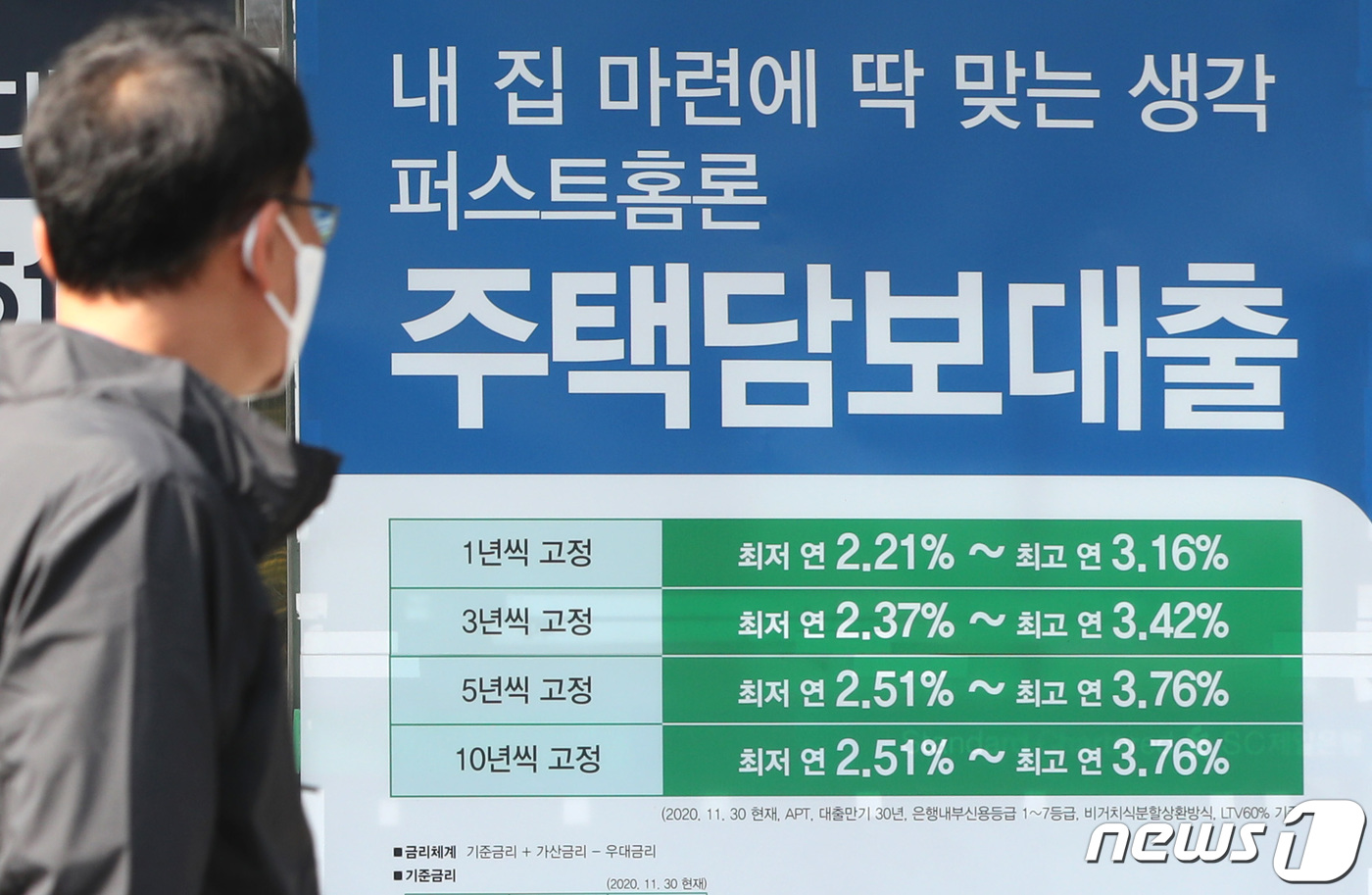
Rising interest rates have caused a sharp increase in monthly interest payments, placing a significant burden on household economies.
2. The Enormous Interest Difference Created by a 0.1%p Rate Gap
Many people dismiss a difference of 0.1% or 0.2% in interest rates as insignificant, but over a long period, it amounts to a huge sum. Given that housing-related loans often involve borrowing hundreds of millions of won, even a small difference in interest rates can result in a total cost difference of several million won. For example, if you borrow 300 million won, a rate reduction of just 0.5% can save you an amount equivalent to the price of a car over a decade or more. This is why you should not overlook these small numbers when consulting with a bank. In reality, people who carefully check for preferential conditions through interest rate comparison sites are saving significantly on their monthly outflows. If you neglect this out of laziness, your valuable assets will continue to drain from your bank account under the guise of interest payments.
Due to the large loan amounts, even a tiny difference in interest rates leads to significant long-term interest savings.
3. The Art of Consolidating High-Interest Debt
Many people have experienced the headache that comes with monthly repayment dates when they have borrowed money from multiple sources. If you have several small, high-interest loans mixed together, such as card loans or overdraft accounts, you are likely to face an interest bomb. In such cases, you can consider using your home as collateral to consolidate multiple debts into one clean package. Mr. Park, an office worker who was struggling with high interest rates,