Capital gains tax is levied on the profit generated from the sale of assets, so without thorough preparation, you may face an unexpected massive tax bill. Recently, in the real estate market, the phenomenon of property owners holding onto their assets (inventory lock-up) has intensified due to the expiration of the multi-homeowner surtax grace period and tax system reforms. Similarly, cases of overseas stock investors bearing additional taxes due to a misunderstanding of the basic deduction limit are increasing. For example, if you sell an apartment in a prime area of Seoul or realize profits from US stocks without properly understanding the relevant regulations, you may end up paying tens of millions of won in taxes. Therefore, today we will carefully examine core strategies that can significantly reduce taxes, ranging from the scope of recognized necessary expenses for real estate to precautions for fund transfers between family members and the netting of gains and losses on overseas stocks. By verifying safe and legal tax-saving paths based on the advice of tax experts, you can greatly help protect your valuable assets. From now on, we will provide detailed guidance on essential information that you must remember amidst complex tax laws.
=
2026 Capital Gains Tax Saving Secrets: How to Avoid Real Estate and Overseas Stock Tax Bombs
1. Basic Structure and Calculation Principles of Real Estate Capital Gains Tax
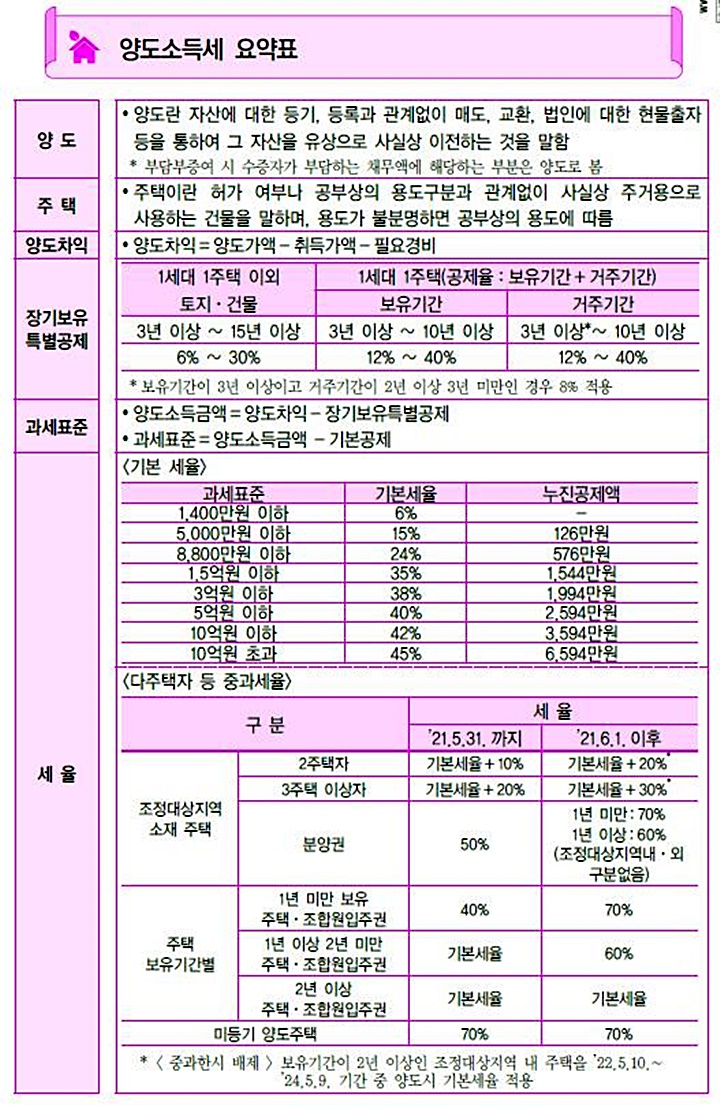
The capital gains tax payable when selling real estate is not a simple structure of just subtracting the purchase price from the sale price, but is calculated based on detailed legal standards. The difference between the acquisition price (the amount actually paid when buying the house) and the disposal price (the amount received when selling) constitutes the capital gain, which serves as the starting point for tax calculation. After deducting the long-term holding special deduction and basic deduction, the final taxable standard is calculated, and the tax amount is determined by multiplying this by the prescribed tax rate. While many people try to lower the sale price to reduce taxes, it is actually far more advantageous to accurately prove the acquisition price and maximize necessary expenses. If you fail to properly keep receipts or supporting documents, the amount of costs recognized will decrease, resulting in an unfair situation where you end up paying significantly more in taxes. Therefore, from the stage of preparing for a real estate transaction, you must develop the habit of thoroughly storing contracts and evidence of various cost expenditures in a safe place. The core skill of tax saving is ensuring that no incidental costs incurred during the real estate transaction process are overlooked. Tax experts emphasize that not only acquisition tax and legal fees but even repair costs for fixing the house can be recognized as necessary expenses. However, cash transactions without receipts or consumable expenditures that merely maintain the asset’s value are difficult to recognize, so caution is required.
Capital gains tax is calculated based on the capital gain derived by subtracting the acquisition price and necessary expenses from the disposal price, so supporting documents must be kept thoroughly.
2. Increasing Acquisition Price with System Air Conditioners and Interior Costs
Interior costs or system air conditioner installation costs incurred during home renovations are very important necessary expenses that increase the acquisition price when calculating capital gains tax. For example, if you spent tens of millions of won to remodel the entire house or installed built-in system air conditioners in each room, you must definitely keep these expenditure details as evidence. Capital expenditures invested after acquiring the asset are recognized as substantially increasing the value of the real estate, becoming a powerful weapon to reduce capital gains when selling the house later. However, many people pay for interior work in cash without receiving cash receipts or merely keep rough estimates, only to face trouble later. When filing a tax return with the National Tax Service, costs are fully recognized only if bank transfer records and tax invoices or proper evidence are provided. Therefore, when signing a contract with an interior company, you need the wisdom to firmly request the issuance of evidence for tax filing and carefully bind the related documents. Even seemingly minor repair costs can create a miracle of saving millions to tens of millions of won in taxes when accumulated. Construction work such as demolishing walls, expanding verandas, or completely replacing boilers also qualifies as capital expenditure and can be deducted as necessary expenses.
System air conditioner installation or major interior renovation costs can be recognized as necessary expenses with proper evidence, significantly reducing capital gains tax.
3. Importance of Fund Transfers Between Family Members and Proving Source of Funds
Believing in the misinformation seen in YouTube videos that you can avoid gift tax by splitting small amounts below a certain threshold when giving money to family or children can lead to serious trouble. In reality, tax authorities are closely monitoring this method of splitting deposits and imposing heavy additional taxes and tax bombs through tax audits. Even if the amount falls within the legally prescribed gift tax deduction limit, it is a wise method to definitely file a gift tax return with the tax office. Pre-filing the return ensures that when children later use that money to purchase real estate or acquire other assets, it is recognized as a legal source of funds. If the gift tax return is omitted, the funds may be considered illegal in the future, becoming a target of source of funds investigations, and negatively affecting the determination of the acquisition price when calculating capital gains tax. You must remember that legal tax saving begins not with using loopholes, but with transparently following prescribed legal procedures and reporting to tax authorities. Financial transactions between family members must be proven to be objective loan contracts by creating promissory notes and actually exchanging interest. Otherwise, the National Tax Service will presume it as a gift and immediately proceed with taxation procedures, requiring special caution.
Incorrect tax-saving methods like splitting small deposits can lead to tax bombs, so gift tax returns must be filed and sources of funds clearly established even within deduction limits.
4. The Truth About the 2.5 Million Won Deduction and 22% Tax Rate for Overseas Stock Capital Gains Tax
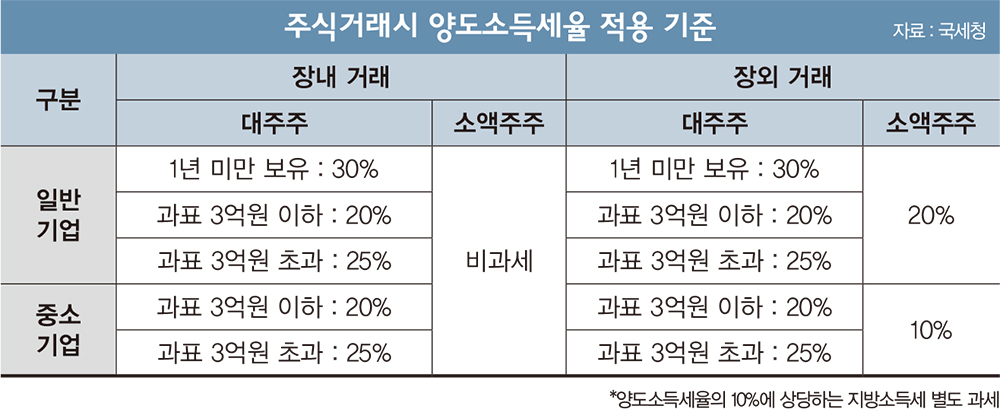
As the number of investors earning profits from US stocks or overseas exchange-traded funds (ETFs) increases, interest in overseas stock capital gains tax is also heating up. For overseas stocks, a single tax rate of 22%, including local income tax, is applied to the amount exceeding the annual basic deduction of 2.5 million won from the total capital gains incurred over one year. If the net profit from stock trading in a year does not exceed 2.5 million won, no tax is paid, but the moment this limit is exceeded by even 1 won, tax is incurred on the excess amount. Some investors, relying solely on this 2.5 million won basic deduction, take no action until the end of the year and are shocked to receive a tax notice much larger than expected. Since overseas stock investments can simultaneously generate profits and losses across multiple stocks, a process of netting gains and losses by comprehensively calculating the entire trading history for the year is required. A wise investment strategy to appropriately adjust profitable and loss-making stocks before the end of the year to lower the taxable standard is essential. The method of increasing the acquisition price of stocks by utilizing gifts between family members is also a useful technique frequently used in overseas stock tax-saving strategies. If you gift stocks to your spouse and then sell them, the acquisition price increases within the gift tax deduction limit, resulting in a reduction of capital gains.
A 22% tax rate applies to the amount exceeding the annual 2.5 million won basic deduction for overseas stocks, so taxes should be reduced using netting of gains and losses and family gifts.
5. Multi-Homeowner Capital Gains Tax Surtax Grace Period and Real Estate Market Reaction
Although the government is temporarily easing the application of the capital gains tax surtax to encourage multi-homeowners to list their properties, the actual market reaction is flowing quite differently from expectations. Contrary to the forecast that properties in prime areas of Seoul would flood the market as the tax burden is eased, the phenomenon of inventory lock-up has intensified due to the combined expectation that housing prices will rise further. Owners of high-priced apartments in areas like Gangnam are choosing to gift their properties to their children or hold onto them rather than sell, even if the tax is slightly reduced. In fact, looking at the monthly number of real estate gift transactions, there is a clear phenomenon where gift transaction volumes surge several times higher than usual around the expiration of the capital gains tax surtax grace period. This clearly shows that multi-homeowners prefer asset transfer through holding and gifting rather than disposal through sales to reduce their tax burden. Since the impact of changes in real estate policy on the behavior of actual market participants is not simple, flexible responses tailored to one’s own asset situation are required. Changes in property tax and capital gains tax due to tax system reforms are acting as major variables not only for multi-homeowners but also for the moving plans of single-homeowner residents. Therefore, it is safest to regularly check government real estate policy announcements and market trends and decide the timing of sales after consulting with a tax accountant.
Despite the multi-homeowner capital gains tax surtax grace period, inventory lock-up and increased gifting continue, so customized tax-saving strategies tailored to market conditions are needed.
6. Capital Gains Tax Response Strategies for Wise Asset Management in 2026
To continue successful asset management in a rapidly changing tax environment, you must establish response strategies based on thorough data and official regulations, without being swayed by emotions. As the saying goes, “You can only reduce taxes as much as you know,” it is essential to carefully study relevant laws and deduction systems from the moment you decide to buy/sell real estate or invest in overseas stocks. You must remember that blindly believing in unverified information circulating on the internet, such as splitting deposits or illegal tax-saving tips, can lead to a heavy additional tax bomb and financial damage later. Before disposing of assets, be sure to have a one-on-one consultation with a tax expert to calculate the expected tax amount in advance and choose the most advantageous timing and method. The small action of immediately checking the acquisition evidence documents for your current assets and verifying if any necessary expenses or deduction items have been missed will be the first step in protecting large assets. I sincerely hope you will become a wise investor who continues to seek legal and efficient tax-saving methods while closely monitoring government policy changes. Do not forget that transparent and honest tax reporting is the most certain secret to growing assets in the long term. Please prepare a stable future by completely blocking tax risks through thorough document preparation and pre-filing that meet the standards of tax authorities.
To respond to 2026 tax law changes, you must practice legal tax saving through expert consultation and thorough evidence management instead of relying on unverified information.
Frequently Asked Questions
=