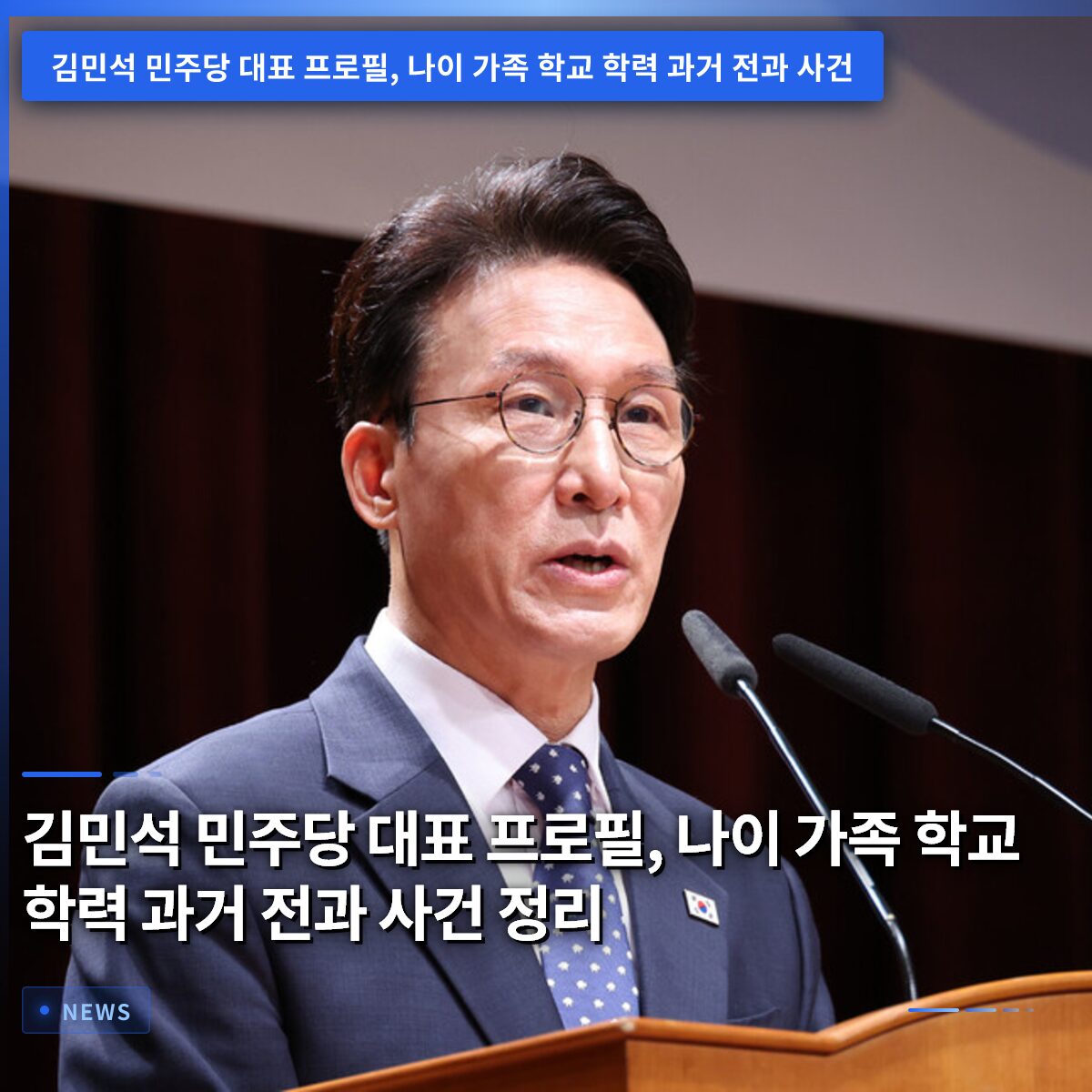
Representative Kim Min-seok, elected as the leader of the Democratic Party of Korea in the August 2026 national convention with a majority of support, is one of the politicians with the most turbulent career in South Korean politics. From serving as the first Prime Minister of the Lee Jae-myung administration to rising to the helm of the ruling party, he has experienced both the dazzling spotlight of his youth and the painful political hiatus. A former student council president at Seoul National University, he made a brilliant debut as a member of the National Assembly for a major opposition party in his early 30s. However, he had to endure a long period outside of politics following his party defection and defeat in the 2002 Seoul mayoral election. Since then, a guilty verdict for violating the Political Funds Act, a criminal record, and controversies surrounding his family during his confirmation hearings have all followed his name. All eyes are now on the political world, focused on what kind of leadership he will demonstrate as the leader of the ruling party, overcoming past controversies and wounds. In this article, based on officially released materials and media reports to date, we will calmly examine Representative Kim Min-seok’s age, education, family, and the reality of his past legal issues. We will organize all the key information readers are curious about without omission, so please read on with attention.
=
Kim Min-seok, Democratic Party Leader: Profile, Age, Family, Education, and Past Legal Issues
1. Age and Political Standing
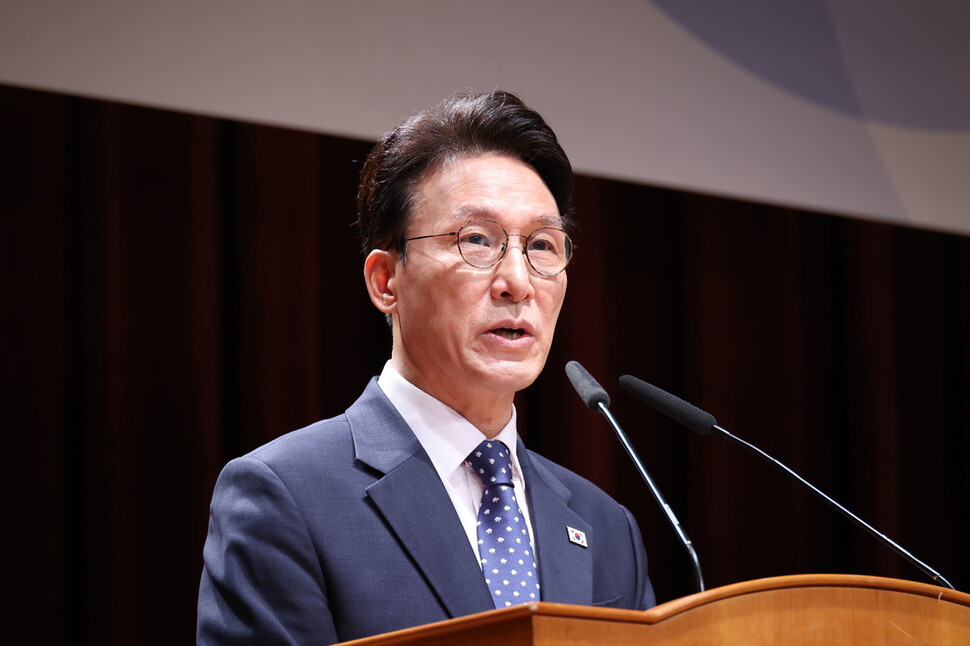
Democratic Party of Korea leader Kim Min-seok was born in Seoul on May 29, 1964, and is currently a veteran politician who has reached the age of 62. As a senior representative who has won four consecutive terms in the Yeongdeungpo-gu (B) district, he rose to the position of party leader by defeating candidate Chung Cheong-rae with a high vote share of 54.08% in the runoff of the August 2026 national convention. His political influence is significant, as he successfully served as the first Prime Minister of the Lee Jae-myung administration before immediately taking the reins of the ruling party. He first entered the National Assembly in Yeouido 30 years ago, in the 15th general election of 1996, at the young age of 32. Having caused a sensation by winning in Seoul’s Yeongdeungpo-gu (B) district at the time, he solidified his position as a next-generation leader within the party by winning again in the 16th general election. However, after losing the 2002 Seoul mayoral election, he made a sudden defection from the party just before the presidential election, throwing his political career into an unexpected vortex. After wandering the periphery for a long time, he made a dramatic comeback to Yeouido in the 21st general election of 2020, returning after a gap of no less than 18 years. He further proved his resilience, built from the ground up, by comfortably winning the 22nd general election. A young politician who had weathered the fierce headwinds of the early 2000s with his whole body has now become the leader of the ruling party in his 60s. Those around him unanimously describe this political revival as a rare resurrection drama in modern Korean political history. Attention is focused on how the ambition of his youth and the experience gained during his long years as a private citizen will harmonize. Ultimately, he erased his past mistakes and gaps with his own hands and once again stood at the center of power in name and reality.
Leader Kim Min-seok is a 62-year-old, four-term member of the National Assembly who was elected as the leader of the Democratic Party of Korea in August 2026 after serving as Prime Minister.
2. Education and Student Movement History
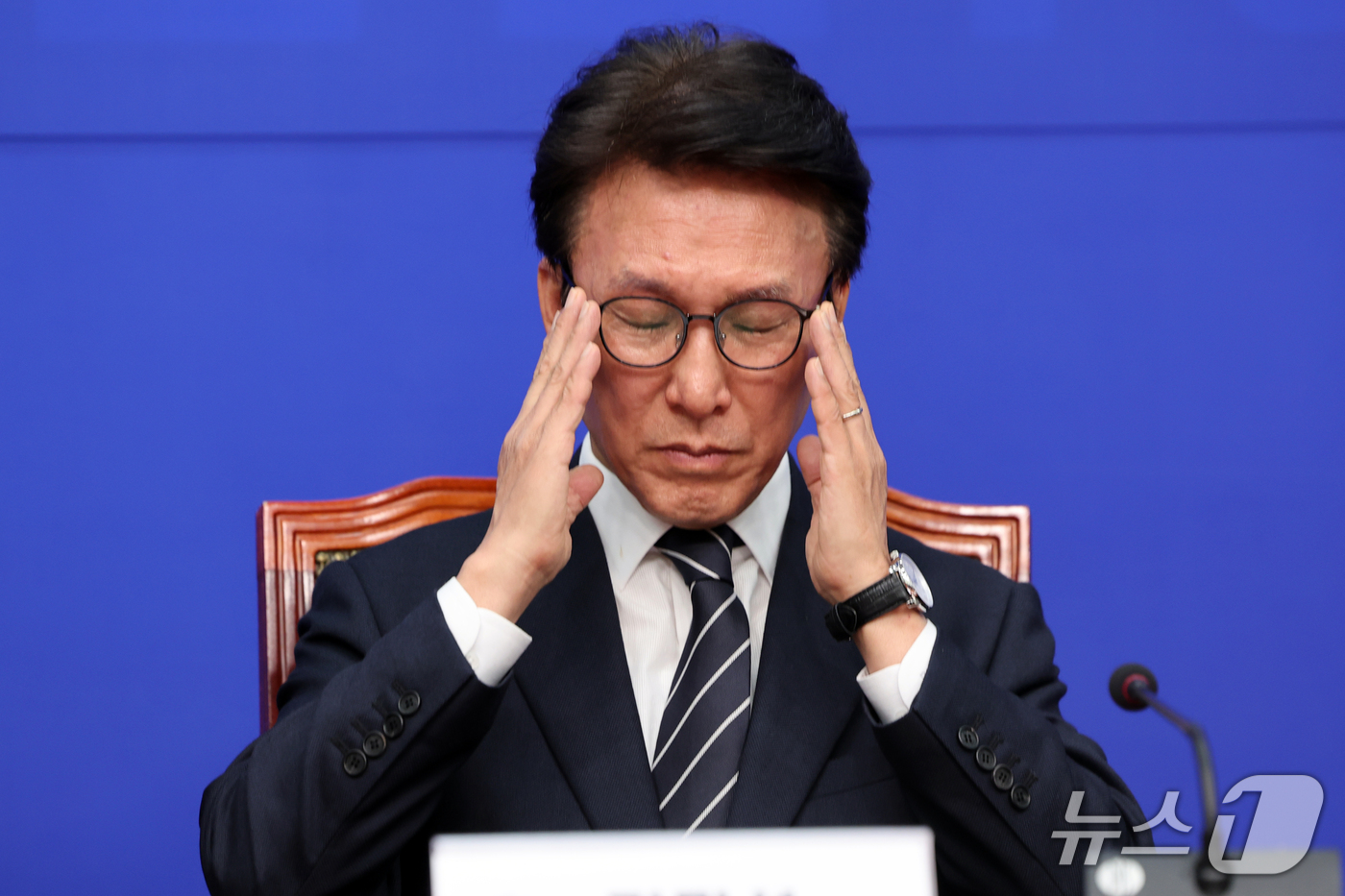
Looking at Leader Kim Min-seok’s education and career, his impressive credentials stand out, having comprehensively studied law and administration at top domestic and overseas universities. After graduating from Chung-Ang High School in Seoul, he entered the Department of Sociology at Seoul National University, spending his turbulent university days in the 1980s. He made his name as a leading student movement leader by simultaneously serving as the President of the Seoul National University Student Council and the Chairman of the National Student Council, during a time when SNU was a giant in the academic world. Repeatedly arrested and released at the forefront of the 1980s democratization movement, he caught the eye of former President Kim Dae-jung, a major figure in the opposition at the time, and abruptly entered politics in 1990. Having held key positions such as Chief of Staff to Chairman Kim Dae-jung, he grew into a core brain within the party and is considered one of the true heirs of the Donggyo-dong faction. Even after becoming a member of the National Assembly, he did not let go of his passion for learning, earning a Master’s degree in Public Administration from Harvard University’s Kennedy School of Government. Not stopping there, he received a Master’s degree in Law from Tsinghua University in China and entered Rutgers University Law School in the US, where he earned a Doctor of Jurisprudence (JD) after rigorous study. This goes beyond the typical degree-acquisition path for domestic politicians, as he deeply studied law and administration at top institutions in both the US and China. This global academic background provided a theoretical foundation when he held positions such as Policy Committee Chair and Director of the Democratic Research Institute, which serve as think tanks within the party. His unique asset is the combination of the fighting spirit of a student movement background with the international sensibility and legal expertise gained through his studies in the US and China. Of course, some have criticized this brilliant study-abroad history as elitist, but the prevailing evaluation is that his policy capabilities are unrivaled within the party. The activist temperament of his university days and his intellectual exploration on a global stage form the framework that completed the current politician Kim Min-seok.
Leader Kim Min-seok, a former Seoul National University student council president, holds a Master’s in Public Administration from Harvard University, a Master’s in Law from Tsinghua University, and a JD from Rutgers University Law School.
3. Family Relations and Controversies Over Children
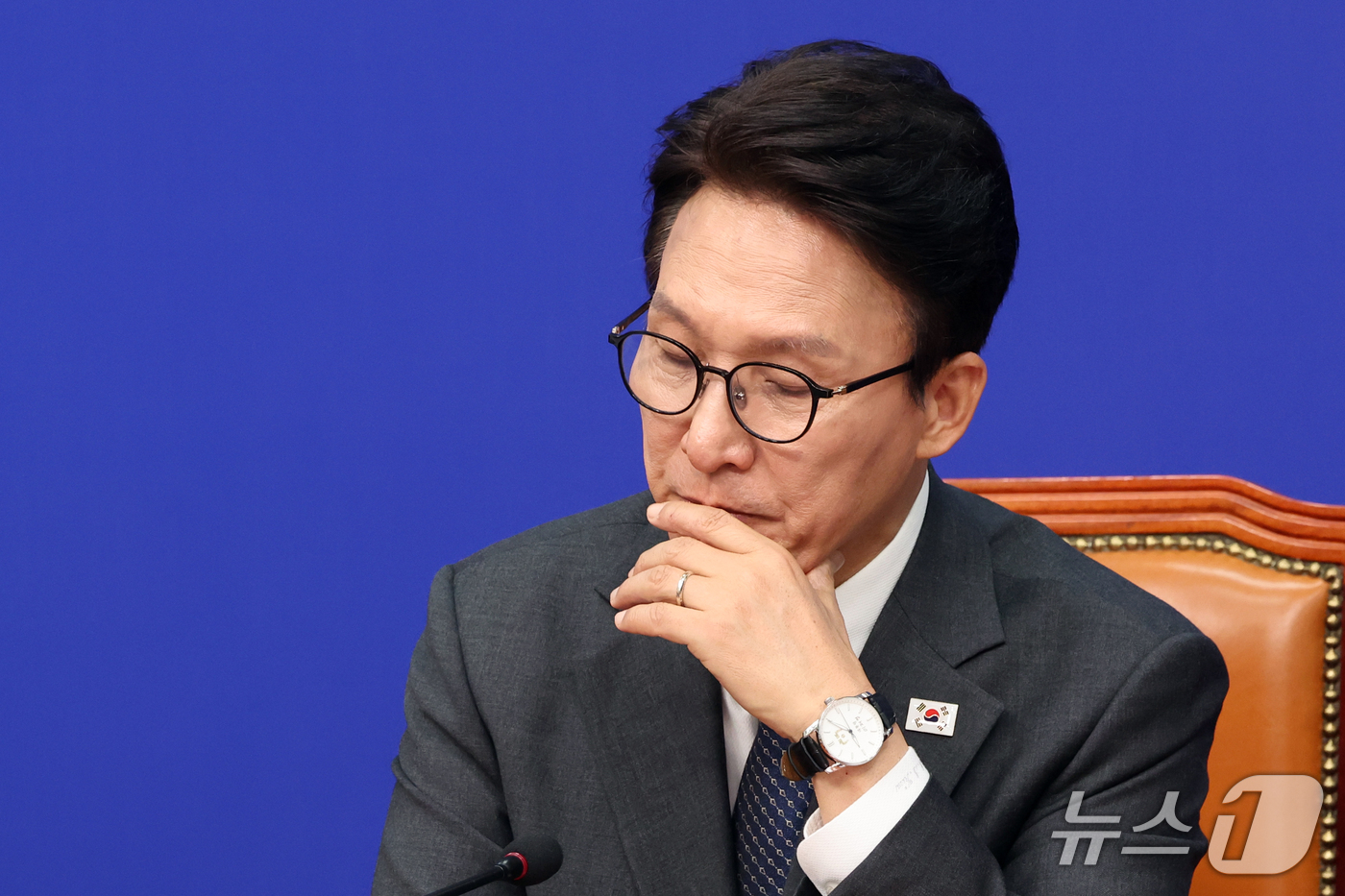
Leader Kim Min-seok’s family relations were fully exposed to the public during the intense scrutiny from the media and the opposition party during his confirmation hearing as Prime Minister nominee in 2025. His current spouse is Lee Tae-rin, and the couple has one son and one daughter, maintaining a stable family life. However, during the hearing, the process of his children’s admissions and study abroad came under the spotlight, attracting intense public interest. At the time, opposition lawmakers fiercely raised so-called “Dad’s Chance” suspicions, claiming that the content of a bill written by the leader’s son as part of a high school club activity influenced the National Assembly’s legislative process. Sharp criticisms followed, questioning whether the father’s political status or network had unfairly influenced the son’s admission to a US university. In response, then-nominee Kim Min-seok directly denied the suspicions, stating that his social status or the club activity in question had not been unfairly utilized in his son’s admission process. He also explained that the exorbitant cost of his son’s study abroad in the US was primarily borne by his ex-spouse, emphasizing its legitimacy. Although family-related issues were put on the chopping block due to the opposition’s offensive during the hearing, no definitive legal violations were revealed, and the appointment process was ultimately approved. He underwent a harsh verification process where his children’s privacy and admission processes were thoroughly investigated simply because they are the family of a politician. While this is the fate that the families of public figures must endure, issues regarding children are sensitive and may remain a spark for political conflict in the future.
Leader Kim Min-seok has one son and one daughter with his spouse, Lee Tae-rin. Suspicions regarding his son’s study abroad and admission to a US university were raised during the 2025 Prime Minister confirmation hearing.
4. Past Criminal Record and Political Funds Act Violations
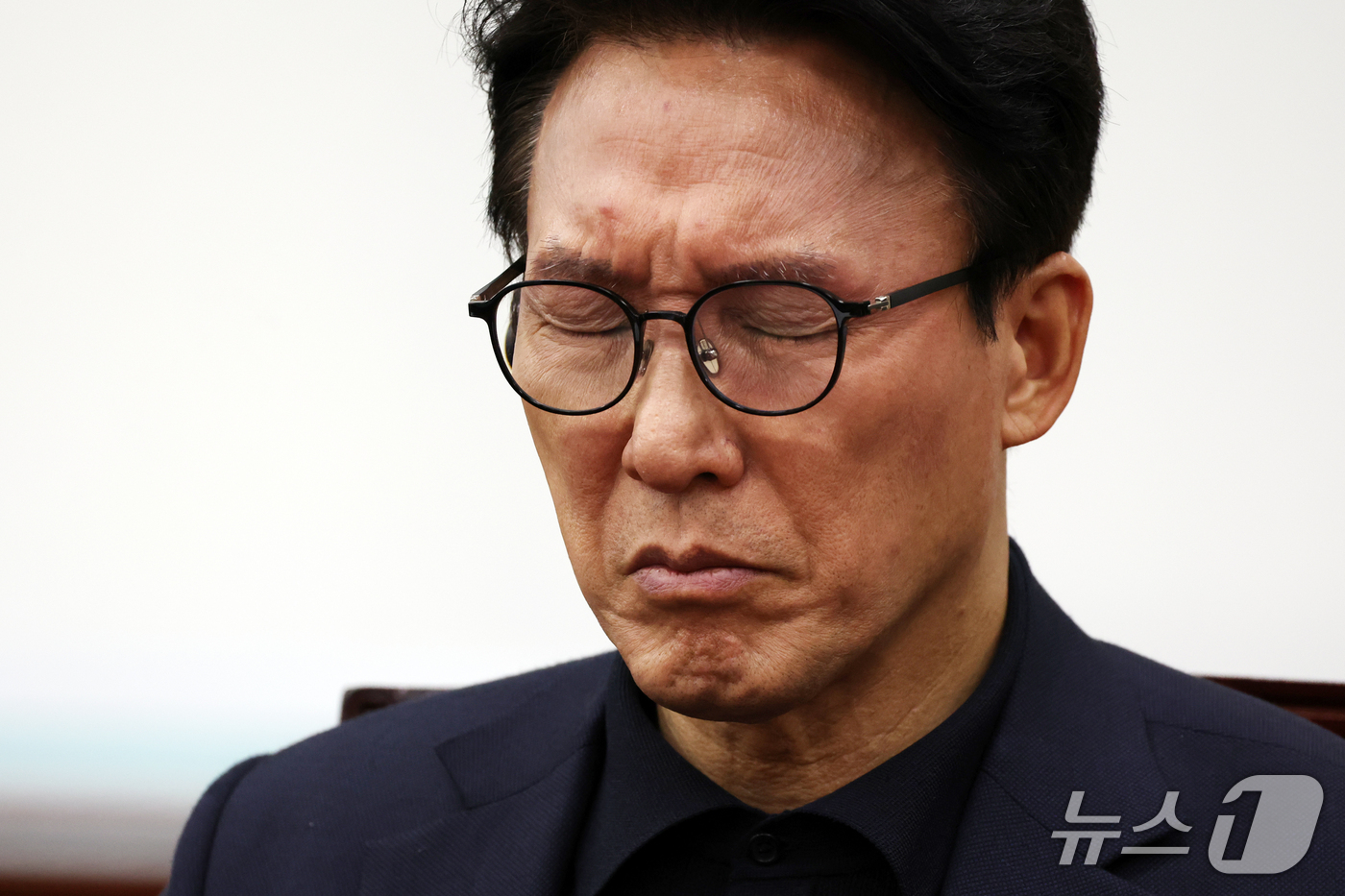
The criminal record attached to Leader Kim Min-seok’s name needs to be examined objectively, divided into two distinct periods. The first is the criminal record from the turbulent student movement era of the 1980s, which includes violations of the Act on Assemblies and Demonstrations and the National Security Act. As the President of the Seoul National University Student Council, he was arrested and criminally punished for opposing the military dictatorship, a product of the era’s pain experienced by countless students during the democratization movement. Criminal records from this period tend to be recognized as having historical legitimacy under laws such as the Act on the Rehabilitation and Compensation of Persons Involved in the Democratization Movement. However, the second period of criminal records, which the public views more strictly, involves violations of the Political Funds Act that occurred after he became a politician. In 2004, he was found guilty of receiving 200 million won in illegal political funds from the SK Group, and the Supreme Court finalized a sentence of eight months in prison with a two-year suspended sentence. Not stopping there, he was prosecuted again in 2008 on charges of receiving illegal political funds from acquaintances and could not escape punishment by the court. This series of legal risks dealt a decisive blow to his political life and was the main reason he was unable to establish a foothold within the party for a long time. During his time as Prime Minister nominee in 2025, he repeatedly expressed regret to the public regarding his past criminal record for violating the Political Funds Act. However, he also expressed his grievance that the background of those incidents included the nature of unreasonable targeted investigations by the political prosecution. Although he explained that he had fully paid all related fines, confiscations, and taxes, the historical fact of the court’s final guilty verdict remains.
Leader Kim Min-seok has a criminal record related to student movements in the 1980s and a history of being found guilty of violating the Political Funds Act during his time as a politician.
5. Long Hiatus and Dramatic Comeback
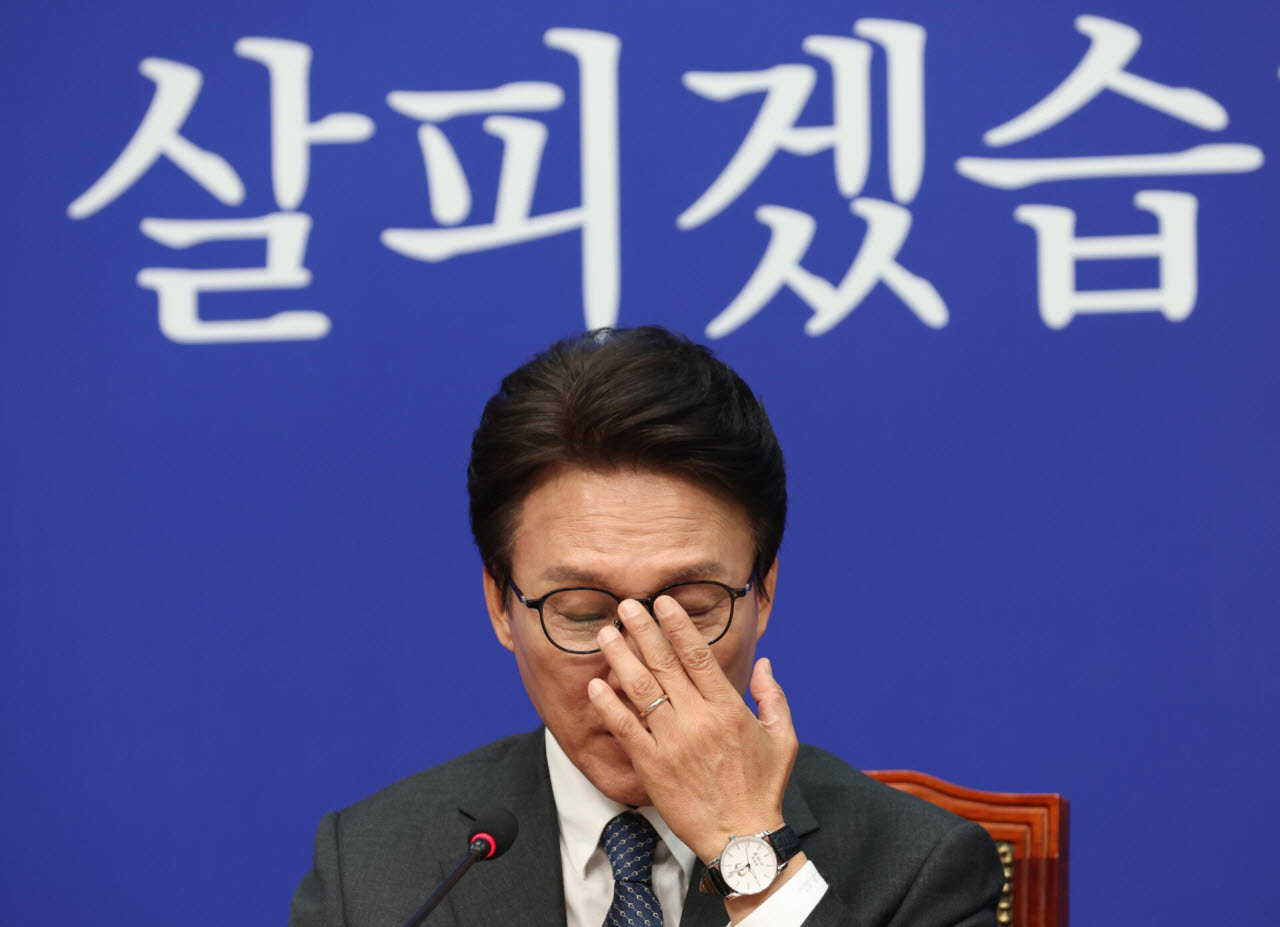
If one were to pick the most dramatic part of Leader Kim Min-seok’s political career, it would undoubtedly be the long period of living as a private citizen outside of politics that began in 2002. As the New Millennium Democratic Party’s candidate for Seoul Mayor in 2002, he faced a painful defeat against Lee Myung-bak of the Grand National Party at the time. The incident where he abruptly defected from the Democratic Party, strongly advocating for a unified candidate between Roh Moo-hyun and Chung Mong-joon just before the presidential election, sent a huge shock through Yeouido politics. Leaving the party amidst fierce criticism from party colleagues and supporters, he had to endure the stigma of being a “political bird” (a politician who switches parties) for a long time due to this defection. After also suffering a defeat in the 2004 general election, he left the country and spent a long period shuttling between the US and China, enduring an outside-of-politics life not unlike political exile. Although his body was away from Yeouido, the time spent completing his studies and learning about international affairs in the US and China became a foundation for his later success. Finally, having cleared his mental debts, he returned to the Democratic Party and gradually recovered his influence by holding key party positions such as Director of the Democratic Research Institute, Policy Committee Chair, and Senior Supreme Council Member. In the 21st general election of 2020, he was finally elected in Yeongdeungpo-gu (B), breaking a long hiatus of 18 years and successfully returning to the National Assembly in style. During the 2026 party leadership election, he publicly apologized to party members and the public who had been hurt by his past defection and the candidate unification turmoil. His attitude of frankly acknowledging his mistakes and reflecting on them became the decisive factor that moved the hearts of the delegates. A figure once considered to have ended his political life rising to become the leader of the ruling party after serving as Prime Minister is one of the greatest comebacks in Korean political history.
Leader Kim Min-seok, who experienced a long 18-year hiatus due to his 2002 defection and defeat, apologized for his past mistakes and rose to become party leader after returning to the National Assembly in 2020.
6. Future Outlook and Challenges
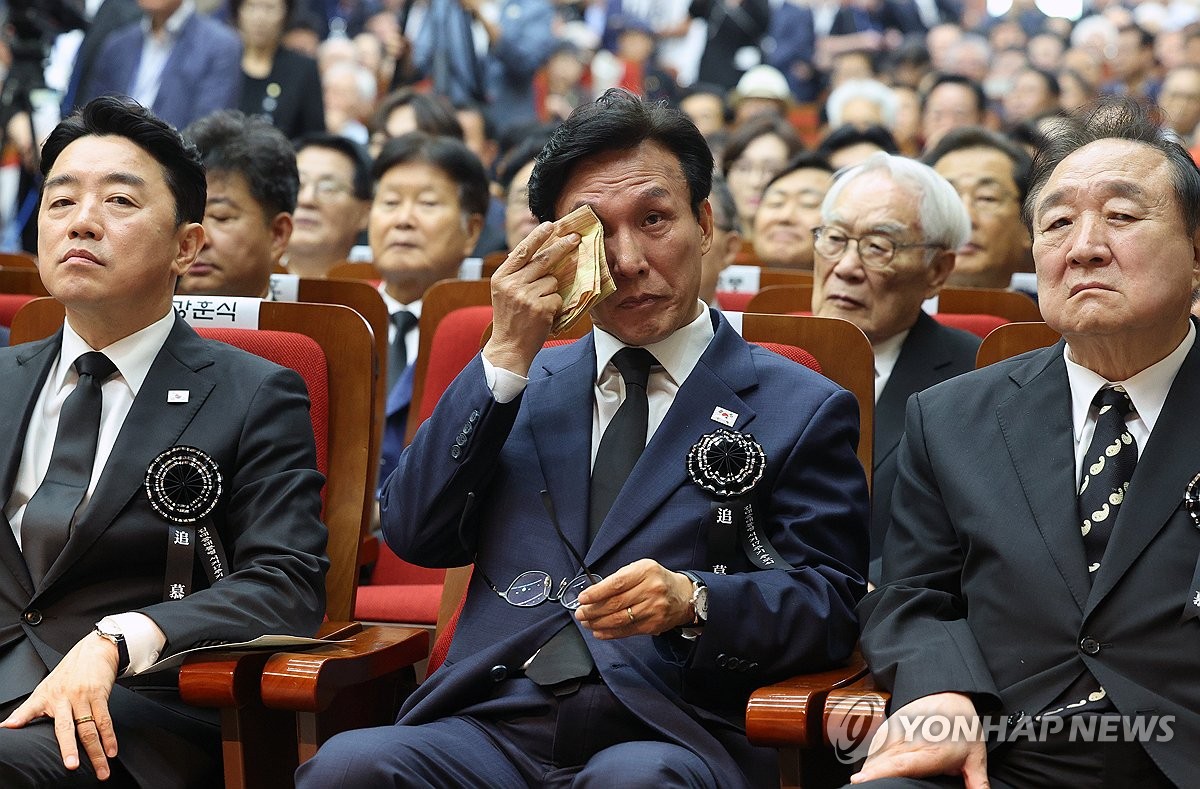
Leader Kim Min-seok of the Democratic Party of Korea, who has taken on the heavy responsibility of leading the ruling party, faces numerous difficulties and opportunities simultaneously. The fighting spirit of his student movement background and the policy expertise honed through overseas study must now demonstrate their worth in the process of governing the nation and cooperating with the major opposition party. Having experienced both the bitterness and sweetness of politics through his long years as a private citizen, he is evaluated as having exceptional sophistication in breaking through crisis situations. However, his past criminal record for violating the Political Funds Act and family-related controversies will inevitably remain targets of sharp attacks from the opposition and conservative camps. Therefore, the morality and transparency he demonstrates in the future are expected to be both his most powerful weapon and his vulnerability in seizing the initiative in the political situation. Readers should also watch Leader Kim Min-seok’s future actions not just for his brilliant education or Prime Ministerial experience, but by coldly observing how he overcomes his past mistakes. Since politics ultimately speaks through results, how well the ruling party he leads manages the livelihood economy and national security will be the core criterion for evaluation. Whether the resilience he has shown in rising above past wounds and blemishes will act as positive energy for the development of South Korean politics, or become another spark of conflict, depends entirely on his leadership. If you carefully compare his policy actions and party management style as reported by the media, your eye for reading the flow of Korean politics will broaden significantly. We recommend maintaining a perspective based on objective facts, rather than blind support or criticism of the politician, and continuing to watch his actions closely.
Leader Kim Min-seok faces the critical task of washing away his past mistakes through rigorous moral verification and policy achievements, and leading the ruling party stably.
Frequently Asked Questions
=