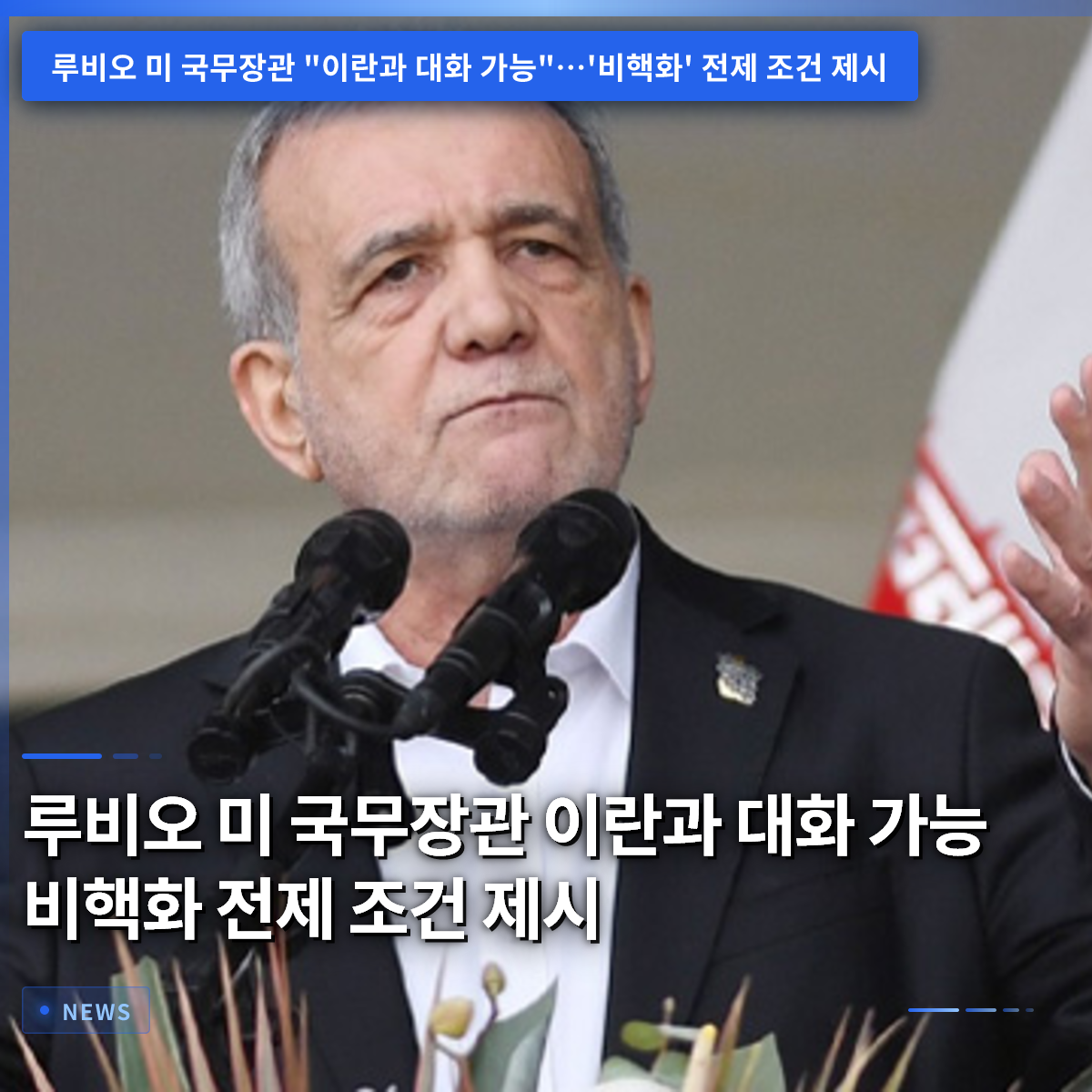
U.S. Secretary of State Marco Rubio has abruptly stated that the U.S. is open to resuming dialogue with Iran, coinciding with the high-level week of the UN General Assembly. In a recent interview with a U.S. national broadcaster, Secretary Rubio emphasized that the door to dialogue with Iran remains open. While no specific meeting schedule has been set at this point, the possibility of behind-the-scenes contact between the two nations is not entirely ruled out. This statement came immediately after the Iranian government proposed reopening the Strait of Hormuz within a week if the U.S. eases its military pressure. The international community is watching closely to see if this UN General Assembly will serve as the stage for a dramatic turn in dialogue between the two countries. This article will examine the background of Secretary Rubio’s remarks and their potential impact on the future international landscape in detail.
=
U.S. Secretary of State Rubio: Open to Dialogue with Iran, Sets Denuclearization as Prerequisite
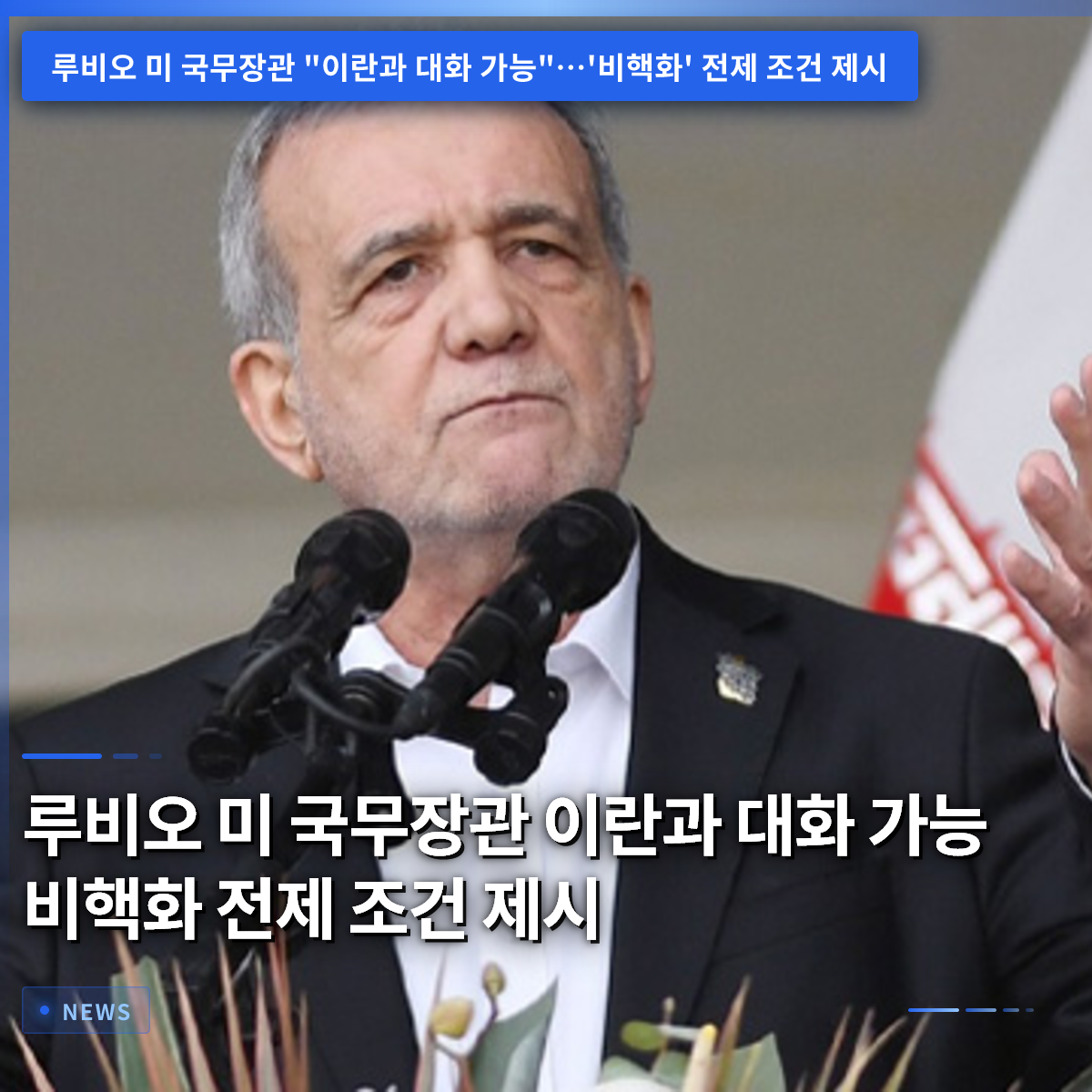
1. The Possibility of U.S.-Iran Dialogue Amid the UN General Assembly
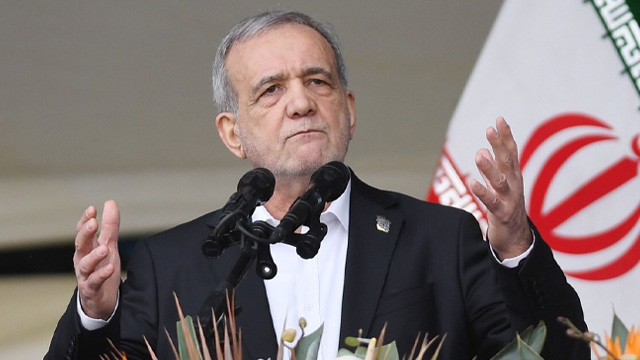
Secretary Rubio’s recent remarks have drawn even greater attention as they come ahead of the high-level week of the UN General Assembly in New York. This period, when world leaders and foreign ministers gather, has traditionally been a venue for active behind-the-scenes diplomacy. In a broadcast interview, the Secretary mentioned the possibility of dialogue, stating that he is open to it at any time if positive results can be achieved. Iran has also recently hinted at its willingness to engage in dialogue with the U.S. by bringing up the card of reopening the Strait of Hormuz. While it may be difficult for the two countries to sit directly across from each other at an official negotiation table, there is ample possibility that mediation diplomacy through a third party will be attempted.
These diplomatic gestures could provide a small opening for the long-frozen relations between the two nations. In fact, many major international conflicts in the past have found dramatic breakthroughs through informal contacts made during high-level conference periods. We must watch how diplomats from both sides expand their contact points on the neutral stage of New York. While maintaining a tense standoff on the surface, pragmatic efforts to find a compromise point are actively unfolding behind the scenes. Attention is focused on whether Iran’s proposal to reopen the Strait of Hormuz can serve as a practical trigger for easing U.S. military pressure.
As the UN General Assembly convenes, Secretary Rubio has left the door open to dialogue with Iran, heightening expectations for behind-the-scenes diplomatic outreach between the two nations.
2. Denuclearization: The Non-Negotiable Prerequisite for the U.S.
Although the U.S. has left the door open to dialogue with Iran, strict prerequisites that are absolutely non-negotiable lie beneath the surface. Secretary Rubio repeatedly emphasized that the ultimate goal of any dialogue is to ensure that Iran never possesses nuclear weapons. This serves as a warning that substantive normalization of diplomatic relations or the lifting of sanctions is impossible unless Iran completely abandons its nuclear ambitions. The U.S. has long designated Iran’s nuclear development program as the greatest threat to stability in the Middle East. Therefore, this statement reaffirms the existing stance that denuclearization must be both the starting point and the end goal of any negotiations.
From Iran’s perspective, giving up its nuclear program is a sensitive issue directly tied to regime survival, making it difficult to easily accept U.S. demands. Given the fundamental and entrenched differences in perspective between the two sides, turbulent friction is expected even if dialogue begins. Nevertheless, Iran is forced to consider some form of compromise to alleviate economic pressure and military tensions. The U.S. has made it clear that while it keeps the door open to a diplomatic solution, it will absolutely not tolerate the possession of nuclear weapons. How the two sides will find common ground in this tense tug-of-war will be the most critical point to watch in the future Middle East landscape.
Secretary Rubio presented denuclearization—ensuring Iran never possesses nuclear weapons—as a clear prerequisite and goal for dialogue.
3. The Validity of Iran’s Strait of Hormuz Reopening Proposal and International Reactions
The Iranian government’s proposal to reopen the Strait of Hormuz, made just before the U.S. hinted at the possibility of dialogue, is a crucial background to the current situation. Iran proposed that if U.S. military pressure is eased, it would reopen the Strait of Hormuz, a key chokepoint for global oil transport, within a week. This strait carries a significant portion of the world’s oil cargo, exerting a profound influence on the global energy supply chain. The fact that Iran has played this card indicates the severity of the economic blow caused by U.S. sanctions and military tensions. For the U.S. government, ensuring the safe passage of the strait is also urgent to resolve rising energy prices and instability in the Middle East.
The international community is meticulously analyzing whether Iran’s proposal is a mere gesture or an actual bargaining chip. In the past, both sides have attempted limited compromises during crises but failed to bear fruit due to unresolved fundamental distrust. This time, with the massive diplomatic stage of the UN General Assembly provided, there is a high likelihood that the two countries will seek a compromise at the working level. The reconstruction of energy facilities in the Middle East and the security of passage through the strait are sensitive issues directly linked to the global economy. It is a critical moment to watch how Iran’s proposal will interact with U.S. denuclearization demands, creating either synergy or friction.
Iran’s proposal to reopen the Strait of Hormuz if U.S. military pressure is eased is a major background factor for the recent hints of dialogue.
4. Changes in the U.S.-Iran Diplomatic Landscape Compared to the Past
Examining the remarks of the U.S. Secretary of State reveals a subtle shift in diplomatic flexibility compared to previous administrations. Moving away from a strategy of simply shutting the door and applying pressure, they are attempting a pragmatic approach of conditional dialogue. This shows that the fatigue caused by the long-term conflict in the Middle East on the U.S. economy and international security has accumulated significantly. Iran, too, appears to be hitting limits in maintaining an unconditional hardline stance due to internal economic difficulties and repeated sanctions. Both countries are implicitly forming a strategic consensus that further extreme confrontation must be avoided.
Of course, it is not easy to be optimistic that these changes will immediately lead to a peaceful shift in the situation. There are still numerous variables, including the political environments of both governments and the backlash from domestic hardliners. Nevertheless, not completely blocking channels of dialogue and leaving open the possibility of practical contact is a significant change. In diplomatic circles, this is interpreted not as a complete compromise, but as the beginning of “managed dialogue” to prevent the worst-case collision. It will be interesting to see what informal meetings the delegations from both countries will hold in New York to build trust.
Despite extreme confrontation, both nations are showing new diplomatic flexibility by seeking channels of dialogue based on pragmatic interests.
5. Impact on the Middle East Energy Market and the Global Economy
Subtle shifts in U.S.-Iran relations are immediately causing significant ripples in the global energy market and the world economy. Whether the Strait of Hormuz is open is a core variable directly affecting global oil supply and price stability. As Iran plays the card of reopening the strait and the U.S. responds with dialogue, instability in the oil market is showing signs of calming down. If the two countries can lower military tensions in the Middle East through dialogue and ensure the safety of the strait, it will greatly help stabilize prices. Conversely, if talks break down and lead back to armed conflict, the global economy could face another storm of fierce inflation.
For ordinary businesses and consumers, the Middle East situation is no longer just foreign news but an issue directly affecting daily life. Rising oil prices immediately lead to increased transportation costs and product prices, placing a heavy burden on household economies. This is why governments and economic institutions in various countries are closely monitoring Secretary Rubio’s remarks and future moves at the UN General Assembly. All market participants desperately hope that a diplomatic solution will be smoothly derived to resolve uncertainty in the global supply chain. Economy and security are two sides of the same coin, and a single word on the diplomatic stage can shake the entire market.
The possibility of U.S.-Iran dialogue and the proposal to reopen the strait are key to stabilizing global oil prices and resolving uncertainty in the world economy.
6. Future Outlook and Diplomatic Moves to Watch
U.S. Secretary of State Marco Rubio’s hints at the possibility of dialogue with Iran hold the potential to create a new turning point in the stalled Middle East situation. While the solid prerequisite of denuclearization means the negotiation process will not be smooth, the fact that the door to dialogue has opened is significant in itself. Behind-the-scenes contacts between the two countries and the movements of mediating nations in New York during the UN General Assembly will serve as a gauge for the international landscape in the coming months. We must continue to watch whether Iran’s proposal to reopen the Strait of Hormuz will actually be implemented and to what extent the U.S. will adjust its military pressure. In a rapidly changing international security environment, the ability to accurately interpret such diplomatic news is becoming increasingly important.
Readers should also keep in mind that security news from the Middle East goes beyond being simple foreign news and has ripples on domestic prices and the economy. Wisdom is needed to calmly observe the follow-up reports from the UN General Assembly and the progress of negotiations between the working teams of both countries. Please continue to pay attention so that the government and the international community can find a peaceful compromise and the global economy can find stability. May this be an opportunity to consider the diplomatic stance and economic benefits that South Korea should pursue amidst complex international relations. It is a time when a wise attitude is required to read between the lines of the news with a cool-headed perspective and steadily prepare for the changes of the future.
We must monitor practical contacts and the progress of denuclearization negotiations at the upcoming UN General Assembly and prepare for the impact of the international situation on the economy.
Frequently Asked Questions
=