Pension savings insurance is a representative financial product chosen by many to secure stable retirement funds. However, considering recent inflation rates, many subscribers are disappointed by returns that fall short of expectations. While many have persisted by paying regular monthly premiums and enjoying the tax deduction benefits during year-end tax settlement, they often find themselves troubled as the accumulated amount grows too slowly over time. Mr. Kim, an office worker, sighed deeply after checking the balance of his pension savings product, which he had been contributing to for ten years, realizing it could not keep up with inflation. Every time he heard stories from acquaintances about making significant profits through stock or ETF investments, he felt left behind, leading to sleepless nights. It is time to seriously consider whether sticking to insurance for the sake of stability is a wise choice or if one should boldly make changes to seek higher returns. In this article, we will carefully examine the structural characteristics of pension savings products, compare them with other investment means, and discuss suitable alternatives.
=
Pros, Cons, and Return Analysis to Know Before Enrolling in Pension Savings Insurance
1. Basic Structure and Tax Deduction Benefits of Pension Savings Insurance
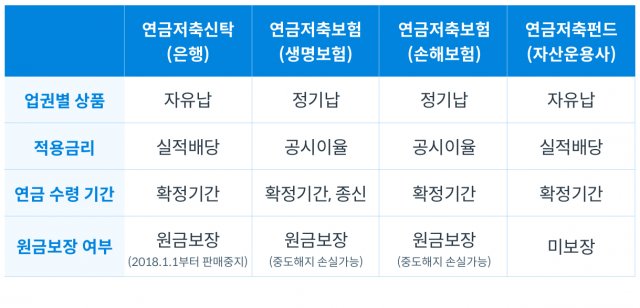
Pension savings insurance is one of the representative tax-saving products encouraged by the government to support a secure life after retirement. It is popular among office workers because paying a set amount annually allows for a tax refund based on income level during the year-end tax settlement process. Employees with an annual income of 50 million won or less can deduct up to 16.5% of their contributions, which is a significant advantage. For example, if you consistently save 300,000 won per month for a year, the tax refund effect provides a considerable sense of satisfaction. Due to this clear appeal of reducing immediate tax burdens, many young professionals are recommended this product as their first step in wealth management. However, it is crucial to accurately understand the long-term nature of this product hidden behind these tax benefits. If you cancel the contract midway, you must return the tax benefits received and pay additional income tax, posing a high risk of principal loss. It is not uncommon to hear of cases where people who canceled their contracts due to urgent financial needs ended up facing a tax bomb and suffering losses. Therefore, this product should only be approached with surplus funds that can be left untouched until retirement age, typically in one’s 50s or 60s. One must carefully consider not to make the mistake of sacrificing decades of fund liquidity just for the immediate tax-saving effect.
Pension savings insurance offers definite tax deduction benefits, but one must thoroughly consider the requirements for long-term maintenance and the disadvantages of mid-term cancellation.
2. The Chronic Issue of Low Returns in Insurance-Type Products

Pension savings insurance, designed with stability as the top priority, offers the advantage of guaranteed principal or minimum guaranteed interest rates, but this results in significantly lower returns. According to recent data from financial authorities, the annual return of some pension savings products is less than 1%, whereas performance-linked products recorded much higher figures. In an economic environment where prices are rising sharply, if interest income cannot keep up with inflation, the real value of the money received at retirement will inevitably drop significantly. Mr. Park, who is approaching retirement, was shocked to see that the cumulative return of a product he enrolled in during his youth was far below the inflation rate. He realized too late that leaving it alone based solely on the promise of safety had led to a decline in the relative value of his assets. This phenomenon stems from the structural limitation that insurance companies manage customers’ funds primarily in government bonds and safe assets. Regulations prevent aggressive stock investments or index tracking, making it difficult to expect large profits even when the market is booming. For subscribers who have set asset growth as a primary life goal, these low returns can be a fatal drawback. Enduring returns lower than bank deposit rates for decades can be a highly inefficient choice from an asset management perspective. Therefore, it is essential to coldly calculate the magnitude of the opportunity cost hidden behind the virtue of stability.
Due to the management structure focused on safe assets, the low returns that fail to keep up with inflation are a limitation that subscribers must inevitably accept.
3. Comparison with Pension Savings Funds and Return Gaps

There is a strong alternative called pension savings funds, which offer the same tax deduction benefits but are managed in a completely different way. Since pension savings funds allow subscribers to directly invest in stocks or ETFs to grow their assets, returns vary widely depending on management performance. Actual statistical comparisons show that fund-type products often record returns tens of times higher than insurance-type products. Mr. Lee, a professional, listened to advice from colleagues and boldly cleared his existing insurance product to switch to a fund account. Although he initially worried about stock price volatility, he could feel a noticeable asset growth effect within a few years by investing regularly in index products with a long-term upward trend. Of course, pension savings funds do not have only advantages; subscribers must bear the burden of monitoring market conditions and selecting stocks themselves. As an investment-type product without principal guarantee, it can cause psychological pressure as the account valuation may temporarily go negative during market crashes. Investors who lack financial knowledge or tend to react emotionally to every stock price fluctuation may actually suffer significant stress from fund management. However, for younger generations who still have plenty of time until retirement, the fund format is far more advantageous as it allows them to withstand volatility and grow their assets. Wisdom is required to objectively compare the characteristics of both products and choose the method that suits one’s investment style.
Although tax deduction benefits are the same, returns differ significantly depending on the management method, so one should consider their own investment style.
4. How to Transfer Existing Pension Savings Insurance to a Fund
If you have been enrolled in pension savings insurance for a long time and are frustrated by low returns, it is worth actively utilizing the account transfer system. Financial authorities and the industry have opened the way to transfer existing pension accounts to other financial institutions or different types of products to guarantee consumer choice. You can visit a new securities company to open a pension savings fund account first, then fill out a transfer application to move the existing insurance accumulation without complex procedures. Mr. Jeong, an office worker, was able to alleviate concerns about cancellation deductions by boldly transferring his insurance product, which he had been contributing to for seven years, to a securities company fund. Because he used the formal transfer system rather than canceling the contract and enrolling anew, he was able to maintain the tax benefits he had received without returning them. However, when transferring the account, it is necessary to carefully check the remaining contribution period and the scale of the cancellation refund in the existing insurance product. If the enrollment period is short, principal loss may occur at the time of transfer, so you must check the refund example table in advance. Additionally, after transferring the account to a securities company, subscribers must directly select promising ETFs or bond-type products, so a minimum level of financial study is required. Rather than blindly following what others say is good, a strategic attitude of adjusting asset allocation ratios according to one’s retirement timing is essential. Account transfer is not just an act of changing products but an important turning point where one takes the steering wheel of their retirement assets into their own hands.
By utilizing the account transfer system, which allows legally moving existing accumulations to funds without contract cancellation, you can increase returns while maintaining tax benefits.
5. Correct Portfolio Strategy for Retirement Asset Management
For successful retirement preparation, one must move away from putting all assets into a single product and construct a balanced portfolio. For those who prefer stable cash flow, a mixed strategy of partially utilizing the minimum guarantee function of pension savings insurance while diversifying the remaining funds into high-growth funds is useful. For older generations approaching mandatory retirement age, it is necessary to gradually lower the proportion of high-volatility stock assets and increase the ratio of safe assets to protect wealth. Conversely, for those in their 20s or 30s who have just started their careers, it is desirable to maintain a high proportion of aggressive stock assets to maximize the effect of long-term compound interest. Asset management expert Mr. Choi emphasizes that the habit of regularly checking and rebalancing the portfolio according to the nature of retirement funds and one’s age determines wealth. Additionally, office workers should consider a tax strategy that utilizes individual retirement pensions (IRP) in addition to pension savings to maximize the tax deduction limit. Putting the maximum possible amount within the annual contribution limit into tax-saving products and managing them efficiently is a wise wealth management skill in modern society. One must not repeat the mistake of enrolling in products based solely on bank employee recommendations or hearsay and regretting it later. One must draw up a customized retirement plan by comprehensively considering one’s own income structure, expenditure plans, and retirement timing. Open your bank account balance right now and coldly diagnose whether the product you are enrolled in can serve as a sturdy support for your future.
Appropriate asset allocation tailored to age and investment style, along with regular portfolio checks, is the key to creating a stable retirement.
6. Final Recommendations for Wise Retirement Preparation
Retirement preparation is like a marathon that requires looking decades ahead and finishing the race, not a short-distance run, so it is important to set the right direction from the start. It is necessary to understand the stability advantage of pension savings insurance and the return advantage of pension savings funds separately and fuse them according to one’s situation. Rather than blindly following the crowd, one must periodically pay attention to how their assets are actually growing. If you want to enjoy a comfortable retirement compared to others, start re-examining your financial accounts from scratch today. Small interest and active behavioral changes can create a return difference of tens of millions of won in a few years, completely changing our retirement. To face the coming era of longevity without fear, we recommend redesigning your retirement portfolio right now.
Thorough self-directed asset management is essential for a wise retirement design that captures both stability and returns.
Frequently Asked Questions
=