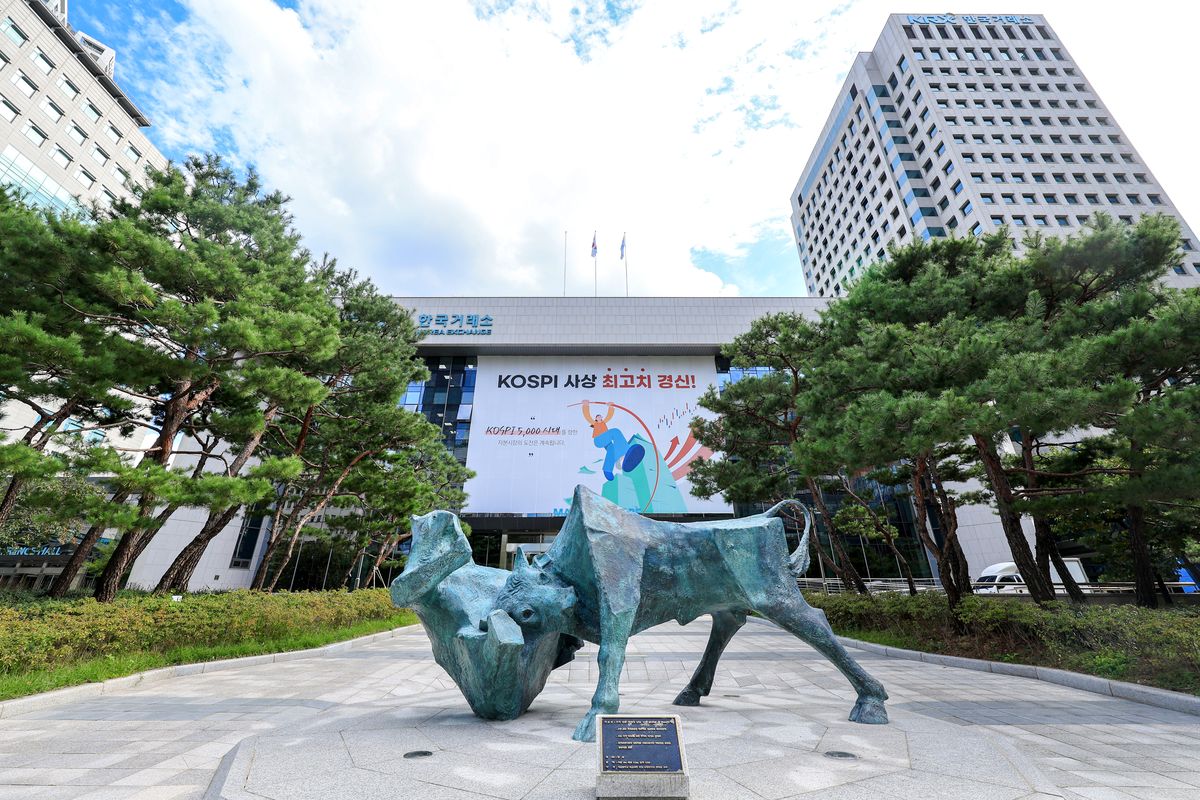
AI integrated platform company Xenon and precision equipment manufacturer Optonics have passed the pre-listing review by the KOSDAQ Market Division of the Korea Exchange, signaling a green light for their IPOs within the year. On the 21st, following deliberation and resolution by the KOSDAQ Listing Committee, both companies received preliminary review approval for the general listing method. Xenon, a software company established in 2017, specializes in the AI integrated platform ‘GenOS’ and consulting, recording revenue of 11.7 billion won and operating profit of 700 million won last year. Optonics, a precision equipment specialist founded in 2004, manufactures ring laser gyroscope and fiber optic gyroscope components, achieving revenue of 25.6 billion won and operating profit of 3.6 billion won last year. Samsung Securities is the lead underwriter for Xenon, and Korea Investment & Securities for Optonics, and they are expected to lead the upcoming demand forecasting and public offering procedures. In this article, we meticulously organize the key points investors need to know, including the business models and financial status of both companies, as well as the outlook for their listing schedules.
=
Xenon and Optonics Pass KOSDAQ Pre-Listing Review, Green Light for IPO This Year
1. Significance of Pre-Listing Review Approval and Current Procedural Status for Both Companies

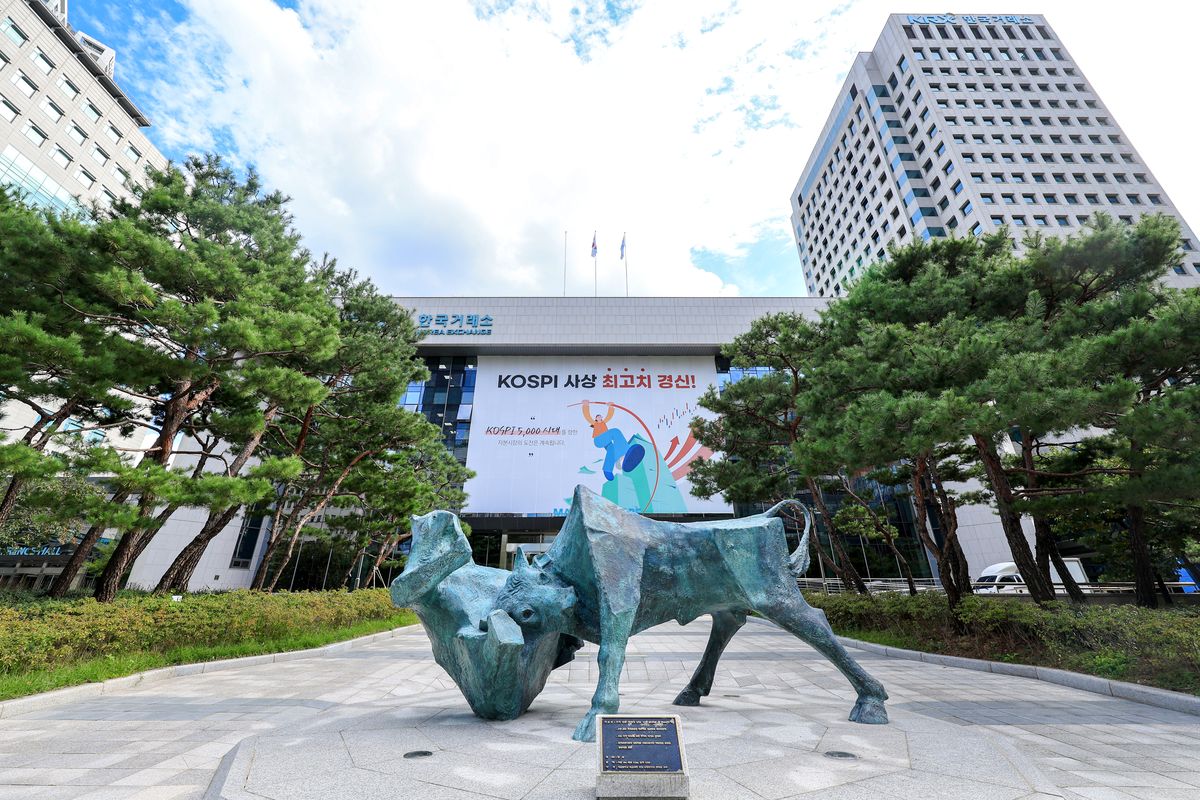
By approving the general listing preliminary review for Xenon and Optonics through the Listing Committee’s deliberation on September 21, the KOSDAQ Market Division of the Korea Exchange has helped both companies clear the first hurdle for entering the KOSDAQ. Preliminary review approval signifies that the exchange has officially recognized the companies’ listing eligibility, leading to formal IPO procedures such as submitting the securities registration statement, demand forecasting, and public subscription. Since both companies are following the general listing track rather than the technology or growth special tracks, they have demonstrated a certain level of financial stability and sustainability. Typically, listing applications must be completed within six months of preliminary review approval, so schedules are likely to progress rapidly with the goal of listing within the year. From an investor’s perspective, this approval secures time to monitor the basis for determining the offer price and the results of institutional demand forecasting to decide on subscription participation. With this approval, the addition of two new companies—one in AI software and the other in precision manufacturing—to the KOSDAQ market is expected to further broaden market diversity.
Xenon and Optonics have passed the KOSDAQ pre-listing review, allowing them to proceed with IPO procedures within the year.
2. Xenon: A Software Company Targeting the Enterprise Market with AI Integrated Platform ‘GenOS’

Xenon is a software specialist established in 2017, with its core business being the AI integrated platform ‘GenOS’ and AI consulting services. GenOS is an integrated development and operation environment that helps companies easily build and operate generative AI models tailored to their data and business processes, usable in both cloud and on-premises environments without separate infrastructure construction. The company has completed technical validation by securing various references, such as automating quality inspection in manufacturing sites, enhancing customer service chatbots in the financial sector, and automating document processing in public institutions. Last year, it recorded revenue of 11.7 billion won, operating profit of 700 million won, and net income of 110 million won, maintaining a profitable trend with an operating profit margin of about 6%, indicating a stable revenue structure for a software company. Samsung Securities, the lead underwriter, evaluates Xenon’s platform scalability and subscription-based business model with a high proportion of recurring revenue as key strengths. Future IPO proceeds are planned to be focused on platform enhancement, overseas expansion, and talent recruitment.
Xenon is a software company with a proven track record and profitable structure through its enterprise AI integrated platform ‘GenOS’.
3. Optonics: A Leading Company in the Domestic Production of Precision Gyroscope Components with 20 Years of Experience
Since its establishment in 2004, Optonics has been a precision equipment manufacturer that has supported supply chains in the defense and aerospace sectors by domesticating core components for Ring Laser Gyroscopes (RLG) and Fiber Optic Gyroscopes (FOG). Gyroscopes are core components for systems requiring precise rotation measurement, such as missile guidance, satellite attitude control, ship navigation, and autonomous vehicles, demanding both ultra-precision machining and optical assembly technology. Optonics’ greatest competitive advantage is that it possesses the only mass production system for RLG and FOG components in Korea, reducing import dependence and ensuring delivery stability. Last year, on a consolidated basis, it recorded revenue of 25.6 billion won, operating profit of 3.6 billion won, and net income of 2.9 billion won, achieving an operating profit margin of 14%, demonstrating high profitability even by manufacturing standards. Korea Investment & Securities, as the lead underwriter, plans to appeal to institutional investors with a growth story of expanding defense exports and entering the civilian market. IPO proceeds are expected to be invested in expanding new production facilities, developing next-generation small gyroscopes, and obtaining quality certifications.
Optonics is a strong small-to-medium enterprise responsible for the defense and aerospace supply chain by domesticating core gyroscope components with 20 years of technical expertise.
4. Financial Comparison of Both Companies and Analysis of Differences in Investment Points by Industry
Xenon and Optonics have completely different industries—software and precision manufacturing, respectively—so their investment points are clearly distinguished. Xenon, with revenue of 11.7 billion won and an operating profit margin of 6%, faces high initial investment costs typical of platform companies, but once established, customers tend to continue long-term subscriptions, leading to high revenue predictability. On the other hand, Optonics, with revenue of 25.6 billion won and an operating profit margin of 14%, maintains high margins despite being a manufacturer, a result of its exclusive component technology and inelastic defense demand. The lead underwriters are also different, with Samsung Securities for Xenon and Korea Investment & Securities for Optonics, making it noteworthy how the differences in their networks and coverage will manifest in institutional demand forecasting. For Xenon, the key will be whether aggressive PER multiples for AI software companies are applied, while for Optonics, defense export momentum and civilian market scalability will be central to valuation. Both companies have profitable net income and manageable debt-to-equity ratios, suggesting relatively low financial risks after listing.
Xenon offers the growth potential of a subscription-based AI platform, while Optonics provides the high-margin manufacturing appeal of exclusive component technology.
5. Future Public Offering Schedule and Key Items to Check When Participating in Subscription

After preliminary review approval, both companies will proceed through the following steps: submitting the securities registration statement, review by the Financial Services Commission, demand forecasting, confirming the offer price, general subscription, payment, and listing. Typically, the securities registration statement is submitted within 2-3 months of review approval, so demand forecasting is likely to take place in October-November, and subscription in November-December. Before participating in the subscription, investors should carefully examine the basis for the offer price band, the appropriateness of comparable company selection, the presence of put-back options, and the mandatory holding commitment ratio stated in each company’s securities registration statement. For Xenon, the key issue is whether the PER multiple applied to AI software companies is aggressive, while for Optonics, it is whether the discount rate compared to defense companies is appropriate. Additionally, it is essential to check the proportion of tradable shares on the listing day and the distribution of locked-up shares to gauge stock price volatility risk. Since holding an account with the lead underwriter offers preferential benefits, it is advantageous to open an account in advance.
Demand forecasting in Oct-Nov and subscription in Nov-Dec are likely, and checking the details of the securities registration statement and tradable shares is essential.
6. Outlook for Post-Listing Stock Price Trends and Recommendations for Investor Response Strategies

In the early stages after listing, the formation of the opening price relative to the offer price, first-day trading volume, and the timing of the release of institutional mandatory holding commitments will determine short-term stock price direction. Xenon may show strong performance initially due to expectations of benefiting from the AI theme, but investors should be mindful of the possibility of profit-taking sales coinciding with lock-up expirations at 1, 3, and 6 months post-listing. For Optonics, defense contract announcements and export agreements will act as stock price catalysts, so it is advisable to approach from a medium-to-long-term perspective by checking if revenue growth continues with each quarterly earnings release. Both companies have specific plans for using IPO proceeds and clear growth roadmaps, so the improvement of fundamentals over 1-2 years post-listing will determine the intrinsic value of the stock. Individual investors should refer to subscription competition rates and institutional demand forecasting results, but it is wise to formulate a split buying/selling strategy rather than being swept up in listing-day volatility. Ultimately, as the market re-evaluates the companies’ core competitiveness, we recommend continuously monitoring business reports and IR materials to respond accordingly.
Managing early post-listing volatility, tracking fundamental improvements, and employing a split trading strategy are the keys to successful investment in both companies.
Frequently Asked Questions
=