President Lee Jae-myung met with Australian Prime Minister Anthony Albanese in New York, USA, to reaffirm close bilateral cooperation in response to energy supply chain instability caused by the Hormuz War. This summit attracted significant attention as it was held at a time when the international resource market was greatly shaken by recent geopolitical tensions in the Middle East. At the venue, the two leaders welcomed each other warmly, creating an intimate atmosphere, and emphasized the importance of the bilateral relationship in unison. It was officially noted that South Korea’s energy market was able to maintain stability without major disruption, largely due to Australia’s active support. This article takes a detailed look at the specific contents of this summit and the blueprint for future diplomatic and economic cooperation between the two nations. Readers will be able to easily understand how international politics impacts our daily energy prices and economy.
=
President Lee Jae-myung Meets Australian PM to Strengthen Energy Security and Cooperation
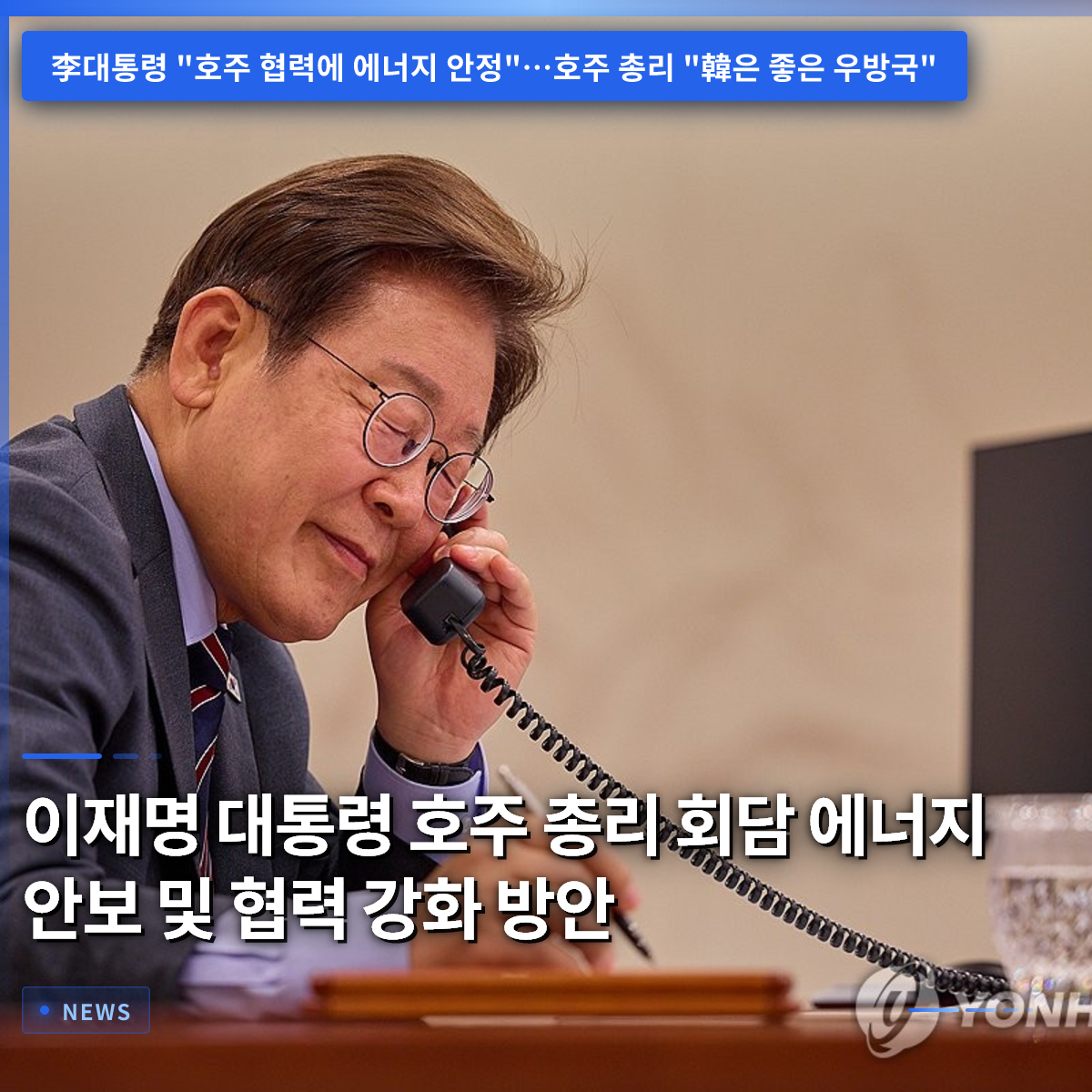
1. The Hormuz War and Energy Security Cooperation

In his opening remarks at the summit, President Lee Jae-myung directly addressed the global energy supply chain instability caused by the recent Hormuz War. He candidly acknowledged that South Korea inevitably faced some disruption due to resource supply and demand issues amidst this international conflict. However, he expressed gratitude, noting that the domestic energy market was able to maintain a relatively stable state thanks to the active assistance from Australia, a key resource partner. It is reported that Australia, despite facing its own challenging conditions as a major resource nation, took South Korea’s situation into consideration. The two nations agreed to jointly address volatility in the international resource market and to firmly safeguard energy security. Such close behind-the-scenes cooperation between nations ultimately leads to the stabilization of costs for daily necessities like electricity and heating.
Whenever tensions rise in the Middle East, energy-importing countries like ours are inevitably faced with the massive wave of skyrocketing oil and gas prices. The recent Hormuz crisis was a precarious situation that nearly increased the burden of public utility bills for domestic manufacturers and general households. Fortunately, the government’s swift activation of diplomatic channels with allied nations, including Australia, and its efforts to secure supply volumes proved effective. We still vividly remember past global supply chain disruptions when gasoline prices at local gas stations soared day by day, causing deep sighs among the general public. The stability of fuel prices we feel when using public transportation or commuting is largely determined by these invisible results of inter-state negotiations. Therefore, the solid energy alliance with Australia confirmed at this summit serves as a reliable shield protecting citizens’ daily lives, going beyond mere diplomatic rhetoric.
It was confirmed that South Korea’s energy market found stability through close cooperation with Australia amidst the Hormuz War.
2. Australian PM’s Assessment of South Korea as a Reliable Ally
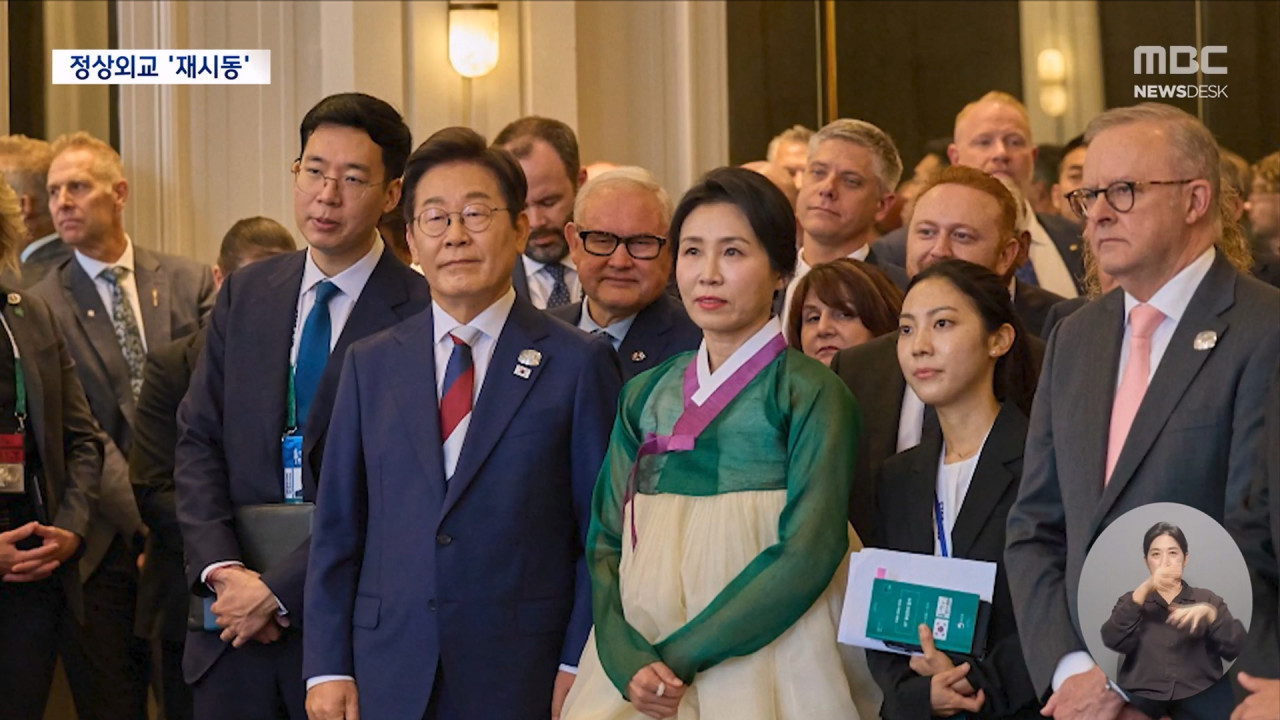
Responding to President Lee’s remarks, Australian Prime Minister Anthony Albanese did not hold back his praise, calling South Korea a truly reliable and good ally. He repeatedly emphasized that the two nations are partners sharing a similar worldview, going beyond mere business partners driven by economic interests. He revealed a deep bond, noting that their values in pursuing security and safety are remarkably aligned. The two leaders have been raising their voices together on the international stage based on universal values of freedom and peace, and they plan to continue this approach in the future. Meetings between nations that share such a philosophical foundation create solid trust that remains unshaken even in the face of sudden international crises.
Just as friendships between individuals tend to last longer when there is a good connection and similar values, the same principle applies precisely to inter-state relations. Australia is one of the few key partner countries in the Pacific region that shares core values such as democracy and the market economy. In the past, the two nations have always joined forces to solve common human challenges, such as human rights protection and environmental issues, on various international stages. It was this historical trust that served as the foundation for this summit, allowing practical measures to be agreed upon quickly despite the complex international situation. If readers have ever visited Australia for travel or business, they would easily feel how friendly local residents are toward Koreans. This strong bond between heads of state ultimately acts as a positive catalyst, making citizens of both nations feel closer and more familiar with each other.
The Australian PM evaluated South Korea as an excellent ally sharing common values, showcasing the deep trust between the two nations.
3. Expanding Multi-faceted Economic Cooperation
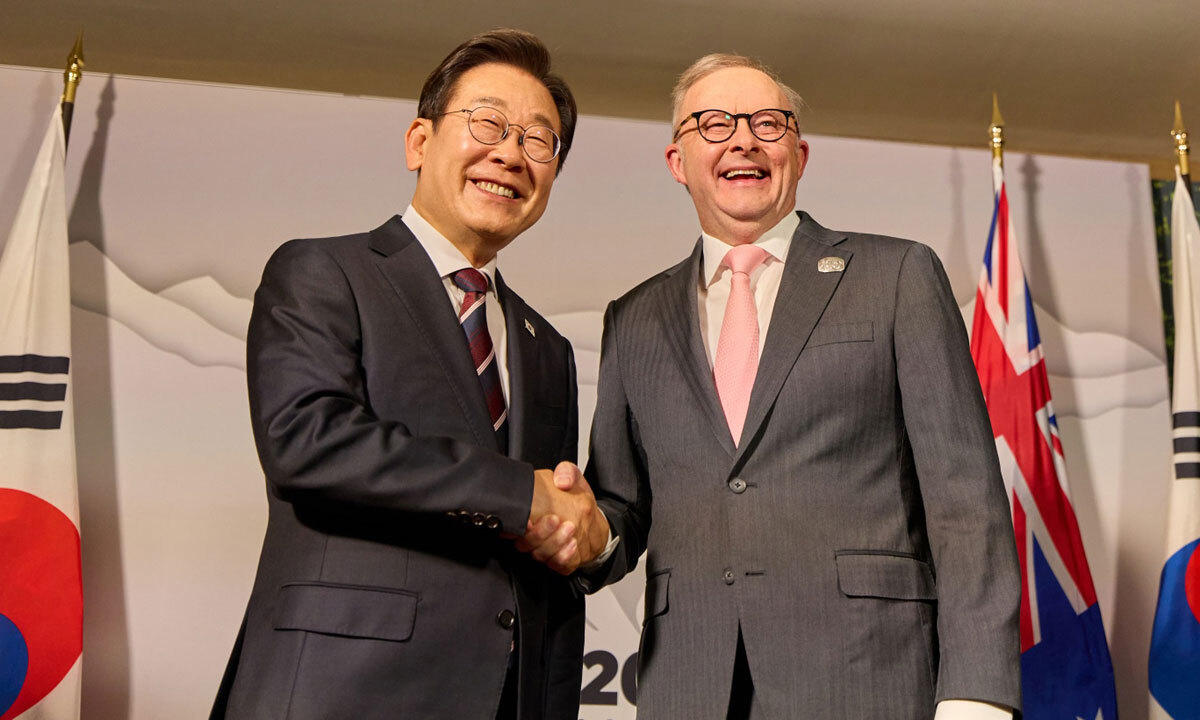
In addition to energy security, a key pillar of this summit was the further diversification and expansion of economic cooperation between the two nations. Prime Minister Albanese assessed that the two countries are a great strength to each other not only in energy supply but also in various economic fields. The cooperative relationship between the two nations in essential resource areas for future growth, such as high-tech industries and critical mineral supply chains, has already deepened to an irreversible extent. A perfectly complementary structure has been established, with South Korea processing Australia’s abundant natural resources based on its superior manufacturing technology, while Australia provides stable raw materials. Thanks to this robust economic exchange, the trade volume between the two nations has recorded steady growth every year, generating synergy.
Looking around us, it is hard to find any product, from smartphone batteries to key components of electric vehicles, that does not contain Australian minerals. In the past, import routes were overly concentrated in specific countries, leading to precarious situations where domestic factories would all halt if problems arose in those countries. However, by joining hands with reliable resource-rich nations like Australia to sign long-term contracts, the government and businesses have significantly improved supply chain stability. The reason why the prices of the latest home appliances displayed in local electronics stores remain stable without sudden spikes is precisely due to these diversified supply networks. As artificial intelligence and advanced robotics industries develop further, the importance of securing these critical minerals will undoubtedly grow. This meeting between the two heads of state has become a decisive milestone in securing a stable foundation for these future industries.
Complementary cooperation between the two nations is being further strengthened in various economic fields, including high-tech industries and critical minerals, in addition to energy.
4. Continuation of Summit Diplomacy and Expectations for APEC and G20
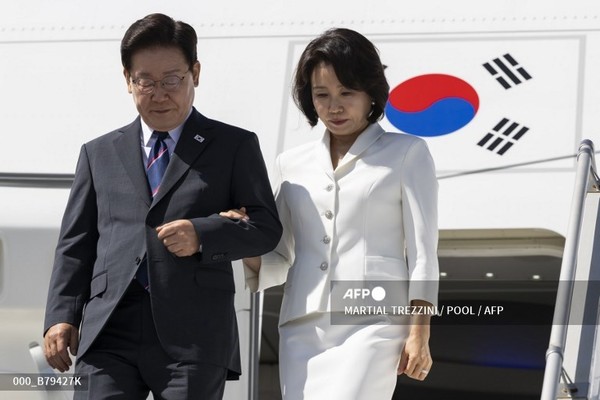
President Lee Jae-myung and Australian Prime Minister Albanese promised to continue their meetings on the stage of future multilateral summits, starting with this encounter in New York. Prime Minister Albanese expressed his hope to see the President more frequently on the occasion of the upcoming Asia-Pacific Economic Cooperation (APEC) Summit and the Group of Twenty (G20) Summit. Close communication between the leaders of both nations during such major international conferences greatly helps to solidify their diplomatic standing. It is an expression of the will to finely adjust bilateral issues through continuous dialogue, rather than limiting themselves to a one-off meeting. In times of growing global economic uncertainty, maintaining a hotline between heads of state is the most powerful weapon for enhancing a nation’s external credibility.
On the international diplomatic stage, leaders frequently meeting and engaging in frank conversations is the fastest shortcut to resolving inter-state issues. In fact, there have been many cases where trade negotiations that had been stuck for months were dramatically resolved by a brief handshake and conversation in a corridor during a break at a multilateral conference. It is the same logic as in our work lives, where misunderstandings are often resolved by meeting in person for a coffee rather than just exchanging messages. The upcoming APEC and G20 summits are massive stages where the eyes and ears of the world are focused. If South Korea and Australia demonstrate close cooperation at these events, it can provide great reassurance to international financial markets and investors. There is much anticipation for the positive butterfly effect that the active diplomatic moves of the two leaders will bring to our economy in the future.
Close communication and diplomacy between the leaders of both nations are expected to continue on future multilateral stages, such as the APEC and G20 summits.
5. Invitation for Official Visit to Australia in Early Next Year
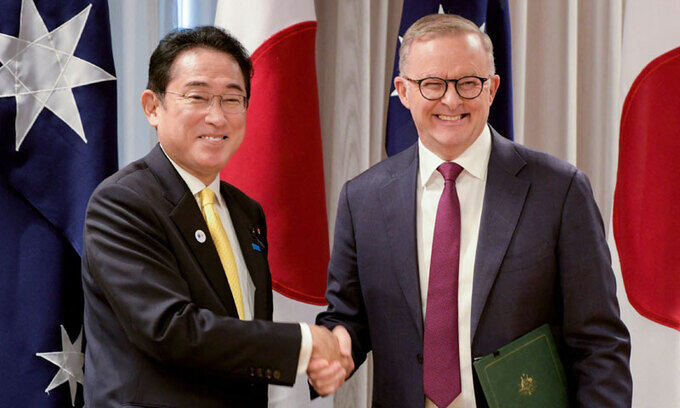
One of the highlights of this summit was Australian Prime Minister Albanese’s official invitation to President Lee Jae-myung to visit Australia in early next year. The Prime Minister politely proposed that the President coordinate his schedule and visit Australia at a convenient time, expressing special hospitality. Summit diplomacy involving mutual visits between the leaders of both nations is the most certain way to elevate the friendly relationship between the two countries to its peak. President Lee, who received the invitation, is expected to review it positively and use it as an opportunity to take the bilateral relationship to the next level. If the visit to Australia in early next year materializes, it will be a significant opportunity to boost the pride of local Korean residents and open the way for substantive economic cooperation.
Just as being invited to a friend’s home for a delicious meal strengthens that relationship, mutual visits hold very special significance between nations. In the local Korean community in Australia, news of an official visit by the President of South Korea would undoubtedly be a heartwarming event that elevates the status of Koreans locally. In the past, whenever the President toured abroad, the sight of local compatriots coming out onto the streets to wave the Taegeukgi and cheer provided great emotion through news broadcasts. If the President visits Australia in early next year, a meaningful occasion will be arranged to directly listen to the difficulties faced by our companies operating locally and to promise support. This high-level “skinship” diplomacy serves as a solid foundation for citizens of both nations to trust each other more deeply and broaden cultural and economic exchanges. We hope readers will pay close attention and send their support to the warm diplomatic news from the two leaders expected in early next year.
With the Australian PM’s official proposal for President Lee Jae-myung to visit Australia in early next year, the exchange between the two nations is expected to deepen further.
6. Outlook and Reader Action

This South Korea-Australia summit will be recorded as a model diplomatic case that turned a crisis into an opportunity through thorough cooperation amidst the global crisis of Middle East geopolitical instability. Solidifying energy supply chain stability and reaffirming the value of being allies across the board in economy and security is a great pillar for the South Korean economy. I am confident that the bilateral relationship will develop brilliantly through upcoming major international conferences and the scheduled mutual visits in early next year. I encourage readers to pay a little more attention to the subtle changes that international politics brings to our grocery prices and public utility bills. Please remember that inter-state diplomacy is not a story from a faraway country but is directly connected to our ordinary daily lives and financial situations. Let us continue to cheer for South Korea to become safer and more prosperous in the world based on a robust diplomatic network.
When we check the news every morning, it is important to cultivate the insight to read the underlying economic trends, rather than just looking at incidents and accidents. Just like the energy security cooperation with Australia we examined today, the government’s quiet efforts in the background are protecting our daily lives. When talking with acquaintances, try to have a light conversation about inter-state resource alliances, not just about exchange rates or import prices. I hope the information in this blog has been useful to your daily life, and I will continue to deliver core news on the world economy and diplomacy quickly. If you have any questions, please feel free to leave a comment at any time, and I will see you again with more substantial and interesting news. I sincerely wish you a peaceful and happy day. Thank you.
Robust diplomacy and energy security are directly linked to our daily lives, and the development of the bilateral relationship is highly anticipated.
Frequently Asked Questions
=