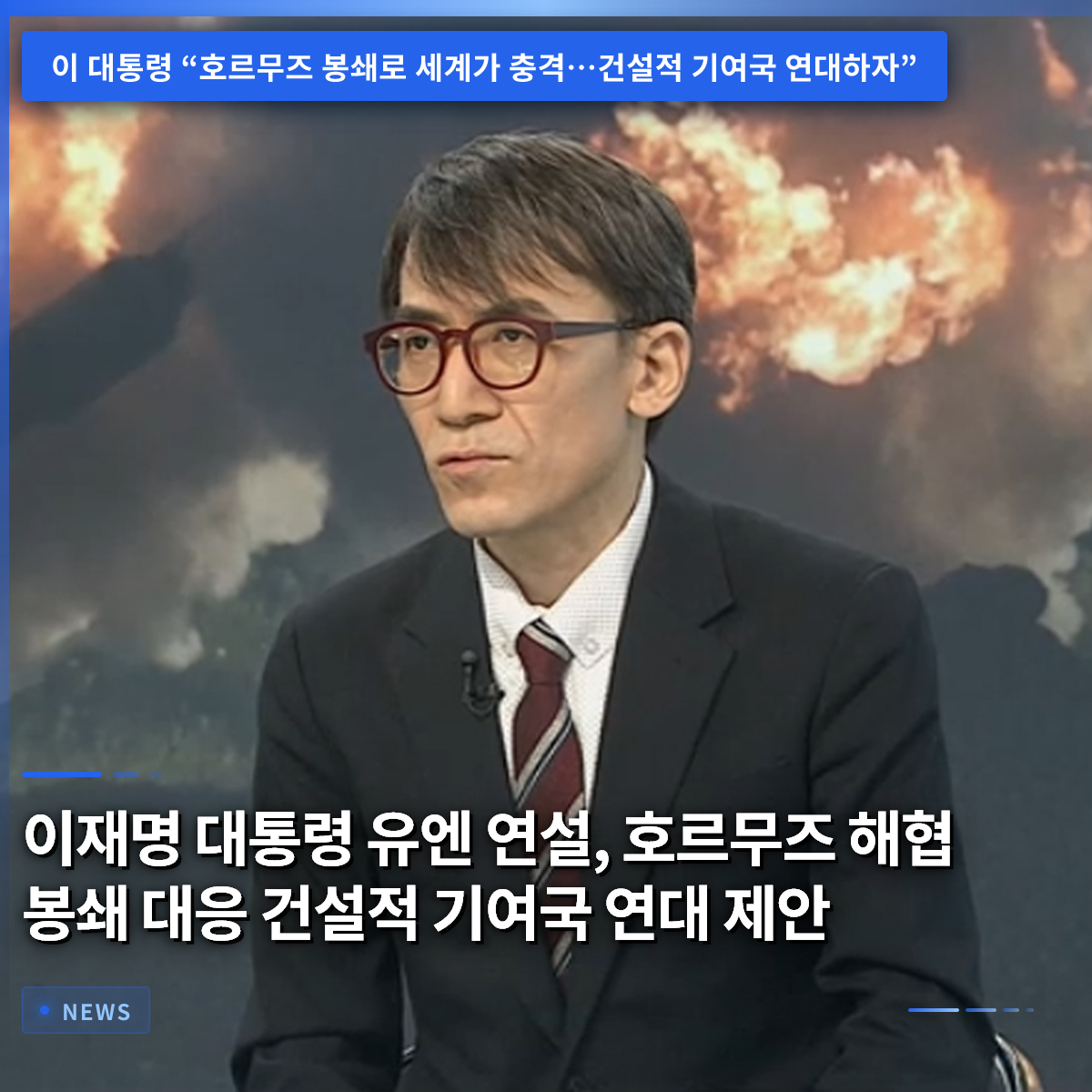
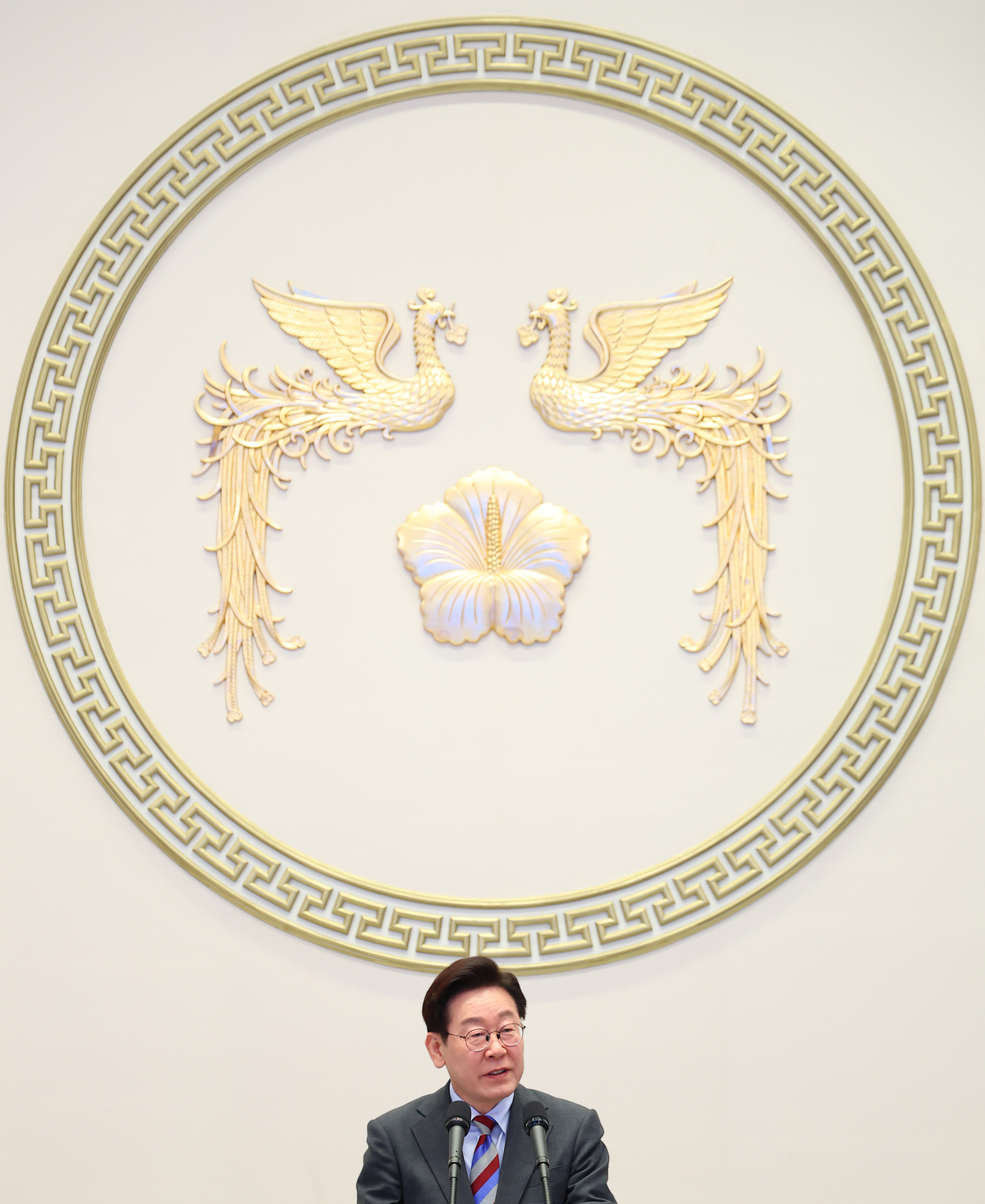
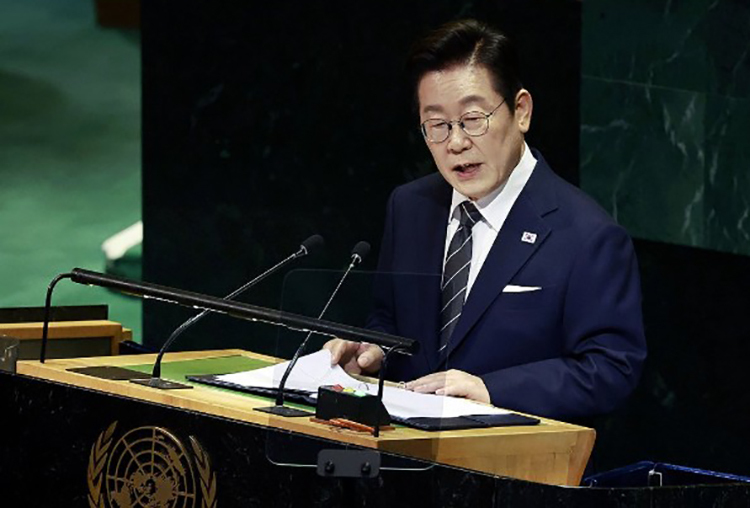
President Lee Jae-myung recently highlighted the severity of the maritime blockade incidents in the Strait of Hormuz and the Red Sea, urging the international community to unite in response. Speaking at the United Nations General Assembly in New York on the 22nd, he presented practical solutions to break through the crisis of paralyzed energy supply chains facing the global economy. He repeatedly emphasized that nations with the necessary capabilities must join hands to weather the massive waves that are too great for any single country to handle alone. As the world reels from logistics and energy crises, the message delivered by South Korea’s top leader to the international community resonates deeply. This speech holds unique significance not only as a warning but also as a proposal for a concrete framework of cooperation. Let us carefully examine how this proposal, which directly impacts our daily lives, will ripple through the international order.
=
President Lee Jae-myung’s UN Speech: Proposing a Coalition of Constructive Contributor Nations to Address the Strait of Hormuz Blockade
1. The Strait of Hormuz Blockade and a Shaking Global Economy
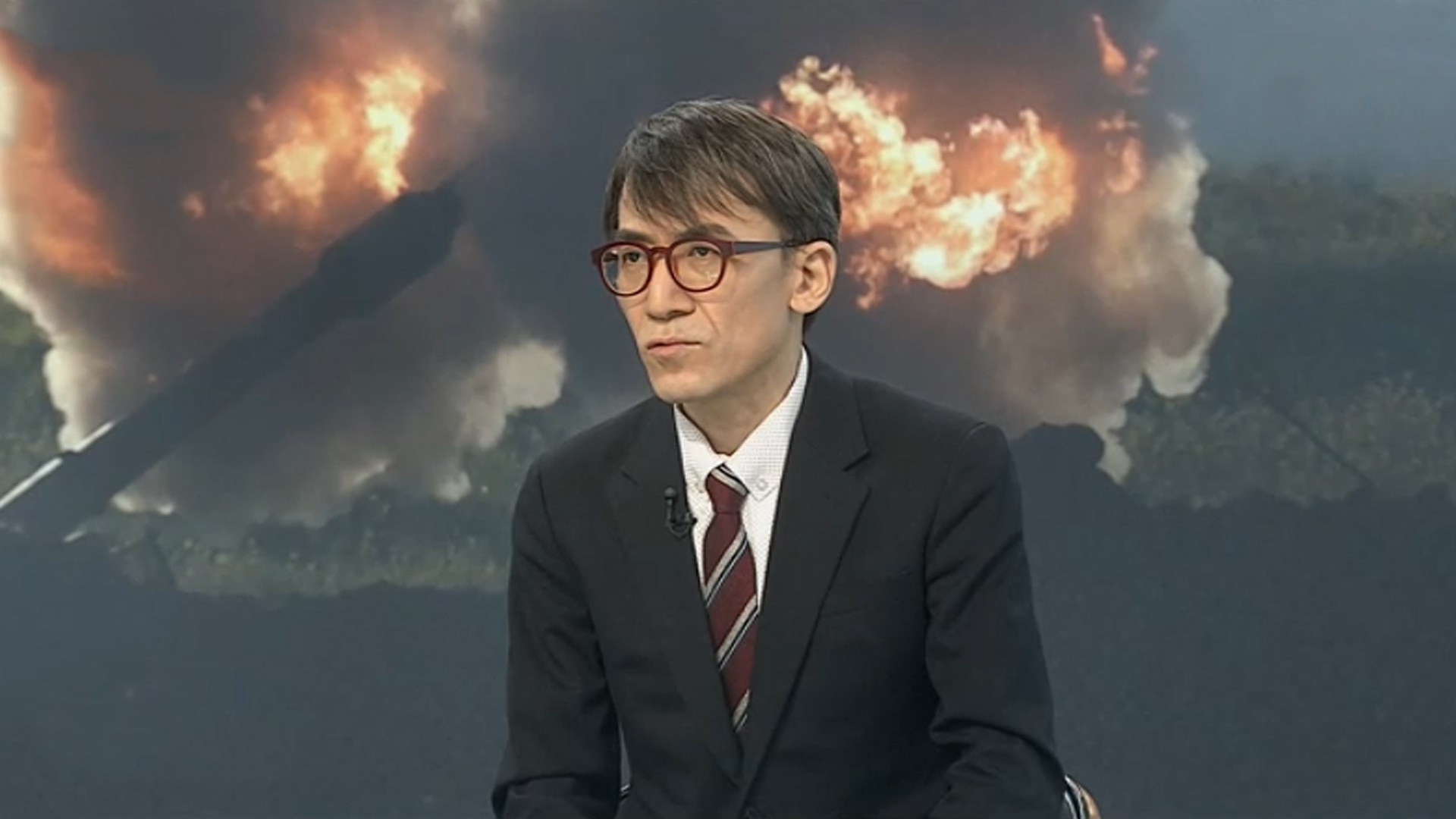
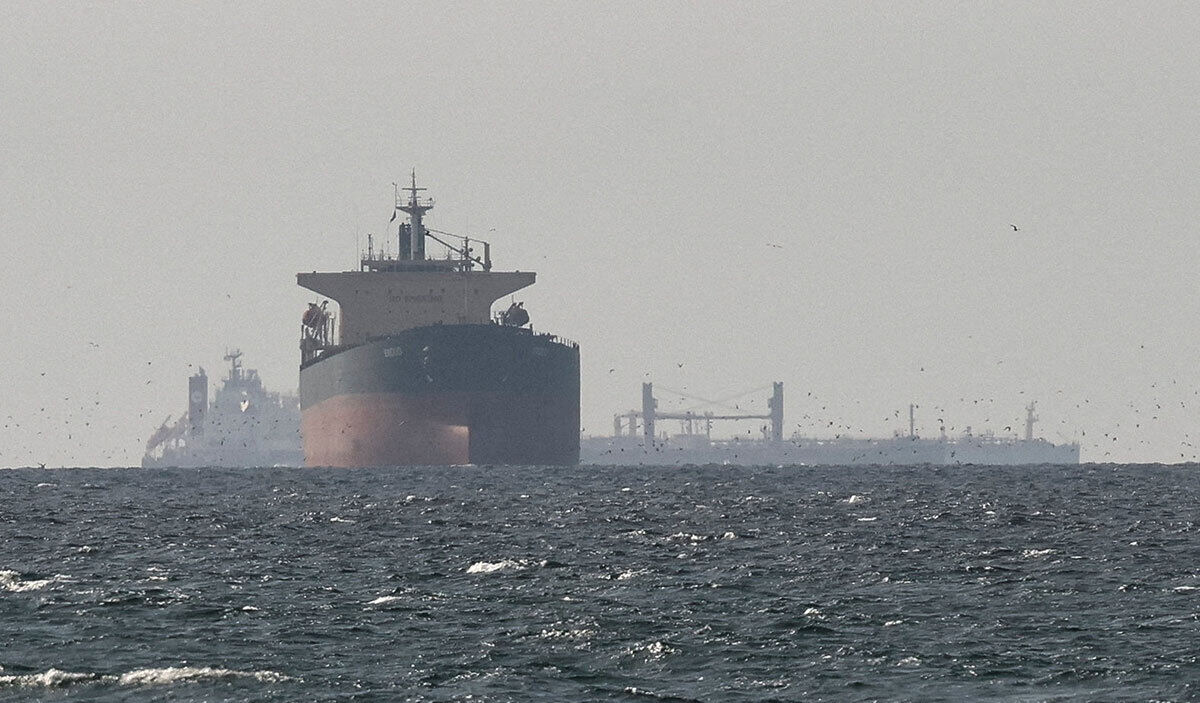
The blockage of key maritime passages in the Middle East is inflicting enormous economic damage on the world. The moment major logistics arteries like the Strait of Hormuz and the Red Sea are weaponized, the lives of ordinary people living their daily routines are instantly thrown into turmoil. As fuel and raw material prices skyrocket, everyone from small local shop owners to major corporations finds themselves in deep distress. Free and safe movement across the seas is a fundamental right guaranteed by international law and a sturdy pillar supporting the livelihoods of people worldwide. However, as these passages have been reduced to tools of geopolitical conflict, the entire globe is experiencing a crisis that feels like a tightening noose. Conflicts in distant lands that were once invisible now directly translate into the gas prices of the cars we drive every day and the prices in our grocery carts. We rarely realize the complex processes through which the energy and goods we use daily reach our hands. Yet, the moment a single sea route is blocked, a terrifying chain reaction occurs: factories halt operations and prices soar. This incident serves as a painful lesson in how tightly interconnected the world is. This is precisely why the international community must jointly develop countermeasures to prevent any specific country from arbitrarily controlling and destabilizing sea routes. When peace at sea is broken, the burden of the damage ultimately falls squarely on the shoulders of ordinary, vulnerable global citizens. Therefore, we must not treat this crisis lightly but use it as an opportunity to solidify inter-state coordination systems.
The maritime blockade of the Strait of Hormuz threatens global logistics and energy, directly impacting the daily lives of ordinary people.
2. South Korea’s Response and Strengthening Energy Supply Chains
The South Korean government has expressed its determination to further tighten existing international cooperation systems rather than succumb to the approaching crisis. Emphasizing close coordination with organizations like the International Energy Agency, it stated its commitment to minimizing the shock caused by disruptions in energy supply chains. Given South Korea’s lack of natural resources, the blockage of overseas energy import routes is a critical issue that threatens the very survival of the national economy. To prevent hardships for ordinary citizens, such as skyrocketing winter heating bills or inflationary price surges, the government must establish safety measures across various fronts. Recognizing that it is difficult to overcome massive waves alone, there is a growing trend toward strengthening practical cooperation with other nations. Safeguarding energy security is not just about economic interest; it is a fundamental duty to ensure the safe lives of the people. The government is thoroughly reviewing emergency plans and alternative supply lines that can be activated immediately when a crisis strikes. Trust is built only when the government acts as a sturdy shield, allowing citizens to work with peace of mind. We hope that the promises made on this international stage will not remain mere words but translate into tangible results that citizens can feel in their daily lives. Only thorough preparation and swift response can protect us from potentially larger economic shocks in the future.
The government is thoroughly preparing to prevent energy supply chain instability from escalating into a livelihood crisis by actively utilizing international cooperation systems.
3. The Concrete Form of the Coalition of Constructive Contributor Nations
In this speech, President Lee Jae-myung introduced the concept of the “Coalition of Constructive Contributor Nations” as a new framework for inter-state cooperation. This coalition strictly avoids the complex approach of forming exclusive cliques or creating new massive organizations, as was done in the past. Instead, it involves like-minded nations gathering while fully respecting the existing international order and the framework of the United Nations. The plan is to gradually expand the scope of cooperation with a flexible and open attitude, leveraging the unique strengths and specialties of each country. As geopolitical conflicts deepen and polarization intensifies in various parts of the globe, the need for such flexible solidarity grows. Rather than powerful nations forcefully seizing the lead, this approach involves each country taking on a role it can perform well in its own position. For example, technologically advanced nations can share relevant equipment, while resource-rich nations can support logistics, creating a harmonious picture. It is crucial to combine forces both independently and collectively to steadily build up visible achievements.
The Coalition of Constructive Contributor Nations is a method of flexible cooperation that leverages each country’s strengths within the existing order, rather than creating new organizations.
4. Restoring Trust in Multilateralism and the Power of Solidarity
The current world is in a regrettable situation where nations lack trust in one another, each pursuing self-preservation, causing the bonds of cooperation to loosen. As inter-state confrontations and deadlocks prolong, ordinary people feel an increasing sense of anxiety about the future. In such times, it is more urgent than ever to firmly re-establish the value of multilateralism, which solves problems through dialogue. By creating small successes one by one through the Coalition of Constructive Contributor Nations, we can recover the lost trust in the international community. Trying to solve all problems alone leads to exhaustion and easily invites backlash, but pooling resources makes it manageable. Nations around the world must temporarily set aside their selfishness and pool their wisdom to solve common human challenges. Only when the results of cooperation based on mutual trust and reliance are visible can we dream of a peaceful global future. The President’s proposal serves as a meaningful first step in extending a warm hand of solidarity to an international community heading toward division.
When the results of flexible inter-state cooperation accumulate, trust in multilateralism can be restored, transcending geopolitical conflicts.
5. The UN’s Great Transformation to Match the Changing Times

The United Nations, which has guarded world peace for many years, must also undergo a complete transformation to keep pace with the fierce waves of change in the era. Merely gathering in conference rooms to reach agreements with grandiose words is insufficient to create substantive change. Only when decisions made in conference rooms translate directly into changes on the ground where people suffer can the UN prove its value. Ordinary citizens worldwide must be able to feel the UN’s efforts and results in their daily lives. South Korea has expressed full support for the “UN 80 Initiative,” a large-scale internal reform plan launched to mark the 80th anniversary of the UN’s founding last year. Furthermore, it has raised its voice calling for the reform of the Security Council, which is responsible for global security, so that it can fulfill its role appropriately in the modern era. If outdated systems and practices are not boldly discarded, there is a high risk of losing one’s way in the rapidly changing international situation. Only when this massive international organization demonstrates a complete transformation can citizens around the world hold onto hope.
The UN must undertake large-scale internal reforms and Security Council restructuring to change the ground reality, not just reach agreements in conference rooms.
6. Recommendations for the Future and Our Commitment
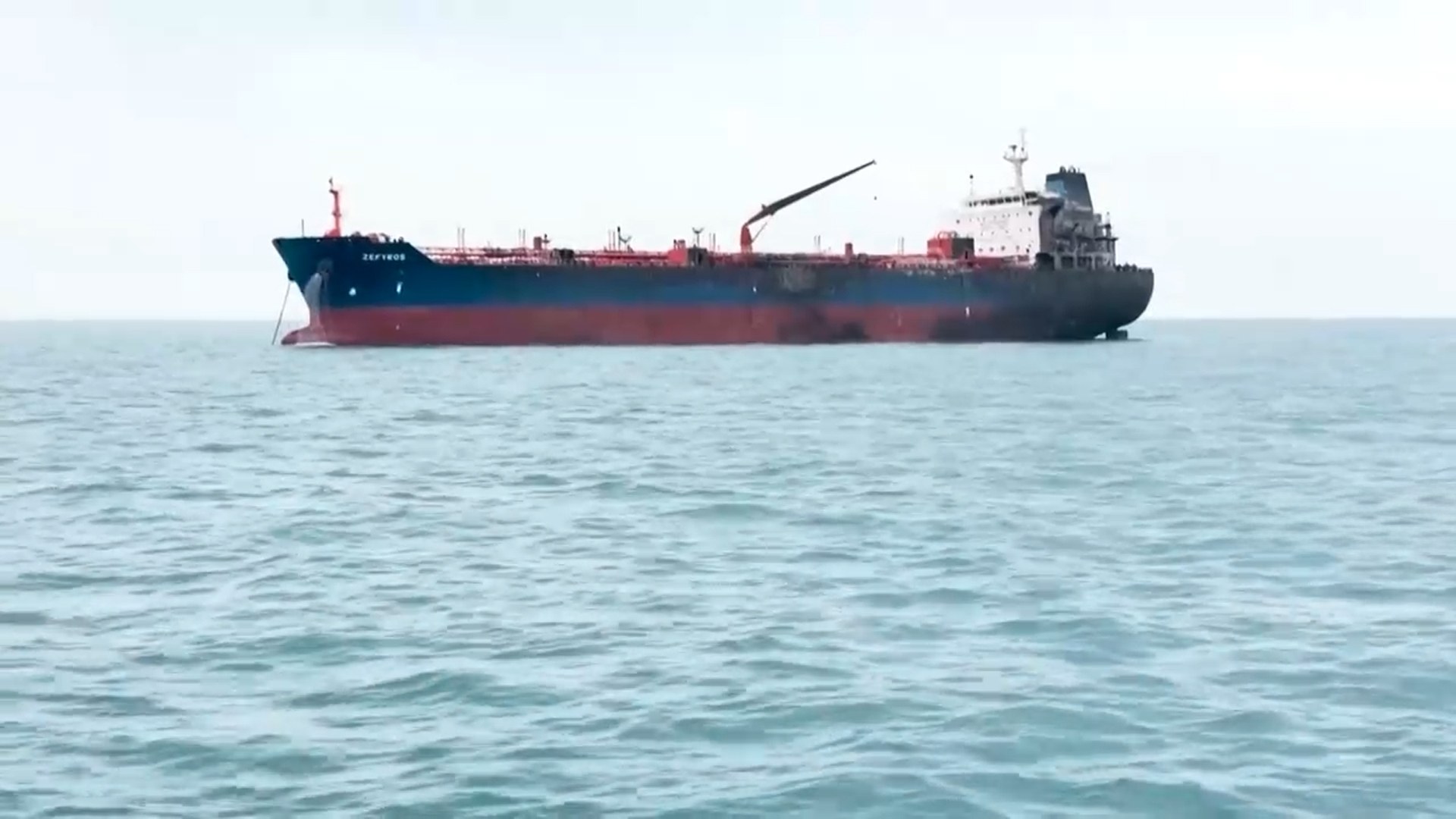
The crises facing the international community may feel distant, like someone else’s problem, but they ultimately have a direct impact on our tables and wallets. No matter how well the government presents its intentions on the diplomatic stage, it gains strength only with the continuous interest and support of the citizens. We must watch closely and cheer as we see whether future diplomatic moves translate into substantive stability for the livelihoods of the people. The wisdom to turn crises into opportunities is completed only when the government and the people unite in one mind. Through this UN speech, we clearly saw what role South Korea must play as a responsible middle power in the international community. We must all pay attention to building a robust security and economic foundation that remains unshaken even in an unstable global economy. We hope to calmly observe and walk together as we see how the government’s diplomatic policies and international cooperation protect our lives. To enjoy a peaceful and safe daily life, it is time for all of us to open our eyes wisely to the trends of the global situation.
Continuous public interest is needed to ensure that the government’s efforts to overcome international crises lead to substantive livelihood stability.
Frequently Asked Questions
=