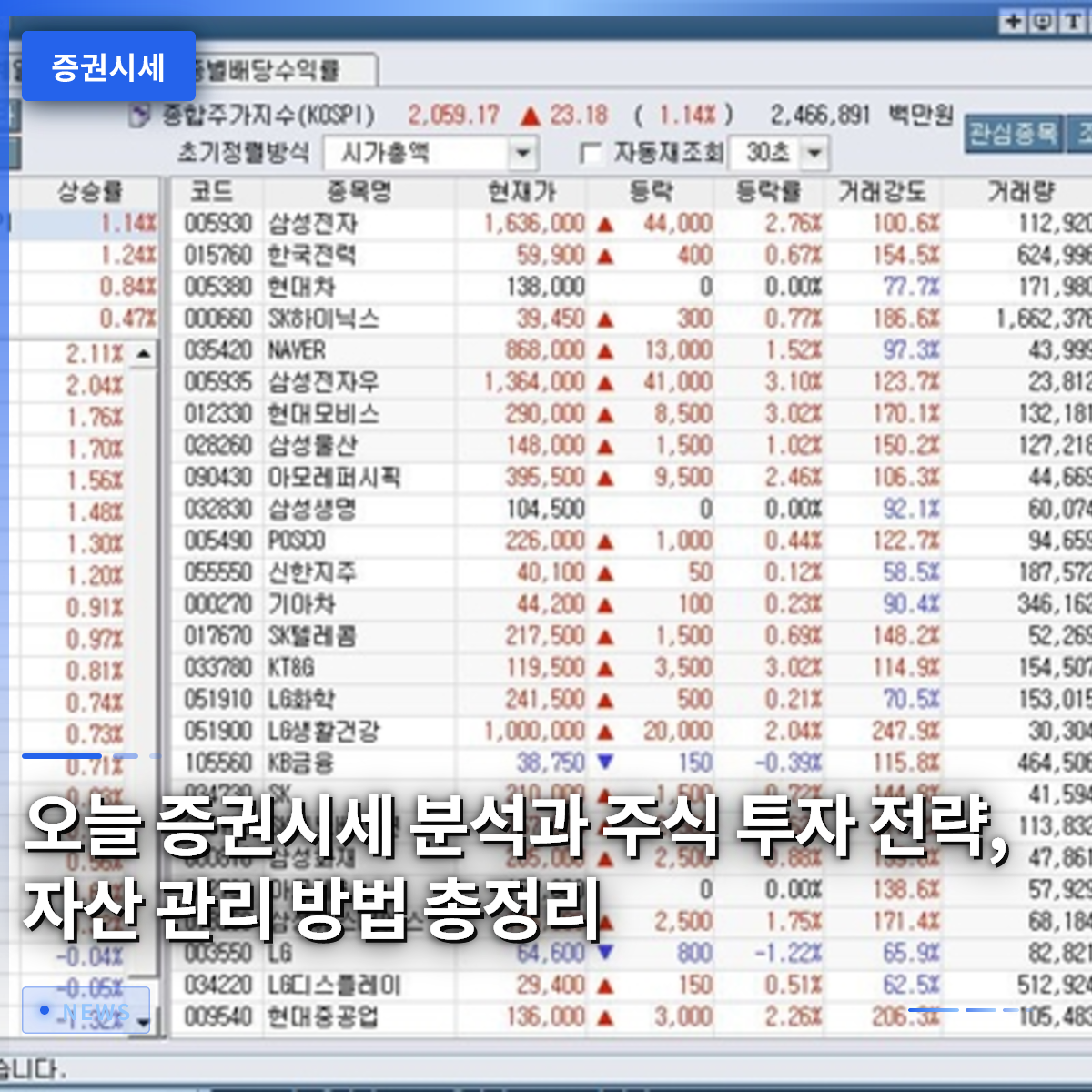
When checking today’s stock market trends, it is easy to feel overwhelmed by the constant fluctuations of numerous stocks, making it difficult to determine where the money is flowing. The current market is characterized by a lack of a clear leading sector and a continued rotation of capital. Therefore, rather than reacting emotionally to short-term price movements, it is essential to maintain a medium-to-long-term perspective. This is a critical time when a wise asset allocation strategy, considering interest rate changes and tax regulations, is indispensable. In this article, we will thoroughly cover everything from how to check real-time stock prices to tax and inheritance issues. We will guide you through a practical path to help individual investors navigate the complex market situation without losing their composure. If you are someone who sighs every morning upon opening your screen, this content will help you firmly grasp your investment direction.
=
Today’s Stock Market Analysis, Investment Strategies, and Asset Management Methods: A Complete Guide
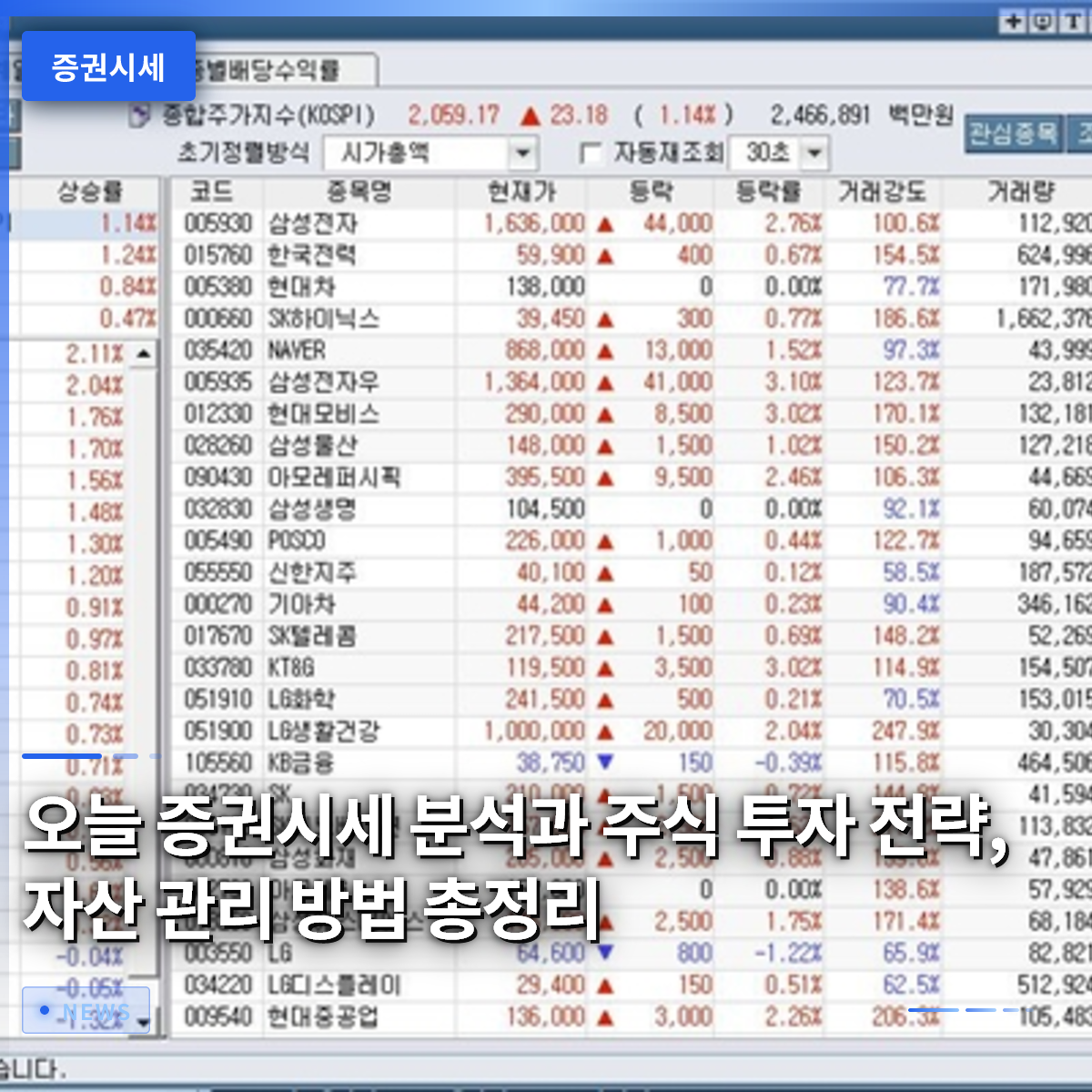
1. How to Check Today’s Stock Market Trends and Real-Time Lookup Tips
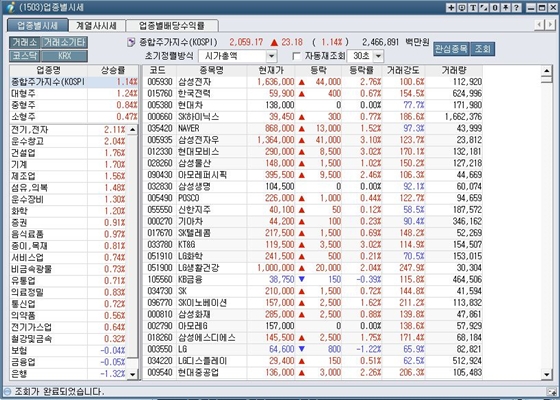
Every morning, as soon as the securities market opens, checking the stock prices on my mobile trading screen or home screen has become my first task. By utilizing the securities sections of portal sites or the apps of various brokerage firms, you can grasp intraday prices and real-time charts at a glance. While numerous stocks move with red and blue indicators, simply staring at them without analysis will only give you a headache. To understand the reasons behind rising stocks, you must look beyond just the price and examine related news and supply-demand trends simultaneously.
When checking real-time stock prices, paying close attention to changes in the order book’s remaining volume and trading volume is highly beneficial. For example, when a specific thematic stock that usually has little trading volume suddenly surges, rushing to buy in pursuit of the rise often leads to significant losses. Actively utilizing the various indicators and real-time news tabs provided on mobile screens allows you to quickly read the market’s flow. Beginner investors are particularly prone to emotional trading, so it is essential to develop the habit of checking stock prices based on objective indicators. Accurate understanding of market prices is the starting point of all investment strategies and serves as the strongest defense.
Checking real-time stock prices should go beyond simple price lookup and involve analyzing trading volume and related news.
2. Rotation Market Without a Leading Stock: Points for Beginners to Note
The current stock market is characterized by a rotation market where capital moves back and forth, with no clear leading stock driving the market. Seeing solar-related stocks or specific thematic stocks surge unexpectedly can trigger a sense of anxiety, as if one is being left behind. However, entering such volatile markets hastily often results in buying at the top, so extreme caution is required. The most common mistake made by beginner investors is chasing stocks that others are buying.
In a market with rapid rotation, it is not uncommon for rising stocks to turn into falling stocks overnight. For instance, solar stocks might show strength one day, only for buying pressure to shift to a completely different sector the next. Therefore, it is crucial to calmly judge whether the factors driving a specific theme’s price increase are temporary phenomena or structural changes. For beginners, it is far more advantageous to stick to their investment principles and patiently monitor high-quality stocks rather than being swept up by trends.
In a rotation market without a leading stock, a calm response that avoids being distracted by temporary surges and crashes is essential.
3. Rising Interest Rates and Bond Investment: Strategies for Securing Stable Returns

As the upward trend in long-term interest rates has slowed, interest in safe assets is rising again. With analyses suggesting that U.S. Treasury yields have peaked, investors are focusing on strategies aiming for interest income rather than short-term capital gains. Indeed, bond products offering yields of around 5% annually are making a comeback, attracting capital. If the volatility of the stock market is causing anxiety, allocating a portion of your portfolio to bonds is a wise approach.
Mr. Kim, an office worker who used to hold his breath checking stock prices every morning, says he has recently found peace of mind through bond investment. The stable monthly interest income effectively offsets the stress caused by falling stock prices. Of course, bonds are also subject to price changes due to interest rate fluctuations, but if held to maturity, you can secure the principal and the agreed-upon interest in full. In highly volatile markets, the secret to protecting your account is a strategy that allocates a portion of your assets to fixed-interest products like bonds.
In a volatile stock market, bond investment yielding around 5% annually becomes an alternative for securing stable interest income.
4. Overcoming the Limits of Direct Investment: Professional Discretionary Management and Model Portfolios
It is realistically very difficult for individual investors to analyze the rapidly changing stock market and execute trades at the right time on their own. For those with busy work schedules, it is nearly impossible to monitor real-time price changes and respond during trading hours. Consequently, there is a growing trend of choosing discretionary services from brokerage firms or professional advisory firms rather than insisting on direct investment. Since experts execute trades swiftly and nimbly based on verified model portfolios, they can occupy a more advantageous position than the general public.
Rejoicing and grieving over short-term price movements of individual stocks can harm mental health and easily lead to poor investment returns. Entrusting assets to experts with extensive experience and verified risk management processes is one of the efficient methods of asset management. In fact, Mr. Park, a self-employed individual who lacks time to look at stock screens, has been able to focus on his main business with peace of mind after enrolling in a professional discretionary product. Moving away from direct investment, where one bears all the responsibility, and seeking expert assistance is a wise move to reduce the probability of failure.
For individual investors with limited time, discretionary services that entrust assets to verified experts serve as a viable alternative.
5. Stock Gifting and Inheritance Tax: Everything About Valuation Criteria
When gifting stocks or transferring assets within a family, it is essential to accurately understand the tax valuation criteria to avoid a tax bomb in the future. For example, when gifting stocks or funds to grandchildren during a holiday, listed stocks are valued based on the average of the exchange’s final closing prices for two months before and after the valuation date. Even if the same number of shares is transferred, the tax payable can vary significantly depending on the average stock price during that period. Therefore, choosing a time when the stock price is relatively low to execute the gift is a key tip for reducing taxes.
In the succession processes of owners in the Yeouido financial district, revisions to the Commercial Act, treasury stocks, and inheritance tax regulations act as the most sensitive and complex calculations. It is also important for ordinary households to follow the legal procedure of directly gifting cash to a child’s securities account and then using those funds to purchase stocks. If stocks are transferred without considering tax elements, unexpected gift taxes or surcharges may be incurred, so prior investigation is essential. Experts recommend that those planning to gift stocks closely observe the price trends during the valuation period and consult with a tax accountant.
Stock gifting and inheritance tax are calculated based on the average of the final closing prices for two months before and after the valuation date, so timing is crucial.
6. KOSDAQ Crash and the Crypto Market: The Attitude Investors Should Have
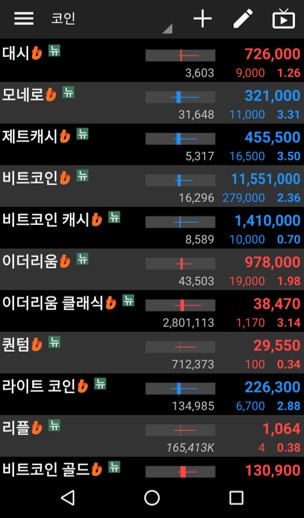
Looking at today’s stock market indicators, the KOSDAQ market is experiencing consecutive corrections or crashes, plunging investors into deep concern. Not only the stock market, but also the cryptocurrency market, including Bitcoin, is undergoing minor corrections, fluctuating around the 100 million won mark. Seeing specific coins like ARK, Ethena, or Sui repeatedly surge and crash can easily lead to being swept up in speculative psychology. In such times, it is most important to pay attention to price fluctuations and firmly adhere to one’s investment criteria.
Investing with borrowed money or forcibly investing non-discretionary funds due to market sentiment is absolutely forbidden. Since all investments are made under one’s own judgment and responsibility, one must not be swayed by hearsay or sensational news. The future stock market is likely to face another major turning point depending on external economic indicators and the direction of interest rates. Therefore, we encourage you to be a wise investor who maintains an appropriate cash ratio and calmly waits for the next opportunity.
To survive in the turbulent stock and crypto markets, an attitude of maintaining a cash ratio rather than making excessive investments is necessary.
Frequently Asked Questions
=