When checking today’s stock market trends, you may find yourself overwhelmed by the constant ups and downs of countless stocks, unsure of where to look. Many investors sigh, wondering why their assets are so volatile, as they watch the red and blue lights of rising and falling prices intersect every time they open their trading window. Rather than reacting emotionally to real-time price fluctuations, it is crucial to understand the broader trends and causes driving the market. In this article, we will review the overall market direction for today and carefully examine the essential information individuals need to know for practical investing. We will explore how to maintain your own center and protect your assets wisely amidst complex economic news and indicators. By developing the eye to read market trends, you can maintain a solid investment stance even in rapidly changing market conditions.
=
Analyzing the Causes of Today’s Stock Market Fluctuations and Effective Stock Investment Strategies
1. Understanding Today’s Stock Market and Market Trends
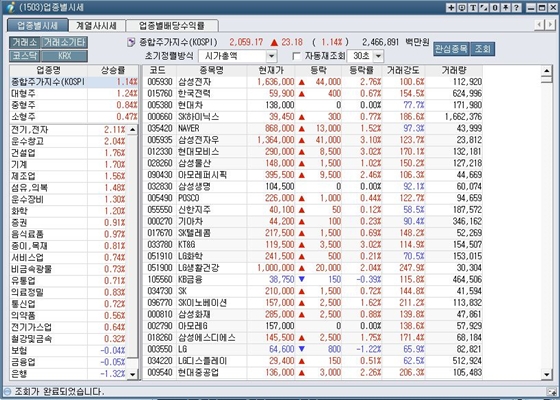
Looking at today’s stock market, it is easy to observe a pattern of rotation trading rather than a clear emergence of specific leading stocks. For instance, while solar-related stocks may suddenly surge, capturing investors’ attention, other sectors may simultaneously undergo corrections, resulting in high volatility. Daily indicators and real-time price information released in the stock market are easily accessible to anyone via mobile devices. However, simply staring at rising and falling numbers is like jumping into rough seas without a compass. To gauge the overall health of the market, one must cultivate the habit of analyzing trading volume trends alongside the buying and selling activities of foreign and institutional investors.
The final closing price published by the stock exchange does not merely affect today’s stock prices. This price standard is used as an absolute metric when transferring assets to others or calculating taxes, so it must always be understood accurately. It is not uncommon for people to hear that a specific stock has hit its daily limit up, jump in blindly, and end up in a difficult situation. Therefore, developing the ability to objectively read today’s market flow is the first step toward successful asset management. Small practices, such as opening the chart every morning to record price changes and writing down your own cause analysis, can make a significant difference.
Since today’s stock market features rotation trading and high sector-specific volatility, it is important to analyze the overall market flow and trading trends rather than just simple price fluctuations.
2. Standards for Stock Gifting and Tax Calculation
When gifting stocks to family members or children, accurately understanding the valuation reference date under tax law is the key to saving on taxes. For example, if you wish to gift stocks to your grandchild during a holiday, you must use the daily final closing price published by the exchange as the baseline. Since tax law determines the tax base by calculating the average price for two months before and after the gifting date, timing is crucial. Choosing to purchase stocks through a securities account rather than transferring assets directly in cash can yield tax-saving benefits. Even in the process of management succession for owner families in the Yeouido financial district, the average market price of stocks acts as a highly sensitive factor directly linked to inheritance tax.
When transferring shares, the amount of tax payable can vary drastically depending on the stock price level during the relevant period, even if the quantity is the same. Strategically utilizing periods of falling stock prices or planning split gifting are already widely known tax-saving strategies. However, since tax regulations are frequently amended depending on the timing, proceeding alone without seeking expert advice may result in additional penalties. To avoid a tax bomb when passing assets to your children, you must observe stock price trends and make plans in advance. Stock gifting is not just about conveying affection; it becomes perfect only when backed by precise calculations and adherence to legal standards.
When gifting stocks, the average market price for two months before and after the gifting date serves as the basis for tax calculation, so meticulous planning considering stock price fluctuation timing is necessary.
3. Interest Rate Changes and the Rise of the Bond Market

Recently, as uncertainty in the stock market has grown, the popularity of bonds, which offer stable interest income, has surged again. With U.S. Treasury yields maintaining high levels, more investors are turning to safe assets rather than taking risks in stock investments. Although the upward trend in long-term interest rates has eased somewhat, bond products still offering attractive interest rates serve as an excellent alternative. This reflects the psychology of investors seeking to escape the fatigue of staring at the stock window daily in pursuit of short-term capital gains. Bond investments, which can secure steady interest income, play the role of a sturdy shield by lowering asset volatility.
In a mixed market where leading stocks are absent, it is wise to diversify portfolio weights into bonds or stable assets. Because it allows for preserving principal while expecting returns higher than prevailing interest rates, it has gained great popularity among wealthy individuals approaching retirement. Office workers who used to worry about the sharp rises and falls of the stock market are now also paying attention to bond-type products that yield regular interest. An investment approach that blindly chases high returns carries a significant risk of leading to enormous losses if the market shakes even slightly. If you truly understand the appeal of bonds, which generate stable cash flow, you can survive in any market condition.
When stock market volatility is high, bond investments that guarantee stable interest income become an excellent alternative to short-term capital gains.
4. Choosing Between Direct Investment and Professional Discretionary Management
It is realistically very difficult for individual investors to analyze the flood of daily economic news and real-time prices to make successful trades. While working at a company, checking charts intermittently and chasing sharply fluctuating stocks is bound to interfere with one’s main job. In such cases, rather than insisting on direct investment, it is wise to utilize discretionary services from verified securities firms or professional advisory firms. Experts respond quickly and nimbly to market conditions based on thorough model portfolios, helping to reduce the risk of loss. An attitude that does not react emotionally to short-term price fluctuations of individual stocks brings both mental peace and asset growth.
Entrusting assets to experts with rich experience and systematic risk management processes is a significant trend in modern asset management. There are increasing cases of investors who struggled and failed repeatedly in the stock market alone achieving stable returns through discretionary services. Of course, there are concerns about fees and operating performance, but if viewed as the cost of protecting valuable assets, it is well worth it. You must accurately assess your investment style and target return rate before selecting a program from a trustworthy financial institution. It is much safer to borrow the verified insight of experts than to blindly jump in based on information that sounds appealing to others.
When direct investment is too burdensome in a complex stock market, it is advantageous to entrust assets to experts with verified risk management and portfolio operation capabilities.
5. Cautions for Virtual Assets and Other Investment Assets
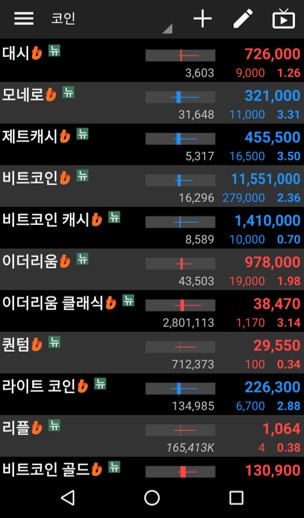
Not only the stock market but also the virtual asset market is experiencing large daily fluctuations, making investors’ hearts race. The way Bitcoin fluctuates around specific price lines and some altcoins experience sharp rises and falls resembles the volatility of the stock market. In such volatile markets, extreme caution is required, as greed can lead to losing a large amount of money all at once. The sighs of retail investors who press the buy button driven by rumors of a specific coin’s surge and then immediately face a crash never cease. Since the responsibility for all investments ultimately lies with the individual, one must maintain cool-headed rationality rather than blindly trusting foreign news or securities firm opinions.
Asset price movements disconnected from the real economy contain the risk of a bubble bursting at any time. Pouring funds into investments driven by the anxiety that “everyone else is getting rich” is closer to simple speculation than investment. Whether it is stocks or virtual assets, you must strictly adhere to the principle of diversifying investments within the range of your surplus funds. The more volatile an asset is, the more a contrarian strategy of selling when prices surge and buying during corrections is needed. Only when you calm your excited mind and look at the market coldly will the path to protecting and growing your assets open up.
Virtual assets and risky assets have very high short-term price volatility, so you should abandon excessive greed and approach them primarily with surplus funds.
6. Outlook and Action Guidelines for Successful Investment
The future stock market is expected to continue a mixed trend that is hard to predict, depending on changes in the global economic environment and interest rate policies. In such times, the answer is orthodox investing from a long-term perspective, accumulating high-quality assets, rather than aiming for a quick win. Instead of opening the stock market window every morning and feeling stressed, it is important to establish and practice your own clear investment principles. Make split buying and diversification a habit, and strictly avoid dangerous trades involving excessive leverage. If you have failed investment experiences, you must cultivate the attitude of calmly reviewing the causes and reflecting them in your next trades.
If you find your mind wavering due to the current rise in market prices, you need a break to close the stock window and return to daily life. Remember that the journey toward financial freedom is not a sprint but a long marathon with no visible end. If you consistently accumulate knowledge and manage your assets soundly, the day when you can smile and reap profits will surely come. Based on the various investment strategies and tax standards learned today, we hope you will begin a more mature stock investment starting tomorrow. A healthy investment mindset and wise asset allocation are the most powerful weapons for surviving in a rough market.
To complete a successful investment amidst uncertain market outlooks, a long-term perspective that is not shaken by short-term prices and strict adherence to principles are essential.
Frequently Asked Questions
=