As the US 10-year Treasury yield sharply breached the 5.1% mark, a strong sense of tension has permeated the global financial markets. With oil prices and Treasury yields soaring simultaneously and the Federal Reserve continuing its hawkish rhetoric, the New York stock market has been unable to escape a broad decline. Investors are holding onto their funds, worried about the negative impact of rising interest rates on future economic growth and corporate earnings. Amid this situation, US President-elect Donald Trump is also keenly monitoring interest rate trends and pondering the direction of future policies. This article examines in detail the specific background of the Treasury yield surge, the crisis facing the stock market, and Trump’s response.
=
Analysis of the US 10-Year Treasury Yield Breaking 5.1% and Trump’s Watchful Stance on Interest Rates
1. The Shock of the US 10-Year Treasury Yield Breaking 5.1%

The 10-year yield, which serves as the benchmark for the US Treasury market, finally crossed the 5.1% line, shocking market participants. This is the result of inflationary pressures not subsiding as easily as expected, combined with the structural cause of increasing Treasury issuance. As bond yields rise, the interest costs companies must pay to raise funds also increase, placing a heavy burden on the stock market as a whole. In fact, mortgage rates and corporate loan rates are also linked to this indicator and rising accordingly, squeezing the breathing room for ordinary households and businesses. Wall Street experts are placing weight on the possibility that this upward trend in interest rates will not reverse in the short term and are strengthening risk management.
The sharp rise in Treasury yields signifies not just a change in numbers, but a tightening of funds across the entire real economy. Companies accustomed to the era of low interest rates are canceling or postponing new investments one after another as they struggle to cope with the soaring interest costs.
The 10-year Treasury yield breaking 5.1% has caused funding costs to soar, placing a heavy burden on the real economy and the stock market.
2. Soaring Oil Prices and the Fed’s Hawkish Stance
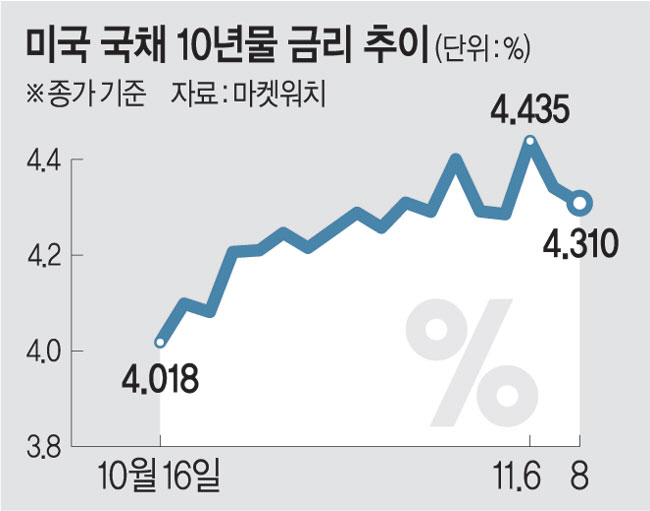
Another major culprit fueling the surge in Treasury yields is the sharp rise in international oil prices and the central bank’s hawkish attitude. As commodity prices began to stir and rise again, fears of a resurgence in inflation quickly eroded the bond market. Central bank officials continue to send strong signals to the market that they will not easily lower benchmark interest rates and may even implement additional hikes. The market had initially expected several rate cuts within the year, but this rosy outlook was brutally shattered by price indicators. The reality that the war against inflation is not yet over has stimulated investors’ selling sentiment, dragging down stock indices.
The central bank’s hawkish stance goes beyond simply freezing interest rates; it is intertwined with a trend of quantitative tightening that withdraws money from circulation. As a result, even the short-term funding market is showing signs of paralysis, amplifying anxiety across the entire financial system.
Inflation concerns due to the oil price surge and the central bank’s hawkish attitude are combining to exert strong downward pressure on the stock market.
3. The Broad Decline in the New York Stock Market and Exceptional Stocks

The New York stock market, hit directly by the surge in Treasury yields and tightening fears, saw major indices uniformly turn red and bow their heads. Selling poured in indiscriminately, from tech-centric Nasdaq stocks to traditional manufacturing and financial stocks, fueling the index decline. Concerns that rising loan rates would reduce consumer goods sales grew, leading to particularly large drops in the stock prices of distribution and consumer-related companies. However, even in this gloomy atmosphere, some stocks managed to maintain a solitary upward trend by riding on their own unique positive news, drawing attention. Notably, Meta is expected to generate a massive hit with its personal AI assistant service, Muse.
Even in a market where the overall index is plummeting, companies with strong internal momentum have effectively served as a safe haven for investors. This is a prime example showing how important individual corporate competitiveness is in defying the overall market trend.
While the overall stock market fell due to the interest rate surge, only individual stocks with positive news, such as expectations for Meta’s AI assistant, held up well.
4. Trump’s Political Calculations While Watching Interest Rates
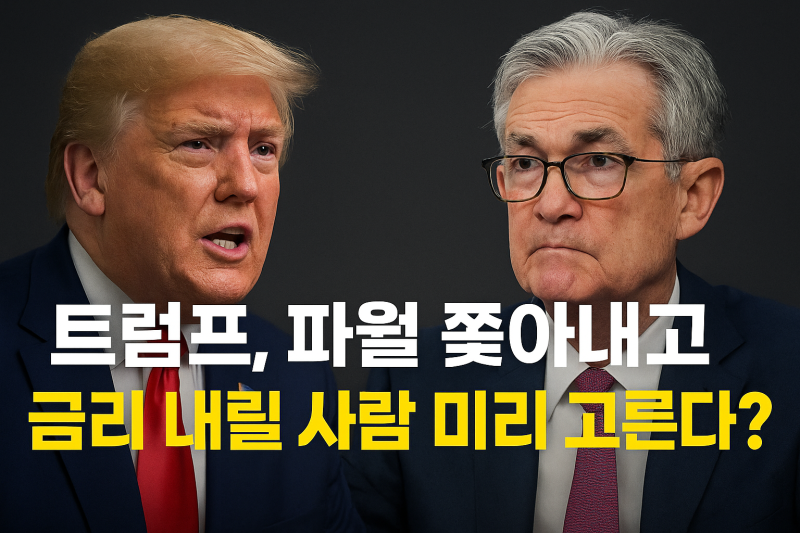
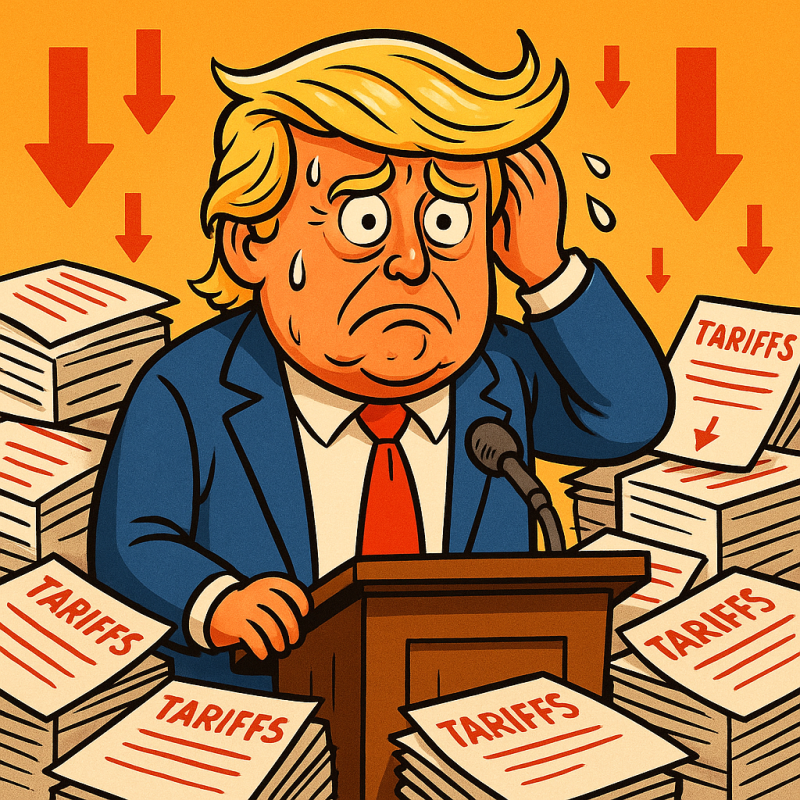
The Donald Trump camp, whether aiming to reclaim the White House or holding power, is keenly watching the incident of the 10-year yield breaking 5.1%. Trump has long preferred low interest rates and aggressive stimulus measures, so he is unlikely to welcome the current high-interest-rate situation. If Treasury yields remain high, the burden of interest payments on government-issued Treasuries increases, dealing a fatal blow to fiscal soundness. Therefore, economic advisors around Trump are seeking ways to forcibly lower interest rates, even if it means shaking the central bank’s independence, or to reduce the fiscal deficit. Because rising interest rates can directly lead to a shift in public opinion, the market is on high alert for every one of his statements and moves.
If the President’s influence acts as direct pressure on the central bank’s monetary policy, the financial market could fall into chaos where it is impossible to see even a step ahead. The conflict between political demands and economic reality is expected to act as a major variable in future asset price formation.
Trump is closely monitoring future monetary policy and interest rate trends, concerned about the fiscal burden and deterioration of public opinion caused by high interest rates.
5. The Realistic Asset Management Dilemmas Faced by Investors

In a period where interest rates are hovering around the 5% range, general investors are deeply troubled about how to protect and grow their valuable assets. Stock market volatility has become so great that they are experiencing the fear of their accounts being halved by even a small piece of bad news. On the other hand, simply holding safe assets like cash means suffering the pain of their real asset value eroding when inflation is taken into account. Although bank deposit rates have risen compared to the past, they are far insufficient for those who invested with borrowed money, leading to more sighs. Experts advise that in times like these, one should reduce leverage and restructure portfolios to focus on high-quality assets with solid cash flows.
Rather than blindly jumping in based on what others say is good, it is most important to first assess one’s own risk tolerance. In periods of high interest rates, defensive asset management rather than reckless expansion often becomes the shortcut to victory.
As investor concerns deepen due to prolonged high interest rates, it is necessary to reduce excessive borrowing and adopt defensive asset management.
6. Future Market Outlook and Wise Response Strategies
The future financial market will face a completely different phase depending on whether the 10-year Treasury yield settles above the 5% line or falls back down. If price indicators stabilize faster than expected or oil prices stop their sharp rise, interest rates may calm down, allowing the stock market to seize an opportunity for a rebound. Conversely, if inflation becomes entrenched and the central bank pulls out additional tightening cards, the stock market risks entering a deeper correction tunnel. Therefore, investors must carefully examine the macroeconomic indicators released daily and maintain calmness without being swayed by emotions. Now is the time to build the stamina to withstand market volatility and secure cash, rather than hastily buying at low prices.
The market always presents trials, but new opportunities always bloom within them. If you look at the market with a long-term perspective and unwavering principles, you can sufficiently overcome this interest rate crisis.
Since the direction of the stock market will be determined by future inflation and interest rate trends, it is necessary to avoid excessive risk and adopt a calm, cash-centric strategy.
Frequently Asked Questions
=