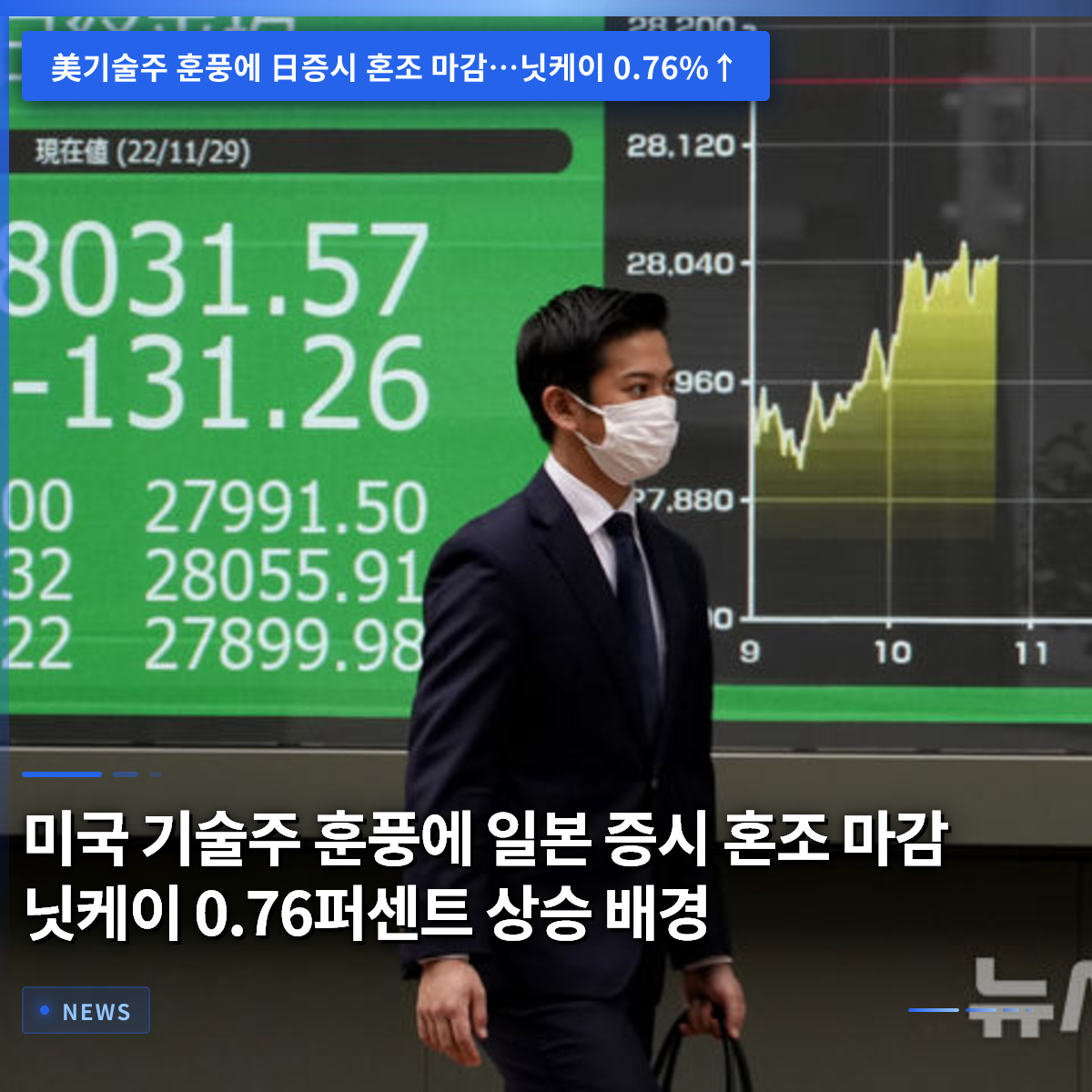
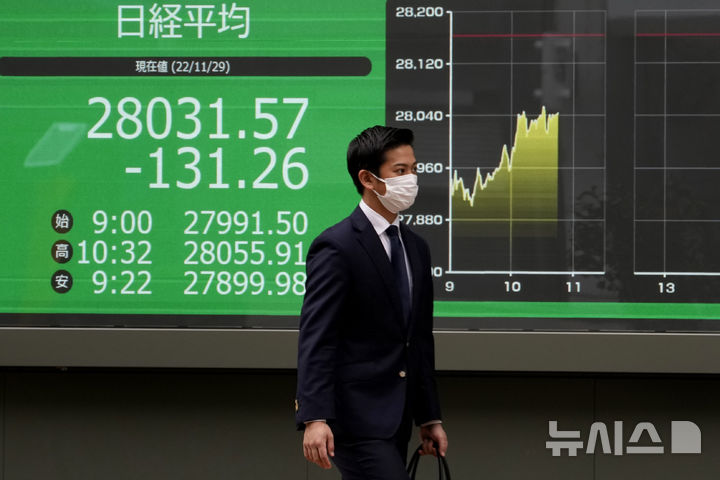
On September 24, 2026, the Tokyo Stock Exchange closed with mixed results, buoyed by a tailwind from U.S. technology stocks. Expectations for growth in AI-related businesses lifted semiconductor stocks, pushing the Nikkei 225 index up 0.76% to 65,513.99. However, rising long-term interest rates and caution ahead of the U.S.-China summit kept the TOPIX index in negative territory. You may have been wondering which factors are driving stock prices amidst the complex recent trends in global markets. In this article, we will take a detailed look at the key factors shaking the market, from the influence of the U.S. market to domestic interest rate fluctuations in Japan. We will break down complex economic news using everyday examples, so reading to the end will be highly beneficial.
=
Japan’s Mixed Market Close Amid U.S. Tech Rally: Nikkei Up 0.76%
1. U.S. Tech Strength and Nasdaq Record High
In the U.S. New York stock market, the tech-heavy Nasdaq index has been shattering all-time highs daily, injecting vitality into global financial markets. The decisive catalyst was Meta’s shopping proxy AI, “Muse,” which firmly claimed the top spot in the U.S. App Store download rankings. As AI usage in daily life explodes, the prevailing view is that demand for semiconductors supporting this technology will surge. This mirrors the scenario exactly when smartphones were first widely adopted, and the stock prices of related component makers skyrocketed. The new leap by major tech companies quickly stimulated investor sentiment in the Japanese stock market across the ocean. These positive signals from the U.S. market acted as a catalyst, inducing strong buying pressure across Asian markets in general. Investors are now pouring funds into tech companies that are moving beyond mere expectations to deliver actual results.
Record highs in U.S. tech stocks and the popularity of AI services drove buying in the Japanese market.
2. SoftBank Group and Semiconductor Stocks Surge
Looking inside the Japanese market, the performance of semiconductor-related stocks stood out prominently. SoftBank Group saw its stock price spike by over 7% at one point during trading, drawing all eyes. This was the result of the future value of Arm, the UK-based semiconductor design company supplying central processing units to Meta, being directly reflected in its major shareholder, SoftBank Group. Traditional semiconductor equipment stocks such as Socionext, Advantest, and Tokyo Electron, which participate directly or indirectly in Arm’s design work, also rose in tandem. The rise in stock prices of companies manufacturing equipment for semiconductor factories immediately spread warmth throughout the entire related component ecosystem. It is similar to how a small local parts shop becomes busy thanks to the popularity of a major finished vehicle manufacturer.
Expectations for Arm led to significant gains in SoftBank Group and major semiconductor equipment stocks.
3. Downward Pressure on TOPIX and Bank Stocks

However, not all stocks were in the green, and the overall market atmosphere showed significant divergence. On the Tokyo Stock Exchange Prime Market, the number of advancing stocks barely exceeded half of the total. In particular, financial-related stocks, including banks, showed weakness, dragging the TOPIX index down. A major factor was that investors were cautious with the massive political event of the U.S.-China summit just around the corner. Market participants chose a wait-and-see approach rather than rushing to deploy capital. This resembles the scene of ships in a harbor dropping anchor and delaying departure before a typhoon arrives. This is the main reason why the index as a whole did not move in one direction, with fortunes mixed by individual stock.
Weakness in bank stocks and caution ahead of the U.S.-China summit caused the TOPIX index to fall.
4. Impact of Simultaneous Rise in Long-Term Interest Rates in U.S. and Japan
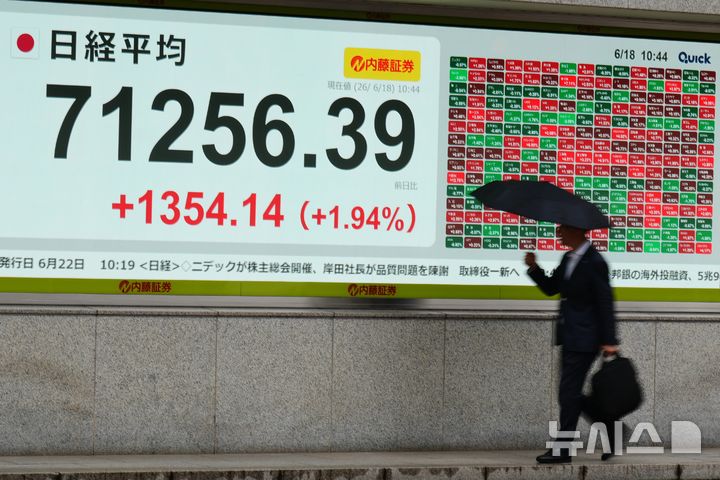
Another major culprit tightening the stock market was the sharp rise in government bond yields in both countries. The U.S. 10-year Treasury yield hit 5.13% at one point during trading, soaring to its highest level in 19 years since 2007. This was because the preliminary September Purchasing Managers’ Index (PMI) exceeded expectations, increasing the likelihood of further interest rate hikes by the central bank. The situation inside Japan was not significantly different, with the 10-year government bond yield crossing the 3% mark, recording its highest level in about 30 years. Rising interest rates mean that interest costs increase when companies borrow money from banks to build factories or conduct research. As the burden of loan interest grows, corporate profits inevitably shrink, leading to a contraction in investor sentiment.
Rising long-term interest rates in the U.S. and Japan increased corporate funding costs, pressuring investor sentiment.
5. Upcoming Key Economic Events and Outlook
This week, the attention of Japanese stock market investors is now turning to upcoming major events. First, the results of the U.S.-China summit scheduled for the 24th are closely watched for how they will change the global trade environment. Additionally, the earnings release by U.S. semiconductor company Micron, due at the end of this month, will be a crucial milestone in determining the market’s direction. In a phase where macroeconomic indicators and individual corporate earnings are diverging, it is wise to refrain from reckless short-term investments. The stock market is like a living organism where countless variables are intertwined, making it difficult to judge based on a single indicator. It is always necessary to calmly keep an eye on surrounding economic news and respond flexibly.
The outcome of the U.S.-China summit and Micron’s earnings release are key variables that will determine the future direction of the stock market.
6. Market Lessons Investors Should Remember
Every time the financial market fluctuates, we are reminded of how important principled investing is. Rather than reacting emotionally to short-term stock price movements, we must cultivate the insight to read the intrinsic value of companies and the massive trends of industries. The higher interest rates rise and the greater political uncertainty becomes, the more companies with solid cash flows and low debt will shine. Establishing your own clear investment criteria, rather than relying solely on expert forecasts, is the shortcut to successful asset management. As the possibility of continued high volatility remains high, please calmly prepare for the next opportunity. Even at this very moment, the global economy is constantly moving, and within it, we gain new learning and opportunities.
In volatile markets, focus on the intrinsic value of companies and maintain principled investing.
Frequently Asked Questions
=