
Woo Sang-hyuk, the flagship of South Korea’s men’s high jump, claimed a valuable bronze medal with a mark of 2.22m in the men’s high jump final at the 2026 Aichi-Nagoya Asian Games, held on September 27, 2026, at the Mizuho Park Athletics Stadium in Nagoya, Japan. Although he narrowly missed the gold medal he had targeted at this tournament, Woo proved to the world that he is still in top form by standing proudly on the podium despite his injury. Adding this bronze to his two previous Asian Games silver medals, he set a dazzling record by securing his third Asian Games medal in total. Despite the pressure of having to stake everything on a single final event after the heats were canceled, he did not lose his signature bright smile. While many track and field fans could not hide their concern over the unexpected news of his injury, once he stepped onto the field, he displayed a fighting spirit as if nothing had happened. Let’s take a detailed look at the process through which Woo Sang-hyuk managed to stand on the podium in this Asian Games final.
=
Woo Sang-hyuk’s Bronze Medal in the 2026 Asian Games High Jump: The Moment He Secured His Third Consecutive Medal

1. The Bronze Medal in Nagoya
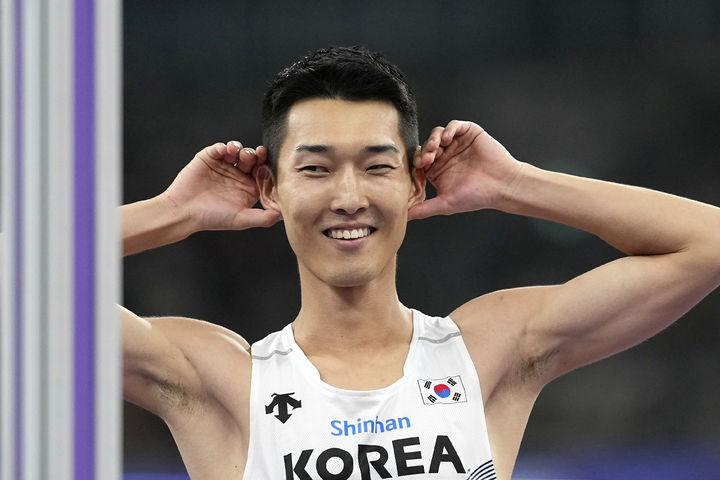
In the men’s high jump final at the 2026 Aichi-Nagoya Asian Games, Woo Sang-hyuk proudly took third place out of 14 competitors with a mark of 2.22m. Although he once again missed out on the golden medal, the bronze medal around his neck is a result that embodies more intense effort than any other award. On the day of the competition, waves of support continued at the venue, with many spectators believing in Woo’s potential until the very last moment. While the height might have left some regret for the athlete himself, considering the massive obstacle of injury he faced, it was truly a miraculous display of fighting spirit.
The commentators and spectators watching the game held their breath and tensed up together every time he threw his last-ditch effort to clear the 2.28m bar. Although a brief sigh of disappointment escaped when the bar fell after his failed attempt at 2.28m, the stands immediately erupted in enthusiastic applause. His refusal to give up and his dedication to doing his best until the end, regardless of the medal color, was enough to move the hearts of everyone present. Finally, seeing him step onto the podium, receive the medal, and flash a bright smile reminded everyone once again why he is an athlete loved by the nation.
Woo Sang-hyuk overcame his injury to win a bronze medal with a mark of 2.22m, successfully securing a medal at three consecutive Asian Games.
2. Fighting Spirit Rising Above Injury
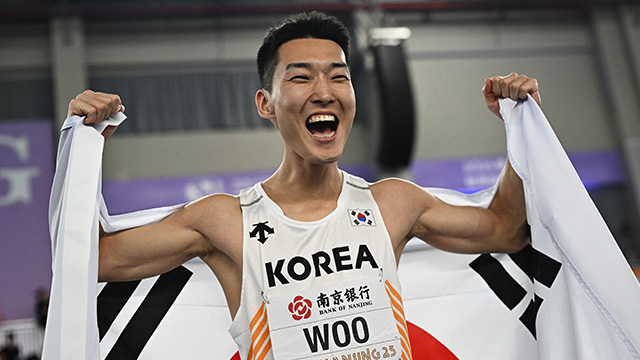
In the process of preparing for this tournament, Woo Sang-hyuk went through an incredibly difficult time, battling an unspeakable injury. It is true that worried glances from those around him were constant, as he had to step onto the international stage with a body that was not in perfect condition. However, he demonstrated the resilience to break through all adversity head-on with his characteristic positive mindset. For an athlete, injury is the most terrifying enemy, bringing immense mental pressure beyond mere physical pain.
Nevertheless, Woo Sang-hyuk devoted himself silently to treatment and rehabilitation, running relentlessly with his eyes fixed solely on this final stage. Even in pre-game interviews and during practice, he did not show any sign of pain, instead flashing bright smiles at his fellow athletes and fans. This professional attitude left a deep impression and served as an inspiration to many officials at the Asian Games venue. Entering the medal zone and standing shoulder to shoulder with world-class athletes solely on the strength of his mental will, despite his imperfect physical condition, is a truly remarkable achievement.
Woo Sang-hyuk beautifully overcame a difficult injury and created a miracle of standing on the podium through rigorous mental strength.
3. Three Consecutive Asian Games Podium Finishes
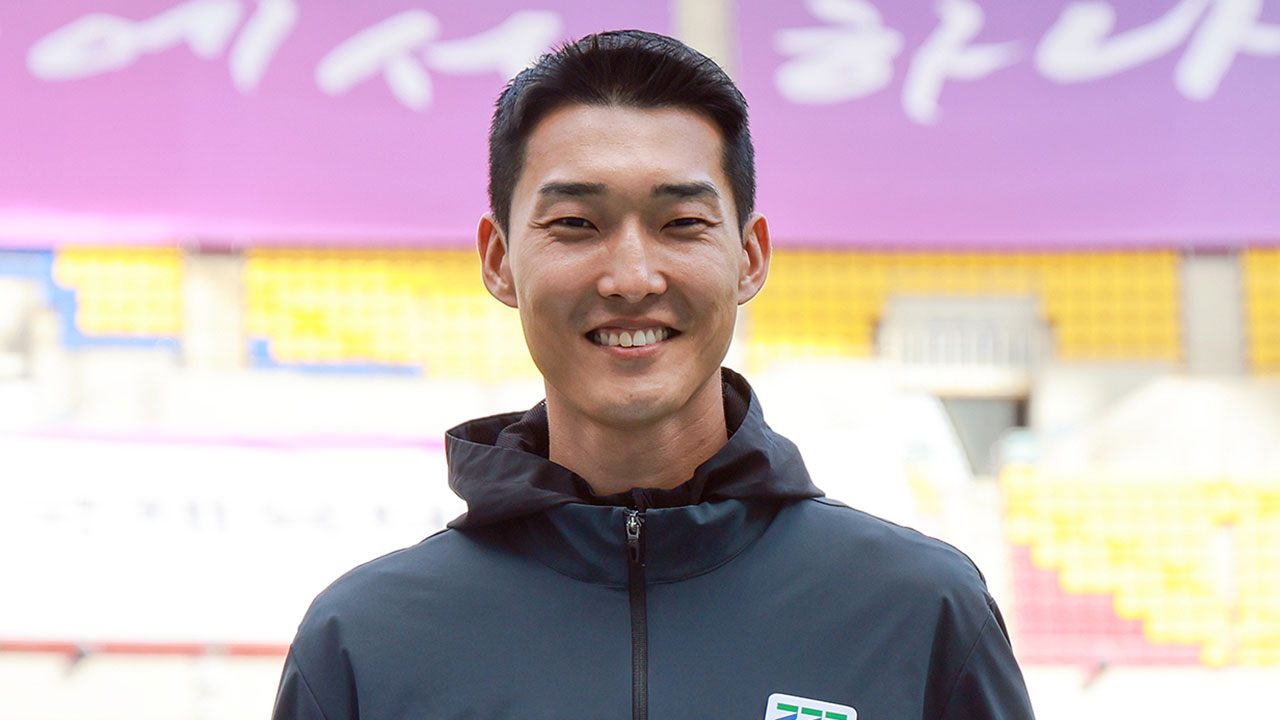
With this bronze medal, Woo Sang-hyuk has collected his third Asian Games medal in total, writing a new legend in Korean track and field. Having consistently ranked in the top tier in past tournaments, he has been recognized as an absolute powerhouse on the Asian stage by adding a medal at this Nagoya Games. This record is even more valuable as it is proof that he has maintained world-class performance for years, rather than just a fleeting moment of brilliance. It is unprecedented for an athlete to maintain a top-tier position in Asia for such a long period from South Korea, which was once considered a peripheral nation in track and field.
Since childhood, he has overcome physical disadvantages by jumping more than twice as high as others to build his own unique style. The results of these efforts have accumulated to complete a great footprint that will remain permanently in the history of the Asian Games. Domestic young track and field talents who heard the news of his third consecutive podium finish are nurturing grand dreams of the world while looking up to Woo Sang-hyuk. The anticipation for the new records he will set in upcoming international competitions is already making the hearts of track and field fans around the world flutter with excitement.
Woo Sang-hyuk has left an unparalleled footprint in the history of Korean track and field by securing his third Asian Games medal in total.
4. The Bright Smile of the Smile Jumper
The most beautiful word describing Woo Sang-hyuk is undoubtedly the nickname “Smile Jumper,” which has captivated the world. His bright smiles and cheerful ceremonies directed at cameras before and after competitions have a magical power that instantly makes viewers forget their worries. Even when he easily cleared the 2.18m height on his first attempt in the early stages of this final, his trademark beaming smile shone brightly as always. The fact that he enjoys the game by smiling even bigger on the high-tension stage of a major tournament final is a strength that not just anyone can imitate.
The public applauds athletes who achieve perfect results, but they show sincere respect for those who do not lose their smiles even in adversity. The reason Woo Sang-hyuk does not give in to slumps or disappointing performances during competitions and immediately regains his smile is due to his strong belief in himself. His bright expression, which provides energy to tired citizens in every difficult moment, has now become a precious culture of Korean sports. His bright smile on the podium, even in moments when he might be regretful for missing the gold medal, is a model of true sportsmanship that transcends victory and defeat.
Woo Sang-hyuk’s positive character, which never loses its smile even in the face of trials, resonates deeply with sports fans around the world.
5. World-Class Skill and Challenge
Although he unfortunately missed the gold medal at this tournament, Woo Sang-hyuk’s competitiveness on the world stage remains at the very top. He is turning the impossible into the possible for Korean track and field by engaging in fierce battles with world-class powerhouses like Barshim. Finding his pace quickly despite the disadvantageous schedule of going straight to the final after the heats were canceled is a testament to his immense inner strength. This is a product of amazing concentration that would have been impossible without his usual rigorous self-management and endless training volume.
More important than the size of his team salary or bonus, which many are curious about, is the value of the sweat he has shed. His journey of growing into a figure who threatens the world number one bar solely on skill, overcoming the hardships of a non-popular sport, is like a moving drama. His challenge of raising the status of Korean track and field while waving the Taegukgi on the world stage will continue without stopping in the future. This bronze medal is certainly not the end, but a solid stepping stone to leap even higher after catching his breath.
Woo Sang-hyuk continues his relentless challenge toward the world summit despite the disadvantageous game schedule and fierce competition.
6. A Living History of Korean Track and Field
Every record Woo Sang-hyuk writes is becoming a proud reality that serves as the living history of South Korea’s track and field events. Winning the World Championships and consecutively placing in the Asian Games in a domestic environment that was once like a barren land serves as a huge milestone for his juniors. This bronze medal at the 2026 Aichi-Nagoya Asian Games is clear evidence of how consistently and diligently he has conducted his athletic career. In upcoming world-class tournaments, he will once again set out to hunt for medals with his unique explosive jumping power and strong mental strength.
The reason we must watch Woo Sang-hyuk’s games with bated breath and cheer for him sincerely is precisely because of this spirit of endless challenge. Although he wore a bronze medal instead of gold this time, his value and dazzling performance shine brighter than ever. Let us all cheer for Woo Sang-hyuk, who will return in an even stronger form after sufficient rest and recovery in preparation for upcoming competitions. Please continue to send your passionate support and interest, believing in his future as the world’s best jumper, surpassing South Korea.
Woo Sang-hyuk is a treasure of South Korea whose future performance is highly anticipated as he pioneers a new history in Korean track and field.
Frequently Asked Questions
=