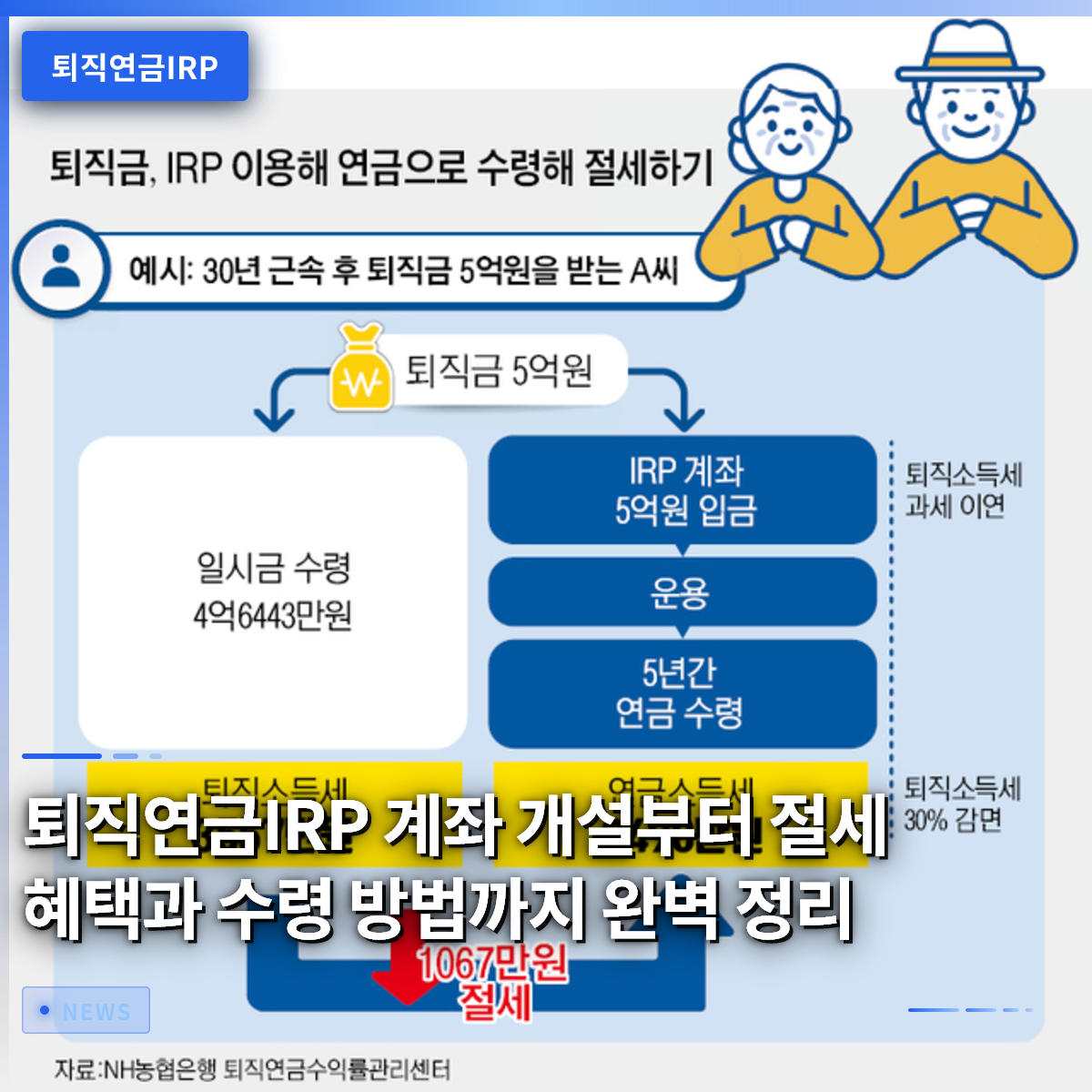
A Retirement Pension IRP account is the most reliable way to build your retirement funds while enjoying significant tax savings during your annual year-end tax settlement. Recently, many financial institutions have been actively introducing how to utilize these tax-advantaged accounts, and they have become an essential part of retirement planning for office workers. In fact, Mr. Kim, an office worker, made additional contributions to his IRP account last year and was pleasantly surprised by the substantial refund he received during his year-end tax settlement. As shown by this example, if you properly understand and utilize the characteristics of the account, you can achieve both asset growth and tax savings simultaneously. In this article, we will carefully examine everything you need to know, from opening the account and contribution limits to managing safe assets and withdrawal methods. Let’s take this opportunity to turn retirement asset management, which may have seemed complex, into a powerful tool for your benefit.
=
A Complete Guide to Retirement Pension IRP Accounts: From Account Opening to Tax Benefits and Withdrawal Methods
1. Understanding the Basic Concepts of Retirement Pension IRP Accounts

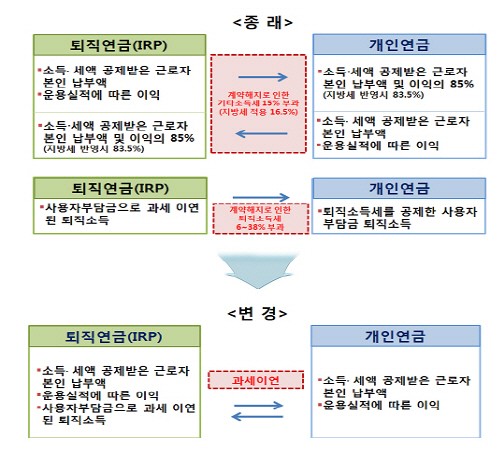
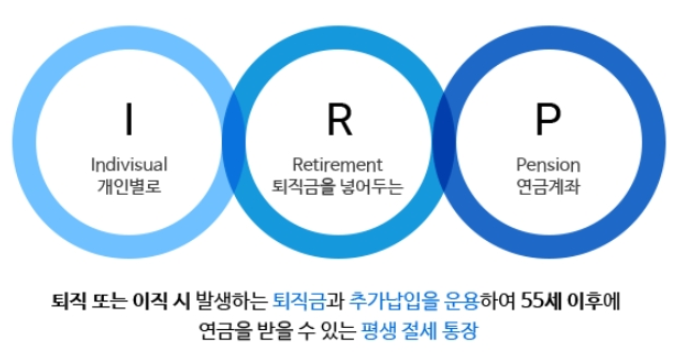
A Retirement Pension IRP is a dedicated account that allows individuals to safely and continuously manage their severance pay received upon changing jobs or retiring, or to grow their retirement funds by making additional personal contributions. Unlike the Defined Benefit (DB) or Defined Contribution (DC) plans established by employers, the advantage of an IRP is that employees can maintain the account and continue to grow their funds even if they change jobs. In the past, it was often viewed merely as a channel for receiving severance pay, but recently, its status has completely changed as it has become a core means of simultaneously addressing retirement preparation and tax savings. Because individuals can voluntarily add their surplus funds in addition to the contributions made by the company, the scope for saving is significantly expanded. In particular, the ability to diversify investments across various financial products provides a foundation for significantly increasing the size of assets held at the time of retirement. Therefore, once you start working, it is advantageous for long-term asset formation to open an account in your own name as quickly as possible.
Since this system was created by the state to help workers secure a stable retirement life, it operates with strong legal protections and institutional mechanisms, unlike ordinary savings accounts. Within the account, you can freely combine equity products, bond products, and principal-and-interest guaranteed products that offer stable interest rates according to your investment style. For example, if you have a stable investment preference, you can focus on fixed deposits, or if you want to be more aggressive in pursuing higher returns, you can increase the proportion of performance-linked products. Tax on the returns generated during this process is not deducted immediately but is deferred until the time of pension receipt, a benefit known as tax deferral, which maximizes the effect of compound interest. Ultimately, the most attractive point is that the speed at which assets grow over time is much faster compared to ordinary accounts. By effectively utilizing this structure, you can lay a solid foundation for a more comfortable and secure life after retirement.
The Retirement Pension IRP is an essential retirement preparation account that manages both severance pay and additional contributions while enjoying the benefits of tax deferral.
2. Maximizing Tax Deductions and Year-End Tax Settlement Benefits
The biggest reason many people open this account is the tax deduction benefit they can receive during their annual year-end tax settlement. Combined with pension savings accounts, you can receive a high deduction rate on contributions of up to 9 million won per year, making it the ultimate tax-saving helper for office workers. If your annual salary is 55 million won or less, you can receive a refund of 16.5% of your contributions; if it is more than that, you can receive a 13.2% refund, which yields returns incomparable to bank interest. In fact, Mr. Park, a salaried employee, consistently contributed money every month and received a refund of over 1 million won at year-end, creating a virtuous cycle of reinvesting that money. This way, you can feel the double benefit of saving on taxes while naturally accumulating retirement funds.
However, before blindly filling up the limit, you need the wisdom to carefully consider your total salary and the allocation of contribution limits between your pension savings account and IRP. If you have already contributed a certain amount to your pension savings account, you must accurately calculate the remaining limit and fill it into your IRP account to prevent unnecessary over-contributions. Occasionally, cases of over-contributing beyond the limit may occur; in such cases, you can carry over the contribution amount to the following year for deduction, so there is no need to panic. However, it is much more advantageous from the perspective of managing financial liquidity to plan your contributions strategically to exactly match your annual tax deduction limit. If you want to face a solid refund account instead of worrying about a tax bomb every year-end, you should check your contribution records right now. Never forget that the completeness of your retirement preparation increases just as much as the size of the tax benefits.
It is a powerful tax-saving tool that allows for tax deductions of up to 16.5% within the annual limit of 9 million won.
3. The 30% Safe Asset Requirement and Tips for Selecting Investment Products
When managing this account, there is an important regulation that requires at least 30% of the total assets to be allocated to safe assets. This is an essential rule created to prevent putting all money into risky assets like stocks and to protect the safety of retirement assets. Accordingly, you must include fixed deposits, government bonds, and bond-mixed products classified as safe assets in appropriate proportions. Recently, with the popularity of direct investment in government bonds and various bond products, new options for asset growth have expanded even for those in their 50s and 60s who are planning to retire. For example, by utilizing bond-mixed products that appropriately combine stocks and bonds, you can meet the safe asset ratio while simultaneously pursuing reasonable returns.
While the constraint of meeting the safe asset ratio may feel restrictive, it actually serves as a reliable shield protecting your assets in volatile market conditions. When the market plunges, safe assets mitigate the impact on the entire portfolio, allowing you to maintain psychological stability and continue long-term investing. It is very important to regularly check and rebalance the ratio of risky to safe assets according to your investment style and retirement timing. You can easily check if your current portfolio is well-structured by referring to various asset management tools or webinars provided by financial institutions. Just as a balanced diet maintains health, balanced investment products protect the health of your retirement funds. Please devise a strategy to wisely leverage the safe asset regulations to capture both returns and stability.
30% of total assets must be allocated to safe assets, allowing you to prepare for volatility and protect stable retirement funds.
4. Everything About Retirement Pension Withdrawal Methods and Taxes
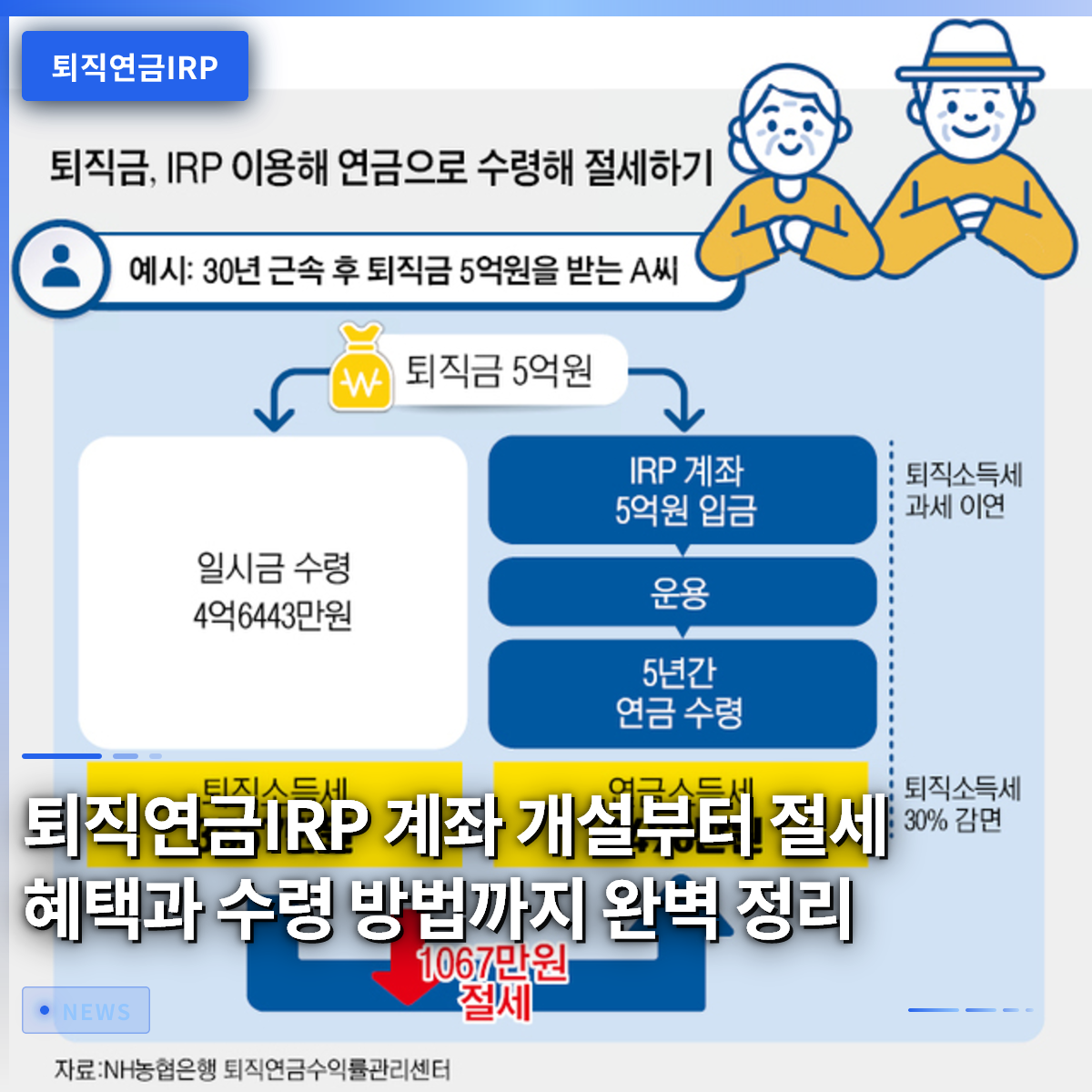
When you reach retirement age and are finally ready to use your funds, you must seriously decide whether to receive them as a lump sum or as a pension. In principle, upon leaving a company, your severance pay is transferred to and stored in an IRP account in your name, and you can start receiving it after the age of 55. If you withdraw all the money at once, you may feel the satisfaction of holding a large sum, but you will have to pay the accumulated severance income tax all at once, resulting in a huge tax burden. On the other hand, if you receive it in the form of a pension over a period of 10 years or more, you can receive a reduction of 30% to 40% on the severance income tax. In fact, many retirees choose the pension receipt method to maximize tax savings, allowing them to receive a stable monthly living expense.
The longer the pension receipt period, the larger the scope of tax reduction benefits, so unless you urgently need a lump sum, receiving it in installments as a pension is much more advantageous. Since it is deposited into your account on a fixed date each month like a salary, it also greatly helps in planning asset consumption and controlling expenditures. If you are in a situation where you must use the money before the age of 55 due to unavoidable circumstances, you should look into the mid-term withdrawal system; however, it is only applicable to reasons stipulated by law, so the conditions are quite strict. Representative reasons for mid-term withdrawal include purchasing a house or securing a deposit for a lease if you are a non-homeowner, or medical treatment for yourself or family members requiring 6 months or more of care. Therefore, unless there is a special exceptional situation, the most desirable direction is to maintain the account until the end and utilize it as a solid source of pension for your old age. The wisest way to avoid a tax bomb and create a lifelong salary is to extend the pension receipt period as long as possible.
If you receive it in the form of a pension over 10 years or more after the age of 55, you can receive a significant reduction in severance income tax.
5. Frequently Asked Questions and Account Check Guide
As you manage the account, various questions are bound to arise, and we have compiled and clearly organized the most frequently asked ones. The first question is whether you can open another account if you already have one at a different financial institution. Legally, every citizen can only open one account across all financial institutions. If you want to move to another institution, you do not need to close the existing account; you can simply transfer the assets to the new financial institution through the contract transfer system. The second common question is what happens to the existing account if you change jobs mid-way. Even if you change jobs, the existing account remains intact, and you can continue to grow it by transferring the severance pay from the new company to the same account, so there is no need to worry.
The third question is whether you can reduce or temporarily stop the annual contribution amount if circumstances change. The answer is definitely yes. Since it is not a mandatory installment payment, you can flexibly adjust the contribution amount according to your financial situation, which places little burden on office workers. Finally, if you are unsure which product to switch to as your retirement period approaches, it is best to actively utilize expert consultations or asset management seminars hosted by financial institutions. Simply periodically checking your asset status and carefully comparing returns and fees can significantly change the size of your retirement funds. It is easy to neglect it out of laziness, but if you pay a little attention to management, you will realize that the scale of money accumulating in your account has changed. Start by opening your smartphone app right now and carefully checking the status of your account.
The principle is one account per person, contract transfer is possible upon changing jobs, and contribution amounts can be flexibly adjusted.
6. Final Recommendations for Successful Retirement Preparation
So far, we have examined in detail the basic concepts of Retirement Pension IRP accounts, tax deduction benefits, how to utilize safe assets, and wise withdrawal methods. The word “retirement” may feel distant and vague, but the quality of your life in the future will change completely depending on when and how you start preparing. It is not common to find a product that allows you to capture both the immediate sweet benefit of year-end tax settlement refunds and the long-term goal of a wealthy retirement decades later. Starting today, please set a contribution plan suitable for your income level and design the ratio of risky to safe assets with your own hands. Since the financial environment and tax laws change slightly with the times, it is also necessary to have the wisdom to consistently monitor related news and respond flexibly. Rather than blindly following what others say is good, you should accurately understand your investment style and retirement timing and proactively lead your account. The greatest gift you can give to yourself, who has worked diligently for a lifetime, is ultimately the retirement fund account that you have solidly filled yourself. I sincerely encourage you to check your asset management plan right now and take a definitive first step toward the future.
You must proactively prepare for life after retirement through consistent account checks and strategic contribution plans.
Frequently Asked Questions
=