The White House has sparked significant controversy in the media industry by abruptly restricting CNN from accompanying coverage on Air Force One, despite a court ruling that reinstated the network’s access. Although a federal court’s temporary restraining order halted President Donald Trump’s administration’s ban on certain outlets—labeled as “fake news”—from entering the White House, the administration has imposed a practical restriction by denying them access to the presidential aircraft. This move is considered extremely serious as it threatens the foundation of the pool reporting system, which broadcasters operate on a rotation basis. It effectively impedes the press’s role in closely covering the movements of major world leaders and fulfilling the public’s right to know. Many are closely watching how this White House decision will impact the future relationship between the U.S. political establishment and the media. Below, we will examine in detail the significance of this action and its specific impact on the operation of the pool reporting system.
=
Background on the White House’s Refusal to Allow CNN Aboard Air Force One and the Disruption to the Pool Reporting System
1. Background of the Restriction on Air Force One Access
The conflict between the White House and CNN has entered a new phase as the administration decided not to allow CNN aboard Air Force One, despite the court’s ruling. According to foreign reports, CNN reporters were categorically excluded from boarding the presidential aircraft for President Trump’s visit to Knoxville, Tennessee. Previously, President Trump had enforced a ban on White House access for several news organizations, including CNN, while criticizing them. In response, the affected media outlets filed lawsuits with the court, arguing that this measure violated the freedom of the press guaranteed by the First Amendment. The situation appeared to ease temporarily when the court issued a temporary suspension order regarding the White House’s access restrictions. However, the White House is maintaining a firm stance by imposing practical hurdles, such as denying access to the aircraft. The White House has not provided an official response to media inquiries seeking specific reasons or background for this refusal to allow CNN aboard. This silence is interpreted as an intent by the presidential office to assert dominance by openly expressing dissatisfaction with specific media outlets. As the values of press freedom and administrative convenience clash, practical friction is expected to become more frequent. Readers can easily understand the severity of the situation by imagining how the news they usually enjoy is produced amidst such political conflicts. Ultimately, this action serves as clear evidence that invisible barriers still exist in the actual reporting field, regardless of the superficial allowance of entry. Whether the White House will maintain this exclusion policy in future schedules has become the top concern in political circles.
The White House is continuing to impose practical reporting restrictions by denying access to Air Force One, even though it has allowed entry in accordance with the court ruling.
2. The Court’s Temporary Restraining Order and the Resumption of Access
The legal battle initially favored the media side as the U.S. court put a brake on the White House’s unilateral ban on press access. President Trump had maintained a tough stance, designating certain outlets as vehicles for fake news and seeking to permanently block their access to the White House. The affected media outlets immediately applied for a temporary restraining order in federal court, demanding a halt to this improper exercise of executive power. Respecting the spirit of the First Amendment, which guarantees freedom of the press, the judiciary ruled to temporarily suspend the White House’s access restrictions. Thanks to this ruling, major broadcasters, including CNN, regained their eligibility to enter the White House press room. The court’s swift decision holds great significance as it checked the executive branch’s attempt to control the press through the abuse of power. Immediately after the court’s decision, broadcasters including CNN returned to the presidential reporting scene to resume normal journalistic activities. On the first day of their return, the previous day, CBS, which was responsible for the pool report, closely filmed an event highlighting the relationship between President Trump and Chinese President Xi Jinping. Subsequently, CNN also fulfilled its role by handling the pool report for a major event held at the National Archives and Records Administration. As seen here, field reporters are making their best efforts to convey accurate facts to the public even in a deteriorated environment. Behind every line of the news articles readers receive every morning lies this intense legal battle and the hard work of the reporting field. It is ironic that while the court’s intervention has made superficial access possible, the White House continues to apply pressure through another means: denying access to Air Force One.
Although the court’s temporary restraining order temporarily resumed media access to the White House, the seeds of conflict remain.
3. The Core Structure of the Pool Reporting System and the Disruption
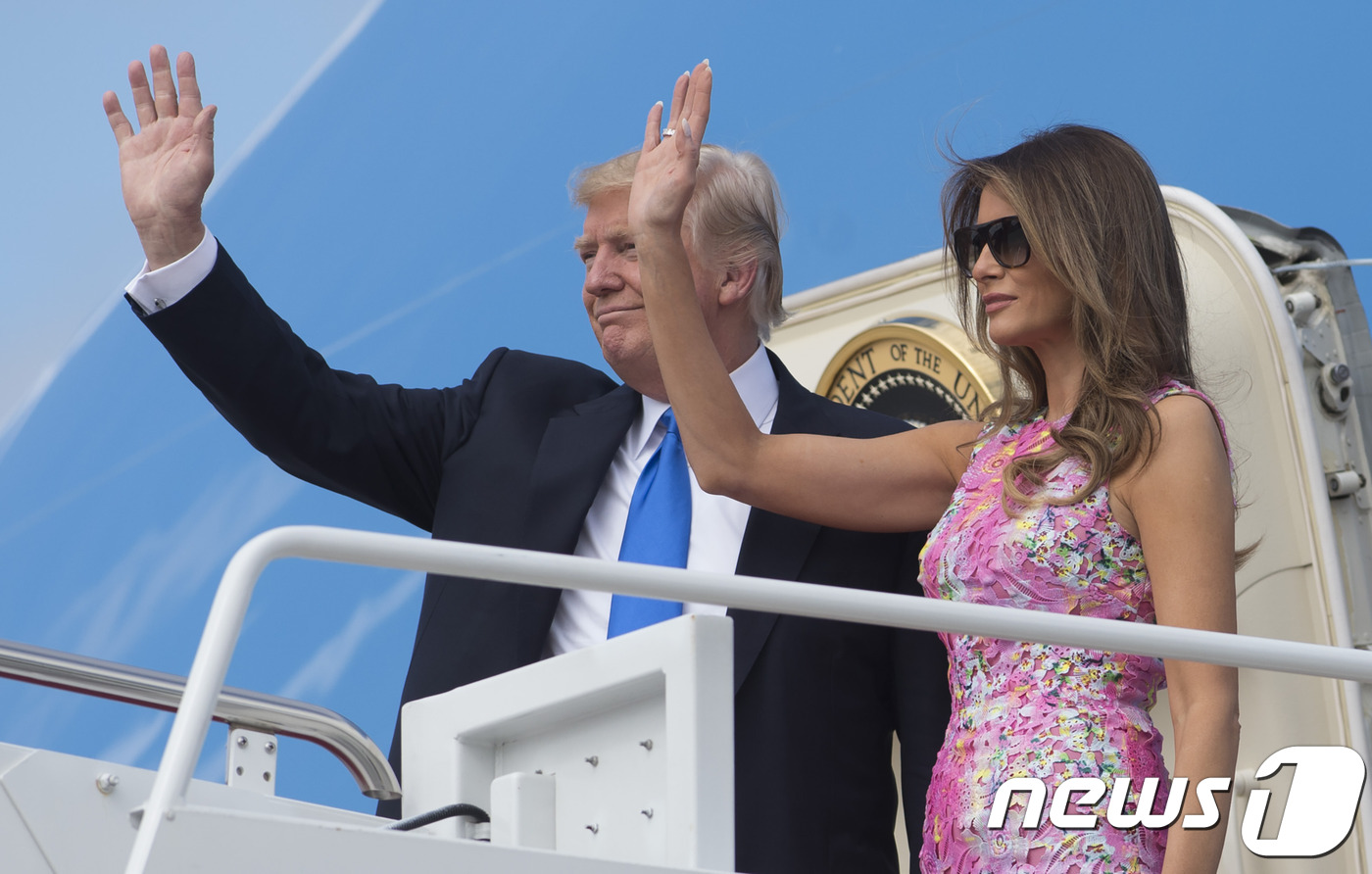
To cover the U.S. President’s movements and events, news organizations have maintained an efficient pool reporting system based on a rotation method for decades. This system operates on the principle that since not every outlet can follow the president every time, a selected representative outlet covers the event and shares the content with all other media. In other words, if one broadcaster boards the aircraft to film the president’s every move and write an article, that material is shared and used by other outlets. This method is a crucial mechanism that saves significant costs and manpower while ensuring that all citizens can access information about the president fairly and equally. However, the White House’s refusal to allow CNN aboard the aircraft has thrown this massive information-sharing system into great confusion. Outlets participating in the pool report must take turns performing their duties; if one broadcaster is denied boarding, the entire rotation is disrupted. If CNN is unable to board when its turn comes, it cannot fulfill its role, resulting in a gap in the entire media ecosystem. This could develop into a serious issue that infringes upon the public’s right to know across the United States, going beyond the loss of a single company like CNN. Readers should remember that the vivid images and behind-the-scenes videos of the president they usually see in the news are produced through the sacrifice and cooperation of this pool reporting system. The White House’s current action is being evaluated as a reckless move that directly challenges this long-standing tradition and cooperative framework. The entire media industry is watching with bated breath to see if the pool reporting system can overcome this crisis and maintain its existing role.
The refusal to allow pool reporters aboard the aircraft puts the rotation-based operation of the broadcaster pool system, which handles cost reduction and information sharing, in crisis.
4. The Clash Between Press Freedom and Executive Power
The White House’s refusal to allow CNN aboard Air Force One is a typical example of how press freedom, the most important value in a democratic country, clashes with executive power. In a democratic system, the press must serve as a check on power by monitoring and criticizing it, and the executive branch has an obligation to cooperate with this. However, the current Trump administration has stamped news organizations that publish critical reports as “fake news factories” and unilaterally closed the channels of communication. This is criticized as revealing the typical characteristic of a power holder who seeks to control public opinion and steer it in a favorable direction rather than accepting legitimate criticism. The media outlets are standing firm, not hesitating to file lawsuits, but the executive branch is also refusing to back down by imposing practical sanctions. This extreme confrontation ultimately leads to side effects such as lowering the quality of information delivered to the public and exacerbating social distrust. Citizens need to evaluate the president’s governance from an objective and neutral perspective, but it is becoming increasingly difficult to discern the truth amidst the mudslinging between both sides. Readers have likely experienced confusion about whose words are true whenever the media and the government fight. We must not forget that in a political arena where healthy criticism and mutual respect have disappeared, the ordinary citizens are the ones who suffer the most. The longer the conflict between the White House and the media persists, the more serious damage will be inflicted on communication and transparency, the foundations of democracy. It is widely predicted that this incident will not end as a mere fiasco but will bring about massive changes to the entire media landscape.
The White House’s attempt to control the media and the media outlets’ legal countermeasures have put the core democratic value of press freedom to the test.
5. Outlook on the Future Political Situation and Media Response
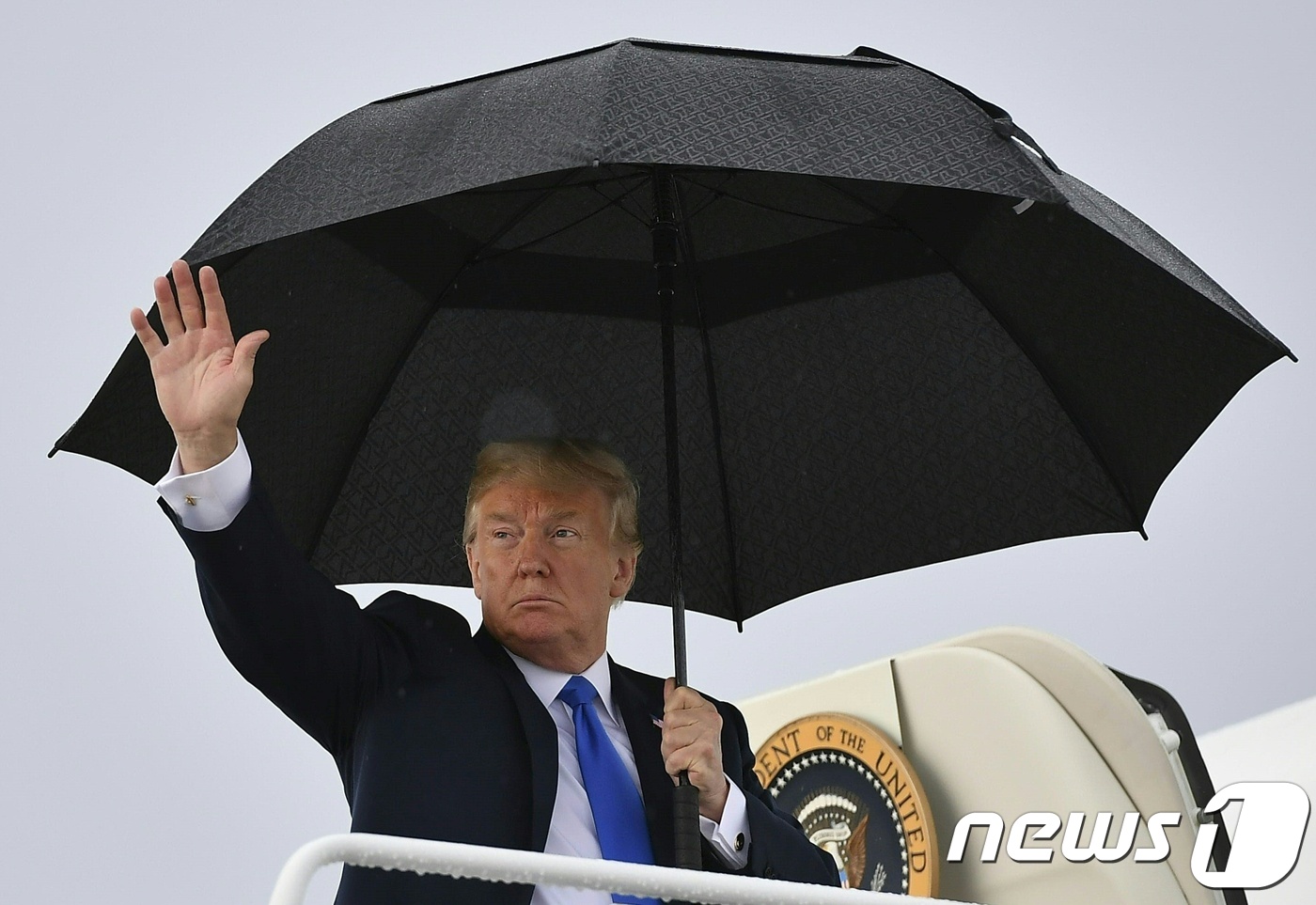
The conflict between the White House and major media outlets, including CNN, has dug a deep trench that is unlikely to be resolved in the short term and will significantly impact the future political landscape. The administration is likely to maintain a tough stance to justify its policies, while media outlets are preparing for additional legal responses. In particular, as presidential election periods or major diplomatic schedules approach, the battle for dominance over pool reporting on Air Force One is expected to become even more intense. Media outlets are maintaining their position that they will strengthen the solidarity of the pool reporting system to jointly respond to the White House’s unfair pressure. If the White House continues to insist on excluding specific outlets, it may face greater political aftershocks, such as additional sanctions from the judiciary or congressional hearings. In this exhausting conflict, the most important thing is for the press to faithfully perform its inherent monitoring function without yielding to the pressure of power. Readers, too, need the wisdom to consume news with a cool-headed perspective, not swayed by biased reporting or political attacks, more than ever. This incident reminds us once again that press freedom is a precious right that must be defended through constant monitoring and struggle, not something given passively. The world’s eyes are turning to Washington to see whether the White House will withdraw its restriction on Air Force One access and restore a normal media environment, or take a stronger confrontational stance. The series of developments to come will serve as an important milestone for gauging the future global media environment. We must watch the progress of this situation to the end based on objective facts and make the right judgment.
The conflict between the White House and the media is likely to be prolonged, and the solidarity and legal responses of media outlets will be the key to resolving the situation.
6. Establishing a Healthy Relationship Between the Press and Power
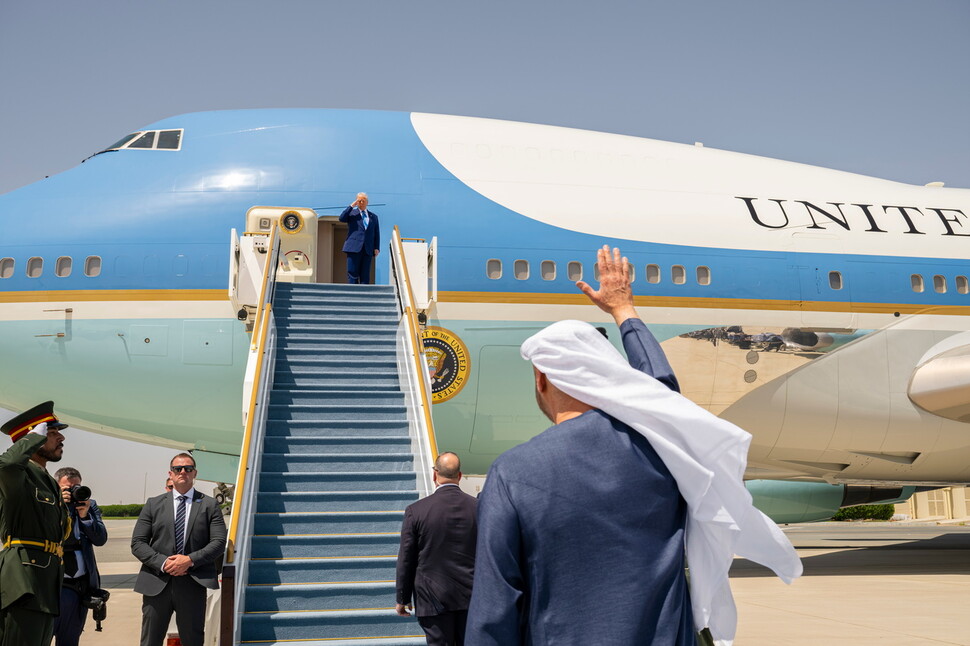
For a democratic society to be maintained healthily, the executive branch and the press must maintain a healthy tension based on mutual respect. The presidential office must abandon its attitude of defining critical voices as enemies and excluding them, while the press must restore trust through objective and fair reporting. The White House’s refusal to allow CNN aboard Air Force One clearly demonstrated how many systems break down and how much chaos ensues when power attempts to control the press. The public’s right to know must be prioritized over any political purpose or administrative convenience; it is the last bastion of democracy. Readers should not consume news reports merely for entertainment but should look deeply at the power and media dynamics hidden behind them. Continuous interest and support from civil society are urgently needed so that the press can fulfill its role without being shaken by external pressure from power. We sincerely hope that this incident will serve as an opportunity for press freedom to mature further in all democratic countries around the world, not just in the United States.
Restoring a healthy tension between power and the press and guaranteeing the public’s right to know are the only solutions to resolving this incident.
Frequently Asked Questions
=