
Using the Four Major Social Insurance Calculator allows you to check your exact net take-home pay at a glance without manually entering the deductions from your monthly payslip. For those who have just started their first job or finished salary negotiations, the most pressing question is usually how much money will actually land in their bank account. This is because a pre-tax monthly salary of 3 million won does not mean that entire amount will be deposited; National Pension, Health Insurance, and other mandatory deductions are taken out first. If you do not calculate based on the insurance premium rates that change every year, a significant discrepancy may arise between your expected amount and the actual take-home pay. In this article, we will explain the correct way to use the Four Major Social Insurance Calculator and the principles of deductions for each item, using specific examples so that anyone can easily understand.
=
How to Use the Four Major Social Insurance Calculator and How to Accurately Check Your Net Monthly Salary

1. What is the Four Major Social Insurance Calculator?
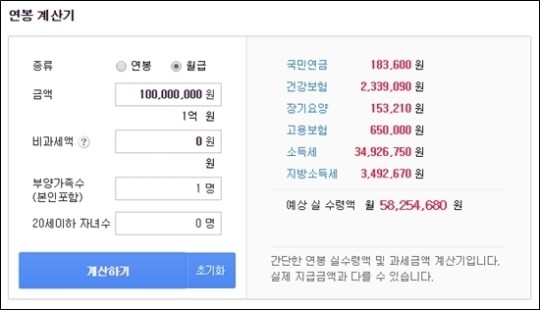
The Four Major Social Insurance Calculator is a tool that pre-calculates the mandatory national insurance premiums automatically deducted from a worker’s monthly salary. When you look at the monthly payslip provided by your company, you will see that the National Pension, Health Insurance (including Long-term Care Insurance), and Employment Insurance are each deducted at specific rates. Calculating these complex rates manually can be a headache and prone to errors, but the calculator handles this process in just a few seconds. It is essential for understanding how much your actual bank deposit changes after taxes and social insurance premiums are deducted when your annual salary increases. You can easily find various free calculation tools by entering relevant keywords into internet portal sites. It is very useful for financial planning because simply entering your pre-tax amount calculates income tax and local income tax as well, showing you the final net take-home pay. It is a convenient tool that displays both the deduction amount and the net take-home pay at once, requiring only your salary input without manual rate calculations.
2. Deduction Principles for National Pension and Health Insurance

The National Pension is a public system for retirement preparation, where a certain percentage of the current standard monthly income is deducted monthly, with the cost shared equally between the employer and the employee. For example, for an office worker with a monthly salary of 3 million won, a certain amount is deducted from the salary as the employee’s share of the National Pension premium based on the applicable rate. Health Insurance was established to alleviate the burden of high medical costs arising from illness or injury and is also calculated based on salary. Additionally, Long-term Care Insurance premiums, which are a certain percentage of the Health Insurance premium, are added and deducted together with Health Insurance in a lump sum each month. It is important to accurately reflect the rate changes revised every year, as applying incorrect standards can lead to discrepancies with the actual deduction amount. Office workers should develop the habit of periodically comparing the amounts listed on their payslips with the calculator’s results. The National Pension and Health Insurance are deducted at specific rates from the monthly salary, serving as core funds for securing retirement and medical expenses.
3. Differences Between Employment Insurance and Workers’ Compensation Insurance

Employment Insurance is a social security system operated by the state to support re-employment and vocational skill development in case of unemployment. Workers bear a certain percentage of their monthly salary as Employment Insurance premiums, which becomes a valuable right to receive unemployment benefits later. On the other hand, Workers’ Compensation Insurance is a system to protect workers who suffer work-related injuries or illnesses; since the employer bears the full cost, it is not separately deducted from the worker’s salary. Therefore, the Four Major Social Insurance Calculator used by individuals mainly reflects the Employment Insurance premiums borne by the worker, while Workers’ Compensation Insurance premiums are excluded from the calculation items. You must accurately understand these differences to comprehend why certain items are excluded and others are included when you receive your payslip. For special industries such as construction or special employment categories, the application criteria for Employment Insurance may differ, so it is advisable to refer to separate specialized tools. Employment Insurance is shared by both the worker and the company to prepare for unemployment, while Workers’ Compensation Insurance is fully borne by the company.
4. How to Check Your Net Take-Home Pay After an Annual Salary Contract
After annual salary negotiations are completed every year, many office workers use calculators to estimate exactly how much will be deposited into their accounts the following year. If you have signed a contract for an annual salary of 36 million won, you must remember that simply dividing it by 12 months to get 3 million won per month does not mean that entire amount will be yours. If you enter 3 million won into the Four Major Social Insurance Calculator, you will see that the actual deposit is less than that amount after National Pension, Health Insurance, and various taxes are deducted. Whether or not tax-exempt allowances are included can slightly change the basis for calculating taxes and insurance premiums, so it is important to enter accurate salary items. Results may vary slightly between different calculators, usually because the applied rates are outdated or there are differences in the order of deductions. Therefore, the wise approach is to select a reliable calculator that reflects the latest standards and enter your exact conditions. The difference between the contracted annual salary and the actual take-home pay is due to Four Major Social Insurance and tax deductions, so checking in advance with a calculator is essential.
5. Simultaneous Deduction of Income Tax and Local Income Tax
The Four Major Social Insurance Calculator offers a comprehensive function that calculates not just insurance premiums but also income tax and local income tax. After the Four Major Social Insurance premiums are deducted from the salary, income tax is additionally deducted based on the remaining amount according to the simplified tax table. Only after the local income tax, which is 10 percent of the income tax, is deducted is the final net take-home pay that we see in our bank accounts each month completed. The income tax deduction amount varies depending on the number of dependents or the number of children under 20, so you must enter family details when using the calculator. People are often surprised when the amount calculated based only on the pre-tax figure differs from the actual payslip, which is due to this difference in income tax. By using a calculator that carefully reflects the tax deduction structure, you can also roughly estimate your refund or additional payment amount during the year-end tax settlement. Only after deducting income tax and local income tax in addition to the Four Major Social Insurance can the accurate net monthly salary be calculated.
6. The First Step in Salary Management and Financial Planning
Accurately grasping the flow of money coming into and going out of your account each month is the most basic starting point for stable asset management. By using the Four Major Social Insurance Calculator to know your exact net take-home pay in advance, you can prevent unnecessary expenses and systematically plan your savings. Insurance premium rates are expected to be adjusted slightly each year in response to inflation and institutional changes, so it is necessary to always check for the latest information. Do not just overlook the deduction amounts on your payslip; develop the habit of verifying whether the money you paid is properly reflected by checking it yourself. The more you build the ability to transparently examine your income and expenses, the more solidly your economic future will be prepared. Starting today, use a calculator that fits your conditions to begin a smart working life and frugal asset management. Accurately understanding your net take-home pay is the most important first step in financial management for systematic savings and expense planning.
Frequently Asked Questions
=