If you utilize your IRP (Individual Retirement Pension) account correctly, you can receive a tax refund of several hundred thousand won during your year-end tax settlement while simultaneously building a solid asset base for your retirement. For those managing their severance pay while employed or preparing for retirement individually, this account has become an essential financial tool rather than just an option. If you have ever felt left out when colleagues around you bragged about their year-end tax refunds, it is time to pay close attention. This article will help you easily understand everything from calculating tax deduction limits to severance pay withdrawal methods and early withdrawal conditions. Instead of using complex financial jargon, we will explain things with everyday examples, so please follow along step by step to the end.
=
Essential Guide to IRP Pension Tax Deduction Limits and Withdrawal Methods
1. What is an IRP Pension?

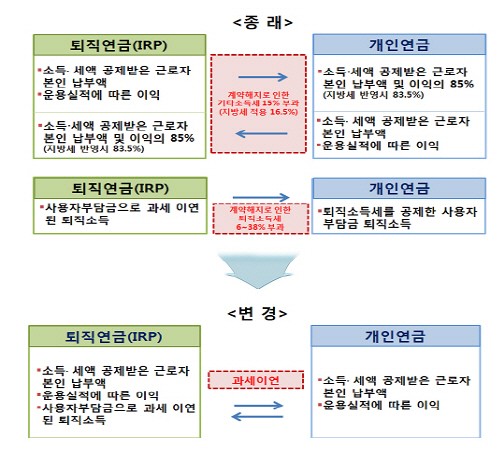
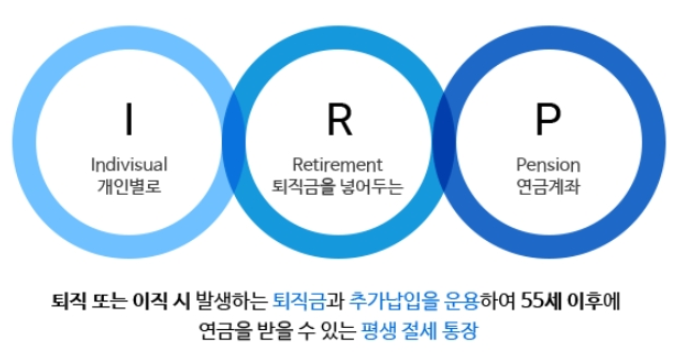
An Individual Retirement Pension (IRP) is an account where employees accumulate and manage their severance pay or personal contributions, which are later received as a pension. In the past, many people would receive their severance pay directly into their bank accounts upon leaving a job and spend it like cash. However, the principle now is that these funds are mandatorily transferred to this account to be locked in as retirement funds. This mechanism was created to protect assets, even by force, to prevent financial insecurity after retirement. Employees can make additional contributions, and anyone, including self-employed individuals or public officials who are not part of a corporate pension system, can freely open an account.
You can open an account at financial institutions such as banks or securities firms. You can invest not only in deposits but also in various investment products like funds and Exchange-Traded Funds (ETFs). Even if you change jobs, you can continue to accumulate your previous severance pay in a single account, making asset management much easier. It is also closely linked to Defined Contribution (DC) pension assets accumulated by your employer, allowing you to grasp your overall retirement assets at a glance. If you consistently contribute from a young age, you can benefit from compound interest, resulting in a significantly larger asset base at the time of retirement.
The IRP pension is an essential asset management account that helps you accumulate severance pay and personal contributions to receive as a pension after retirement.
2. Tax Deduction Limits and Year-End Tax Settlement Benefits
Combining pension savings and IRP pensions allows for a maximum annual tax deduction of 9 million won, which is highly popular among employees. Specifically, you can contribute up to 6 million won to a pension savings account, and the total limit is recognized as 9 million won when combined with your personal contributions to the pension. For example, if you fill your pension savings account with 6 million won and add 3 million won to your pension account, you can claim a deduction on the total 9 million won. If your total annual income is 55 million won or less, a 16.5% deduction rate applies, resulting in a substantial tax refund of up to 1.485 million won.
Even if your total annual income exceeds 55 million won, a 13.2% deduction rate applies, allowing you to receive a refund of up to 1.188 million won during your year-end tax settlement. This powerful tax-saving effect is the decisive reason why employees who only used to make regular savings deposits are now opening these accounts and starting to contribute. However, please note that contributions paid by your employer or severance pay transferred from other accounts are not considered personal contributions and are therefore excluded from tax deductions. Remember that only the amounts you personally deposit are eligible for deduction, and you should check your remaining limit before the year-end arrives.
By contributing a total of up to 9 million won annually to pension savings and IRP pensions, you can receive a refund of up to 1.485 million won during your year-end tax settlement.
3. Severance Pay Withdrawal Methods and Tax Deferral
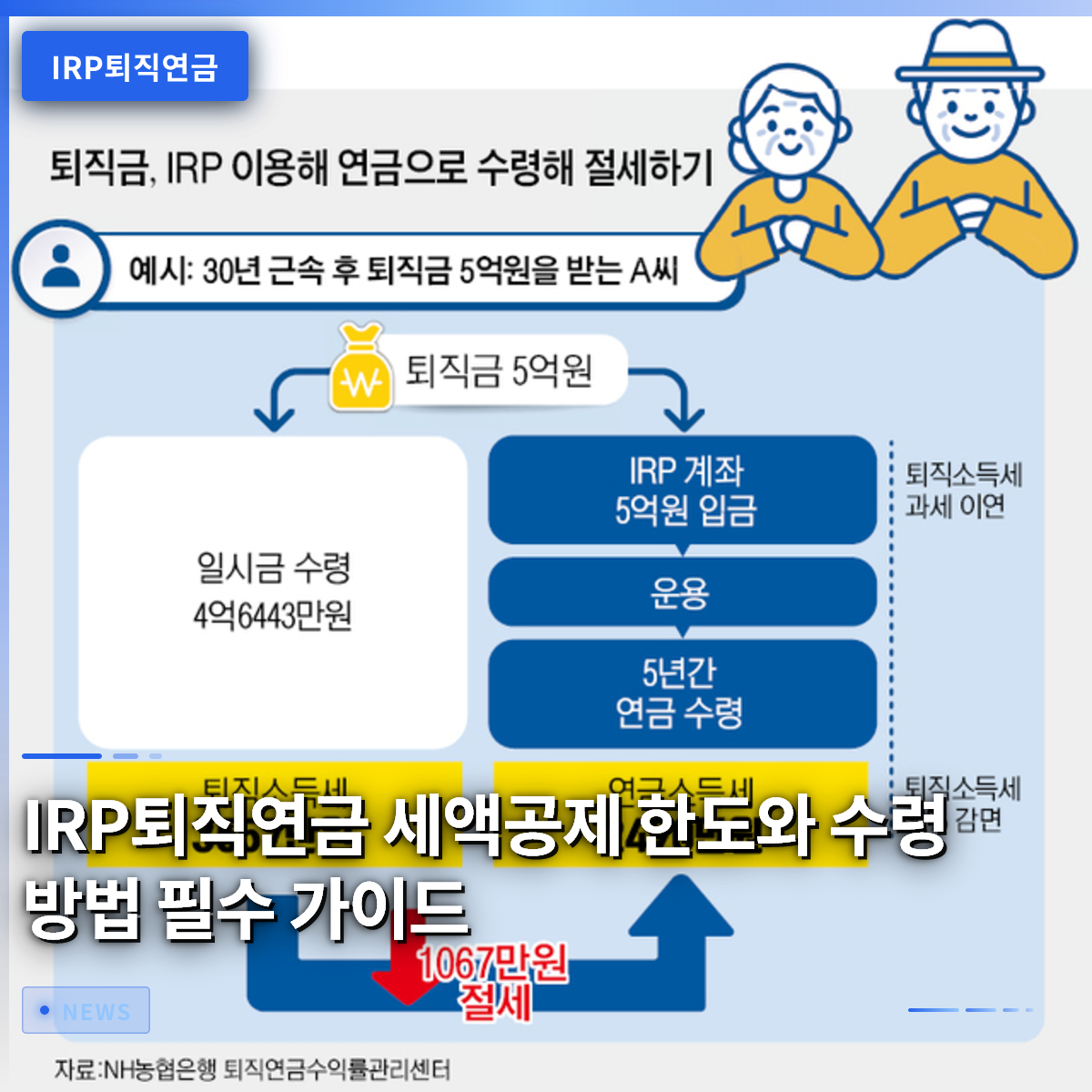
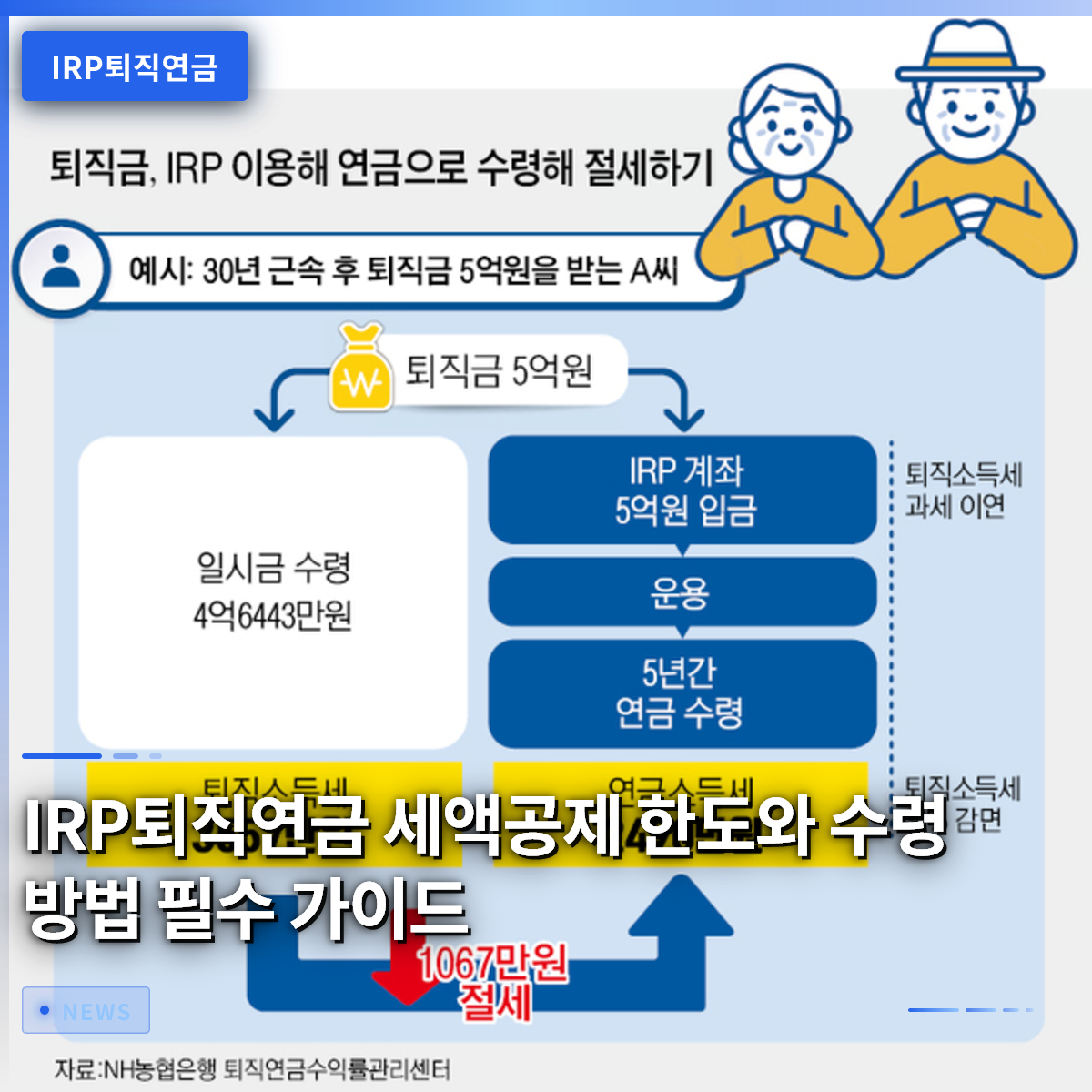
Severance pay received upon leaving a company must be transferred to this account. If you do not withdraw it immediately, you benefit from tax deferral. In financial terms, this is called “tax deferral,” which allows you to postpone paying taxes until you withdraw the money as a pension, helping to grow your assets by investing the tax amount. If you cancel the account immediately after receiving your severance pay to use it as a lump sum, you will have to pay the accumulated severance income tax in full, which is a significant loss.
If you receive your severance pay as a pension after retirement, you can receive a reduction of 30% to a maximum of 40% on the original severance income tax. For example, if you receive it as a pension over a period of 10 years or more, your tax burden decreases dramatically, allowing you to use your retirement living expenses more comfortably. If you do not need a large sum of money immediately after retirement, maintaining the account and extending the pension withdrawal period is the most advantageous strategy in terms of both taxes and asset management. Recently, banks and securities firms are also holding various events offering mobile gift vouchers to new or active customers to attract them, so it is wise to compare options carefully before signing up.
Receive your severance pay in the account to defer taxes, and then withdraw it as a pension later to significantly reduce income tax.
4. Early Withdrawal Conditions and Exceptions
In principle, this account is a long-term product that locks in funds until retirement, but early withdrawal is exceptionally permitted under unavoidable circumstances. For instance, a non-homeowner employee can withdraw funds to purchase a house or secure a deposit for a lease, provided they meet the legal requirements. Additionally, withdrawals are possible if you or your dependents require long-term care or medical expenses for continuous treatment of six months or more.
The door to exceptional early withdrawal is also open in cases of bankruptcy declaration, personal rehabilitation proceedings, or significant damage caused by natural disasters. However, if you attempt to cancel the account due to a simple change of heart or personal financial pressure that does not meet these conditions, you must bear significant penalties. This is because a high tax rate of 16.5% is imposed as miscellaneous income tax on both the principal that received tax deductions and the accumulated investment returns. Therefore, rather than rashly breaking the account because you need urgent cash, you should carefully consider whether you truly meet the legal requirements and make a prudent decision.
Early withdrawal is only possible under legal exceptions such as home purchase for non-homeowners or medical expenses; otherwise, closing the account incurs high taxes.
5. Selecting Investment Products and Default Options
If you simply deposit money into the account and leave it untouched, it will not keep up with inflation, causing the real value of your precious retirement assets to decline. You must actively invest your money in various investment vehicles such as performance-linked products, funds, and ETFs, tailored to your risk profile, rather than just keeping it in deposits. If your busy daily life makes it difficult to select or change investment products directly, it is wise to utilize the “Default Option” system, which is a pre-designated investment management service.
The Default Option is a system where financial institutions manage your assets according to a pre-set, safe, and efficient portfolio, even if the subscriber does not issue separate instructions. This is already widespread in pension-advanced countries like the US and Australia, and its importance is growing among domestic employees as well. If cash is deposited in your account but no settings are made, you may miss out on returns, so you must definitely choose an option that matches your investment style. To smile at the time of retirement, you must make efforts to regularly check returns and adjust your portfolio to match market conditions.
You must actively manage neglected assets through Default Options or various investment products to grow your retirement funds.
6. Practical Strategies for Successful Retirement Preparation
To achieve a successful retirement, you should immediately check the status of your pension account today and set the optimal monthly contribution amount. You need to maintain consistent interest throughout the year, rather than just paying attention during the company’s severance transfer period or the year-end tax settlement season. Try to exercise wisdom by carefully comparing the sign-up events and fee discounts offered by various financial institutions to choose the one most advantageous for you.
The magic of compound interest favors those who start early, so hesitating even for a moment means losing out. Instead of immediately spending large sums of money when they appear, you should develop the habit of contributing to your pension account to save on taxes and prepare for the future. Please start making a step-by-step plan and putting it into practice now to enjoy a comfortable and abundant life ten or twenty years from now. A small amount of interest and one wise choice will become the most powerful weapon in determining your royal-like retirement.
You should check your pension account today and contribute consistently to enjoy both the benefits of compound interest and tax savings.
Frequently Asked Questions
=