The key point to check right now is that bank posted rates and real-time market rates can differ. As the won-dollar exchange rate has shown unstable movements entering late September 2026, many people are curious about which method offers the most advantageous rates. There are hidden differences that cannot be found through simple searches, and ignoring them could lead to annual expenses of tens of millions of won. In this article, I have organized a step-by-step guide on how to correctly check and access exchange rates based on actual field experiences and the latest trends. We will compare the distinct features of banks, securities firms, and intermediary sites, and highlight essential points to verify when planning overseas stock investments or travel. In particular, we will also cover the impact of exchange rate fluctuations on asset management and strategies to minimize them, so please read to the end and apply these insights.
=
Comprehensive Guide to Checking Exchange Rates in September 2026: Methods and Practical Tips
1. The Decisive Difference Between Bank Posted Rates and Real-Time Quotes
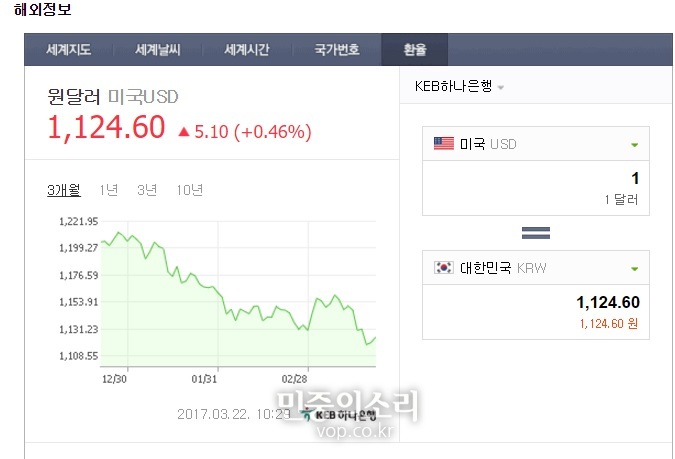
The posted rates provided by banks are updated every 20 minutes and serve as the standard applied during actual currency exchange contracts. In contrast, real-time quotes fluctuate by the minute, meaning there can be a significant gap between posted rates and real-time quotes during periods of rapid volatility. From my personal experience, I have seen differences of over 20 won in exchange rates just before and after lunchtime; this was not a simple error but was due to the buy-sell spread. Posted rates are based on the selling price, so if you are converting foreign currency to Korean won, you must check the selling rate. Conversely, if you are buying foreign currency, you should look at the buying rate. The difference between these two values is called the spread. A larger spread implies higher transaction costs, so while the impact is minor for small exchanges, it significantly affects large-volume transactions.
The posted rates available in bank apps are categorized by country and currency, allowing you to easily check rates for the Japanese yen, Chinese yuan, and others. However, for some minor currencies, rates may fluctuate sharply or liquidity may be insufficient, making it difficult to verify accurate figures. In such cases, specialized foreign exchange intermediaries or the real-time quote features of securities firms may be more advantageous. While bank posted rates are generally stable, adjustment cycles can be longer when market volatility is high. Therefore, it is essential to cross-verify information from at least two sources before making significant overseas payments or investment decisions. This procedure is the most basic and reliable way to prevent unnecessary financial losses.
Posted rates are updated every 20 minutes, and you must always consider the buy-sell spread when exchanging currency.
2. How to Utilize Securities Apps and Major Platforms Like NH Investment & Securities

Securities apps are likely already installed by stock investors, allowing for easy access to exchange rate information without separate registration procedures. This is particularly helpful for those investing in US stocks or overseas bonds, as it allows them to view real-time English market quotes alongside Korean won exchange rate trends, aiding in strategy formulation. For example, you can instantly grasp the correlation between Nasdaq index fluctuations and the won-dollar exchange rate through app charts. Such visual data provides valuable insights for analyzing the causes of sharp price movements. Additionally, some securities firms offer features that link foreign currency deposit accounts, enabling real-time monitoring of the valuation gains or losses on held foreign currencies. This is regarded as a practical tool that goes beyond simple inquiries to encompass comprehensive asset profit and loss management.
Major securities firms like NH Investment & Securities and Shinhan Investment Securities not only provide exchange rate lookup functions but also clearly state the fees applied during currency exchanges. Securities firms often have narrower foreign exchange spreads compared to general banks, which can save on exchange costs when buying overseas stocks. However, not all securities firms maintain the same fee policies, so you must always check the specific terms and conditions of the firm before trading. Recently, services providing AI-based analytical reports on exchange rate forecasts have also increased. Utilizing these services can complement intuitive judgments and facilitate data-driven rational decision-making.
Securities apps provide real-time quotes along with spread information, making them advantageous for reducing overseas investment costs.
3. Objective Benchmarks from the Foreign Exchange Market and IMF Data

While the exchange rates perceived by individuals or businesses can fluctuate significantly based on market sentiment, statistics released by the International Monetary Fund (IMF) or central banks of various countries can serve as more objective benchmarks. As mentioned by News1, official data such as foreign exchange reserve rankings functions as an indicator for policy decisions and market stabilization. You can download monthly average exchange rate data from the past several decades by accessing the Bank of Korea’s statistical portal. Organizing this data into Excel files is very useful for understanding long-term exchange rate fluctuation patterns. It serves as essential foundational material, particularly when analyzing the relationship between inflation rates and exchange rates.
You must also check the monetary policy announcement schedules of major global economic powers like the US Federal Reserve and the Bank of Japan. Exchange rates exhibit extreme volatility around interest rate decision meetings, so it is wise to refrain from excessive currency exchanges during these times. Press releases from official institutions may lag behind immediate news, but their credibility is higher than that of any private media outlet. Therefore, if you are looking at medium- to long-term asset management rather than short-term trading, it is safer to make judgments based on such macroeconomic data. Data analysis is a powerful tool that leads to much more rational investments than intuitive fear or pressure.
IMF and central bank statistics are the most reliable objective indicators for understanding long-term exchange rate forecasts and policy changes.
4. Smartphone Alerts and Automated Exchange Rate Monitoring Strategies
Setting up automatic notifications that alert you immediately when a key exchange rate reaches a specific level can help you avoid missing the optimal timing. Fintech apps like Naver Finance and Toss offer features that send push notifications when a user-defined target rate is reached. For example, if you plan to exchange currency once the rate exceeds 1,400 won, you can set an alert for when it reaches 1,390 won. This allows you to capture subtle price fluctuations that are easily missed with passive monitoring. As exchange rate volatility has increased since 2026, the importance of such automated tools has grown even further.
In addition to setting alerts, it is advisable to simultaneously use real-time account balance checking features for foreign currency products. Many users tend to send money when the exchange rate is favorable but forget to check the actual amount reflected in their accounts. Automated systems act as a safety device that reduces errors caused by memory lapses. They are also helpful when comparing multiple currencies simultaneously to find the most advantageous combination. These smart habits maximize the efficiency of daily financial management.
Setting up target rate alerts is essential for capturing the optimal timing and preventing human error.
5. The Impact of Exchange Rate Fluctuations on the Living Economy and Asset Portfolios
Exchange rates are not just abstract numbers; they directly impact our daily consumption and asset values. They are closely linked to oil prices, inflation, and imported goods prices, so a prolonged trend of a weaker won leads to higher perceived inflation. For instance, sudden increases in the prices of overseas brand clothing or airline tickets are direct results of exchange rate fluctuations. Conversely, if the won strengthens, there is an economic advantage in being able to purchase more goods with the same amount of money. Even these subtle changes can make a significant difference in personal finances over the long term. From an investor’s perspective, exchange rate conversion gains or losses are included in investment returns, so they cannot be ignored.
Overseas stock investors can expect exchange gains in addition to stock price appreciation. However, this comes with the constant risk of exchange losses if the won strengthens. During the sharp exchange rate surge in the summer of 2026, many individual investors experienced exchange gains while seeing the value of other assets decline. Therefore, a strategy to diversify asset allocation within the portfolio is necessary to hedge exchange rate risk. It is important to appropriately adjust the proportion of safe assets or exchange rate optimization products that can offset exchange rate volatility. Only by formally including exchange rate variables in your financial planning can you create a predictable future.
Exchange rates directly affect inflation and investment returns, so exchange rate risk prevention must be considered when allocating assets.
6. Q4 2026 Exchange Rate Outlook and Smart Fund Management Guide
Exchange rate trends through the end of this year are expected to show mixed signs depending on global macroeconomic indicators. The direction of US interest rate policy and the extent of China’s economic stimulus measures are expected to be the biggest variables. Experts analyze that there is a high probability of fluctuations between 1,350 and 1,500 won. The greater the uncertainty, the more cool-headed, data-based judgment is required rather than emotional decision-making. In highly volatile markets, processing large-volume exchanges in one go (above a certain amount) is more advantageous for saving fees than making repeated small exchanges. Repeatedly buying and selling based on psychological factors only results in bearing spread costs.
The smartest way to utilize exchange rates going forward is to hold emergency foreign currency cash in a diversified manner at a certain ratio. One method is to store dollars, yen, and yuan in 30% portions each in preparation for crisis situations. Additionally, if you have travel plans, the strategy of exchanging small amounts in advance is effective. This allows you to seize opportunities for favorable exchanges during sharp fluctuations. It is important to cultivate the habit of acquiring financial information and regularly checking exchange rate trends. Small attention and effort can accumulate to create significant economic benefits.
Since mixed trends are expected in Q4, risks should be managed through small, diversified currency exchanges and foreign currency asset allocation.
Frequently Asked Questions
=