The trajectory of the KOSPI index today was determined by the tension preceding the holiday season and a general pause in global tech stocks. What investors are most concerned about is not the short-term index fluctuation, but whether they have secured safeguards against external variables that may arise during the National Day holiday. Recently, semiconductor-related news and interest rate trends in the US market have significantly impacted the index, a structure that directly and indirectly affects our market. Therefore, to minimize losses, one must read not just the simple rise and fall of numbers, but also the micro-level supply and demand changes and the macroeconomic background. Today, based on the market data for September 30, 2026, we will examine the peculiarities overlapping with next week’s Chuseok holiday. We will start by organizing the key points on where the KOSPI is heading and what preparations we should make.
=
KOSPI Fluctuations on September 30, 2026: Analyzing Market Sentiment Ahead of the National Day Holiday
1. Intensifying Market Volatility Around the National Day Holiday
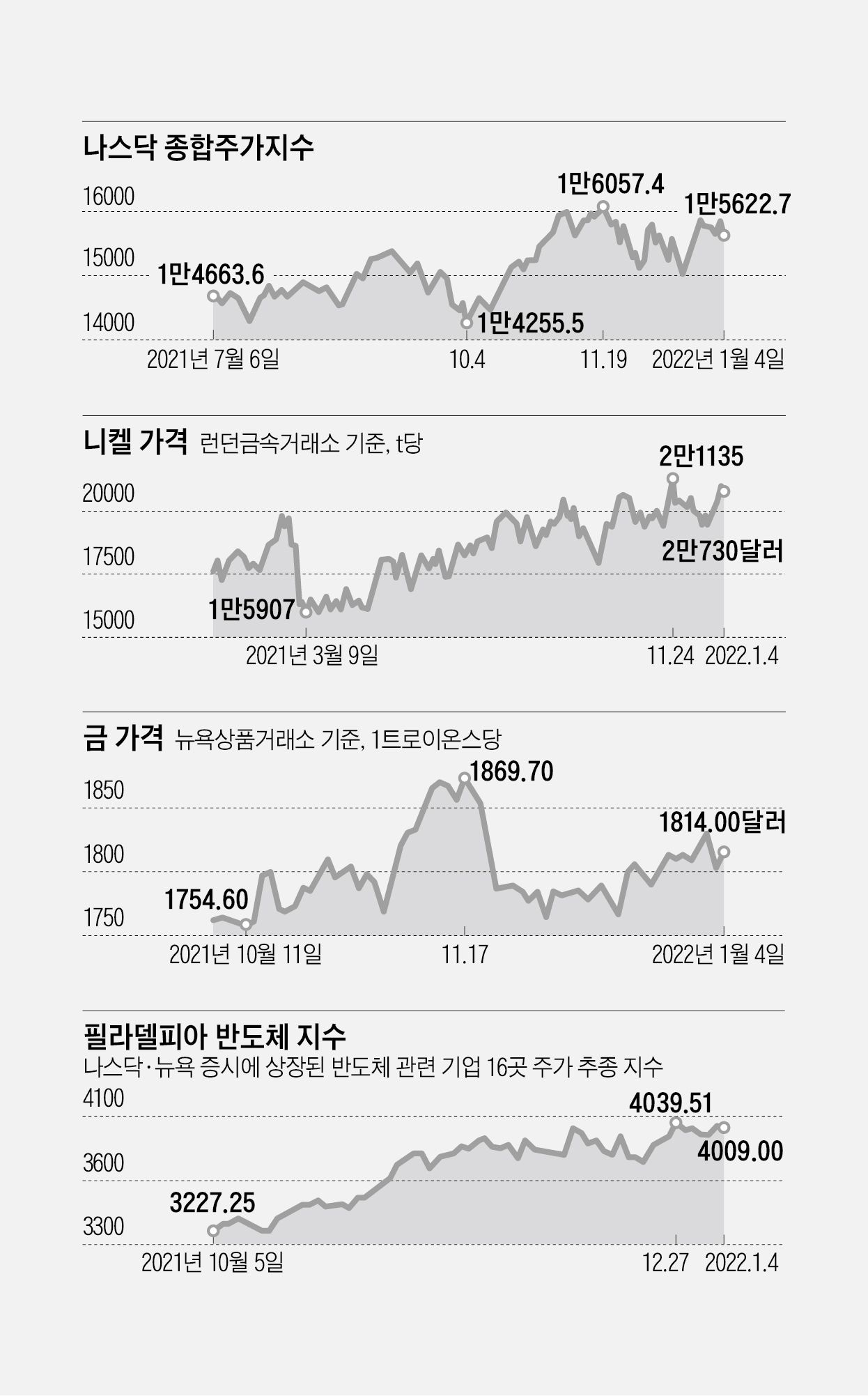
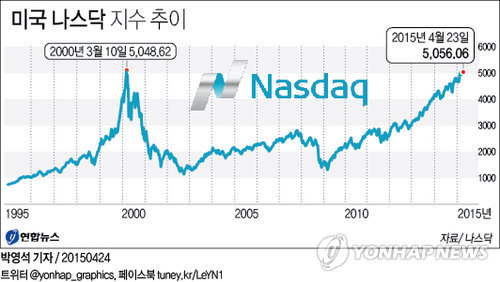
With four days left until the National Day holiday, global capital’s risk aversion is noticeably increasing. It is a time when minor policy news or a single earnings report from a major overseas tech giant, which would normally be overlooked, can significantly shake the index. The mixed performance of the US stock market, continuing from last weekend, has already acted as a factor dampening investor sentiment before the market opened this morning. It must not be overlooked that the slight decline in the Nasdaq index is being transmitted as psychological pressure to the KOSPI, which is centered on domestic tech stocks. The China Shanghai Composite Index is also showing a pattern where the proportion of foreign capital inflows and outflows increases on the last trading day before the holiday. In such situations, the liquidity of individual stocks becomes a more important indicator than the index itself, and risk management to prepare for sharp fluctuations is essential.
It is important to establish safeguards as market volatility tends to increase ahead of holiday seasons.
2. Chinese Stock Market Trends and Micro-Level Supply and Demand Changes
The China Shanghai Composite Index closed mixed on September 30, fluctuating around the 7,351 yuan level. Although this figure represents a slight decrease from the previous trading day, it can be interpreted as maintaining relative defensiveness when viewed in conjunction with the yuan exchange rate outlook. For reference, the Chinese market has experienced clear correction pressure centered on tech stocks over the past few days, with PCB and real estate-related issues acting in combination. When the correlation with the domestic KOSPI increases, the key is to quickly absorb policy messages from China. Fiscal stimulus measures or regulatory changes announced locally in China during the National Day holiday are highly likely to be reflected in the domestic market immediately after the holiday. Therefore, it is wise to position for potential gap-ups or gap-downs around the holiday.
The mixed performance of the Chinese stock market before the holiday and policy issues directly impact domestic market volatility.
3. US Interest Rates and Second-Half Semiconductor Industry Outlook
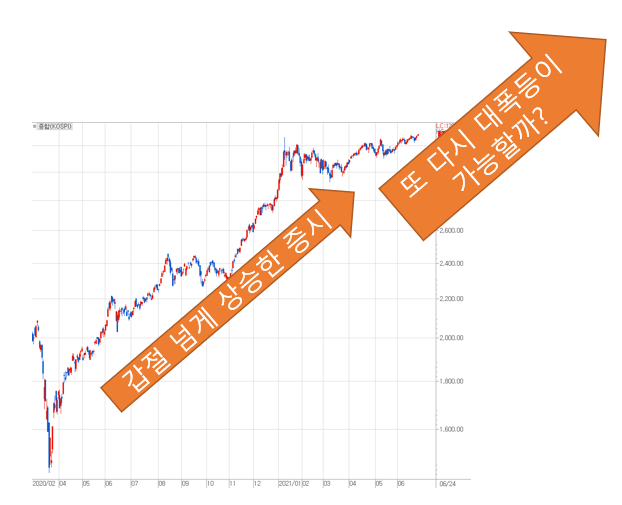
The soaring US 10-year Treasury yield, which has raised the benchmark for risk-free returns, is the biggest hurdle for global stock markets. As interest rates rise, the valuation appeal of growth and tech stocks declines, a structure that is immediately reflected in the stock prices of domestic IT giants. Recently, earnings reports or share buyback announcements from global semiconductor leaders like Micron and Nvidia have acted as factors offsetting market sentiment. However, cautious observations are emerging among analysts that the semiconductor industry may be entering an inventory adjustment phase in the second half. The IT sector, which accounts for a significant portion of the KOSPI’s market capitalization, is taking a direct hit from this global semiconductor cycle. Until news of a peak in interest rates becomes clear, a strategy of maintaining balance rather than over-betting on tech stocks is effective.
US interest rate hike pressure and semiconductor inventory adjustments are key factors suppressing the rise in domestic IT stock prices.
4. Trends in Individual Investor Inflows and the Perceived Economy of Self-Employed Workers
Just because the KOSPI is holding the 7,000 line does not mean all citizens are well-off. The reality of the numerous small and medium-sized enterprises and self-employed workers hidden behind the index numbers is often not properly reflected in stock price charts. Therefore, it is a very dangerous perception to definitively conclude that the entire Korean economy has improved based solely on the KOSPI 7,000 indicator. In fact, the number of self-employed business closures has not decreased in recent years, and voices indicating that the perceived economy is freezing are coming from all sectors of the industry. These dark notes suppress consumer spending, which eventually translates into the sales of earnings-based companies, potentially acting as a negative factor for stock prices in the long term. Investors should recognize this and make judgments by cross-referencing with real economic indicators rather than simple index-following techniques.
Checking perceived indicators is important at this mixed point where the real economy is weak despite the index rise.
5. Limitations of Dividend Strategies and New Breakthroughs
As the strategy of investing in US semiconductor-related covered call ETFs for monthly distributions has spread like a trend, risk factors have also amplified. These products advertise that they provide stable cash flows on the surface, but they have a structural limitation where stock prices plummet when the underlying assets drop sharply. The monthly loss trend of the Nasdaq revealed in recent US market briefings vividly shows the vulnerability of such strategies. Investors tend to be blinded by the distribution rate and ignore or underestimate the volatility of the underlying assets, which can lead to significant trouble. One must keep in mind that this strategy only shines during periods of surging profits for KOSPI constituent stocks. Therefore, cultivating the ability for direct corporate analysis and portfolio diversification is more beneficial in the long term than relying on dividends.
Dividend-following strategies include structural risks that cannot ignore the volatility of underlying assets.
6. Post-Holiday Investment Strategy and Code of Conduct
If you are facing a long four-day holiday, the best course of action is not to make major capital decisions right now. Unpredictable global news may pour out while the market is closed, which can translate into a strong gap on the first day of return. Instead, use this week to secure a portion of your portfolio in cash and reset your stop-loss lines conservatively. In particular, sectors approaching the second-half earnings season need to be carefully examined, especially for stocks with lowered revenue guidance. Since it is a rare period where the National Day and Chuseok holidays overlap, the peculiarities appearing at the intersection of the two markets must be observed closely. We recommend taking the time to prepare for bigger opportunities next month with a calm eye that is not shaken by sharp fluctuations.
Securing a cash ratio and conservative risk management are essential to prepare for volatility around the holiday.
Frequently Asked Questions
=