
To prevent minor and major safety incidents in the administrative field, it is paramount to thoroughly analyze the 2026 Safety Audit Case Collection and apply its insights to practical work. While local governments and public institutions conduct various inspection activities every year, it is unfortunately common to see past mistakes being repeated in the field. These collections, published by public institutions such as the Seoul Metropolitan Government, are not merely books to be left gathering dust in a drawer; they are like treasure maps that field personnel should use as essential guides. By using past cases of poor construction or negligent facility management as a mirror to identify potential risks in our neighborhoods or workplaces, we can take the most direct path to preventing accidents. In this article, we will carefully examine the inspection know-how and excellent improvement cases that field practitioners must know. Since small negligence can lead to major disasters, please follow the content introduced below to strengthen your safety awareness.
=
How to Reduce Urban Administrative Errors Using the 2026 Safety Audit Case Collection

1. Key Features of the 2026 Safety Audit Case Collection Published by Seoul

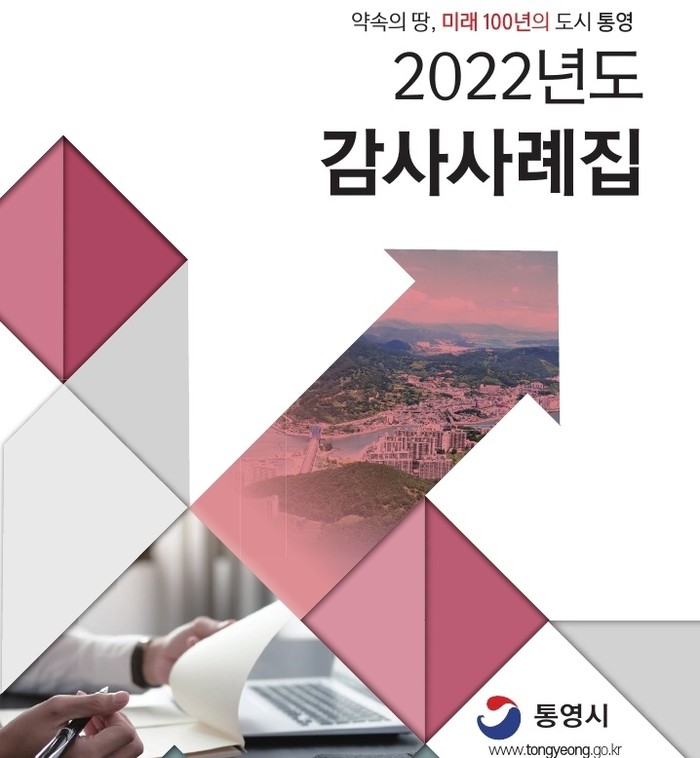
Local governments, including the Seoul Metropolitan Government, collect vast amounts of inspection results each year and transparently disclose them to the public sector and citizens. The recently published materials have attracted significant attention by candidly including various administrative errors and cases of poor facility management previously identified. A major feature is its sharp focus on field-centric issues directly related to citizens’ daily lives, moving beyond traditional, formal, document-based reviews. It details common pitfalls in legal interpretation that field civil servants are prone to make, as well as procedural errors in budget execution. This serves as a reliable shield, helping other departments or institutions learn from these examples to avoid similar administrative mistakes. For instance, looking at the delayed bridge repair project at a certain district office last year, the root cause was the omission of a safety review during the design change process. The person in charge, busy with meeting deadlines, attempted to simplify essential procedures but was ultimately caught during the audit and faced severe consequences. These specific cautionary cases are recorded in detail throughout the publication, giving readers a chill down their spines. It does not merely show who was punished but analyzes by process why such mistakes occurred and how they should have been corrected. Consequently, practitioners are encouraged to open this book and reflect on whether there are similar vulnerabilities in their own work processes.
The 2026 Safety Audit Case Collection is not just a record of punishments but a guidebook for supplementing vulnerabilities in field administration.
2. Common Administrative Mistakes Frequently Found in Field Inspections
When managing public facilities or conducting large-scale construction projects, the most common mistake is the formalistic establishment of safety management plans. Plans that look perfect on paper often become useless when applied to the field because they are disconnected from actual site conditions. For example, instruments required to prevent ground subsidence around subway construction sites are sometimes omitted due to budget shortages or negligent management. Such practices ultimately become the spark for major accidents, requiring tens of times the social cost and effort to manage the aftermath. Another chronic issue is the shifting of responsibility and the creation of blind spots in supervision within the subcontracting structure. It is not uncommon for prime contractors to unilaterally push safety responsibilities onto subcontractors, while local governments, as ordering parties, stand by and miss the golden time for intervention due to negligent management. Even for a simple sidewalk paving replacement in an alley, one must meticulously check whether workers are properly wearing helmets and whether safety fences for pedestrian passages are securely installed. However, under the pressure of handling complaints and meeting performance targets, it is easy to forget these basic safety rules. This case collection truly shines by accurately identifying these gaps and raising awareness.
Thorough execution in the field, rather than perfection on paper, is the key to preventing safety accidents.
3. Learning Exemplary Administrative Processes Through Successful Improvement Cases
In addition to pointing out mistakes, we should also pay attention to exemplary cases that wisely overcame crises and upgraded safety systems. For instance, a local water utility company received high praise for introducing real-time remote monitoring equipment during an aging pipeline replacement project. This allowed them to check for leaks and ground deformation 24/7 via smartphones or computer screens in the office, without needing to descend to the work site. As a result, they could detect danger signs much faster than others and take prompt field action, achieving a record of zero safety accidents. Such administrative improvements, combining creative ideas with technological capability, are the secret to saving budget while simultaneously gaining citizens’ trust. Other institutions are actively benchmarking these excellent cases, adapting and introducing them to fit their own work environments. The Seoul Metropolitan Government awards prizes to selected excellent institutions and shares related content across all departments to elevate the overall level of administration. Only when the voices of the field are listened to and combined with the proactive attitude of personnel can a robust fortress of safety be built.
Exemplary administration that integrates technology and ideas simultaneously enhances safety accident prevention and work efficiency.
4. Changes in Laws and Guidelines That Public Officials and Practitioners Must Know
Laws and systems are not static; they are like living organisms that constantly evolve and are amended to match the changes of the era and the expectations of citizens. In particular, with the strengthening of the Act on Punishment for Major Industrial Accidents, the standards for safety management required in the public sector have become incomparably stricter than in the past. It is now essential to move beyond a passive stance of merely meeting legal standards and make proactive efforts to identify potential risk factors. This case collection kindly explains how recently amended safety-related laws are applied in the field, accompanied by specific precedents. One of the most confusing parts for frontline officials is the scope of liability when an accident occurs at a privately commissioned site. Establishing clear criteria for how much supervision the ordering party must perform to be exempt from legal liability is an urgent task for practitioners. The collection resolves these queries through various authoritative interpretations and audit windows, significantly reducing uncertainty in practice. It provides a solid legal framework to prevent unfair damages caused by lack of legal knowledge and to allow work to proceed legitimately.
Accurate mastery of strengthened laws and guidelines is the only way to reduce the legal risks of practitioners.
5. Strategies for Creating a Safe Urban Environment Together with Citizens
Safety is not solely the responsibility of civil servants or experts; it is only completed when supported by the active participation of the citizens living there. The establishment of a culture where citizens can easily report dangerous road damage or broken streetlights via smartphone apps is in line with this. Local governments, including the Seoul Metropolitan Government, are accelerating the construction of a safety net in daily life through public-private cooperation by operating a Citizen Ombudsman system. A symbiotic structure is being created where citizens’ sharp eyes complement the blind spots that administrative agencies fail to reach. In fact, there was a case where a void under the road, which could have developed into a large sinkhole, was discovered in advance thanks to a sharp tip-off from a citizen, preventing a major disaster. Keeping communication channels with citizens wide open and actively accepting incoming feedback becomes the measure that determines the quality of administration. In the future, safety experience programs and education that allow participation from a wider range of age groups must be expanded to change the overall safety culture of the city. Only when we have a sense of ownership, believing that the safety of our neighborhood is our responsibility to guard, can a gapless defense line be built.
Active reporting and participation by citizens is the strongest shield filling the blind spots of administration.
6. Future Tasks and Recommendations for Successful Safety Administration
The nature of disasters our society will face in the future will be completely different from the past, and the administrative paradigm to respond to them must undergo a major transformation. From extreme heavy rains and heatwaves caused by climate change to complex urban disasters involving artificial intelligence and advanced technology, they can find us at any time. Therefore, the content of the case collection published annually should not be consumed merely as paper documents but must be combined with AI-based prediction systems. It is urgent to build a smart administrative infrastructure that trains AI on past accident data to predict and warn about dangerous areas in advance. This requires continuous expansion of local government budgets and personnel, and above all, it must be supported by a firm safety philosophy from local heads and senior civil servants. We can never break the chain of increasingly sophisticated safety accidents by rushing into showy administration; fundamental structural improvement is essential. I hope that readers will not overlook small risk factors around them and use the content learned today as an opportunity to look around their surroundings. Safety can never be overemphasized, and our small concerns and actions come together to complete a livable and safe city.
We must move toward proactive safety administration linked with advanced technology to prepare for future disasters.
Frequently Asked Questions
=